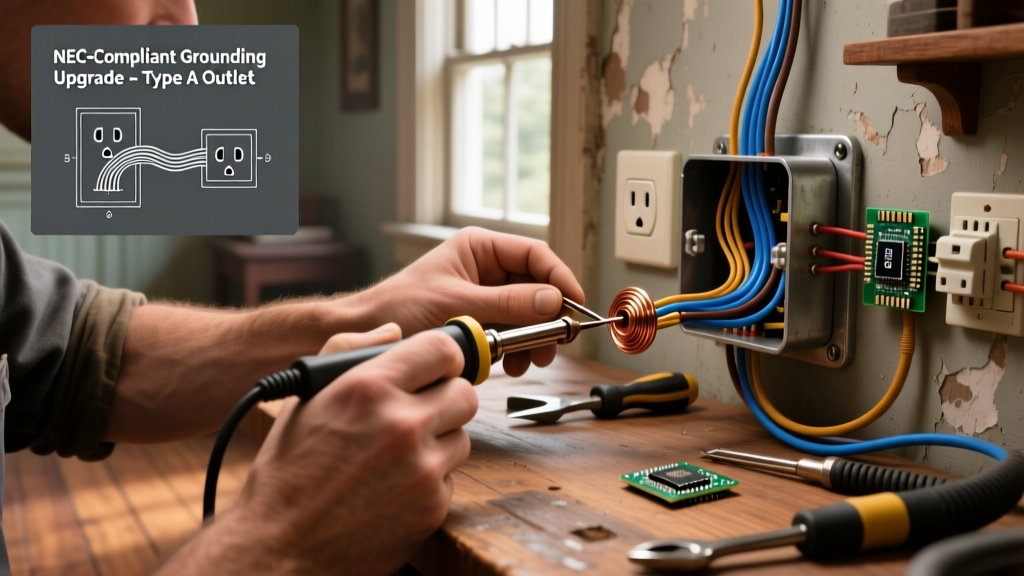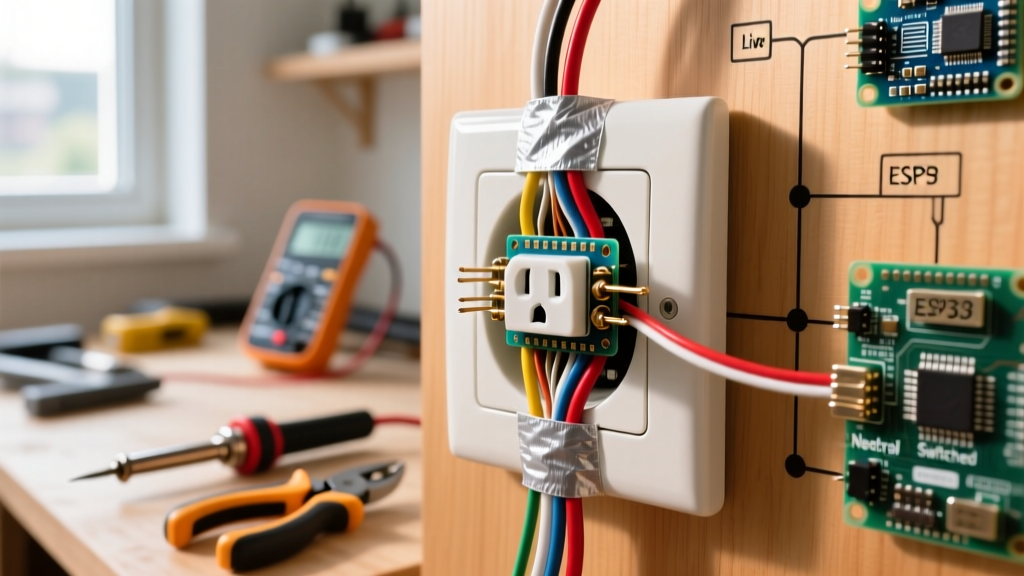

The Red Flag: Why Electricians Cringe at Taped Receptacles
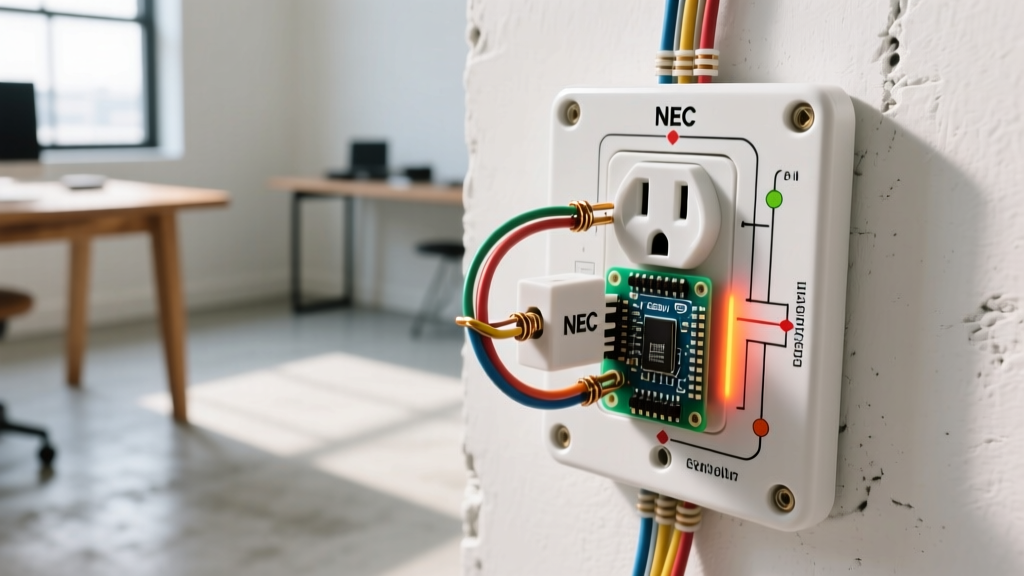
When upgrading or repairing home wiring, homeowners often ask why there is electrical tape around outlet receptacles in older homes or DIY renovations. Wrapping the sides of a 15-amp or 20-amp receptacle in vinyl tape is a notorious amateur hack. While the original installer likely believed they were adding a layer of safety or insulation, this practice is a massive red flag that indicates sloppy workmanship, potential code violations, and hidden fire hazards.
From a troubleshooting perspective, finding electrical tape around an outlet means you must immediately suspect underlying issues: exposed copper wire, improperly stripped insulation, or a desperate attempt to prevent a short circuit against a metal junction box. In 2026, with modern electrical loads drawing more sustained current than ever before, relying on PVC tape to insulate terminal screws is a recipe for thermal degradation and arc faults.
Diagnostic Matrix: What the Tape Color Tells You
Before you even reach for a screwdriver, the color and application of the tape can provide critical diagnostic clues about the underlying failure or hack. Use this matrix to anticipate what you will find once the wall plate is removed.
| Tape Color | Typical Application | Likely Underlying Issue | Hazard Level |
|---|---|---|---|
| Black (Standard) | Wrapping the entire perimeter of the yoke and terminal screws | Exposed copper on side-wired terminals; fear of shorting against a metal box | High |
| Clear / White | Targeted wrapping over specific screw terminals | Hiding scorch marks, arcing damage, or melted plastic from a previous overload | Critical |
| Red / Blue | Wrapped around the hot brass screws only | Attempted color-coding for switched legs or multi-wire branch circuits (MWBC) | Moderate |
| Friction Tape (Cloth) | Found in pre-1970s homes, wrapped over cloth wiring | Degraded original wire insulation; brittle copper conductors | Critical |
The Thermal Failure Mechanism: Why Tape is Not Insulation
To understand why electrical tape around outlet boxes is dangerous, you must understand thermal cycling. A standard 15-amp circuit powering a 1500W space heater draws roughly 12.5 amps continuously. If the terminal screw connection is even slightly loose—a common issue when amateurs use the 'backstab' push-in connectors or fail to torque side screws properly—the connection point generates localized heat.
Standard vinyl electrical tape (like 3M Super 33+) is rated for continuous operating temperatures up to 105°C (220°F). However, the adhesive backing begins to soften and liquefy at much lower temperatures when subjected to the thermal expansion and contraction of daily use. Over a few years, the tape shrinks, the adhesive turns into a conductive, carbonized sludge, and the tape peels back, exposing the live terminal screws to the metal junction box. According to the U.S. Consumer Product Safety Commission (CPSC), degraded insulation and poor connections are leading causes of residential electrical fires.
Step-by-Step Diagnosis: Safely Inspecting a Taped Outlet
If you discover a taped receptacle, do not simply remove the tape and leave it. Follow this precise diagnostic procedure to evaluate the integrity of the circuit.
- Verify Power is Off: Use a non-contact voltage tester (like the Klein Tools NCVT-3) on the faceplate screws, then turn off the breaker. Test again at the receptacle slots and the side terminals to confirm zero voltage.
- Remove the Faceplate and Receptacle: Unscrew the 6-32 mounting screws. Gently pull the receptacle out of the box. If the tape is stuck to the inside of a metal box, stop pulling to avoid tearing the wire insulation.
- Peel and Inspect: Carefully unwrap the tape. Look for black carbon scoring on the brass or silver screws, which indicates past arcing.
- Check Wire Stripping Length: Measure the exposed bare copper. The National Electrical Code (NEC) and manufacturer specs (for devices like the Leviton 5262-SW) require exactly 5/8-inch to 3/4-inch of bare wire. If you see more than 1/4-inch of bare wire extending past the terminal screw, the installer stripped it too far, creating a shock hazard.
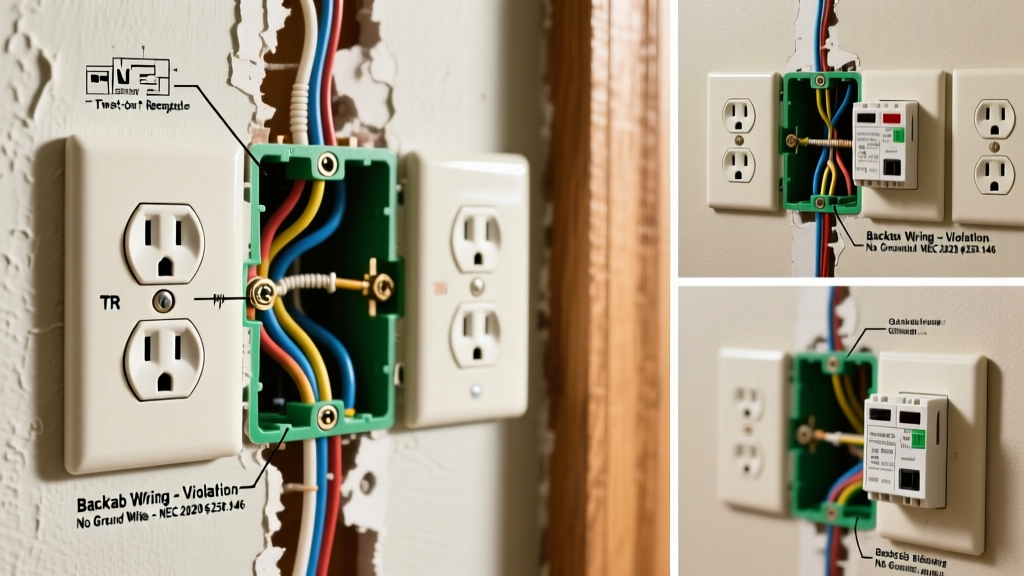
- Inspect for 'Backstab' Damage: If the wires are pushed into the back of the receptacle, check for melted plastic around the insertion holes. Taped outlets are frequently paired with backstabbed connections, which are notorious for failing under high loads.
NEC Code Violations: The 'Neat and Workmanlike' Standard
Wrapping a receptacle in tape violates the core philosophy of modern electrical codes. While the NEC does not explicitly state 'thou shalt not tape an outlet,' it falls under strict enforcement of broader safety articles.
NEC Article 110.12 (Mechanical Execution of Work): 'Electrical equipment shall be installed in a neat and workmanlike manner... Internal parts shall not be damaged or contaminated by foreign matter.'
Furthermore, NFPA guidelines emphasize that listed equipment (UL-certified receptacles) must be installed according to their listing instructions. Receptacle manufacturers design the plastic yoke and recessed terminal wells to provide the necessary dielectric isolation from a grounded metal box. Altering this profile with layers of tape can interfere with the flush mounting of the device and trap heat, voiding the UL listing. For metal boxes specifically, NEC 300.16 requires the use of proper insulating bushings where cables enter the box, not a reliance on taping the devices inside it.
How to Properly Fix a Taped Receptacle (No Tape Required)
Once you have diagnosed the reason for the tape, you must remediate the installation using industry-standard methods. Discard the tape entirely.
1. Correct the Wire Stripping
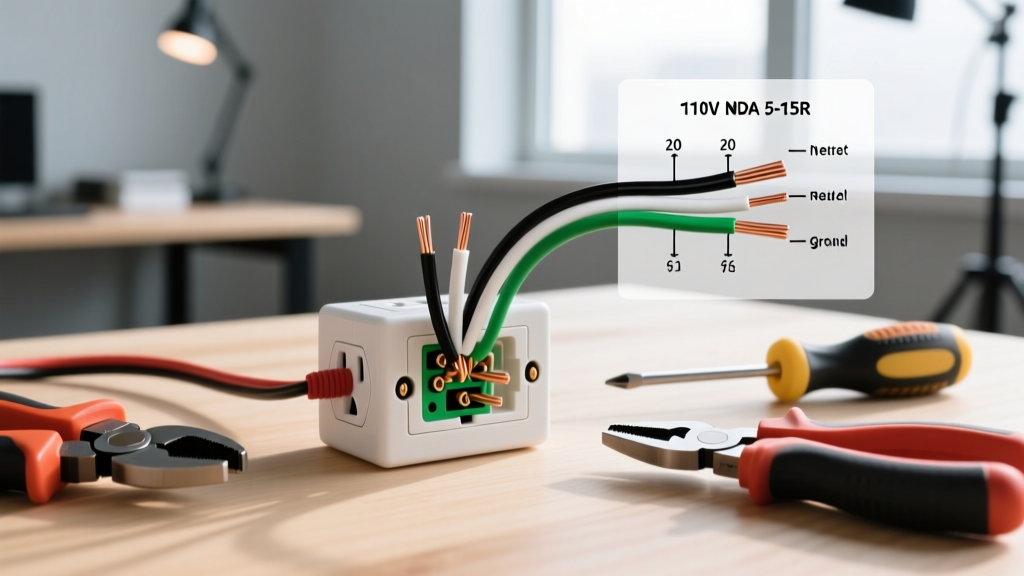
Use a precision wire stripper (such as the Klein 11055) to re-strip the 14 AWG or 12 AWG solid copper wires. Ensure the insulation jacket sits flush against the terminal saddle, with no bare copper visible outside the screw head.
2. Upgrade to Side-Wiring or Pigtailing
If the original installer used push-in backstab connectors, cut them off. Wrap the wire clockwise around the brass (hot) and silver (neutral) terminal screws, tightening them to the manufacturer's torque specification (usually 14-16 in-lbs for standard 15A devices). Alternatively, use Wago 221-412 lever nuts to pigtail the wires, keeping the box organized and preventing loose connections.
3. Install Insulating Bushings (Metal Boxes Only)
If the wires are entering a metal junction box through a knockout without a proper Romex connector, install a red insulating bushing (e.g., Halex 27511). This protects the cable jacket from the sharp metal edge, eliminating the need for the 'tape hack' to prevent shorts.
Comparison: The Tape Hack vs. Code-Compliant Methods
| Method | Thermal Stability | NEC Compliance | Longevity (Years) |
|---|---|---|---|
| PVC Electrical Tape Wrap | Poor (Adhesive melts at 80°C+) | Fails 110.12 (Workmanlike) | 3 - 7 Years |
| Proper Wire Stripping & Torque | Excellent (Relies on device molding) | Fully Compliant | 40+ Years |
| Insulating Bushings (Metal Box) | Excellent (Nylon/Plastic rated) | Required by 300.16 | 50+ Years |
| Self-Contained Receptacles | Good (Enclosed terminals) | Compliant (Specific uses) | 20+ Years |
Frequently Asked Questions
Is it ever acceptable to put electrical tape around an outlet?
No. There is no scenario in modern residential or commercial wiring where wrapping the body or terminal screws of a standard duplex receptacle in electrical tape is considered best practice or code-compliant. If a terminal is exposed, the wire was stripped incorrectly, or the device is damaged and must be replaced.
What if the plastic yoke on my outlet is cracked?
If the plastic face or yoke of the receptacle is cracked, do not use tape to hold it together or cover the crack. A cracked yoke compromises the structural integrity of the mounting ears and the dielectric isolation of the terminals. According to OSHA electrical safety standards and general NEC enforcement, damaged equipment must be replaced immediately with a new UL-listed device.
Why do some older homes have friction tape on the wires near the outlet?
Friction tape (a cloth-based, rubber-adhesive tape) was commonly used in the mid-20th century to wrap the splice points of cloth-insulated wiring. If you find this inside a junction box or wrapped around the wires feeding an outlet, it indicates the presence of aging, brittle wiring that likely lacks a grounding conductor. This requires evaluation by a licensed electrician, as the insulation may crumble when disturbed.