
The Hidden Dangers of the Modern Electrical Outlet and USB Combo
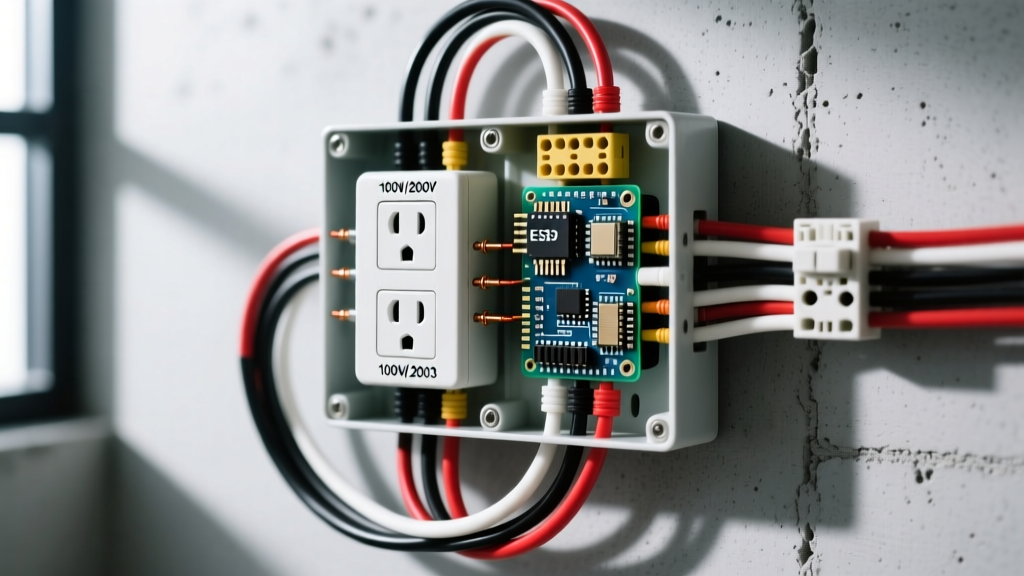
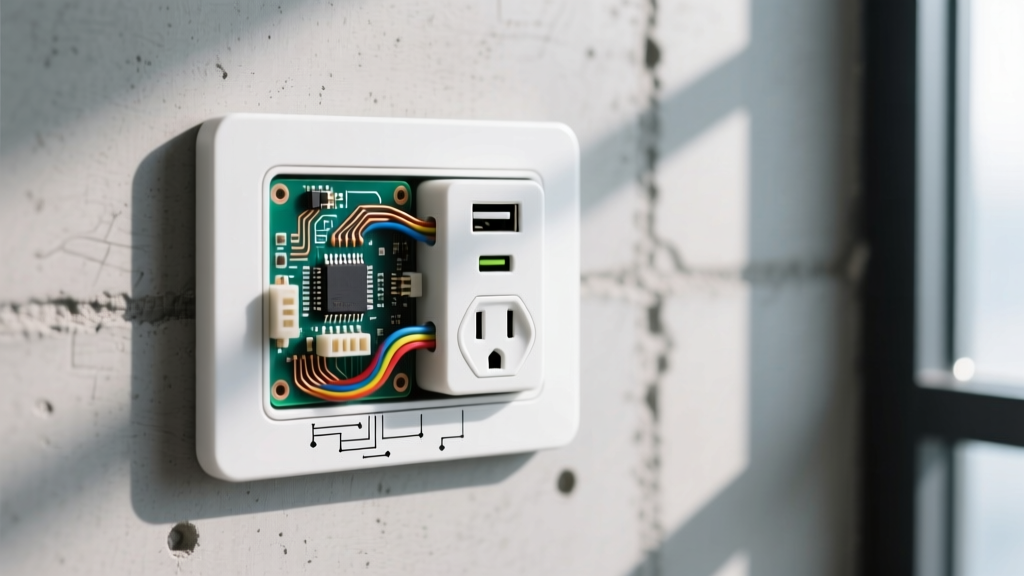
The convenience of an electrical outlet and USB combo receptacle is undeniable. By eliminating bulky power bricks, these devices offer a streamlined way to charge smartphones, tablets, and smart home hubs directly from the wall. However, as we move through 2026, the shift toward high-wattage USB-C Power Delivery (PD) 3.1 standards has fundamentally changed the thermal dynamics inside your wall boxes. What was once a simple 5-watt USB-A step-down transformer is now a 30W to 45W switching power supply crammed into the yoke of a standard duplex receptacle.
For DIYers and professional electricians alike, understanding the safety profile, thermal limitations, and National Electrical Code (NEC) compliance of these devices is no longer optional—it is critical for preventing electrical fires. This guide breaks down the exact code requirements, real-world failure modes, and installation specifications for USB-integrated receptacles.
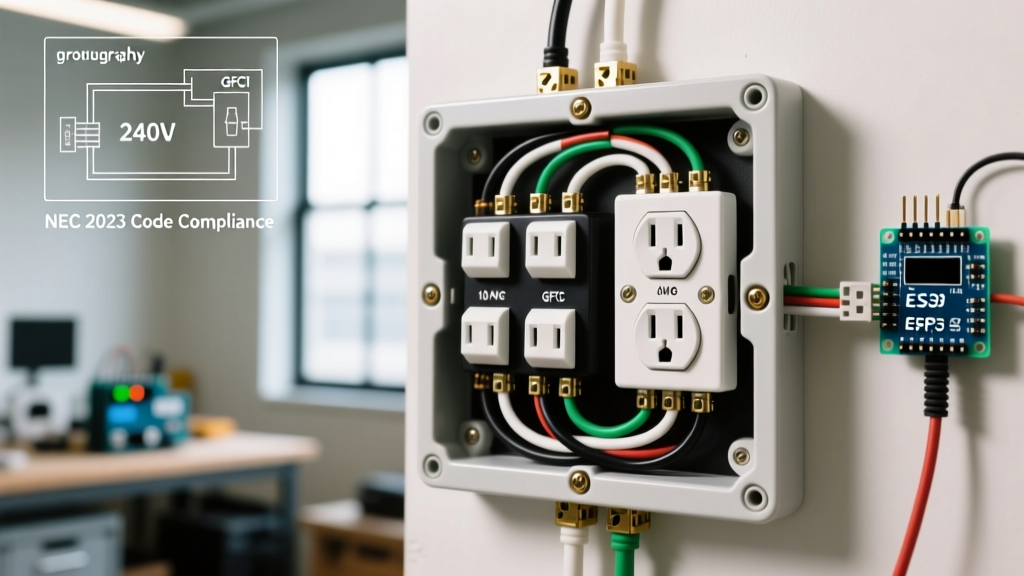
NEC Code Compliance: What the Code Actually Says
The National Fire Protection Association (NFPA) specifically addressed the proliferation of these devices in recent NEC cycles. When installing an electrical outlet and USB charger combo, you must adhere to NFPA 70 (National Electrical Code), specifically Article 406.
Article 406.3(F): The Listing Mandate
NEC Article 406.3(F) explicitly states that receptacles with integral USB chargers must be listed by a Nationally Recognized Testing Laboratory (NRTL) such as UL, CSA, or ETL. This is not a mere suggestion; it is a strict code requirement. The internal switching power supply must meet rigorous dielectric voltage-withstand tests and thermal cutoff standards.
Inspector's Note: If you purchase a 3-pack of USB receptacles from an online marketplace for $12, and they lack a holographic UL or ETL certification mark on the yoke, they are illegal to install under NEC Article 110.2. Using unlisted equipment voids home insurance policies and introduces severe shock and fire hazards.
Tamper-Resistant (TR) Requirements
Just like standard receptacles, any electrical outlet and USB combo installed in dwelling units must be Tamper-Resistant (TR) per Article 406.12. The internal shutter mechanisms must remain fully functional and unobstructed by the internal PCB (Printed Circuit Board) housing the USB transformer.
Thermal Management: The USB-C Power Delivery Challenge
The most significant safety variable in 2026 is heat. Converting 120V AC to 5V-20V DC generates waste heat. Premium models like the Leviton T5633 (USB-C PD, 30W) or the Eaton TR7745 utilize high-efficiency gallium nitride (GaN) or advanced silicon switching regulators to minimize thermal output. Cheap, generic alternatives use older linear regulators or poorly potted transformers that can push internal yoke temperatures past 140°F (60°C) under continuous load.
Component Quality & Thermal Dissipation Matrix
| Feature | Premium NRTL-Listed (e.g., Leviton T5633) | Generic / Unbranded Import |
|---|---|---|
| Average Retail Price | $28.00 - $38.00 | $6.00 - $10.00 (often sold in multi-packs) |
| Thermal Cutoff Switch | Yes (Hardware-level shutoff at ~85°C) | Rarely present; relies on software limits (if any) |
| Standby Power Draw | < 0.10W (DOE Level VI compliant) | 0.50W - 1.2W (Generates phantom heat) |
| PCB Potting / Insulation | Epoxy-potted for moisture and arc resistance | Bare PCB, susceptible to condensation and dust arcing |
| Terminal Torque Rating | Rated for 14 in-lbs (Side-wire only) | Often lacks published torque specs; fragile terminal screws |
For a comprehensive look at how certification marks protect consumers from counterfeit electronics, refer to the UL Mark Guide, which details how to spot fraudulent holographic labels commonly found on imported electrical devices.
Real-World Failure Modes and Edge Cases
Even with a UL-listed electrical outlet and USB combo, improper installation can lead to catastrophic failure. Here are the specific edge cases that cause field failures:
1. The Multi-Wire Branch Circuit (MWBC) Neutral Overload
If you are replacing a receptacle on a Multi-Wire Branch Circuit (two hot wires sharing a single neutral), the high-frequency harmonics generated by the USB receptacle's internal switching power supply can cause unexpected heating on the shared neutral. Furthermore, if the tab on the hot side is broken off to split the receptacle, the physical proximity of the internal USB transformer to the split bus bar can cause localized dielectric breakdown. Best Practice: Avoid installing USB combo receptacles on MWBCs unless the manufacturer explicitly permits split-circuit wiring in their installation sheet.
2. Push-In (Backstab) Connector Failures
The USB transformer draws a continuous, albeit small, baseline current even when no device is plugged into the USB ports. Over years of continuous micro-loading, the spring-tension contacts inside push-in (backstab) connectors can relax, leading to increased resistance, arcing, and eventual melting of the polycarbonate housing. Always use the side-screw terminals.
3. Box Fill and Thermal Derating
A standard 18-cubic-inch single-gang box filled with three 12/2 NM-B cables and a USB receptacle leaves very little air space for heat dissipation. If the box is insulated with spray foam (blocking passive airflow), the ambient temperature inside the box can trigger the receptacle's thermal protection, causing the USB ports to intermittently shut off while the 120V AC outlets remain functional.
Step-by-Step Safe Installation Protocol
To ensure your installation meets 2026 safety standards and passes municipal inspections, follow this precise installation workflow:
- Verify Circuit Capacity: Ensure the branch circuit is not already loaded beyond 80% of its breaker rating. The continuous phantom draw of multiple USB receptacles on a single 15A circuit can add up.
- Strip to Exact Length: Strip the wire insulation exactly to the gauge marked on the back of the yoke (usually 5/8 inch for 12 AWG and 14 AWG). Exposed copper outside the terminal is a shock hazard.
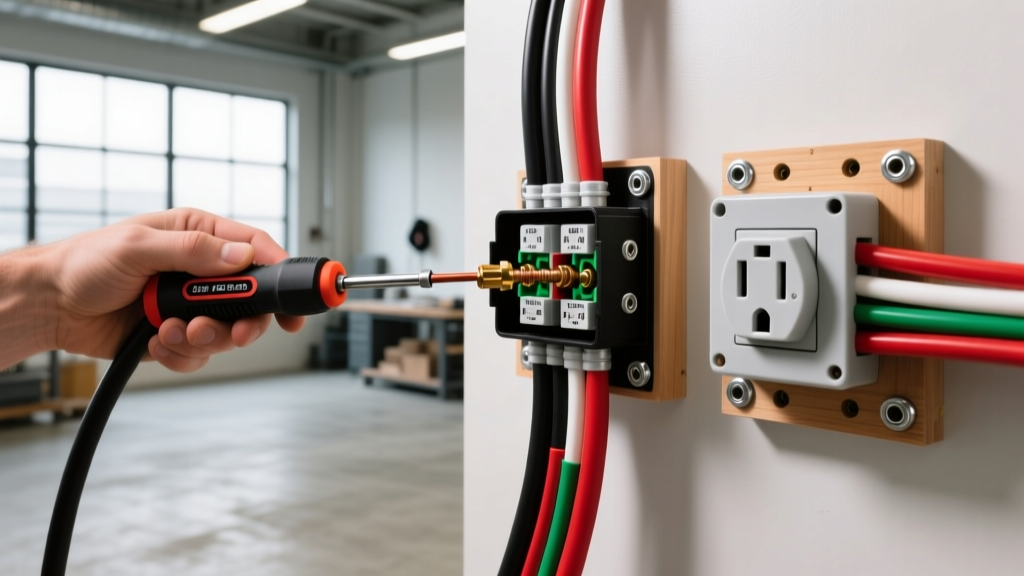
- Side-Wire Only: Form a J-hook in the solid copper wire and loop it clockwise around the terminal screw. Do not use the push-in holes.
- Apply Calibrated Torque: Use an insulated torque screwdriver set to the manufacturer's specification. For most commercial-grade Leviton and Eaton USB receptacles, this is 14 in-lbs. This prevents the screw from loosening due to the thermal expansion and contraction cycles caused by the USB transformer's heat.
- Dress the Wires Carefully: The internal PCB on a USB receptacle makes the device significantly deeper than a standard duplex outlet. Carefully fold the ground and neutral wires into the back corners of the box to avoid pinching the USB transformer housing against the drywall.
Sourcing Authentic Devices and Avoiding Counterfeits
The market is flooded with counterfeit electrical outlets that mimic the aesthetic of premium brands but lack the internal safety fusing. The Consumer Product Safety Commission (CPSC) regularly issues warnings regarding unlisted electrical products that bypass essential safety mechanisms. You can review their electrical safety materials library for ongoing alerts.
How to verify authenticity:
- Check the Yoke Stamp: Look for the 'UL Listed' or 'ETL Listed' mark physically stamped into the metal yoke or molded into the polycarbonate face, not just printed on the cardboard box.
- Weight Test: A genuine 30W USB-C PD receptacle contains heavy copper windings and heat sinks. It should feel noticeably heavier than a standard $1.50 builder-grade receptacle.
- Buy from Authorized Distributors: Purchase from established electrical supply houses (e.g., Graybar, City Electric Supply) or direct from the manufacturer's verified storefronts, avoiding third-party marketplace sellers with unverified inventory.
Final Verdict on Safety and Compliance
An electrical outlet and USB combo is entirely safe and code-compliant if and only if you purchase NRTL-listed devices from reputable manufacturers, respect the thermal limitations of your wall boxes, and terminate the wiring using calibrated torque tools. As USB-C Power Delivery continues to push higher wattages through residential walls, treating these receptacles as complex power supplies rather than simple pass-through devices is the hallmark of a modern, safety-conscious electrical installation.