
The NEC Stance on Receptacle Testing
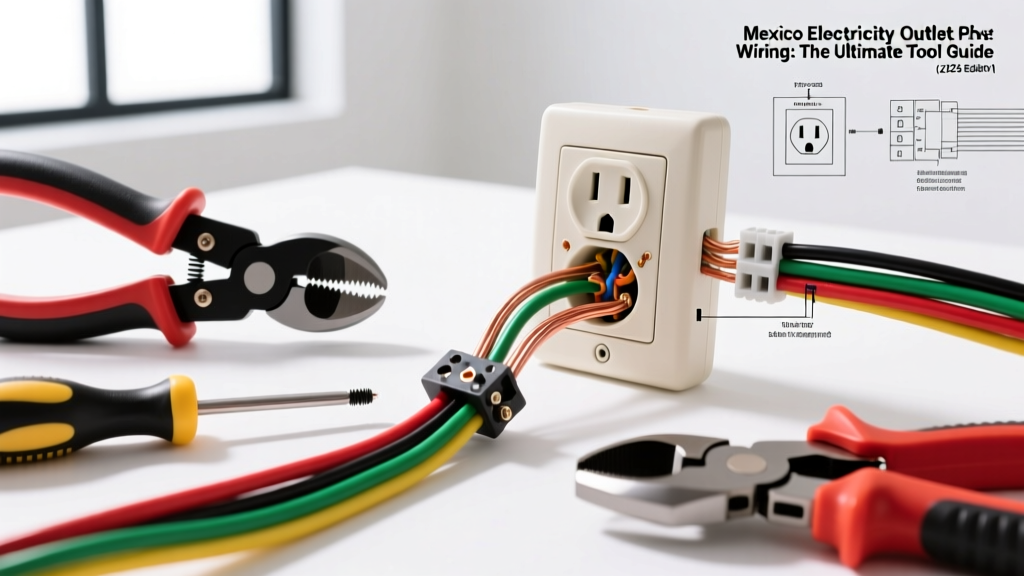
The humble electrical outlet tester—often referred to as a receptacle tester or pigtail tester—is a staple in every DIYer's toolbox and a mandatory item on an electrical inspector's belt. However, there is a pervasive misconception that a standard three-light tester provides a comprehensive verification of National Electrical Code (NEC) compliance. As jurisdictions across the country fully adopt and enforce the NEC 2023 cycle through 2026, understanding the exact limitations and capabilities of these testing devices is critical for safe, code-compliant installations.
The NEC does not explicitly mandate the use of a specific brand or type of three-light tester. Instead, National Fire Protection Association (NFPA) standards focus on the results of the installation. NEC Article 110.3(B) requires equipment to be installed per listing instructions, Article 250 mandates effective grounding paths, and Article 406 dictates receptacle ratings and locations. Inspectors use an electrical outlet tester as a rapid, high-level screening tool to verify these articles, not as a definitive diagnostic instrument for complex fault conditions.
What a Standard 3-Light Electrical Outlet Tester Actually Verifies
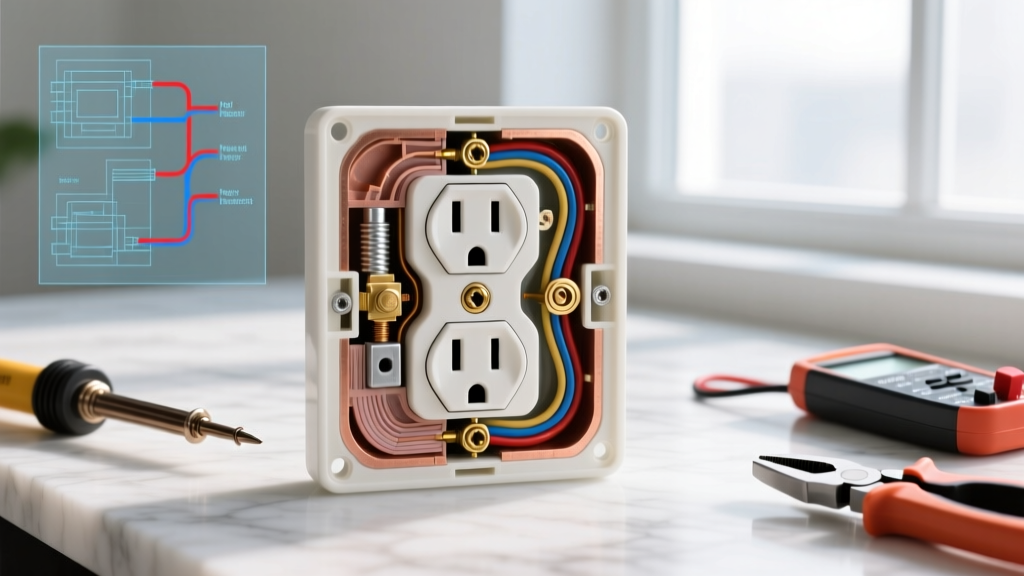
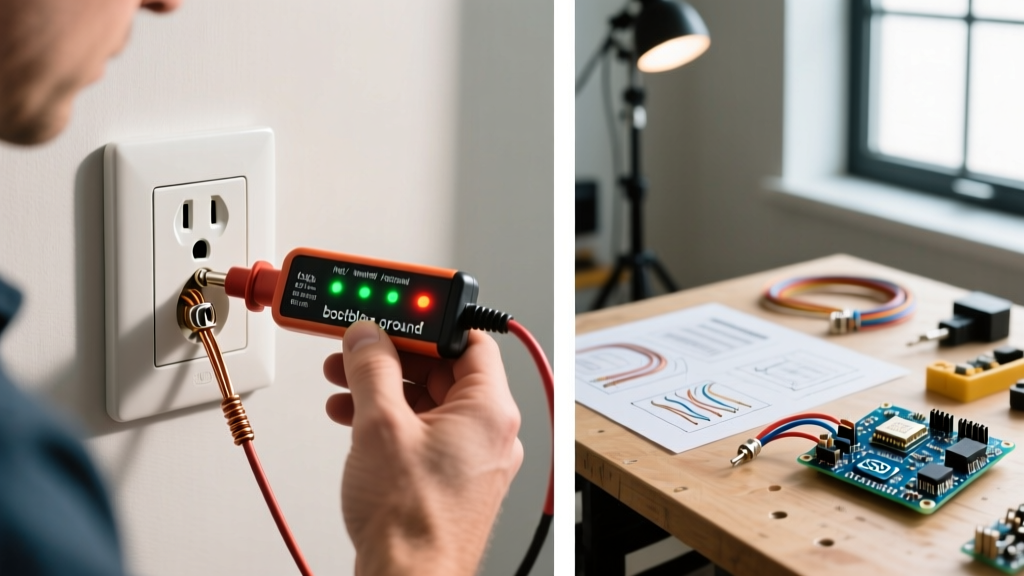
A basic $8 electrical outlet tester (such as the widely used Gardner Bender GRT-501) contains three neon lamps and a high-impedance resistor network. When plugged into a 120V receptacle, it measures the voltage potential between the hot, neutral, and ground slots. It is highly effective at catching gross wiring errors made during rough-in or trim-out phases.
| Indicator Light Pattern | Meaning | Relevant NEC Code Violation |
|---|---|---|
| Yellow-Off-Yellow | Correct Wiring | Passes basic Article 406 screening. |
| Off-Yellow-Yellow | Reverse Polarity (Hot/Neutral Swapped) | Violates NEC 200.10 (Polarity) and 406.4(F). |
| Yellow-Yellow-Off | Open Ground (Missing EGC) | Violates NEC 250.148 (Equipment Grounding Conductor). |
| Off-Off-Yellow | Open Neutral | Violates NEC 300.13 (Continuity of Neutral). |
| Yellow-Off-Off | Open Hot | No power present; circuit incomplete. |
The 'False Pass' Danger: Bootleg Grounds and Code Violations
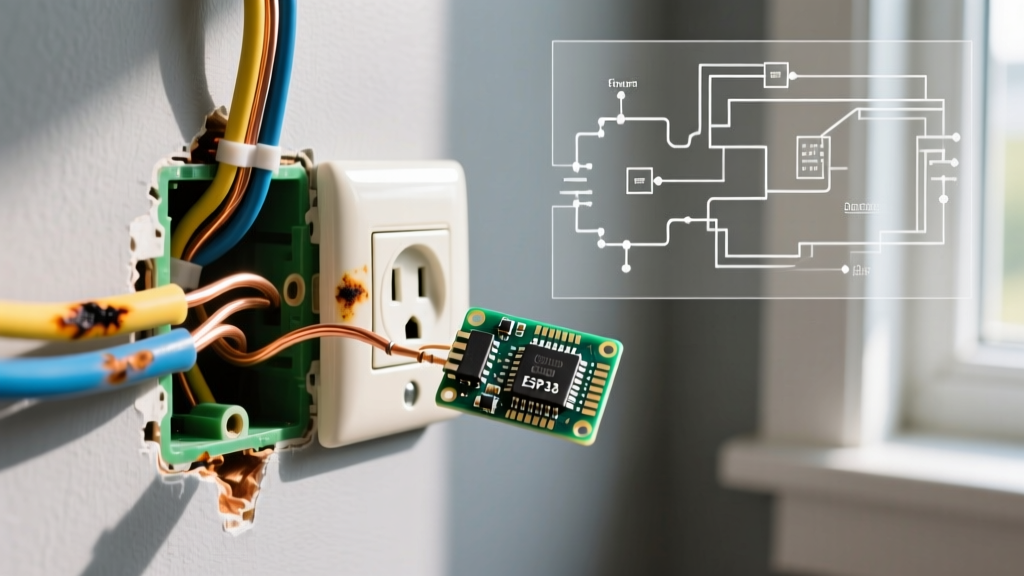
The most critical limitation of a standard electrical outlet tester is its inability to detect a 'bootleg ground.' A bootleg ground occurs when an installer (often an unlicensed handyman attempting to upgrade a 2-prong outlet to a 3-prong outlet) places a jumper wire between the neutral terminal and the ground screw on the receptacle.
Because the neutral and ground are bonded at the main service panel, the tester will read the voltage potential and illuminate the 'Correct Wiring' pattern. However, this is a severe violation of NEC 250.148 and creates a lethal shock hazard. If the neutral wire disconnects anywhere upstream, the metal chassis of any appliance plugged into that receptacle will become energized at 120V, and the breaker will not trip.
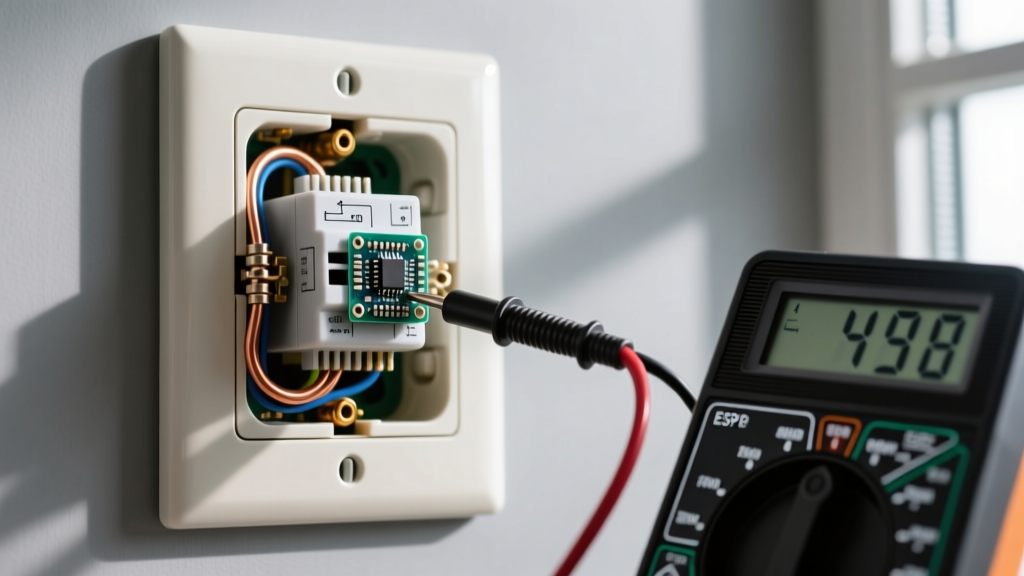
To catch a bootleg ground, code compliance requires verifying the Equipment Grounding Conductor (EGC) path back to the panel. This cannot be done with a standard three-light tester. Professionals use a low-impedance loop tester or a digital multimeter to measure the ground-to-neutral voltage under a loaded condition (typically drawing 10A to 15A). If the voltage rises significantly under load, or if a continuity test reveals a jumper, the installation fails inspection.
GFCI and AFCI Testing Requirements (NEC 2023/2026 Updates)
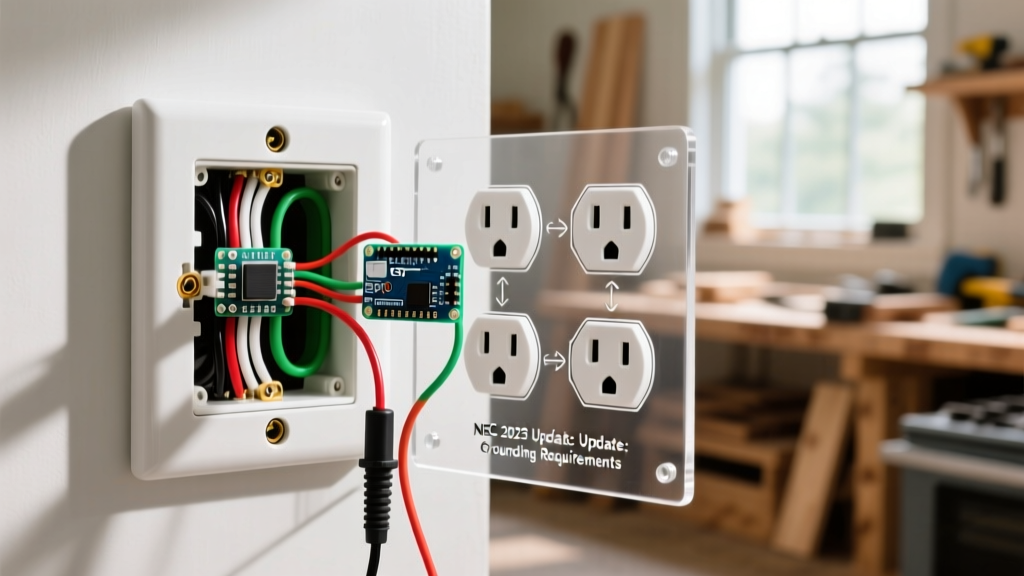
The NEC 2023 vastly expanded Ground-Fault Circuit Interrupter (GFCI) and Arc-Fault Circuit Interrupter (AFCI) requirements, which are strictly enforced in 2026. NEC 210.8 now requires GFCI protection for nearly all 125V, 15A and 20A receptacles in residential dwellings, while NEC 210.12 mandates AFCI protection for almost all branch circuits supplying outlets.
When testing GFCI receptacles, many DIYers rely on the black 'GFCI Test' button found on standard electrical outlet testers. This button works by creating a 6mA to 8mA fault between the hot and ground slots. Here is the code-critical catch: If you are testing a GFCI receptacle that was installed as a retrofit on an older 2-wire system (meaning there is no actual equipment ground present), the tester's button will NOT trip the GFCI because there is no ground path for the fault current to travel.
According to U.S. Consumer Product Safety Commission (CPSC) guidelines and UL 943 standards, a GFCI will still provide life-saving protection without an equipment ground. Therefore, the only NEC-compliant way to verify the trip mechanism on a 2-wire GFCI retrofit is to press the physical 'TEST' button located on the face of the GFCI device itself, which creates an internal hot-to-neutral fault that bypasses the need for a ground wire entirely.
Advanced Tester Comparison Matrix
To meet modern code inspection standards, professionals have moved beyond basic three-light testers. The following matrix compares the diagnostic capabilities of different tiers of electrical outlet testers available in 2026.
| Tester Tier | Example Model | Avg. Cost | Detects Bootleg Grounds? | Tests AFCI/GFCI? | Inspector Grade? |
|---|---|---|---|---|---|
| Basic 3-Light | Gardner Bender GRT-501 | $7 - $12 | No | GFCI only (requires ground) | No (Screening only) |
| Advanced Digital | Klein Tools RT250 | $35 - $45 | No | Yes (Tests AFCI/GFCI via hot-neutral) | Partial (Good for DIY) |
| Professional Circuit Analyzer | Ideal SureTest 61-055 | $140 - $180 | Yes (Measures loop impedance) | Yes (Verifies trip times in ms) | Yes (Required for commercial) |
Step-by-Step: Legally Verifying a Receptacle to NEC Standards
If you are an apprentice, DIYer, or homeowner preparing for a rough-in or final inspection, follow this sequence to ensure your receptacles meet the rigorous demands of the local Authority Having Jurisdiction (AHJ).
- Visual Inspection (NEC 110.12): Before plugging in any tester, remove the faceplate. Verify that the equipment grounding conductor (bare copper or green) is securely fastened to the receptacle's green screw and the metal box (if applicable) per NEC 250.148. Ensure no stranded wire hairs are escaping the terminal screws.
- Initial Screening: Plug in a standard electrical outlet tester to verify correct polarity and continuity. If it reads 'Open Ground,' do not proceed until the EGC is repaired.
- Bootleg Ground Verification: If the tester reads 'Correct' but the home was built before 1965, use a digital multimeter. Measure the voltage between Hot and Ground, then between Neutral and Ground. If both read exactly the same (e.g., 120.0V) down to the decimal, or if a continuity test between the ground and neutral slots beeps, you have a bootleg ground. Tear it out and rewire.
- GFCI/AFCI Trip Testing: For GFCI receptacles, use the built-in 'TEST' button on the device face. For AFCI breakers, press the 'TEST' button on the breaker in the main panel. According to OSHA electrical safety guidelines, relying solely on external tester buttons for AFCI verification can yield false negatives due to the specific arc-signature algorithms used by modern breakers.
- Load Testing: Plug in a high-draw device (like a hair dryer or heat gun) to verify that the circuit does not sag excessively, which could indicate a loose neutral connection upstream that a standard tester cannot detect.
Summary
An electrical outlet tester is an invaluable first line of defense against reverse polarity and open neutrals. However, it is not a substitute for a deep understanding of the National Electrical Code. By recognizing the limitations of high-impedance testing, understanding the mechanics of GFCI/AFCI trip circuits, and utilizing advanced diagnostic tools when necessary, you ensure that your electrical installations are not just functional, but genuinely safe and fully compliant with 2026 code standards.