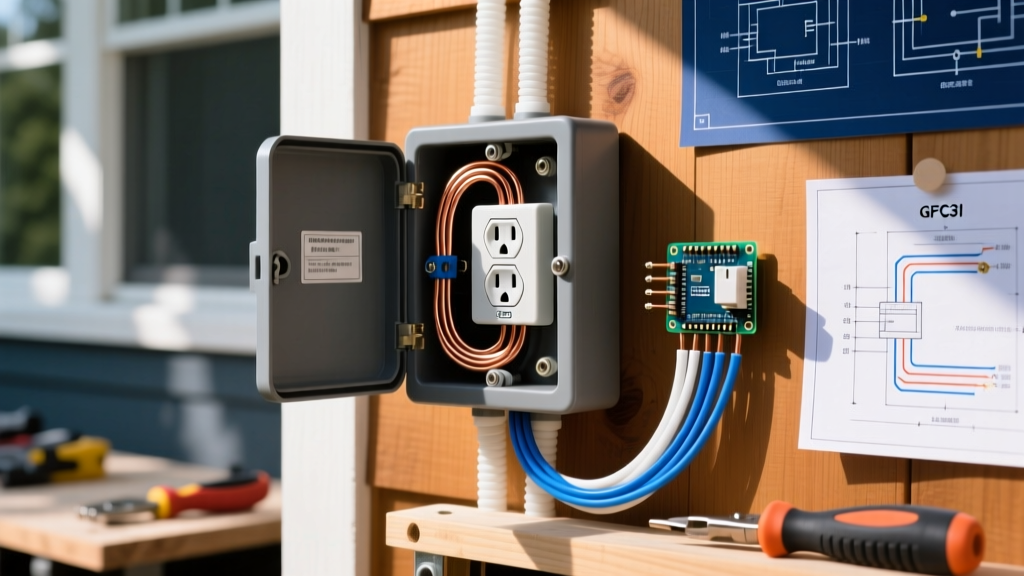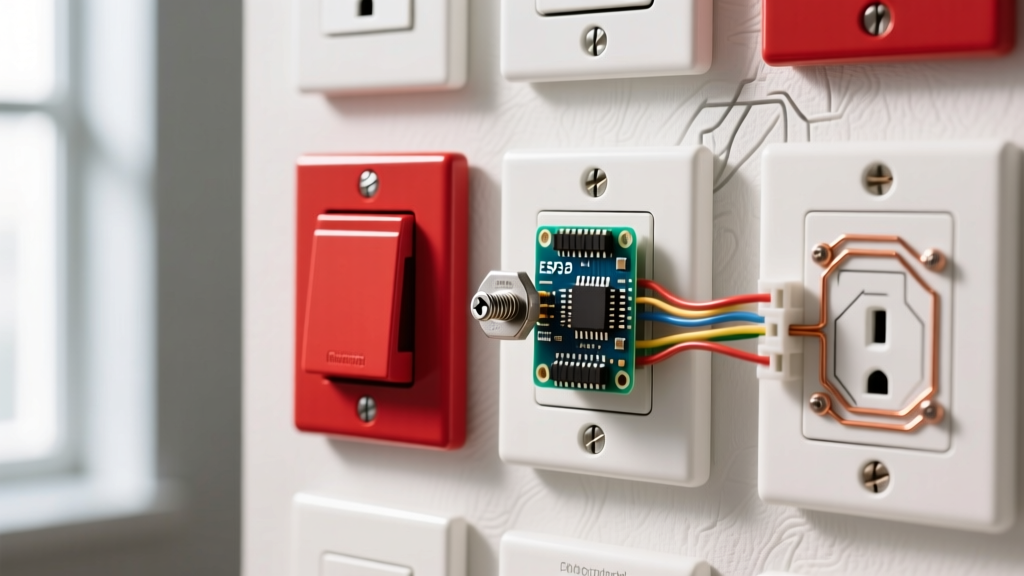

The Evolution of the Electrical Outlet Cover Lock
For decades, the standard approach to childproofing a home involved jamming small plastic prongs into unused receptacles. However, modern safety standards have completely phased out these legacy plug inserts. Not only are they easily removed by determined toddlers, but they also pose a severe choking hazard. Today, upgrading to a dedicated electrical outlet cover lock or a Tamper-Resistant (TR) receptacle is the gold standard for residential and commercial safety.
Whether you are childproofing a nursery, securing outlets in a healthcare facility, or preventing unauthorized equipment use in a commercial space, selecting the right locking mechanism is critical. This 2026 upgrade and replacement guide breaks down the mechanics, installation steps, and code compliance of modern outlet security solutions.
Safety Warning: The U.S. Consumer Product Safety Commission (CPSC) strongly advises against using traditional plastic outlet caps. They are a documented choking hazard and fail to protect children who learn to pull them out by observing adults.
Comparison Matrix: Electrical Outlet Cover Lock Types
Not all locking covers serve the same purpose. Below is a structural comparison of the primary locking mechanisms available on the market today.
| Lock Type | Mechanism | Best Application | Avg. Cost (2026) | Security Level |
|---|---|---|---|---|
| Sliding Cover Lock | Spring-loaded or gravity-fed internal shutters on the faceplate | Residential childproofing, living rooms | $8 - $15 (4-pack) | Moderate (Toddler-proof) |
| Screw-Lock Faceplate | Requires a flathead screwdriver or specialized key to open the shutter | Special needs care, rental properties, offices | $12 - $20 (2-pack) | High (Child & Guest-proof) |
| Plug-In Lock Box | Hard plastic shell encasing the plug, secured by a physical latch or padlock | Medical equipment, sump pumps, aquariums | $15 - $25 (per unit) | Very High (Adult-proof) |
| Weatherproof In-Use Lock | NEMA 3R rated bubble cover with a built-in padlock hasp | Outdoor patios, construction sites, RV parks | $25 - $40 | High (Weather & Theft-proof) |
Top Product Recommendations for Upgrades
1. Best for Childproofing: Safety 1st OutSmart Slide Lock
The Safety 1st OutSmart series replaces your standard duplex faceplate with a spring-loaded sliding cover. When a plug is inserted, the shutter slides up. When removed, it automatically drops down. It requires no tools to operate for adults but demands a complex "pinch-and-slide" motion that defeats most children under age five. It fits standard 3.812-inch center-to-center duplex receptacles.
2. Best for Restricted Access: Wapiti Locking Outlet Cover
If you need to prevent older children, guests, or tenants from using specific outlets (e.g., behind a TV or in a workshop), the Wapiti screw-lock cover is ideal. The faceplate features a rigid polycarbonate shield that can only be flipped open using a flathead screwdriver. This prevents casual unplugging of critical infrastructure like Wi-Fi routers or medical devices.
3. Best for Outdoor Security: TayMac ML500 In-Use Locking Cover
For exterior applications, standard plastic covers degrade under UV exposure and fail to lock. The TayMac ML500 is a die-cast metal, NEMA 3R-rated weatherproof cover featuring an integrated padlock hasp. It accommodates large adapter plugs and prevents both weather intrusion and unauthorized use of outdoor power.
Step-by-Step: Installing a Screw-Lock Outlet Cover
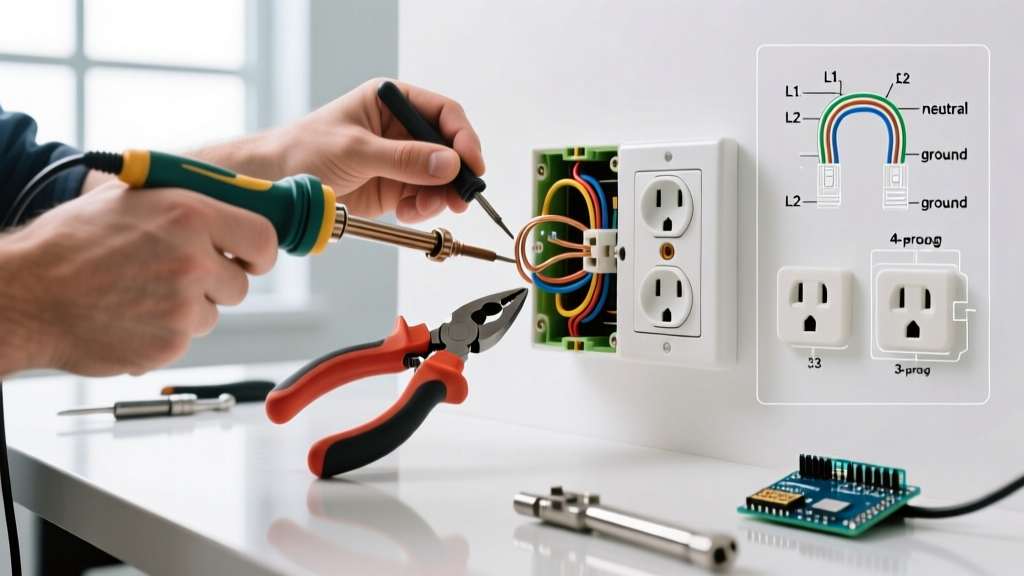
Replacing a standard faceplate with a locking model like the Wapiti or a sliding cover is a straightforward 10-minute task. Follow these steps to ensure a safe, flush installation.
- Cut the Power: Locate your electrical panel and turn off the breaker controlling the circuit. Verify the power is off using a non-contact voltage tester (such as the Klein Tools NCVT-2) by testing both the top and bottom receptacle slots.
- Remove the Existing Faceplate: Use a Phillips-head screwdriver to remove the center mounting screw. Carefully pull the old faceplate away from the wall.
- Inspect the Receptacle and Box: Check the condition of the wires. If the outlet is an older, non-grounded 2-prong model or shows signs of thermal damage (melting/discoloration), replace the receptacle itself before installing the new cover.
- Align the Locking Faceplate: Position the new electrical outlet cover lock over the receptacle. Ensure the internal sliding mechanism or hinge does not bind against the plaster ears of the receptacle.
- Secure the Mounting Screw: Insert the provided 6-32 mounting screw. Pro Tip: Do not over-torque. Tighten until the plate is snug and flush against the wall. Over-tightening can crack polycarbonate locking covers or warp the internal sliding tracks, causing the lock to jam.
- Test the Mechanism: Restore power at the breaker. Insert and remove a standard plug 3 to 4 times to ensure the locking shutter moves freely and seats completely when closed.
The Ultimate Upgrade: Tamper-Resistant (TR) Receptacles
While external locking faceplates are excellent for securing plugs that are already inserted, the National Fire Protection Association (NFPA) and the National Electrical Code (NEC) mandate a more permanent solution for empty receptacles: Tamper-Resistant (TR) Receptacles.
Under NEC Article 406.12, all 15-amp and 20-amp, 125-volt and 250-volt non-locking receptacles installed in residential dwellings must be listed as tamper-resistant. Instead of relying on an external plastic cover, a TR receptacle (like the Leviton T5325-W) features internal spring-loaded shutter plates.
How TR Shutters Work vs. External Locks
- Simultaneous Pressure: The internal shutters only open when equal pressure is applied to both the hot and neutral slots simultaneously. A child attempting to insert a single object (like a paperclip or hairpin) into one slot will be blocked by the shutter.
- No Moving External Parts: Unlike sliding faceplates, TR receptacles have no external tracks to collect dust, paint, or debris, making them vastly superior for long-term reliability.
- Code Compliance: If you are upgrading an older home built before 2008, replacing standard duplex receptacles with TR models is the most code-compliant and permanent safety upgrade you can make, eliminating the need for external electrical outlet cover locks entirely.
Troubleshooting & Edge Cases
Problem: The Sliding Cover Lock is Jamming
Cause: This usually occurs when the faceplate is over-torqued during installation, warping the plastic housing and pinching the sliding track. It can also happen if a painter has sprayed paint into the track.
Fix: Loosen the center mounting screw by a quarter-turn. If paint is the culprit, remove the faceplate and use a plastic-safe electrical contact cleaner to dissolve the paint from the track without melting the polycarbonate.
Problem: The Locking Cover Doesn't Sit Flush
Cause: The receptacle is protruding too far from the electrical box, or the drywall is uneven.
Fix: Use a receptacle spacer (shim) behind the mounting ears to push the receptacle back, or use a deeper "oversized" locking faceplate that accommodates uneven walls.
Problem: Plug Prongs are Too Thick for the Lock Box
Cause: Many modern electronics and power tools use right-angle plugs or oversized transformer blocks that do not fit inside standard plug-in lock boxes.
Fix: Switch to an "In-Use" weatherproof bubble cover (even for indoor use) or use a heavy-duty velcro-style strap lock designed specifically for oversized AC adapters.
Final Thoughts on Home Electrical Security
Upgrading your electrical outlet cover lock system is a low-cost, high-impact safety improvement. For households with toddlers, sliding faceplates or TR receptacles are mandatory. For facility managers, landlords, or parents of older children, screw-lock faceplates provide the necessary barrier against unauthorized use. Always prioritize UL-listed products, verify your power is off before swapping faceplates, and consider the permanent benefits of upgrading to TR receptacles to meet modern NEC standards.
For more comprehensive guidance on securing your home's electrical infrastructure, consult the Electrical Safety Foundation International (ESFI) childproofing resources before beginning any major rewiring projects.