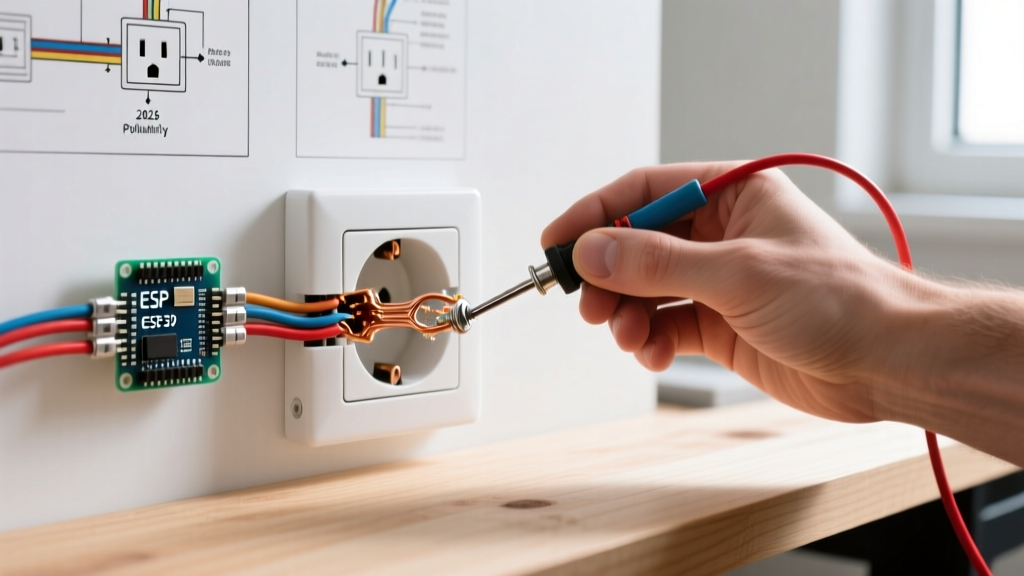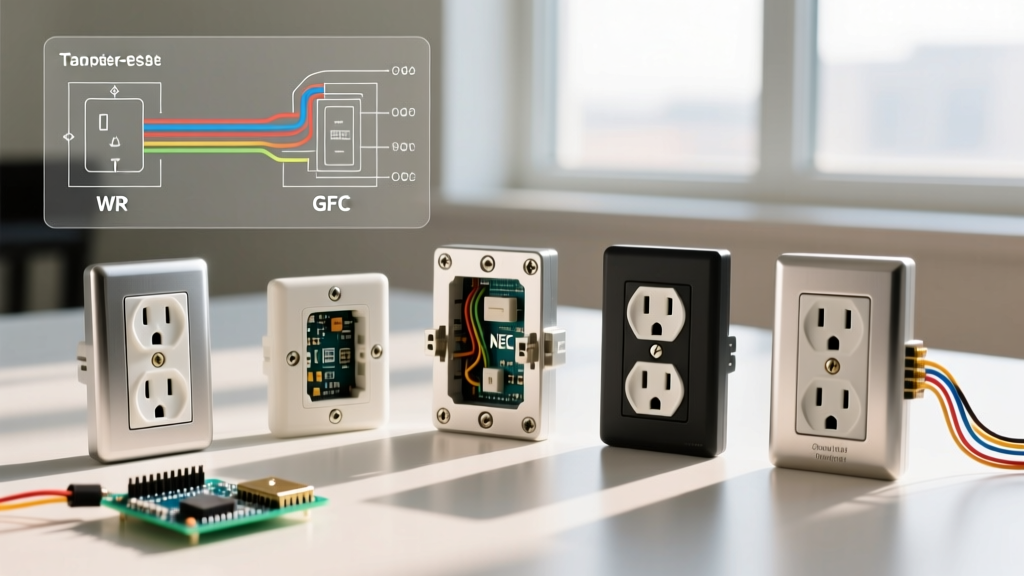

The Evolution of Electrical Outlet Styles and Safety Mandates
When planning a residential wiring project or upgrading an older home, selecting the correct electrical outlet styles is no longer just a matter of matching the wall color. The National Electrical Code (NEC) has evolved significantly, transforming the standard 15-amp duplex receptacle into a highly specialized safety device. As we navigate the 2023 and upcoming 2026 NEC adoption cycles, understanding the exact code compliance requirements for different receptacle types is critical for passing inspections and, more importantly, preventing electrical fires and shocks.
According to the National Fire Protection Association (NFPA), improper receptacle selection and installation remain leading causes of residential electrical anomalies. This guide breaks down the mandatory electrical outlet styles by location, specific product requirements, and the exact installation parameters demanded by modern code.
Core NEC Mandates: Tamper-Resistant and Weather-Resistant
Tamper-Resistant (TR) Receptacles: NEC 406.12
Once an optional upgrade, TR receptacles are now universally mandated in almost all 125-volt, 15- and 20-ampere receptacle locations in dwelling units. The U.S. Consumer Product Safety Commission (CPSC) reports that standard outlets cause thousands of childhood shock injuries annually. TR outlets feature internal spring-loaded shutters that require simultaneous, equal pressure on both prongs (typically 4 to 5 pounds of force) to open.
- Identification: Look for the letters "TR" stamped on the face of the receptacle.
- Edge Case: TR shutters can become stiff in high-dust environments. Never use lubricants; replace the unit if insertion force becomes erratic.
Weather-Resistant (WR) Receptacles: NEC 406.9
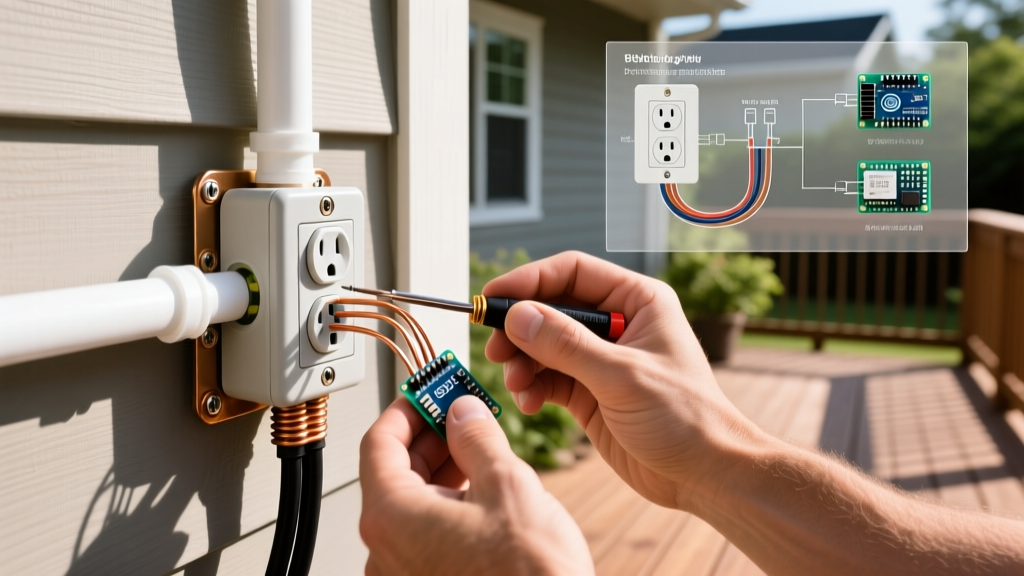
For damp and wet locations, standard TR outlets will fail prematurely due to galvanic corrosion on the internal brass contacts. NEC 406.9(B) requires Weather-Resistant (WR) receptacles in these areas. As detailed in Leviton Residential Receptacle Specifications, WR models utilize UV-resistant thermoplastic face shields and nickel-plated or stainless-steel internal contacts to resist corrosion and humidity degradation.
Mandatory Electrical Outlet Styles by Location (2026 Guide)
The NEC dictates specific outlet styles based on the room's proximity to water, ground, and specific appliance loads. Below is a compliance matrix for modern residential installations.
| Location | Required Outlet Style | NEC Reference | Avg. Retail Cost |
|---|---|---|---|
| Living Room / Bedrooms | 15A TR Duplex | 406.12 | $3.50 - $4.50 |
| Kitchen Countertops | 20A GFCI + TR | 210.8(A)(6), 210.52(B) | $16.00 - $22.00 |
| Bathrooms | 20A GFCI + TR | 210.8(A)(1) | $16.00 - $22.00 |
| Outdoor / Patio | 20A WR + GFCI + TR | 406.9(B), 210.8(A)(3) | $24.00 - $32.00 |
| Laundry Room | 20A GFCI + TR | 210.8(A)(10) | $16.00 - $22.00 |
| Garages & Outbuildings | 20A GFCI + TR | 210.8(A)(2) | $16.00 - $22.00 |
Kitchen Island Receptacles: The 2023/2026 NEC Shift
One of the most significant changes in recent NEC cycles affects kitchen island and peninsular countertop receptacles. Previously, islands required at least one receptacle. Under the 2023 NEC (Section 210.52(C)(2)), if a receptacle is installed to serve an island, it must be a GFCI-protected TR style, but more importantly, the code has heavily restricted how these are mounted to prevent cords from dangling across hot stovetops.
Furthermore, many jurisdictions adopting the 2026 NEC updates are moving toward requiring AFCI (Arc-Fault Circuit Interrupter) protection in kitchens, meaning the breaker feeding these island GFCI/TR receptacles must be a Dual-Function (DF) breaker, or the receptacle itself must be a rare Dual-Function GFCI/AFCI model (such as the Eaton GFNT15-W), which typically retails for $35 to $45. Always verify your local Authority Having Jurisdiction (AHJ) regarding island receptacle mounting heights and AFCI mandates before rough-in.
Modern Specialty Outlet Styles and Code Implications
USB Receptacles (Type A and Type C)
Integrated USB outlets are highly popular, but they introduce complex thermal dynamics into a standard wall box. These devices contain internal switching power supplies that generate heat. Under NEC Article 310.14, if you install a USB receptacle in an insulated exterior wall box, you must account for heat dissipation.
Expert Tip: When installing high-wattage USB-C receptacles (30W to 60W PD models like the Leviton T5636), use a deep 22-cubic-inch wall box rather than a standard 14-cubic-inch box. This provides adequate air volume for heat dissipation and prevents the internal thermal cutoff from tripping during sustained fast-charging sessions.
Smart and Wi-Fi Receptacles
Smart outlets require a constant neutral connection to power their internal radios. A critical code violation occurs when DIYers attempt to install smart receptacles in older homes (pre-1960s) where switch loops or older receptacle drops lack a dedicated neutral wire. Furthermore, smart receptacles must be listed to UL 1449 (Surge Protective Devices) if they include integrated surge suppression, which requires specific grounding continuity verification.
The Hidden Code Requirement: Torque Specifications
Selecting the correct electrical outlet styles is only half the battle; terminating them correctly is where most failures occur. NEC 110.14(D) strictly mandates the use of a calibrated torque tool when tightening terminal screws on receptacles.
- Identify the Wire Gauge: Most residential branch circuits use 14 AWG or 12 AWG solid copper wire.
- Check the Receptacle Markings: Modern TR and GFCI receptacles stamp the required torque directly on the yoke (e.g., "14 in-lbs").
- Apply Calibrated Torque: Use a tool like the Wiha 32086 (0-60 in-lb) or Klein Tools equivalent torque screwdriver. Overtightening strips the brass threads or cracks the thermoplastic housing, while undertightening causes high-resistance connections that lead to arcing and thermal runaway.
Common Code Violations to Avoid
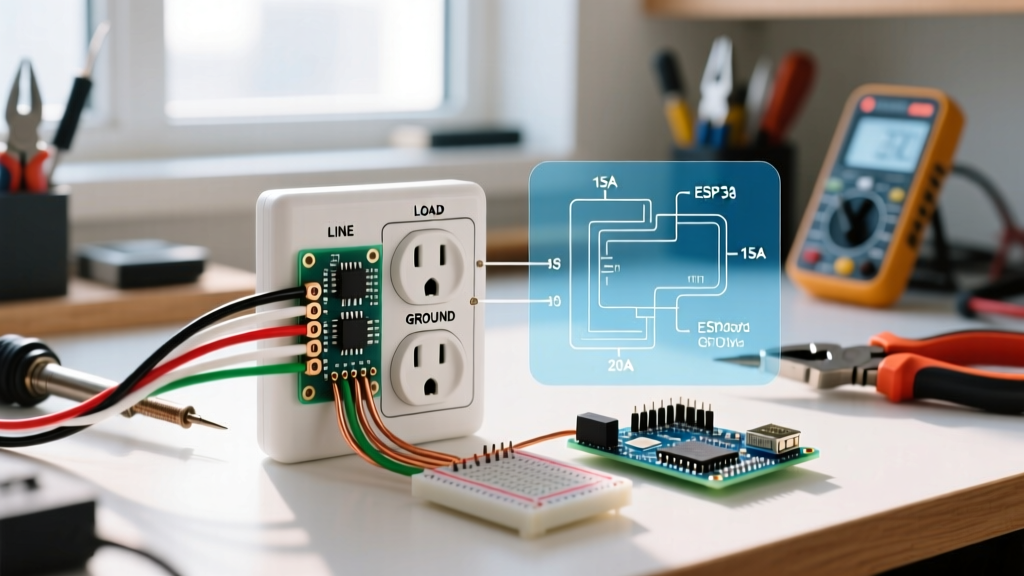
- Daisy-Chaining GFCIs: Wiring a GFCI receptacle to the "LOAD" terminals of another GFCI. This causes nuisance tripping and makes troubleshooting impossible. Use the "LINE" terminals for downstream standard TR receptacles.
- Using Standard TR in Wet Locations: Failing to use WR-rated outlets outdoors, even if they are protected by a weatherproof "in-use" bubble cover. The cover is secondary protection; the receptacle itself must be WR.
- Push-In Backstab Connections: While UL-listed, push-in backstab terminals on 15A receptacles are notorious for high-resistance failures over time. Code inspectors and master electricians universally require side-wire screw termination or properly torqued back-wire clamps for 12 AWG wire.
Final Safety Directives
Upgrading your home's electrical outlet styles to meet current NEC standards is an investment in life safety and property protection. Always verify local municipal amendments to the NEC, as some jurisdictions adopt specific GFCI or AFCI requirements ahead of the national cycle. When in doubt, consult a licensed master electrician and ensure all work is permitted and inspected.