
Immediate Safety Protocol: Assessing the Spark
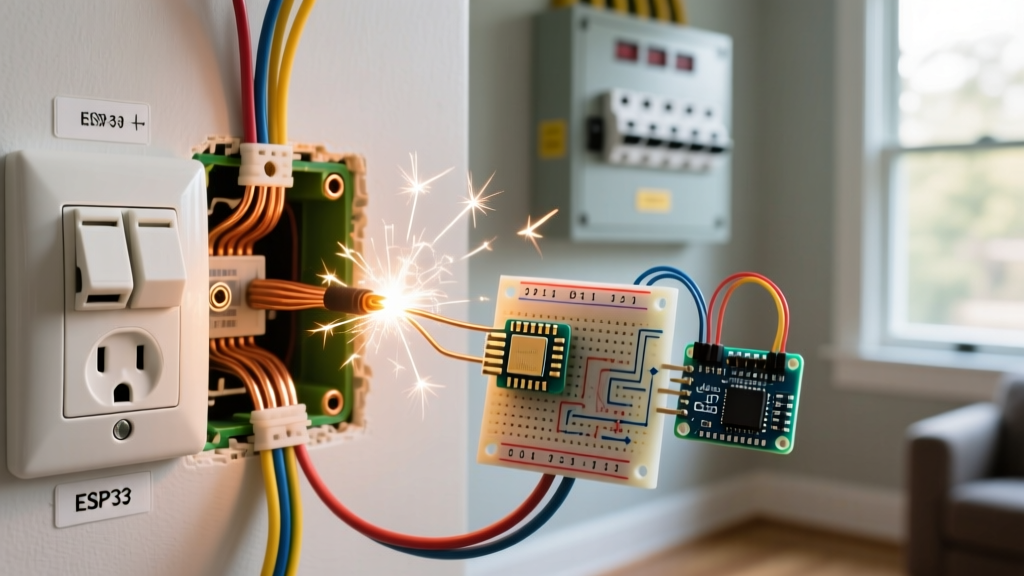
Witnessing electrical outlet sparking can be a jarring experience, but not all sparks indicate an imminent house fire. As a homeowner or DIY electrician, your first step is to categorize the event. If the spark is large, orange or yellow, accompanied by a popping sound, or emits an acrid, fishy odor, you are witnessing a high-resistance arc fault. Immediately locate your main electrical panel and shut off the breaker controlling that circuit. Do not touch the receptacle faceplate, as the internal brass contacts may be exceeding 400°F, enough to cause severe contact burns or ignite surrounding drywall paper.
According to the Electrical Safety Foundation International (ESFI), electrical distribution and lighting equipment failures account for nearly 9% of all home structure fires. Understanding the physics behind the arc and the National Electrical Code (NEC) compliance requirements is critical to mitigating these risks in 2026.
The Physics of Receptacle Arcing: Normal vs. Hazardous
When you plug in a high-draw appliance—such as a vacuum cleaner, space heater, or power saw—with the device's internal switch already in the 'ON' position, the sudden demand for current can ionize the air gap between the plug prongs and the receptacle contacts milliseconds before physical contact is made. This results in a brief, microscopic blue or white spark. This is a normal phenomenon known as 'load draw micro-arcing' and is generally harmless if the receptacle contacts are tight and clean.
However, hazardous sparking occurs due to thermal runaway and contact degradation. When a wire termination is loose, or the internal brass wipers of the receptacle have lost their spring tension, the electrical resistance at the connection point increases. According to Joule's Law of Heating, this resistance generates intense, localized heat. Over months of thermal cycling (heating and cooling), the metal expands and contracts, further loosening the connection. This creates a sustained, high-temperature arc that can easily exceed 10,000°F, vaporizing copper and igniting the surrounding polycarbonate or PVC insulation.
Diagnostic Matrix: Decoding Your Electrical Outlet Sparking
Use the following diagnostic table to determine the severity of the sparking event and the required remediation strategy.
| Spark Characteristic | Visual / Sensory Clues | Underlying Cause | NEC Risk Level |
|---|---|---|---|
| Micro-Arc (Normal) | Pinpoint blue/white flash; instantaneous; no odor. | Plugging in a live load; air ionization. | Low (No Action) |
| Loose Termination | Orange/yellow spark; intermittent; slight ozone smell. | Side-wire screw not torqued to spec; thermal cycling. | High (Repair Required) |
| Push-In (Backstab) Failure | Sparking when wiggling plug; warm faceplate. | Internal spring fatigue; high-resistance joint. | Critical (Replace Receptacle) |
| Moisture / Short Circuit | Loud pop; bright flash; breaker trips instantly. | Water ingress; hot-to-neutral or hot-to-ground fault. | Severe (Inspect Wiring) |
| Arc Fault (Imminent Fire) | Sustained buzzing; fishy/burning plastic odor; melting. | Severe contact degradation; carbon tracking. | Emergency (Kill Power) |
NEC Code Compliance & Hidden Violations
As of 2026, Authorities Having Jurisdiction (AHJs) and insurance inspectors are heavily scrutinizing older receptacle installations for code violations that exacerbate sparking hazards. If your outlet is sparking, it likely violates one of the following NEC articles:
1. NEC 110.14(D): Torque Specifications
Introduced in the 2017 NEC and strictly enforced today, this section requires that all screw-type connections be tightened to the manufacturer's specified torque using a calibrated torque screwdriver. Guessing the tightness by hand is no longer acceptable. A standard 15-amp Leviton receptacle typically requires 14 in-lbs of torque for 14 AWG wire and 16 in-lbs for 12 AWG wire. Under-torquing leads to the exact thermal cycling that causes hazardous sparking.
2. NEC 210.12: Arc-Fault Circuit Interrupter (AFCI) Protection
If a loose connection is causing sustained arcing, a standard thermal-magnetic breaker will not trip, as the current draw remains below the 15-amp or 20-amp threshold. AFCI breakers and receptacles are designed to detect the unique high-frequency signature of an arc fault and cut power before ignition occurs. All living areas, bedrooms, and kitchens now mandate AFCI protection.
3. NEC 406.12: Tamper-Resistant (TR) Receptacles
While primarily designed to prevent children from inserting foreign objects, TR shutters also require firm, simultaneous pressure to open. This mechanical resistance can sometimes mask a failing internal contact, making it harder to detect a loose plug fit until sparking begins.
Step-by-Step Remediation: Fixing the Spark Safely
WARNING: The U.S. Consumer Product Safety Commission (CPSC) strongly advises that any electrical work involving wire termination be performed with the circuit de-energized and verified with a non-contact voltage tester and a multimeter.
Step 1: Lockout and Verify
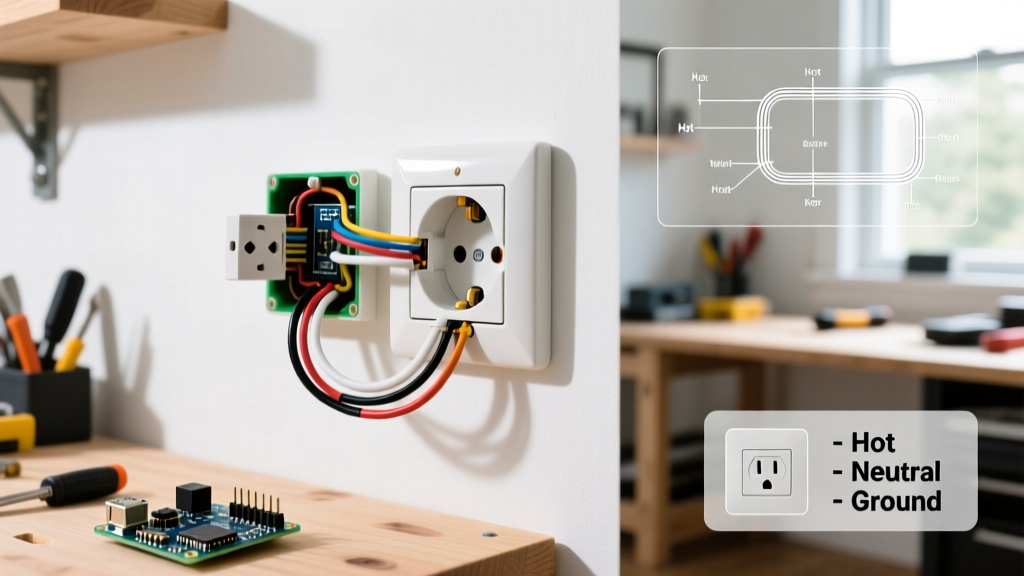
Turn off the breaker and apply a physical lockout tag to prevent accidental re-energization. Test the receptacle with a CAT III or CAT IV rated multimeter, checking Hot-to-Neutral, Hot-to-Ground, and Neutral-to-Ground to ensure zero voltage.
Step 2: Inspect for Thermal Damage
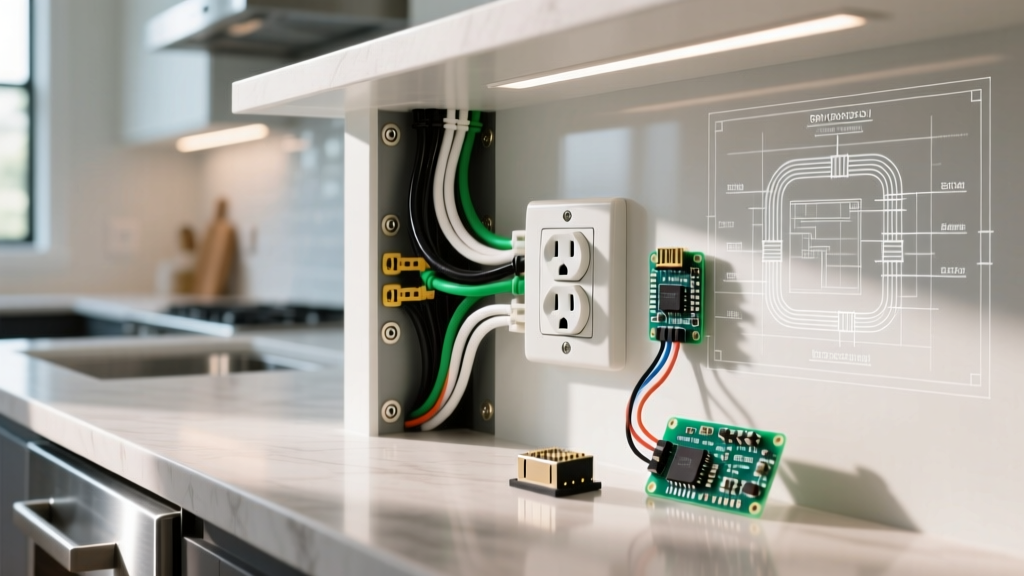
Remove the faceplate and unscrew the receptacle. Inspect the polycarbonate yoke and the internal brass contacts. If you see brown scorch marks, melted plastic, or blued (annealed) copper wire, the receptacle is compromised and must be discarded. Do not attempt to salvage heat-damaged components.
Step 3: Re-Terminate Using Proper Technique
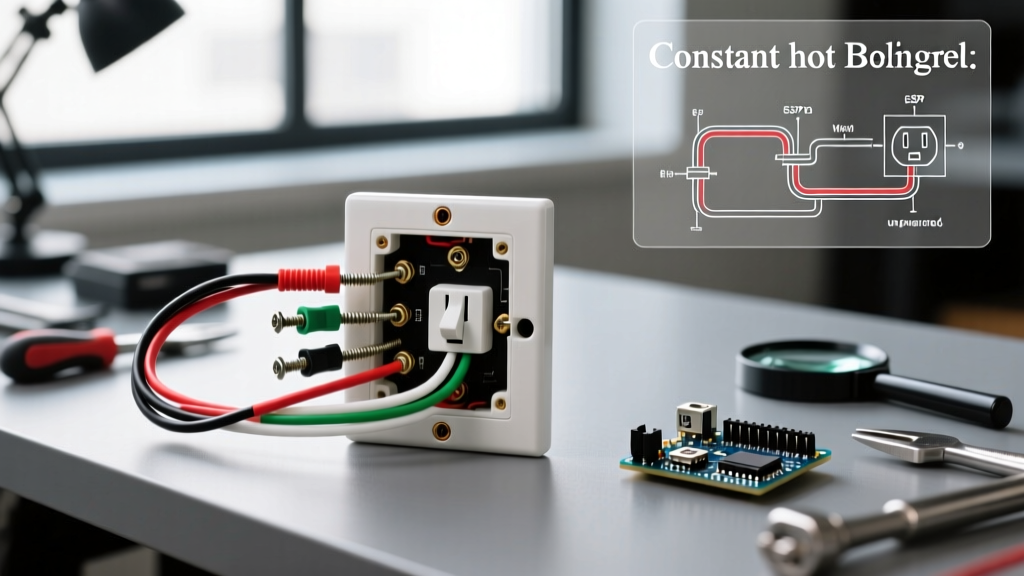
Avoid 'backstabbing' (push-in terminals) entirely. The spring-loaded contacts inside standard residential receptacles are notorious for losing tension over time. Instead, use the side-wiring screws or the internal screw-clamp plates found on commercial-grade receptacles.
- Strip the wire: Use a precision wire stripper (like the Ideal 45-122) to expose exactly 3/4 inch of copper, ensuring no nicks in the conductor which create weak points for arcing.
- Form the hook: Create a clockwise hook with needle-nose pliers so the screw pulls the wire tighter as it is torqued down.
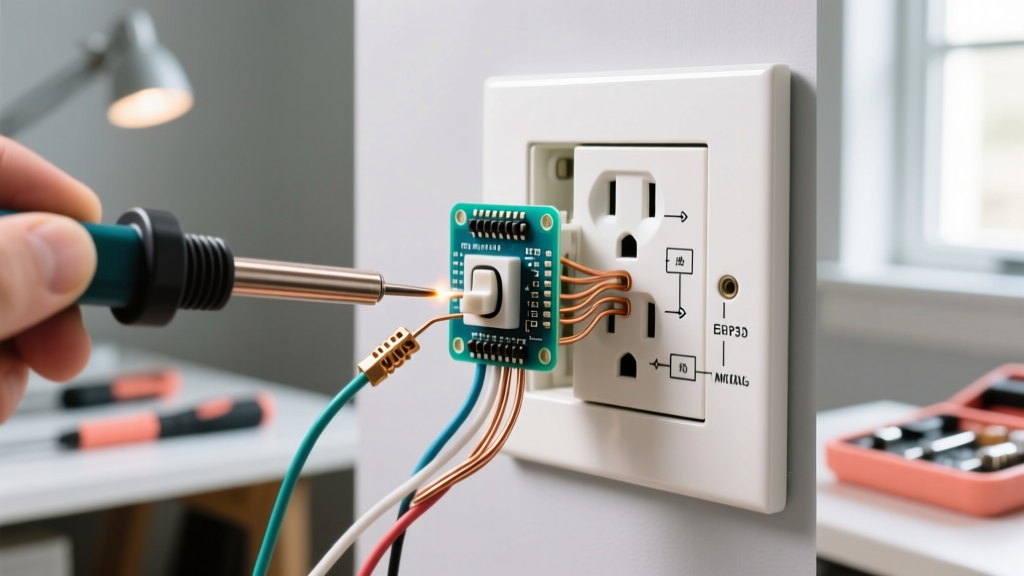
- Apply Torque: Use a torque screwdriver (e.g., Klein Tools 11902) set to the manufacturer's specification (usually 14-16 in-lbs).
Step 4: Upgrade to Commercial-Grade Receptacles
Replace builder-grade $1 receptacles with commercial-grade models like the Leviton ProGrade 5262-S or Hubbell 5262-I. These cost between $4.50 and $6.00 each but feature thicker brass wipers, glass-filled nylon faces that resist melting up to 850°C, and back-wire clamps that provide superior surface area contact compared to side-screws.
Cost & Material Breakdown (2026 Pricing)
Investing in the correct tools and materials prevents catastrophic property damage. Below is a realistic cost breakdown for a proper, code-compliant remediation.
| Item / Tool | Estimated Cost | Purpose & E-E-A-T Note |
|---|---|---|
| Commercial Receptacle (TR/AFCI) | $4.50 - $18.00 | TR for safety; AFCI if panel lacks arc-fault breakers. |
| Torque Screwdriver (Klein 11902) | $135.00 - $150.00 | Mandatory for NEC 110.14(D) compliance. |
| Non-Contact Voltage Tester | $25.00 - $35.00 | Essential for initial LOTO verification. |
| WAGO 221 Lever Nuts (if splicing) | $0.60 / each | Superior to wire nuts for preventing loose neutral pigtails. |
| Licensed Electrician (Service Call) | $150.00 - $250.00 | Required if thermal damage has extended into the wall cavity. |
When to Call a Professional
If the sparking has caused the drywall behind the electrical box to become brittle, discolored, or warm to the touch, the damage has escaped the junction box. Furthermore, if your home utilizes aluminum branch wiring (common in the late 1960s and 1970s), standard copper-rated receptacles will cause galvanic corrosion and severe arcing. Aluminum wire requires CO/ALR rated receptacles and the application of Noalox anti-oxidant paste. In these scenarios, consult a licensed master electrician to perform a thermal imaging scan of the circuit and ensure full compliance with the latest National Electrical Code standards.