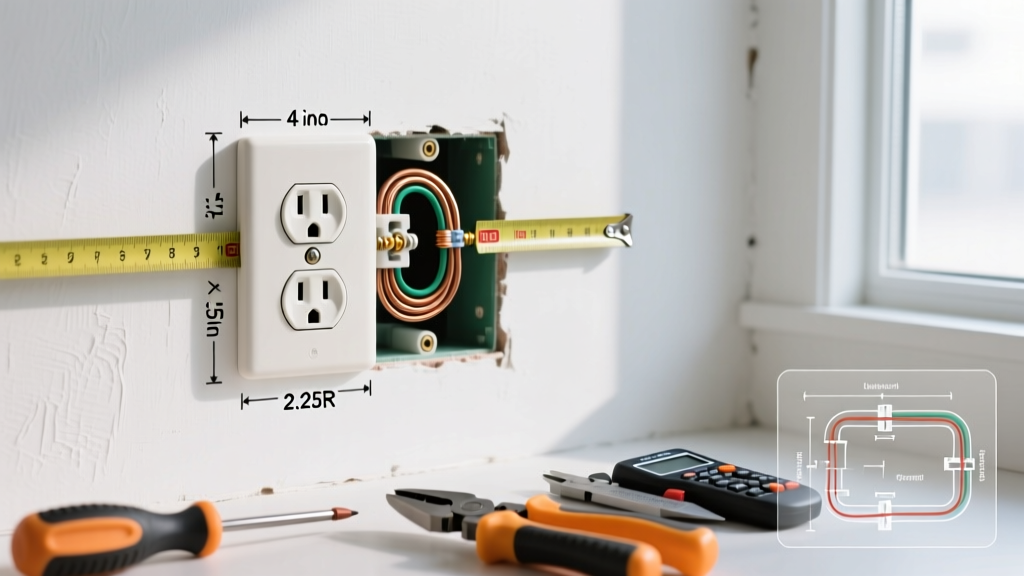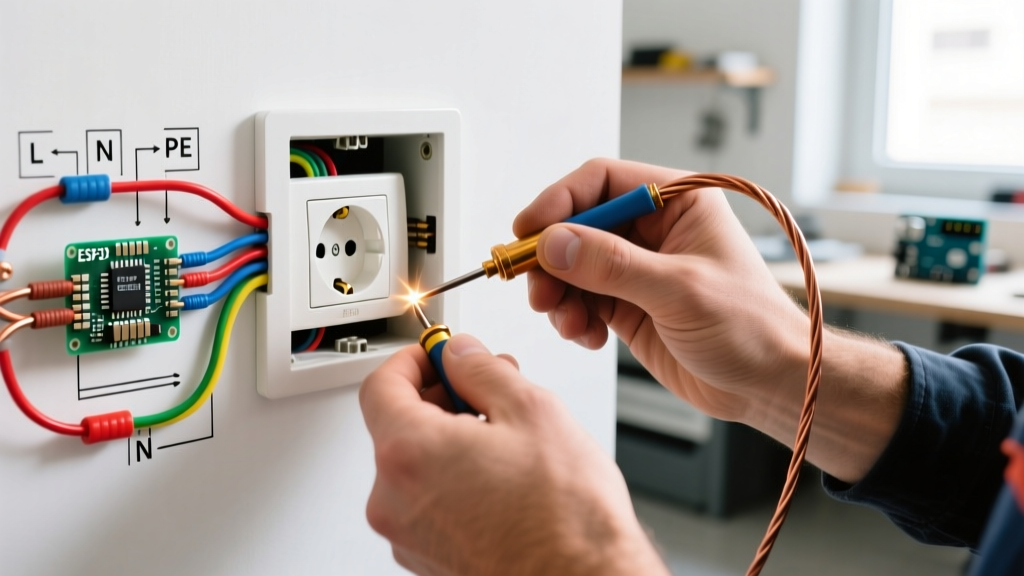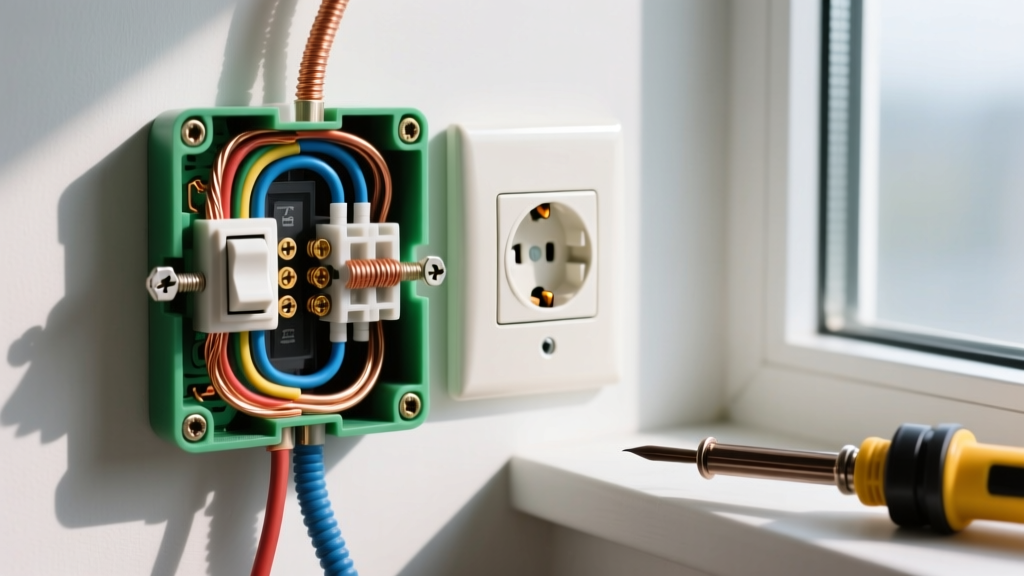

The Anatomy of an Electrical Outlet Reset Button
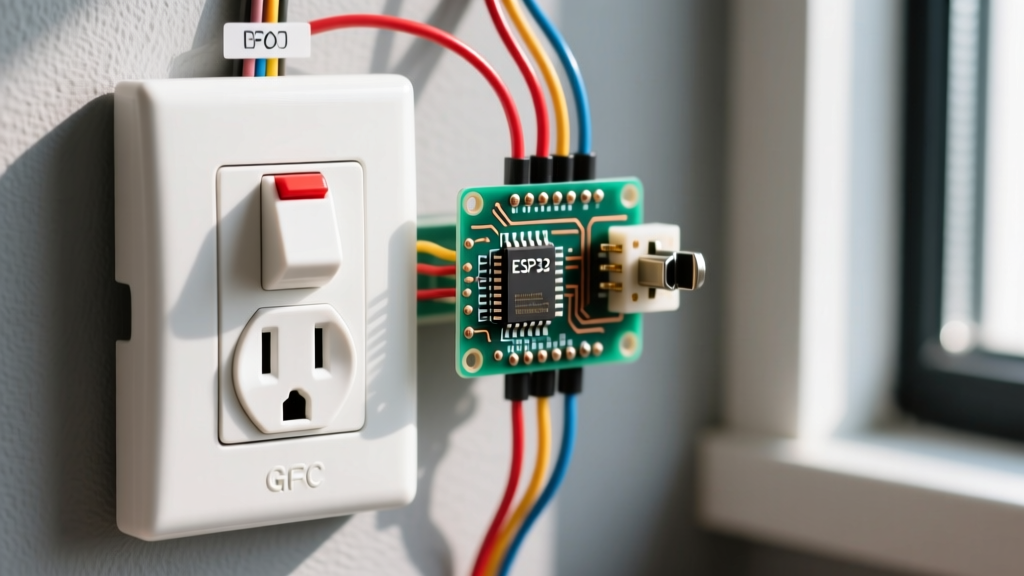
When a homeowner refers to an electrical outlet reset button, they are almost exclusively talking about the dual-button interface found on Ground Fault Circuit Interrupter (GFCI), Arc Fault Circuit Interrupter (AFCI), or Dual Function (DF) receptacles. These devices are not standard outlets; they are localized, solid-state circuit breakers designed to monitor electrical current imbalances and interrupt the circuit within 25 to 40 milliseconds to prevent fatal shocks or electrical fires.
Understanding why the reset button pops—and more importantly, why it refuses to stay reset—requires a firm grasp of the underlying sensor technology and the National Electrical Code (NEC) mandates that govern their installation. According to the Consumer Product Safety Commission (CPSC), GFCIs have prevented thousands of electrocutions since their widespread adoption, but their internal solid-state components degrade over time, leading to nuisance tripping or total failure.
Receptacle Protection Types: A Comparison Matrix
| Device Type | Primary Hazard Detected | Trip Threshold / Mechanism | Common Locations (NEC 2023/2026) |
|---|---|---|---|
| GFCI Receptacle | Ground Fault (Shock Hazard) | 4 to 6 milliamps (mA) current imbalance between hot and neutral | Bathrooms, kitchens, garages, outdoors, crawlspaces |
| AFCI Receptacle | Arc Fault (Fire Hazard) | Detects high-frequency arcing signatures (parallel/series arcs) | Bedrooms, living rooms, hallways, closets |
| Dual Function (DF) | Both Ground & Arc Faults | Combines 4-6mA ground fault sensor with microprocessor arc detection | Kitchens, laundry rooms (where both codes overlap) |
NEC Code Compliance: Where Reset Buttons Are Mandated
The National Fire Protection Association (NFPA) continually updates the NEC to expand life-safety protections. Under NEC Article 210.8, GFCI protection (the standard electrical outlet reset button for shock protection) is strictly required for all 125-volt through 250-volt receptacles supplied by single-phase branch circuits rated 150 volts or less to ground, and 50 amperes or less in specific damp or high-risk areas.
Code Insight: As of the 2023 NEC (and carried into proposed 2026 adoptions), GFCI requirements have expanded significantly. They now mandate protection in areas previously overlooked, including all crawl spaces, unfinished basements, and within 6 feet of the outside edge of a kitchen sink. If you are replacing an old, non-resettable standard receptacle in these zones, you are legally required by code to upgrade to a GFCI or use a GFCI circuit breaker.
Conversely, NEC Article 210.12 governs AFCI protection. While AFCI protection is often handled at the breaker panel, branch-circuit AFCI receptacles (which feature a reset button, usually accompanied by a blue or green test button) are permitted as an alternative when installed at the first outlet in the branch circuit. Dual Function (DF) receptacles, such as the Leviton AFGF1-W (retailing around $38-$42), are increasingly common in kitchens and laundry rooms where both Article 210.8 and 210.12 overlap.
Why Your Electrical Outlet Reset Button Keeps Tripping
A tripping reset button is not a defect; it is the device doing its job. However, if the button trips immediately upon resetting or refuses to latch, you are dealing with one of four primary failure modes:
- Active Ground Fault: Current is escaping the intended path (hot-to-neutral) and flowing to ground. This is often caused by a failing appliance (like a refrigerator with a degraded compressor winding) or moisture ingress in an outdoor junction box.
- Neutral-to-Ground Short: GFCI sensors monitor the differential between the hot and neutral wires. If the neutral wire touches a ground wire or the metal junction box anywhere downstream on the 'LOAD' side, the sensor detects an imbalance and trips the reset button, even if no appliance is drawing current.
- Line/Load Reversal: If the incoming power wires are connected to the 'LOAD' terminals instead of the 'LINE' terminals, modern Smartlock GFCIs (built after 2006 per UL 943 standards) will intentionally lock out. The reset button will physically refuse to click into place, and the outlet will remain dead.
- End-of-Life (EOL) Internal Failure: The internal metal-oxide varistors (MOVs) and sensing coils degrade due to power surges and heat. Post-2006 models feature an EOL lockout mechanism. If the internal circuit board fails, the reset button is mechanically disabled to prevent a false sense of security.
Expert Diagnostic Flow: Isolating the Fault
Before replacing a perfectly good $18 Leviton SmartlockPro GFNT1-W receptacle, electrical professionals use a systematic isolation process to determine if the fault lies in the outlet itself or the downstream wiring.
Step 1: The Downstream Isolation Test
Unplug every single device from the tripping GFCI and all standard outlets downstream of it (those wired to the LOAD terminals). Attempt to reset the button. If it holds, the fault is an appliance. Plug them back in one by one until the button trips to identify the culprit. Common offenders include aging sump pumps, dusty shop-vacs, and refrigerators with failing defrost heaters.
Step 2: Multimeter Verification (Line vs. Load)
If the outlet won't reset with nothing plugged in, turn off the breaker and pull the receptacle from the box. Verify the wiring:
- LINE Terminals (Brass/Black screws): Must connect to the incoming power from the panel.
- LOAD Terminals (Silver/White screws): Must connect to the downstream cables feeding other outlets.
Use a non-contact voltage tester or a multimeter set to AC Voltage (120V) to confirm the incoming hot wire is on the LINE terminal. If power is entering the LOAD terminal, the device is miswired and will lock out.
Step 3: Checking for Shared Neutrals (MWBC Edge Case)
A frequent cause of 'ghost tripping' in older homes is the Multi-Wire Branch Circuit (MWBC) where two hot wires share a single neutral. If a GFCI is installed on one of the hot legs, but the downstream neutral is shared with the other hot leg, the GFCI will see the returning current from the second leg as a 'ground fault' and instantly trip the reset button. Fix: MWBCs require a 2-pole GFCI breaker at the panel, or the shared neutral must be abandoned and a dedicated neutral pulled for the GFCI circuit.
When to Replace: Lifespan and Indicator Lights
According to the U.S. Department of Energy, GFCIs should be tested monthly using the TEST button. However, their operational lifespan is typically 10 to 15 years. Environmental factors like high humidity in bathrooms or temperature fluctuations in garages can reduce this lifespan to under 7 years.
Modern receptacles utilize LED indicators to communicate their status. While colors vary by manufacturer (Leviton, Square D, Pass & Seymour), the general logic applies:
- Solid Green / Off: Normal operation, reset button is engaged, protection is active.
- Solid Red: Device is tripped. Press the reset button to restore power.
- Flashing Red / No Reset: End-of-Life (EOL) detected. The internal sensor has failed. The device must be replaced immediately.
Safety Warning: Bypassing the Reset Mechanism
Never attempt to bypass a faulty electrical outlet reset button by hardwiring the circuit or replacing a GFCI with a standard receptacle to 'stop the annoying tripping.' Doing so violates NEC Article 210.8, voids your home insurance policy, and removes the critical 25-millisecond shock protection required in wet or grounded locations. If a GFCI trips repeatedly and downstream wiring has been ruled out via multimeter testing, the solid-state relay inside the receptacle has failed. Cut the power at the panel, disconnect the LINE and LOAD wires, and install a UL-listed replacement rated for 20-Amp or 15-Amp feed-through as required by your specific branch circuit breaker.