
Why It Is Time to Upgrade Your Electrical Outlet Receptacle Tester
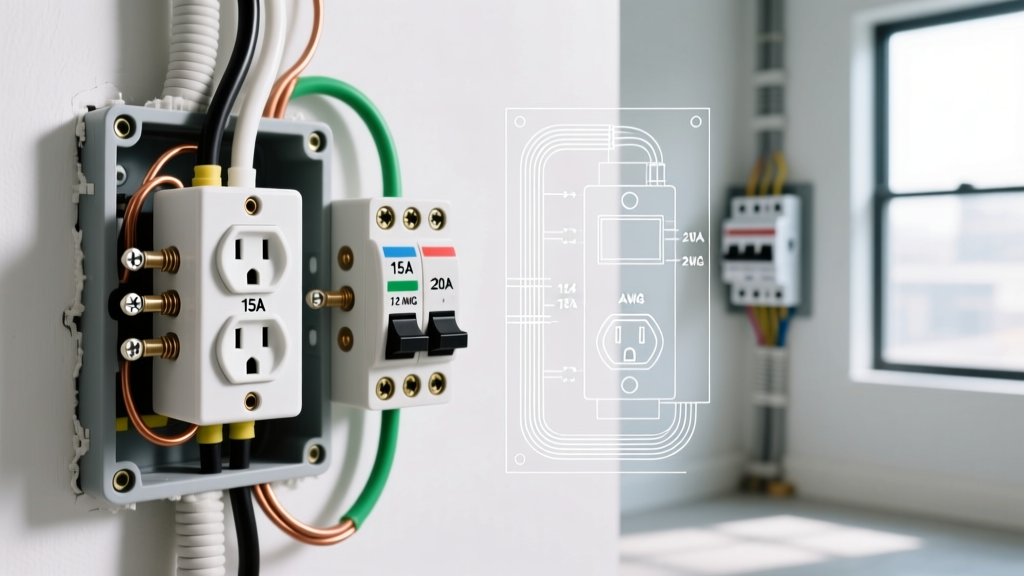
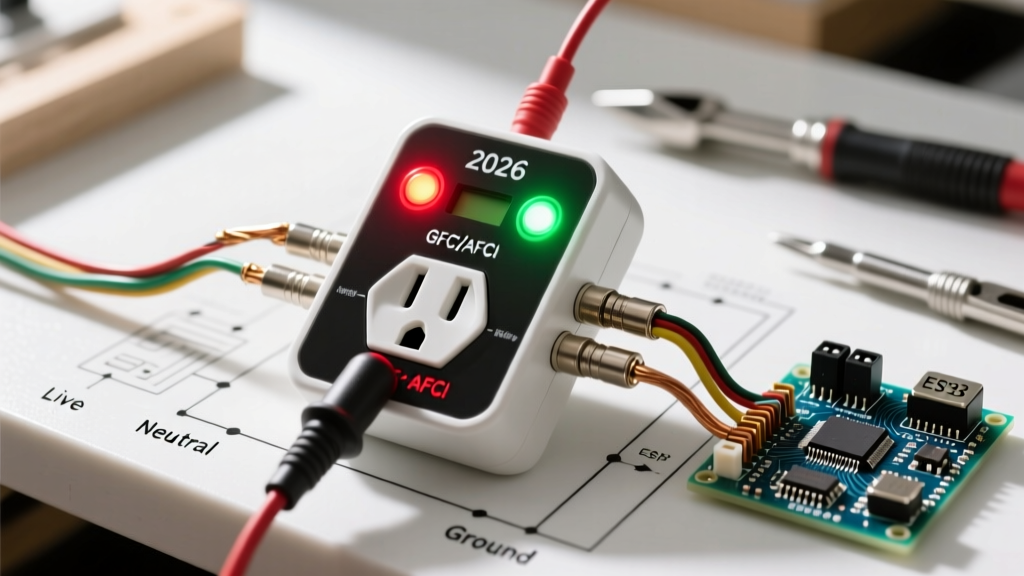
If your toolkit still relies on a basic, three-light neon receptacle tester from a decade ago, you are operating with a dangerous blind spot. The modern residential electrical landscape has evolved dramatically. With the widespread enforcement of the 2023 and 2026 National Electrical Code (NEC) expansions, Arc-Fault Circuit Interrupters (AFCIs) and Ground-Fault Circuit Interrupters (GFCIs) are now mandated in nearly every living space, kitchen, and laundry area. A legacy tester simply cannot verify if an AFCI breaker is functioning correctly, leaving you vulnerable to undetected arc-fault hazards.
According to the NFPA Electrical Fire Reports, electrical failures or malfunctions account for tens of thousands of home fires annually. Upgrading to a modern, LCD-equipped electrical outlet receptacle tester is no longer optional for DIYers and professionals—it is a critical safety baseline. This 2026 upgrade and replacement guide will help you select the right diagnostic tool, understand advanced failure modes, and safely replace compromised receptacles.
The Hidden Dangers of Legacy 3-Light Testers
Traditional three-light testers use simple neon lamps to indicate voltage potential between the hot, neutral, and ground slots. While cheap, they suffer from severe diagnostic limitations:
- Neon Lamp Degradation: Over time, neon bulbs dim and shift their ignition voltage. A degraded tester may show an 'Open Neutral' when the circuit is actually perfectly fine, or worse, show 'Correct' when a high-impedance fault exists.
- The Bootleg Ground Blindspot: A bootleg ground occurs when a previous worker illegally jumpered the neutral and ground terminals behind the receptacle to trick a basic tester. While the lights will read 'Correct', the ground path is entirely fake. Only a modern tester with a loaded GFCI test button can expose this dangerous shortcut.
- Inability to Test AFCI: Legacy testers lack the specific microprocessor-driven load profiles required to simulate an arc fault and trip modern AFCI breakers.
Expert Warning: Never trust a 'Correct' reading on a legacy tester without physically verifying the ground path. According to the U.S. Consumer Product Safety Commission (CPSC), improper grounding is a leading cause of severe electrical shock in older homes. Always use a tester that actively loads the circuit to verify true ground continuity.
2026 Receptacle Tester Comparison Matrix
When upgrading your diagnostic gear, you must balance feature sets with job-site durability. Below is a comparison of the top-tier electrical outlet receptacle testers available in 2026.
| Model | Display Type | AFCI Testing | GFCI Testing | Approx. Price (2026) | Best For |
|---|---|---|---|---|---|
| Klein Tools RT250 | LCD Screen | Yes (Branch & Panel) | Yes (Auto & Manual) | $39.98 | Comprehensive DIY & Pro |
| Sperry GFI6302 | LED + LCD Combo | Yes | Yes | $34.99 | Quick Visual Triage |
| Milwaukee 2201-20 | LED (3-Light) | No | Yes | $24.97 | Rugged Basic GFCI Checks |
Top Tier Upgrades: Deep Dive into the Klein Tools RT250
For the 2026 toolkit, the Klein Tools RT250 stands out as the definitive upgrade. Priced around $39.98, it replaces ambiguous light patterns with a clear, backlit LCD screen that spells out exact wiring faults (e.g., 'HOT/NEU REV' or 'OPEN GND').
Key Advantages of the RT250:
- True AFCI Verification: It features a dedicated button to send a simulated arc-fault signal. If the breaker does not trip, the LCD alerts you immediately, ensuring code compliance.
- Solenoid Load Testing: Unlike high-impedance digital multimeters, the RT250 applies a physical load to the circuit, instantly exposing 'phantom voltages' and loose upstream connections that would otherwise go unnoticed.
- Auto-Hold Display: When testing receptacles in tight, dark spaces behind furniture, the screen holds the fault reading for easy viewing once you pull the tool out.
Advanced Troubleshooting: Edge Cases and Phantom Voltages
Upgrading your tester is only half the battle; knowing how to interpret complex faults is what separates novices from experts. Here are two common edge cases you will encounter when replacing old outlets.
Edge Case 1: The Shared Neutral (MWBC) Trip
If you plug your new tester into a 15A kitchen receptacle and press the GFCI test button, but the breaker trips in the main panel instead of the local GFCI (or the tester simply reads 'Open Neutral' after a trip), you may be dealing with a Multi-Wire Branch Circuit (MWBC). In an MWBC, two hot wires share a single neutral. If the receptacle's neutral tab was not broken off during a previous replacement, the tester's load can backfeed, causing erratic readings or tripping the wrong breaker. Solution: Always verify the neutral tab is broken on the line side of any dual-fed receptacle.
Edge Case 2: High-Resistance Grounds
Sometimes a tester will show a 'Correct' wiring configuration, but the ground slot measures 2 to 5 volts above true earth ground when tested with a multimeter. This indicates a high-resistance ground, often caused by corroded ground pigtails in older metal junction boxes. While a basic tester misses this, an advanced LCD tester will often flag a 'Ground Impedance High' warning if equipped with that specific diagnostic tier.
When to Replace the Receptacle Itself
Your electrical outlet receptacle tester will identify wiring faults, but physical degradation requires a manual inspection. You must replace the receptacle immediately if you observe any of the following failure modes:
- Blade Retention Failure: If a standard plug slides into the receptacle with zero resistance or falls out under its own weight, the internal brass contacts are fatigued. This causes arcing and is a severe fire hazard.
- Backstabbed Wiring: If you pull the receptacle out and see wires shoved into the quick-insert holes on the back, cut them off and re-terminate using the side screw terminals or a proper wire-nut pigtail. Backstabbed connections account for a massive percentage of intermittent open-neutral faults.
- Thermal Discoloration: Any brown or black scorch marks around the hot slot indicate previous overheating. The internal metallurgy is compromised.
Step-by-Step: Safe Receptacle Replacement Protocol
Once your upgraded tester has confirmed a faulty receptacle or a wiring defect, follow this precise replacement workflow:
- Kill the Power: Turn off the breaker. Do not rely on wall switches.
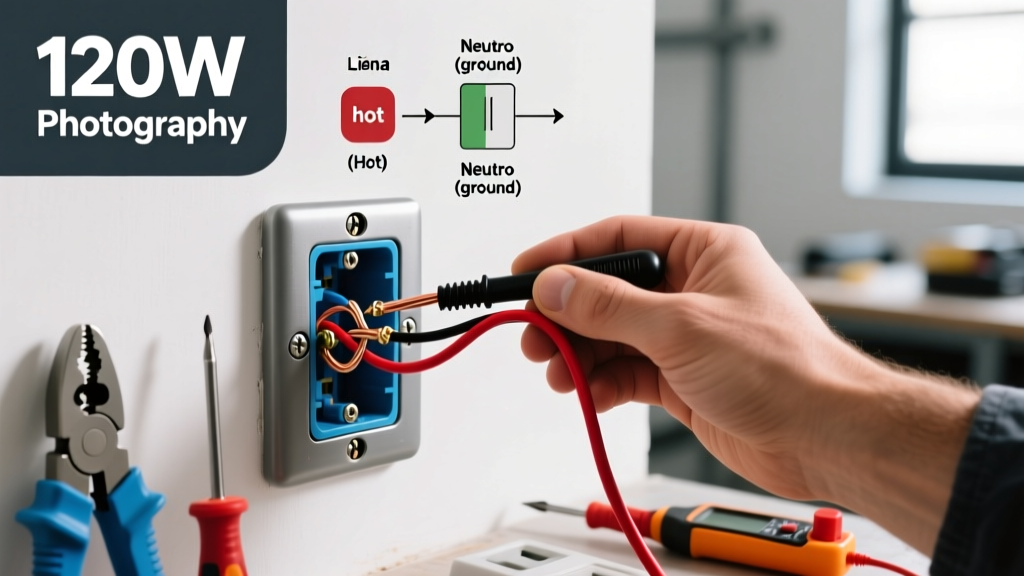
- Verify Zero Energy: Plug in your upgraded tester (e.g., Klein RT250). Ensure the LCD screen is completely blank, confirming zero voltage. Follow up with a non-contact voltage tester (NCVT) for secondary verification.
- Document the Wiring: Take a smartphone photo of the existing wire positions before removing anything. Note which wires are on the LINE (source) and which are on the LOAD (downstream).
- Prepare the Wires: Cut off old, oxidized copper ends. Strip exactly 3/4 inch of insulation using wire strippers. Create a J-hook for screw-terminal connections.
- Terminate and Torque: Wrap the wire clockwise around the brass (hot) and silver (neutral) screws. Tighten firmly. If installing a GFCI, ensure the ground pigtail is securely bonded to the bare copper and the metal box (if present).
- Final Diagnostic Sweep: Restore power at the panel. Plug your electrical outlet receptacle tester back in. Verify the LCD reads 'CORRECT'. Press the GFCI/AFCI test buttons to ensure the newly installed device trips and resets smoothly.
Final Thoughts on 2026 Electrical Safety
The era of guessing outlet health with three ambiguous neon lights is over. Investing $35 to $40 in a modern, LCD-based electrical outlet receptacle tester pays for itself the first time it catches a bootleg ground or a failed AFCI breaker. By combining advanced diagnostics with meticulous replacement practices, you ensure your home's electrical infrastructure remains safe, code-compliant, and reliable for decades to come.