
The Critical Role of the Electrical Outlet Outdoor Cover
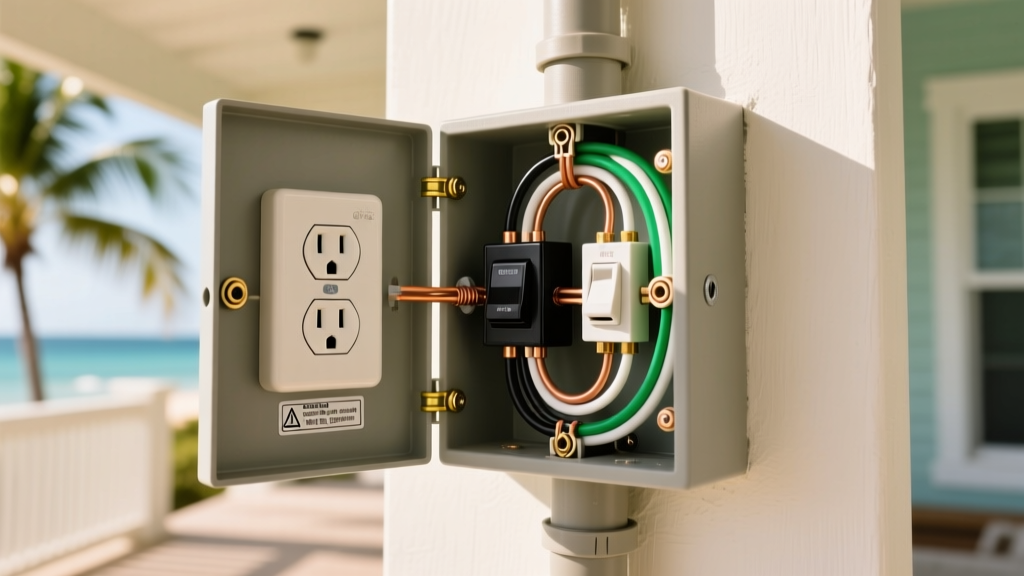
When managing exterior electrical infrastructure, the electrical outlet outdoor cover is your primary defense against moisture intrusion, debris accumulation, and accidental shock. Unlike indoor receptacles, outdoor units face relentless environmental stressors: ultraviolet (UV) radiation, extreme thermal cycling, driving rain, and freezing temperatures. A compromised cover doesn't just risk a tripped breaker; it creates a severe arc-fault hazard and accelerates the corrosion of the internal GFCI (Ground Fault Circuit Interrupter) components.
According to the National Fire Protection Association (NFPA), outdoor receptacles must be protected by weatherproof enclosures that maintain their integrity whether a plug is inserted or not. Yet, many homeowners and even seasoned DIYers neglect the routine inspection of these covers until a catastrophic failure occurs. This comprehensive inspection and testing guide will walk you through the exact failure modes, NEC compliance requirements, and step-by-step testing protocols to ensure your exterior outlets remain safe and functional in 2026 and beyond.
Common Failure Modes in Weatherproof Receptacle Enclosures
Before inspecting your covers, you must understand how and why they fail. Modern outdoor covers are typically constructed from polycarbonate plastics or die-cast zinc, but neither material is immune to environmental degradation.
1. UV Degradation and Polycarbonate Brittleness
Clear or gray polycarbonate "bubble" covers are highly susceptible to UV photodegradation. Over a period of 5 to 7 years, the polymer chains break down, causing the plastic to yellow, cloud, and eventually become brittle. A brittle cover will often shatter when a user attempts to open it in freezing temperatures, or fail to seal properly due to micro-fractures along the hinge line.
2. Gasket Compression Set
The foam or rubber gasket that seals the cover to the electrical box is the most critical component for water ingress prevention. Cheap covers use open-cell polyurethane foam, which absorbs water and suffers from "compression set"—meaning it permanently flattens and loses its rebound memory after 2 to 3 years of being screwed tightly against the box. Premium covers utilize closed-cell EPDM (Ethylene Propylene Diene Monomer) rubber or silicone, which can maintain a watertight seal for over a decade.
3. Hinge Pin Corrosion and Screw Oxidation
If your electrical outlet outdoor cover is mounted in a coastal or high-humidity environment, the hardware is a major vulnerability. Zinc-plated screws and mild steel hinge pins will rust solid within 24 months. When the hinge seizes, users often apply excessive force, snapping the plastic hinge lugs off the main enclosure body.
NEC Compliance and NEMA Ratings Explained
The National Electrical Code (NEC) Article 406.9(B)(1) strictly mandates that all 15-amp and 20-amp outdoor receptacles in damp or wet locations must be equipped with an "in-use" cover. This means the cover must remain weatherproof even when a cord is plugged in and the door is closed. Furthermore, the U.S. Consumer Product Safety Commission (CPSC) heavily emphasizes the necessity of GFCI protection in these wet locations to prevent fatal electrocution.
When evaluating your cover, look for the NEMA (National Electrical Manufacturers Association) rating stamped inside the enclosure:
| NEMA Rating | Protection Level | Best Use Case |
|---|---|---|
| NEMA 3R | Protects against falling dirt, rain, sleet, and ice formation. | Standard residential patios, covered porches, and general outdoor walls. |
| NEMA 4X | Watertight; protects against hose-directed water and corrosion. | Coastal homes, areas cleaned with pressure washers, and industrial exteriors. |
| NEMA 1 | Indoor use only; protects against dust and light splashing. | Never use outdoors. Will result in immediate NEC violation and safety hazard. |
Step-by-Step Inspection Protocol
Perform this physical inspection at least twice a year—ideally in early spring and late autumn. Ensure the power to the circuit is turned OFF at the main breaker panel before touching the receptacle face.
- Visual Hinge and Latch Check: Open and close the cover door 5 times. It should move smoothly without binding. Check the latch mechanism; it must snap shut securely. If the latch is worn down and relies on friction rather than a mechanical catch, the cover will blow open in high winds.
- Gasket Rebound Test: Run your fingernail along the perimeter gasket. It should feel firm and spring back immediately when pressed. If it feels hard, cracked, or remains indented after you press it, the gasket has suffered compression set and the entire cover must be replaced.
- Cord Clamping Mechanism: For "in-use" bubble covers, inspect the adjustable cord clamp at the bottom. The internal teeth must be sharp and intact. If the teeth are stripped, the cord will slip, pulling the plug partially out of the receptacle and exposing the live prongs to moisture.
- Mounting Box Integrity: Inspect the edges where the cover meets the siding or stucco. Use a flashlight to look for gaps larger than 1/16th of an inch. If exterior caulk has shrunk or pulled away, water can bypass the cover entirely and enter the wall cavity behind the electrical box.
Expert Tip: Never rely on clear silicone caulk to seal the top edge of a weatherproof box to the siding. While NEC allows caulking for siding integration, the box itself must be mechanically sealed via a proper mounting flange or siding block to prevent long-term water intrusion behind the vapor barrier.
Testing GFCI and Moisture Integrity
A pristine electrical outlet outdoor cover is useless if the internal GFCI has failed. According to UL Solutions, GFCI receptacles have an average lifespan of 10 to 15 years, but outdoor units exposed to temperature extremes often fail prematurely due to internal condensation.
1. The Electronic GFCI Test
Do not rely solely on the built-in "Test" and "Reset" buttons on the receptacle face. These mechanical buttons only test the physical trip mechanism, not the internal solid-state sensing circuitry. Use a dedicated UL-listed GFCI receptacle tester (such as the Klein Tools RT250 or Gardner Bender GFI-3501, typically priced between $18 and $25).
- Plug the tester into the receptacle.
- Press the black test button on the tool. This introduces a precise 6mA fault current.
- The GFCI should trip instantly (within 25 milliseconds), and the tester lights should indicate an open circuit.
- If the receptacle does not trip, or takes longer than a second to trip, the internal sensor is degraded. Replace the GFCI receptacle immediately.
2. The Controlled Water Spray Test
To verify the seal of the electrical outlet outdoor cover under real-world conditions, perform a controlled spray test. Plug a heavy-duty outdoor extension cord into the receptacle and close the cover door, securing the cord in the bottom clamp.
- Using a garden hose with a spray nozzle set to "Shower" or "Rain" (simulating wind-blown rain), spray the cover from a distance of 3 feet for 5 minutes.
- Aim specifically at the hinge line and the bottom cord clamp, as these are the most common ingress points.
- Turn off the hose, wait 2 minutes, and carefully open the cover. Use a dry paper towel to wipe the inside of the bubble and the receptacle face. Any visible moisture indicates a gasket failure or a warped door.
Top Replacement Covers for the 2026 Market
If your inspection reveals critical failures, do not attempt to patch the gasket with liquid sealants. Replace the unit with a modern, code-compliant enclosure. Here are the top-performing models currently available:
- TayMac ML550W (In-Use Polycarbonate): Priced around $22. Features a robust 2.75-inch deep bubble, UV-stabilized polycarbonate, and a heavy-duty internal cord clamp. Best for standard residential patios.
- Hubbell PVL220GY (Die-Cast Extra Duty): Priced around $38. Constructed from powder-coated die-cast aluminum with a stainless steel hinge pin and EPDM gasket. Ideal for harsh coastal environments and commercial applications.
- Leviton 8599-WMP (Surface Mount Box & Cover Combo): Priced around $45. Includes both the weatherproof backing box and the in-use cover. Perfect for installations on brick, stucco, or concrete where a flush-mount box isn't feasible.
Frequently Asked Questions
Can I use a flat metal cover on my outdoor outlet?
No. Under current NEC Article 406.9, flat covers (which only protect the outlet when nothing is plugged in) are strictly prohibited for 15A and 20A receptacles in wet locations. You must use an "extra-duty" or "in-use" cover that encloses the plug and cord while in operation.
How often should I replace the outdoor outlet cover?
While there is no mandated expiration date, polycarbonate covers should be evaluated for replacement every 5 to 7 years due to UV degradation. Die-cast aluminum covers can last 15+ years, provided the hinge and gasket are maintained.
My GFCI trips every time it rains, but the cover looks fine. What is happening?
If the cover passes visual and spray inspections, the issue is likely condensation inside the electrical box itself, or water tracking down the exterior wall and entering the back of the box through an unsealed conduit knockout. You may need to install a weep hole at the bottom of the electrical box or apply duct seal compound to the rear conduit entries.