
Navigating Electrical Outlet Codes in Moulton, Alabama
Ensuring every electrical outlet Moulton AL properties feature meets current safety standards requires a deep dive into both the National Electrical Code (NEC) and local Alabama state amendments. Situated in Lawrence County, Moulton experiences the unique environmental challenges of North Alabama, including high seasonal humidity, severe thunderstorms, and its location within the lightning-dense "Dixie Alley." Whether you are upgrading a 1970s ranch home near Court Street or wiring a new build off Highway 157, understanding the exact code requirements for receptacles is non-negotiable for passing local inspections and ensuring long-term safety.
This guide breaks down the specific electrical codes, product requirements, and inspection realities for installing and upgrading outlets in Moulton, AL.
The Code Baseline: Alabama State & Lawrence County Enforcement
Alabama does not have a single, monolithic state building code that automatically adopts the newest NEC cycle the day it is published. Instead, electrical inspections in municipalities like Moulton are largely overseen by the Alabama State Fire Marshal's Office (ASFM) and local certified inspectors who enforce the state-adopted electrical code. As of the current 2026 enforcement cycle, Alabama operates primarily on the 2020 NEC framework with specific state-level amendments, though many North Alabama jurisdictions are actively transitioning to 2023 NEC standards for new commercial and residential permits.
Inspector's Note: In Lawrence County, unincorporated areas and smaller municipalities often rely on state fire marshals or third-party certified electrical inspectors. Always verify the specific NEC adoption year with the Moulton Building Department before pulling a permit, as local amendments can dictate stricter AFCI or surge protection rules than the base NEC.
Key Outlet Requirements for Moulton Homes
When planning an electrical outlet Moulton AL installation, you must adhere to strict placement, protection, and physical design mandates. The days of swapping a standard duplex receptacle for a generic $2 builder-grade outlet are over.
1. GFCI and AFCI Mandates (NEC 210.8 & 210.12)
Ground Fault Circuit Interrupter (GFCI) and Arc Fault Circuit Interrupter (AFCI) protections are heavily scrutinized during Moulton inspections.
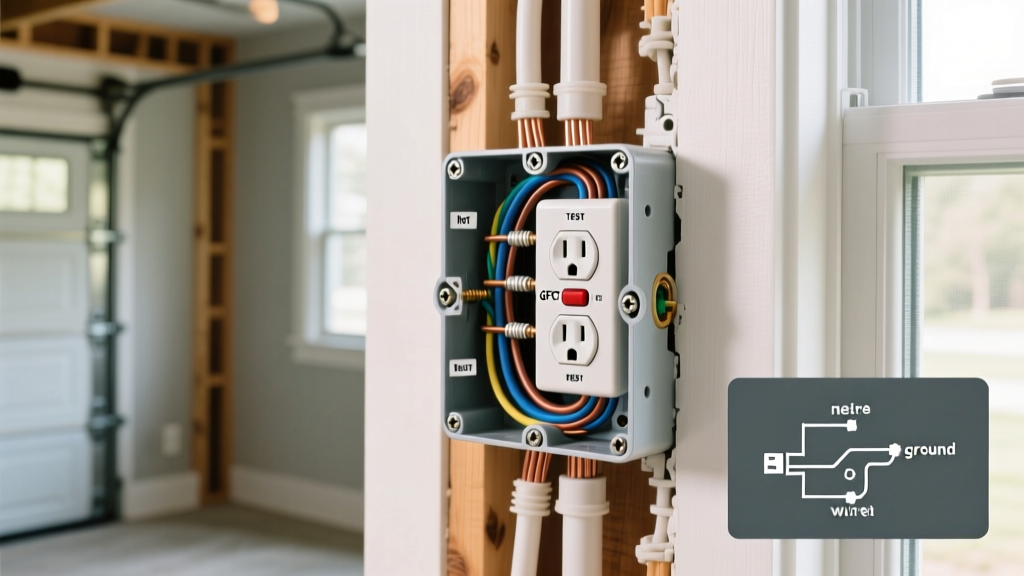
- GFCI Receptacles: Required in all wet and damp locations. This includes kitchens (within 6 feet of the sink), bathrooms, garages, crawlspaces, unfinished basements, and all outdoor receptacles. We recommend the Leviton T5262-W (15A Tamper-Resistant GFCI, approx. $18-$24), which features a slim profile for older Moulton homes where wall boxes are often overcrowded with decades of added wiring.
- AFCI Protection: Required for nearly all 120V, single-phase, 15A and 20A branch circuits supplying living areas, bedrooms, hallways, and closets. In Alabama, inspectors frequently require Combination-Type AFCI breakers (like the Eaton CHFAF120, approx. $42-$55) rather than just dual-function receptacles, ensuring the entire branch circuit is protected from parallel and series arcing.
2. Tamper-Resistant (TR) Receptacles (NEC 406.12)
According to the Electrical Safety Foundation International (ESFI), Tamper-Resistant receptacles are mandatory in all new residential constructions and major renovations. TR outlets feature internal shutter mechanisms that prevent children from inserting foreign objects. If you are replacing a damaged outlet in a Moulton home built before 2008, upgrading to a TR receptacle (marked with "TR" on the face) is highly recommended and often required by local inspectors if the circuit is being extended or modified.
3. Outdoor & Weather-Resistant (WR) Outlets (NEC 406.9)
Moulton's high summer humidity and driving spring rains mean outdoor outlets face severe corrosion risks. The NEC mandates that outdoor receptacles in damp or wet locations must be listed as Weather-Resistant (WR).
Failure Mode Alert: A standard GFCI outlet installed outdoors will fail prematurely due to UV degradation of the plastic and internal corrosion of the contacts. You must use a WR-rated GFCI (e.g., Leviton GFNT2-W, approx. $26) paired with an "extra-duty" while-in-use weatherproof cover (e.g., TayMac MX850W, approx. $22). Inspectors in Lawrence County will immediately red-tag an outdoor outlet that lacks a WR stamp or uses a flat, flip-cover that cannot close when a cord is plugged in.
Moulton Outlet Code Compliance Matrix
The following table outlines the specific receptacle requirements based on room location, reflecting the NEC standards enforced in the Moulton area.
| Location | Receptacle Type Required | NEC Reference | Estimated Material Cost |
|---|---|---|---|
| Kitchen Countertops | 20A GFCI, Tamper-Resistant | 210.8(A)(6) | $22 - $30 |
| Bathrooms | 15A/20A GFCI, Tamper-Resistant | 210.8(A)(1) | $18 - $25 |
| Bedrooms / Living Rooms | Standard TR (AFCI at Breaker) | 210.12(A) / 406.12 | $3 - $6 |
| Garages & Outbuildings | 20A GFCI, Tamper-Resistant | 210.8(A)(2) | $20 - $28 |
| Exterior Walls | WR GFCI + Extra-Duty Cover | 406.9(B)(1) | $45 - $60 (Combo) |
| Laundry Areas | 20A GFCI, Tamper-Resistant | 210.8(A)(10) | $20 - $28 |
Surge Protection: The Dixie Alley Factor
Moulton sits squarely in a region prone to severe electrical storms. North Alabama experiences some of the highest lightning strike densities in the United States. While point-of-use surge protectors (power strips) are common, they are insufficient for protecting hardwired appliances and modern smart-home electronics from massive induced surges.
Under NEC Article 230.67, all new residential services are required to have a whole-house Surge Protective Device (SPD) installed at the main service panel. For older Moulton homes undergoing a panel upgrade (e.g., moving from a 100A Federal Pacific panel to a 200A Eaton CH panel), installing an SPD like the Eaton CHFWH150 (approx. $110-$140) is mandatory. Even if you are only pulling a permit for an outlet addition, local inspectors highly recommend integrating Type 2 SPDs to protect the sensitive electronics plugged into your newly installed AFCI/GFCI circuits.
Step-by-Step: Pulling Permits in Lawrence County
Homeowners in Moulton can perform their own electrical work, provided they pass the required inspections. Here is the exact workflow for ensuring your electrical outlet Moulton AL project is legally compliant:
- Verify Jurisdiction: Contact the Moulton City Hall or the Lawrence County Probate/Building office to confirm if your address falls under municipal or state fire marshal inspection authority.
- Submit the Application: Fill out the residential electrical permit application. Expect to pay between $50 and $125 depending on the valuation of the work (e.g., adding a new 20A circuit vs. replacing existing devices).
- Rough-In Inspection: If you are running new Romex (NM-B) cable to a new outlet location, the inspector must see the wires stapled, secured, and boxes mounted before drywall is patched or insulated.
- Final Inspection: Once devices are wired, faces are screwed on, and covers are installed, schedule the final. The inspector will use a receptacle tester to verify correct polarity, proper grounding, and GFCI trip functionality.
Common Inspection Failures in North Alabama
Based on field reports and NFPA code enforcement data, these are the most frequent reasons electrical outlet installations fail inspection in the Moulton area:
The "Bootleg Ground" in Older Homes
Many homes in Moulton built in the 1960s feature ungrounded 2-prong outlets. A common, illegal DIY fix is wiring a 3-prong receptacle and jumpering the neutral to the ground screw to fool a tester. Inspectors use advanced solenoid testers that easily detect bootleg grounds. The Code Fix: If no equipment grounding conductor exists in the wall, you must install a GFCI receptacle and label it "GFCI Protected / No Equipment Ground" as permitted by NEC 406.4(D)(2)(b).
Overcrowded Wall Boxes
NEC Article 314.16 dictates strict box fill calculations. In older Moulton homes with shallow 14-cubic-inch metal or fiberglass boxes, cramming in a modern GFCI (which has a much deeper chassis) plus three 12/2 NM cables violates box fill limits. Inspectors will fail this due to heat dissipation and physical wire damage risks. Always use deep 22-cubic-inch "old work" boxes when retrofitting GFCIs in older walls.
Reversed Hot and Neutral
Wiring the brass (hot) and silver (neutral) screws backward on a standard TR receptacle. While the outlet may still power a lamp, it creates a severe shock hazard because the internal switching mechanisms and threaded lamp sockets will remain energized even when turned off. Always double-check wire placement before tightening terminal screws.
Final Thoughts on Local Compliance
Upgrading or installing an electrical outlet in Moulton, AL is not just about restoring power to a room; it is about integrating modern life-safety protections into North Alabama's unique environmental landscape. By strictly adhering to TR, GFCI, and WR mandates, respecting box-fill calculations, and acknowledging the necessity of surge protection in Dixie Alley, you ensure your home remains safe, insurable, and fully compliant with Lawrence County standards.