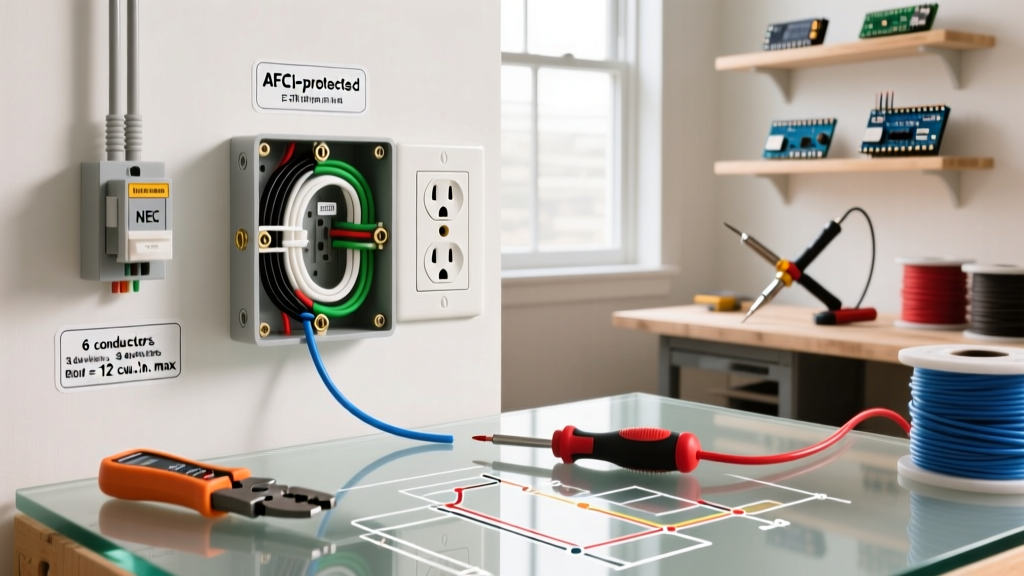

Executing a flawless electrical outlet installation in New Berlin, WI, requires more than just a screwdriver and a roll of electrical tape. Whether you are updating a mid-century ranch near Saylesville or adding exterior receptacles to a new build in the southern subdivisions, Wisconsin’s harsh climate and strict state electrical codes demand professional-grade tools and highly specific materials. As of 2026, local building inspectors are rigorously enforcing updated safety standards, making the right preparation critical for passing inspection and ensuring long-term safety.
This comprehensive tool and material guide is engineered for DIYers and junior electricians tackling electrical outlet installation in New Berlin, WI. We break down the exact diagnostic equipment, weather-resistant components, and code-compliant hardware required to get the job done right the first time.
Navigating New Berlin, WI Electrical Codes and Permitting
Before purchasing a single receptacle, you must understand the regulatory landscape. Wisconsin operates under the Wisconsin Electrical Code (SPS 316), which is heavily based on the National Electrical Code (NEC) but includes state-specific amendments. The City of New Berlin Building Inspection Division requires permits for any new circuit installation, panel upgrades, or extensive outlet additions. Simple like-for-like replacements generally do not require a permit, but adding a new outdoor receptacle or upgrading an ungrounded circuit to a GFCI-protected grounded circuit will trigger a municipal inspection.
2026 Code Focus: Wisconsin mandates Tamper-Resistant (TR) receptacles in all dwelling unit areas and Weather-Resistant (WR) ratings for all outdoor 15A and 20A outlets. Furthermore, AFCI (Arc-Fault Circuit Interrupter) protection is now strictly enforced in bedrooms, living rooms, and kitchens, requiring either AFCI breakers or AFCI receptacles at the first outlet in the branch circuit.
The Professional Tool Arsenal for Outlet Installation
Skip the bargain-bin tools. Stripped screws and misdiagnosed hot wires are the leading causes of failed installations and electrical fires. Here is the precise tool loadout required for modern outlet installation, calibrated for 2026 market availability and pricing.
| Tool Category | Recommended Model (2026) | Est. Cost | Pro Application & Edge Case Utility |
|---|---|---|---|
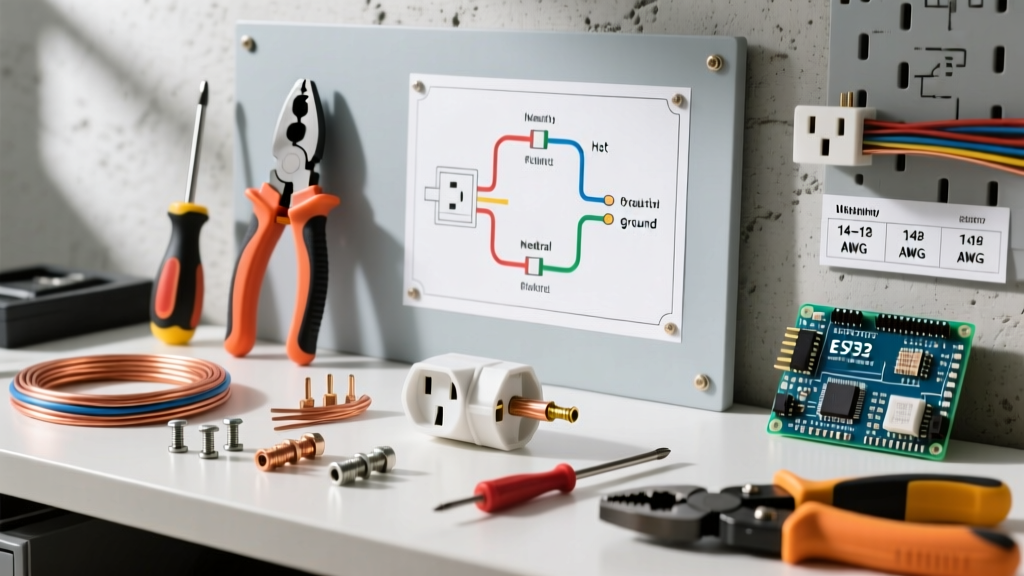
| Non-Contact Voltage Tester | Fluke 2AC-II VoltAlert | $35 - $42 | Features a continuous self-test and CAT IV 1000V rating. Essential for verifying dead circuits in older New Berlin homes with shared neutrals. |
| Wire Strippers | Knipex ErgoStrip 16 95 120 | $55 - $65 | Strips NM-B sheathing and 14/12 AWG copper without nicking the conductor. Nicks cause hot spots and failed thermal inspections. |
| Multi-Bit Screwdriver | Klein Tools 32308 (11-in-1) | $22 - $28 | Includes #1 and #2 Phillips, plus 1/4" and 3/16" nut drivers for securing grounding pigtails and box mounting ears. |
| Receptacle Tester | Gardner Bender GRT-1301 | $15 - $20 | Tests for open grounds, reverse polarity, and hot/neutral swaps. Includes a GFCI trip-test button required for final sign-off. |
| Torx/Security Bit Set | DEWALT DWAX200 | $30 - $40 | Modern tamper-resistant and commercial-grade outlets (like Leviton Decora) increasingly use Torx T15 or security drive screws to prevent unauthorized removal. |
Material Selection: Beating the Wisconsin Elements
New Berlin experiences extreme temperature fluctuations, from sub-zero February freezes to humid, 90-degree July afternoons. This thermal expansion and contraction wreaks havoc on cheap electrical components. According to the U.S. Consumer Product Safety Commission, faulty or degraded receptacles are a primary ignition source for residential fires. Here is what you need to specify for your materials list.
Interior Outlet Specifications
For interior installations, standard commercial-grade receptacles are vastly superior to residential-grade 'contractor packs' found at big-box stores. Commercial grades feature thicker brass contacts and reinforced steel mounting straps that resist bending when plugs are forcefully removed.
- Standard 15A Duplex: Leviton R52-05320-00W (Commercial Grade, Tamper-Resistant). Priced around $4.50 each in 2026, these feature auto-ground clips and back-wire clamps (not push-in backstabs, which are notorious for failing under high loads).
- 20A Kitchen/Laundry: Eaton Wiring Devices 5262-TR. Required for small-appliance branches and laundry areas per NEC 210.11.
- AFCI/GFCI Combo: Leviton AG15-KW2. Essential for kitchens and bathrooms where both arc-fault and ground-fault protection are mandated by Wisconsin code.
Exterior and Garage Outlet Specs
Outdoor installations in Waukesha County require meticulous weatherproofing. A standard receptacle will corrode internally within two Wisconsin winters if exposed to driving snow or ice melt.
- Weather-Resistant (WR) Receptacle: Hubbell WR5258W. This model features UV-stabilized thermoplastic faces and nickel-plated brass terminals that resist galvanic corrosion caused by moisture and road salt aerosols.
- In-Use Weatherproof Cover: TayMac MX850W (Extra-Duty). Unlike cheap plastic bubble covers that become brittle and crack at -10°F, the TayMac MX series uses die-cast aluminum with a powder-coat finish, allowing cords to remain plugged in while maintaining a NEMA 3R weather seal.
Wire, Boxes, and Connectors: The Hidden Hardware
The components hidden behind the drywall are just as critical as the visible faceplate.
Conductor Sizing and Type
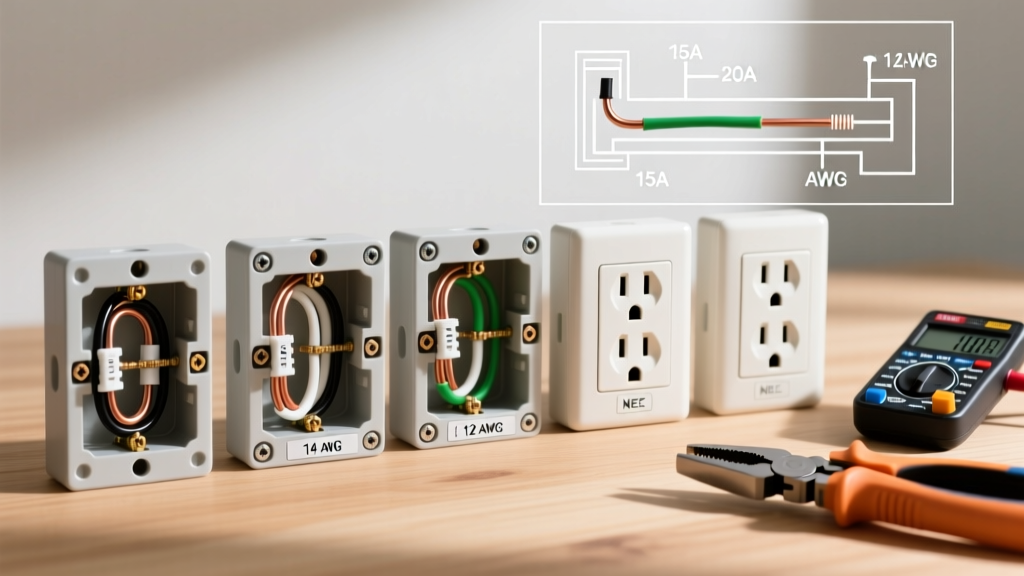
Always use Southwire or Cerro Wire NM-B (Romex) for interior dry locations. For a 15A circuit, 14/2 AWG is the minimum, but many New Berlin electricians exclusively pull 12/2 AWG (rated for 20A) for all general-purpose receptacles to minimize voltage drop on long runs and future-proof the circuit. For wet locations or exterior conduit runs, you must transition to THWN-2 individual conductors inside PVC or EMT conduit.
Electrical Boxes and Volume Calculations
NEC Article 314 dictates strict box fill calculations. If you are installing a GFCI or smart outlet (which have massive, bulky bodies), a standard 18-cubic-inch shallow box will not suffice. You will overcrowd the box, risking pinched wires and short circuits.
- Interior Retrofit: Carlon B618R-UPC (Old Work, 18 cu in). Features adjustable mounting wings for secure drywall clamping.
- Smart/Deep Outlet Boxes: Raco 8298 (22.5 cu in, 2-1/2" deep). Provides ample room for the heat sinks and bulky wiring harnesses found on modern Wi-Fi and Zigbee smart receptacles.
- Exterior Masonry/Siding: Bell 5362-0 (Cast Aluminum, 22.5 cu in). Includes integrated threaded hubs for rigid conduit connections.
Edge Cases in New Berlin Homes
New Berlin’s housing stock is incredibly diverse, ranging from 1940s farmhouses to 2020s smart-home subdivisions. This creates unique edge cases during outlet installation.
Expert Warning: If you are working in a home built before 1960 near the historic New Berlin city center, you may encounter Knob-and-Tube (K&T) wiring or early ungrounded cloth-sheathed NM cable. Under Wisconsin DSPS regulations, you cannot simply extend an ungrounded K&T circuit to add a new outlet. You must either run a completely new grounded circuit from the panel or install a GFCI receptacle labeled 'No Equipment Ground' to provide shock protection without a true ground wire.
Dealing with Frozen Exterior Conduits
When installing exterior outlets on the north-facing sides of homes, condensation inside EMT (Electrical Metallic Tubing) can freeze, expanding and cracking the conduit or pushing wire nuts apart. To prevent this, always use silicone-filled wire nuts (like IDEAL Aqua-Seal) for any exterior splices, and drill a 1/8" weep hole at the lowest point of the conduit run to allow trapped moisture to drain.
Sourcing Materials Locally
While big-box stores on Moorland Road or Capitol Drive carry basic residential supplies, they often lack the commercial-grade, WR-rated, and deep-box inventory required for code-compliant, durable installations. For professional-grade materials, local contractors rely on dedicated electrical supply houses in the greater Milwaukee/Waukesha area, such as State Electric or City Electric Supply (CES). These vendors stock the specific Hubbell WR receptacles and TayMac die-cast covers that survive Wisconsin's brutal climate, ensuring your installation remains safe, functional, and inspection-ready for decades.