
The Terminology Trap: Box vs. Cover vs. Cover Box
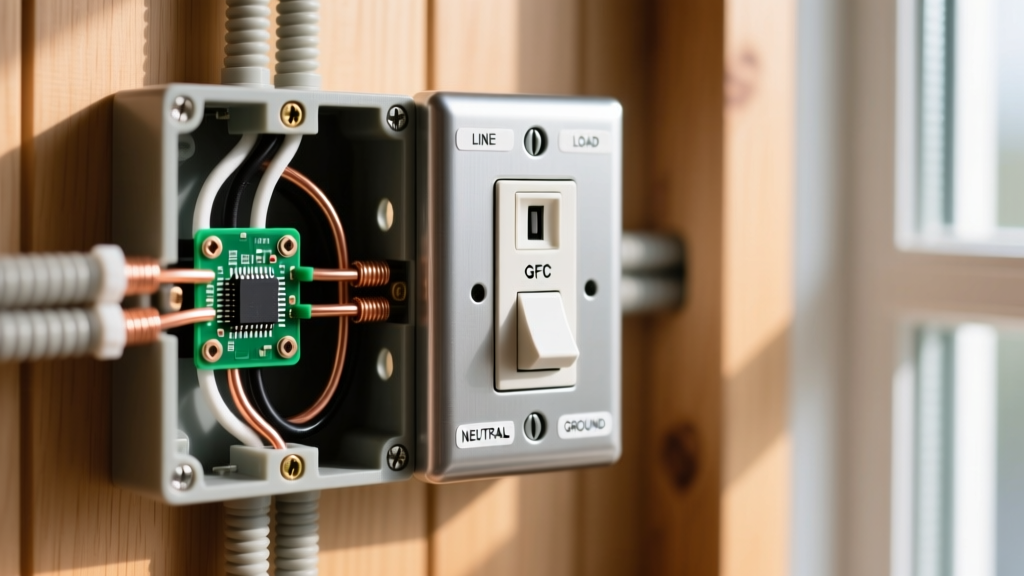
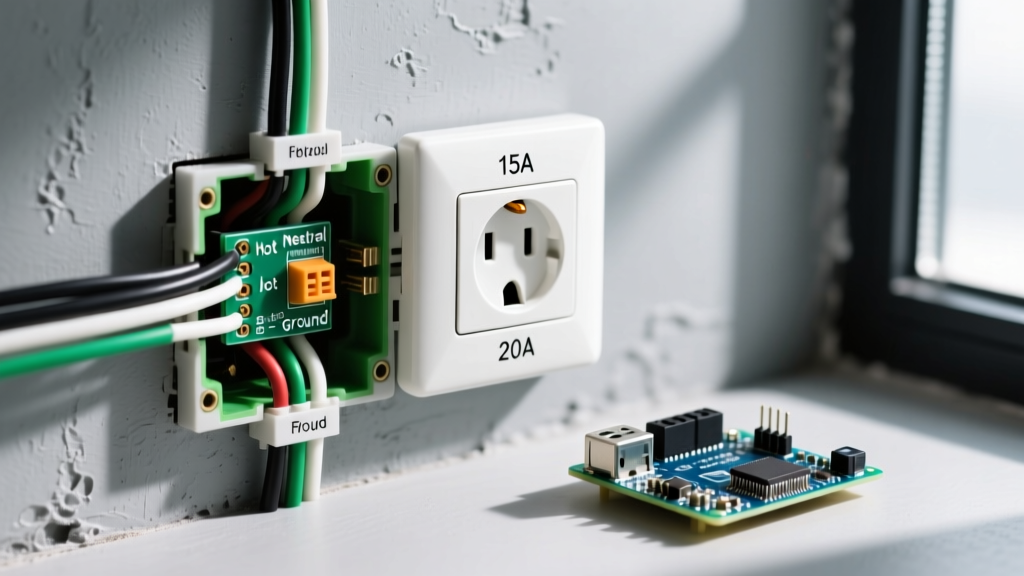
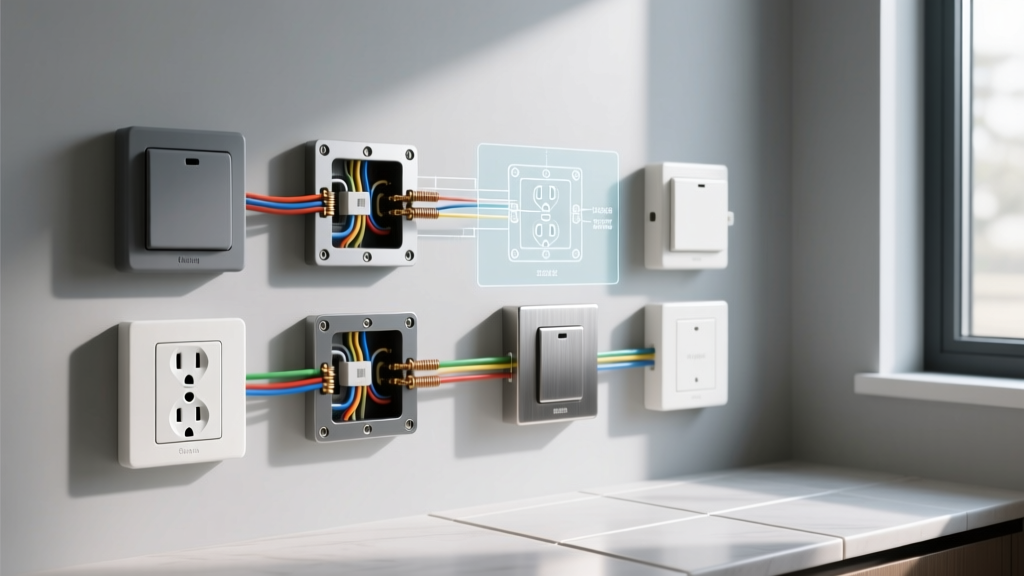
When homeowners and DIYers search for an electrical outlet cover box, they are usually blending three distinct pieces of electrical hardware into one colloquial term. In professional electrical terminology, a box is the enclosure inside the wall that houses the wire splices and device yoke. A cover (or wall plate) is the decorative faceplate. However, the phrase "cover box" typically refers to one of three specific solutions: weatherproof in-use covers for outdoor receptacles, extension boxes used to bring flush-mounted boxes out to the surface of tile or siding, and surface raceway enclosures.
Selecting the wrong hardware doesn't just look bad; it violates the National Electrical Code (NEC) and creates severe shock and fire hazards. This guide breaks down the exact models, material specifications, and 2026 pricing for every type of outlet cover box you might need, backed by NFPA 70 (NEC) regulations and UL safety standards.
1. Outdoor Weatherproof "In-Use" Cover Boxes
For exterior walls, patios, and garages, the NEC mandates that receptacles be protected from moisture even when a cord is plugged in. This requires an "in-use" weatherproof cover box. These enclosures feature a deep, hinged bubble or flat shield that closes over the inserted plug.
Top Tier: Hubbell Bell PVL10050GB (Die-Cast Aluminum)
- Material: Powder-coated die-cast aluminum with a foam-in-place gasket.
- Price Range: $32.00 - $38.00
- Best For: High-traffic commercial exteriors, coastal environments (salt-air resistant), and areas prone to physical impact.
- Key Feature: Includes a lockable latch mechanism to prevent unauthorized access or tampering, a critical feature for Airbnb hosts and commercial properties in 2026.
Budget/Residential: Taymac MM410W (Polycarbonate)
- Material: UV-stabilized polycarbonate plastic.
- Price Range: $14.00 - $18.00
- Best For: Standard residential patios, garden tool sheds, and holiday lighting setups.
- Key Feature: The "Expandable" design allows the front face to pull outward, accommodating bulky transformer plugs (like those used for smart home hubs or holiday lights) without cracking the hinge.
Pro-Tip on Gaskets: Never rely solely on the foam gasket provided in the box if the mounting surface is uneven (like stucco or rough-sawn wood). Apply a continuous bead of 100% silicone sealant to the back of the gasket to ensure a watertight bond.
2. Tile and Siding Extension Cover Boxes
When remodeling a kitchen or exterior, you often encounter a box that is buried behind a new backsplash or thick siding. You cannot simply use longer screws; the NEC requires the box edge to be flush with the combustible surface (or within 1/4 inch for non-combustible). Extension cover boxes solve this.
For Tile Backsplashes: Arlington BE1 Non-Metallic Tile Extension
The Arlington BE1 is the industry standard for kitchen remodels. It is a 1-gang, non-metallic extension box that snaps over the existing device and adjusts from 1/4 inch to 1-1/4 inches in depth.
- Price: $8.50 - $11.00
- Installation Nuance: You must remove the existing receptacle, feed the wires through the Arlington BE1, and re-terminate. It adds roughly 12 cubic inches of box fill volume, which helps if your original box was overfilled.
For Exterior Siding: Arlington MB852 Siding Block
Instead of mounting a flat cover box onto uneven vinyl or wood lap siding (which creates water pockets), the MB852 is a contoured siding block that integrates a mounting box and cover into one unit, perfectly matching standard 4-inch to 8-inch siding laps.
- Price: $22.00 - $28.00
- Material: UV-rated rigid PVC.
3. Surface Mount Raceway Cover Boxes
For basements, garages, or brick walls where running wires inside the wall is impossible, surface raceways are required. The Legrand Wiremold V700 series provides a shallow, metallic cover box that mounts directly to masonry. While technically a raceway fitting, the device boxes (like the V7717) act as surface cover boxes, housing the receptacle and providing a screw-on metallic cover plate. Expect to pay $15 to $25 per device box unit, plus the cost of the channel raceway.
Material & Application Comparison Matrix
| Category | Top Model | Material | 2026 Price | Primary Use Case | NEC Focus |
|---|---|---|---|---|---|
| In-Use Weatherproof | Hubbell PVL10050GB | Die-Cast Aluminum | $32 - $38 | Commercial / Coastal | 406.9(B)(1) |
| In-Use Weatherproof | Taymac MM410W | Polycarbonate | $14 - $18 | Residential Patio | 406.9(B)(1) |
| Tile Extension Box | Arlington BE1 | Non-Metallic PVC | $8.50 - $11 | Kitchen Backsplash | 314.20 / 314.16 |
| Siding Block Box | Arlington MB852 | UV-Rated PVC | $22 - $28 | Vinyl / Wood Siding | 314.20 / 230.51 |
| Surface Raceway Box | Wiremold V7717 | Galvanized Steel | $18 - $24 | Masonry / Brick Walls | 344 / 314 |
Crucial NEC Code Requirements & Edge Cases
When installing any electrical outlet cover box, you must adhere to specific National Electrical Code articles. Ignoring these is the most common reason DIYers fail municipal inspections.
1. The "Weep Hole" Mandate (NEC 406.9)
When sealing an outdoor weatherproof cover box to the siding, never caulk the bottom edge. The NEC requires that enclosures in wet locations allow for drainage of condensation. If you seal all four sides with silicone, water that enters through the receptacle slots will become trapped, leading to corrosion and ground faults. Apply sealant only to the top and two side edges.
2. Box Fill Calculations (NEC 314.16)
Adding an extension cover box (like the Arlington BE1) increases the total cubic inch volume of your enclosure. This is highly beneficial if your existing box is overcrowded. Remember the standard box fill multipliers: 14 AWG wire requires 2.0 cubic inches per conductor; 12 AWG requires 2.25 cubic inches. The receptacle device itself counts as two conductors based on the largest wire attached to it. An in-use weatherproof cover, however, does not count toward box fill volume, as it is not considered part of the wiring enclosure.
3. Torque Specifications (NEC 110.14(D))
Since the 2017 NEC cycle, and strictly enforced in 2026, all terminal and mounting screws must be tightened to the manufacturer's specified torque using a calibrated torque screwdriver. For standard 15A and 20A receptacles mounted inside these cover boxes, terminal screws typically require 12 to 14 inch-pounds, while the mounting strap screws (securing the device to the cover box yoke) require 9 to 12 inch-pounds. Hand-tightening leads to loose connections, arcing, and melted cover boxes.
Step-by-Step: Installing an Outdoor In-Use Cover Box
- Kill the Power: Turn off the breaker and verify zero voltage using a non-contact voltage tester (NCVT) and a multimeter at the receptacle slots.
- Remove Existing Hardware: Unscrew the old weatherproof cover or standard wall plate. Pull the receptacle out slightly to inspect the wire insulation for UV or water damage.
- Prep the Gasket: If mounting to stucco, brick, or uneven wood, apply a 1/4-inch bead of GE Silicone II (100% silicone) to the back of the provided foam gasket.
- Mount the Enclosure: Feed the gasket and cover box over the receptacle. Drive the provided corrosion-resistant mounting screws through the cover box, through the device yoke, and into the electrical box. Torque to 12 in-lbs.
- Seal the Edges: Apply a smooth bead of exterior-grade silicone to the top and side perimeters of the cover box. Leave the bottom 1-inch of each side and the entire bottom edge completely unsealed to act as a weep channel.
- Test the Hinge: Plug in a heavy-duty outdoor cord to ensure the bubble cover closes and latches completely without pinching the cord jacket.
Final Verdict
Choosing the right electrical outlet cover box comes down to understanding your specific environmental challenge. For harsh outdoor elements, invest the extra $20 in the Hubbell Bell die-cast aluminum series. For interior tile remodels, the Arlington BE1 remains an unbeatable, code-compliant time-saver. Always prioritize NEC compliance regarding drainage and box fill to ensure your installation is as safe as it is functional.