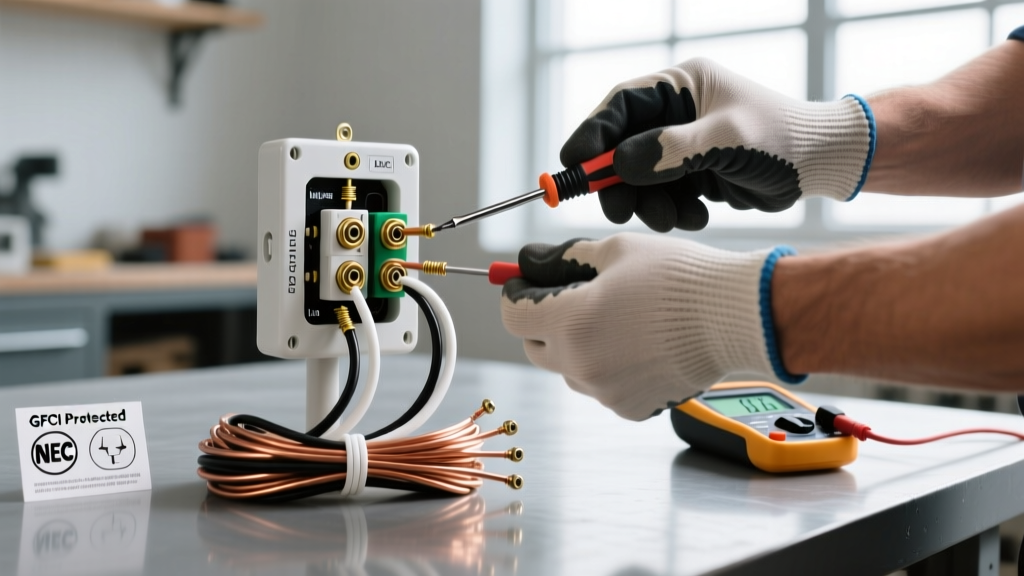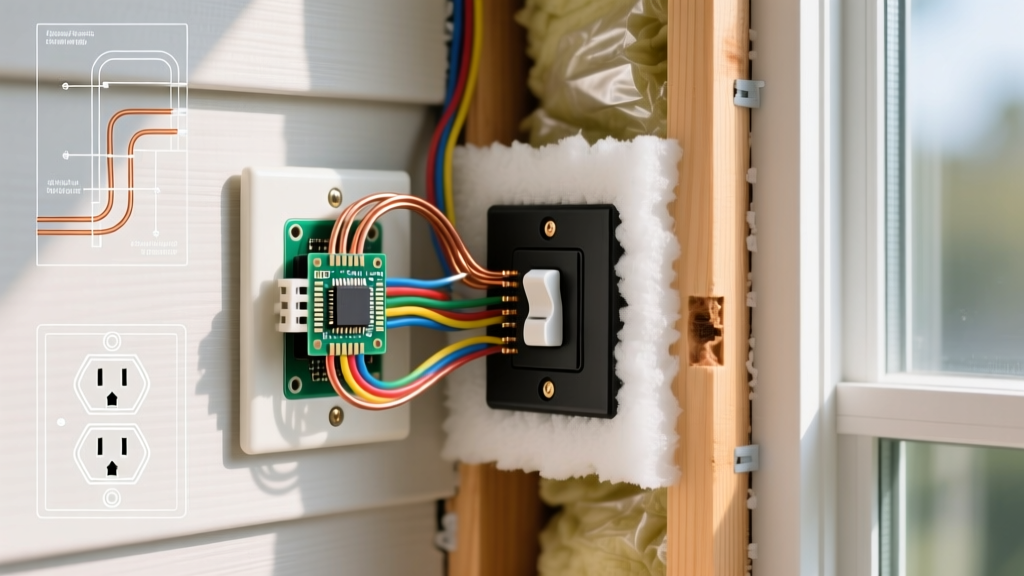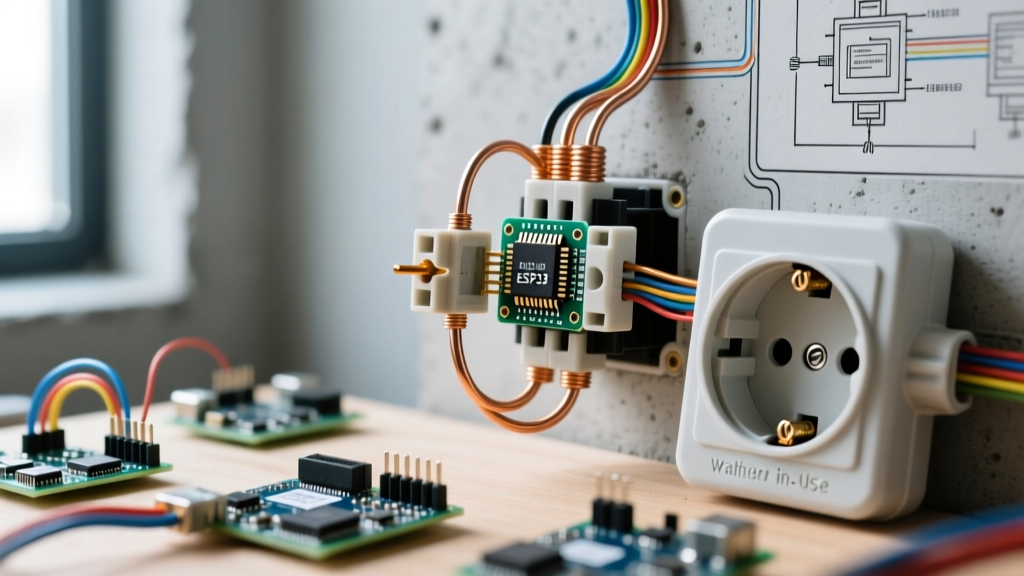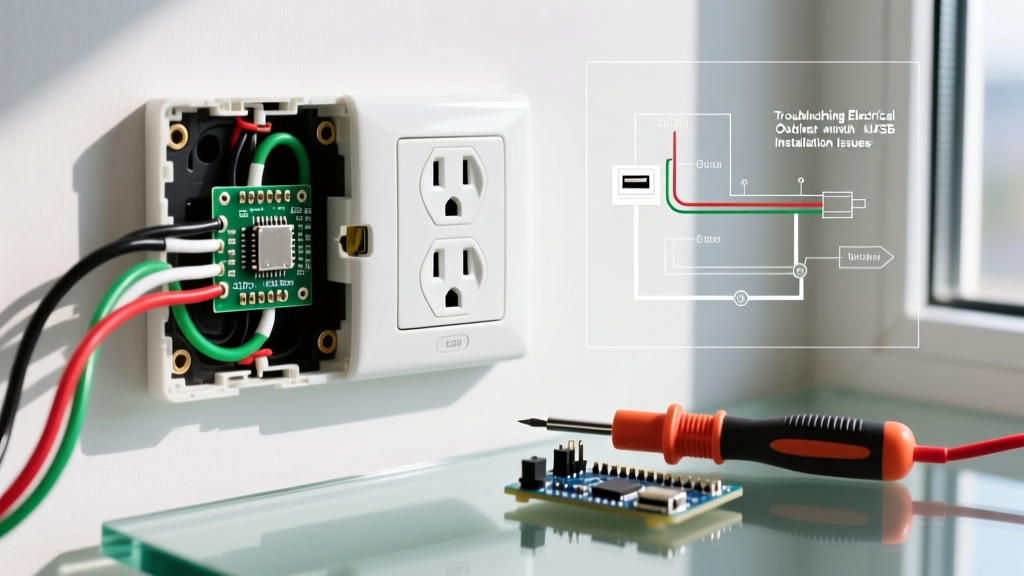

Navigating the electrical landscape in Argentina requires a firm grasp of local codes, whether you are an expatriate renovating a home in Buenos Aires, an international contractor, or a local electrician updating a legacy system. The electrical outlet Argentina standard is uniquely governed by a blend of national safety regulations and physical design norms that differ significantly from North American and European systems. Operating on a 220V/50Hz grid, Argentine installations demand strict adherence to specific physical plug types, wiring color codes, and mandatory protection devices.
In this comprehensive code requirement explainer, we break down the exact specifications mandated by the Asociación Electrotécnica Argentina (AEA) and the physical standards set by the Instituto Argentino de Normalización y Certificación (IRAM). As of 2026, municipal enforcement of these codes has tightened, making compliance non-negotiable for new builds and major renovations.
The Core Physical Standard: IRAM 2073 (Type I)
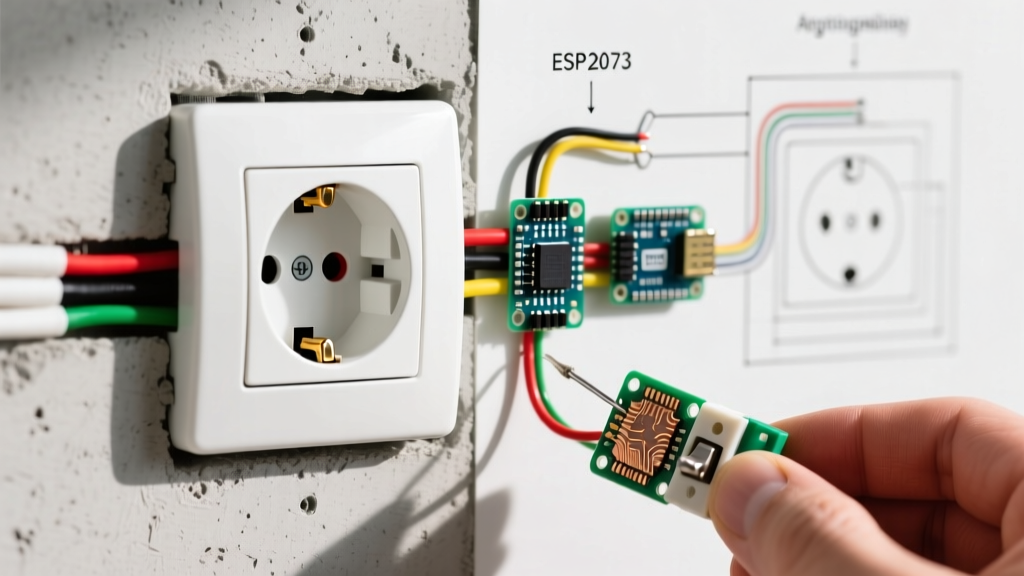
When discussing the physical electrical outlet Argentina utilizes, the definitive standard is IRAM 2073, commonly known globally as Type I. While it bears a striking visual resemblance to the Australasian AS/NZS 3112 standard, there are critical dimensional and safety differences that prevent universal interchangeability without adapters.
Pin Geometry and Safety Upgrades
The Type I configuration features three flat pins arranged in a triangular pattern. The active (phase) and neutral pins are angled at exactly 30 degrees to the vertical, while the earth pin is vertically aligned. According to the IEC World Plugs database, the pin spacing and thickness are specific to the Argentine norm:
- Active/Neutral Pins: 6.35 mm wide, 1.6 mm thick, and 17.3 mm long.
- Earth Pin: 6.35 mm wide, 1.6 mm thick, and 20.0 mm long (ensuring ground connects first).
- Insulated Sleeves: A major update to the IRAM 2073 standard requires the base of the active and neutral pins to feature insulated sleeves. As of 2026, inspectors in CABA (Ciudad Autónoma de Buenos Aires) will fail installations that utilize non-insulated legacy plugs in new residential builds to prevent shock hazards from partially inserted pins.
10A vs. 20A Configurations
Argentine outlets come in two primary amperage ratings. Standard general-purpose receptacles are rated for 10 Amps (sufficient for lighting, TVs, and small appliances). High-draw circuits—such as those dedicated to air conditioners, electric ovens, or heavy workshop tools—require 20 Amp outlets. The 20A variant features wider pins (8.0 mm) and a wider socket aperture, physically preventing a 20A plug from being inserted into a standard 10A socket, thereby preventing circuit overloads.
AEA Wiring Color Codes & Conductor Sizing
Proper identification of conductors is mandated by IRAM 2183 and enforced under the AEA 90364 installation code. Using North American (Black/White/Green) or older European color codes in a modern Argentine installation is a direct code violation and poses severe maintenance hazards.
| Function | Mandatory Color (IRAM 2183) | Legacy Colors (Pre-2000s) | Minimum Cross-Section (Cu) |
|---|---|---|---|
| Phase (Line) | Brown (Marrón) | Black, Red, or Grey | 2.5 mm² (10A/16A circuits) |
| Neutral | Light Blue (Celeste) | White or Light Blue | 2.5 mm² (Must match Phase) |
| Earth (Ground) | Green/Yellow Bicolor | Green or Bare Copper | 2.5 mm² (or 4.0 mm² for main feeders) |
Note: For 20A dedicated circuits (e.g., 3000W+ appliances), the minimum conductor cross-section must be upgraded to 4.0 mm² to prevent voltage drop and thermal degradation over long conduit runs.
Mandatory Safety Devices (AEA 90364 Compliance)
The Argentine electrical code is exceptionally strict regarding human protection against electric shock and fire. Every electrical outlet Argentina installation must be protected by a dual-layer safety system at the main distribution board (Tablero Seccional).
1. Disyuntor Diferencial (RCD / GFCI)
Unlike the US, which often relies on localized GFCI receptacles in wet areas, Argentina mandates a centralized Residual Current Device (RCD), locally known as a disyuntor diferencial.
Code Specs: Must have a maximum tripping threshold of 30mA for personal protection, with a trip time not exceeding 0.04 seconds at 5x the rated residual current. For large homes, the code requires splitting the RCD protection into at least two independent modules (e.g., one for lighting/general outlets, one for heavy appliances) so a ground fault in the kitchen does not plunge the entire house into darkness.
2. Llaves Térmicas (MCBs)
Overcurrent and short-circuit protection is handled by Miniature Circuit Breakers. For standard 2.5 mm² outlet circuits, a 16A Type C MCB is the standard requirement. Type C curves are selected to handle the moderate inrush currents of modern switching power supplies and small motors without nuisance tripping.
Grounding (Puesta a Tierra) Requirements
A functional electrical outlet Argentina setup is illegal without a verified, continuous path to earth. The AEA requires a dedicated grounding system for every building, independent of the utility company's neutral.
Inspector's Benchmark: The grounding resistance measured at the main earth terminal must not exceed 10 Ohms. In arid regions like Mendoza or Patagonia, achieving this often requires driving multiple 1.5-meter copper-clad steel rods (jabalinas) into the soil and treating the earth with conductive compounds like bentonite or Thor-Gel.
Furthermore, the code strictly prohibits using the building's metallic water pipes or structural rebar as the primary grounding electrode. A dedicated copper conductor must run from the main board to the grounding electrode.
Room-Specific Code Requirements
Bathrooms (Zonas de Seguridad)
Bathroom installations follow strict IP (Ingress Protection) zoning rules based on AEA 90364-7-701:
- Zone 0 (Inside tub/shower): No outlets permitted. Only 12V SELV lighting allowed (IPX7).
- Zone 1 (Directly above tub/shower to 2.25m): No standard outlets. Water heaters must be IPX4 rated and hardwired.
- Zone 2 (0.6m radius outside tub/shower): Shaver sockets with isolation transformers are permitted (IPX4).
- Zone 3 (Beyond Zone 2): Standard IRAM 2073 outlets are permitted, provided the circuit is protected by the 30mA RCD.
Kitchens
Countertop outlets must be placed at least 0.15m above the work surface. High-draw appliances (dishwashers, electric ovens) must have dedicated 20A circuits with 4.0 mm² wiring and cannot share a breaker with general lighting or countertop receptacles.
Common Installation Mistakes & Edge Cases
When auditing existing properties or managing new installs, watch out for these frequent code violations:
- Reversed Polarity: While Type I plugs are unpolarized by design (they can be inserted upside down), the AEA code dictates that the Phase (Brown) must be wired to the right-hand terminal when facing the socket with the Earth pin at the bottom. Consistent polarity is vital for single-pole switching safety.
- Bootleg Grounds: In older Buenos Aires apartments, it is common to find outlets where the ground terminal is jumpered to the neutral wire. This is a lethal violation. If the neutral wire breaks upstream, the appliance chassis becomes energized at 220V.
- Type C (Europlug) Legacy Outlets: The ungrounded Type C outlet is still found in older Argentine homes. As of 2026, replacing a faulty Type C outlet requires upgrading the circuit to include a ground wire and installing an IRAM 2073 Type I receptacle. You cannot legally install new ungrounded outlets in living spaces.
Frequently Asked Questions
Can I use US 120V appliances in an Argentine outlet?
No. Argentina operates on 220V/50Hz. Plugging a North American 120V device into an IRAM 2073 outlet (even with a physical adapter) will instantly destroy the appliance and may cause a fire. You must use a heavy-duty step-down transformer (220V to 110V) rated for at least 150% of the appliance's wattage.
What are the best brands for IRAM-certified outlets?
For premium, code-compliant installations, electricians favor Schneider Electric (Aspire or Exxact lines), Ticino (Living Now series), and ABB. Expect to pay between $6 and $15 USD per receptacle for high-quality, surge-protected IRAM 2073 units. Avoid unbranded imports, as they often lack the mandatory insulated pin sleeves and fail thermal cycling tests.
Do I need a permit to replace outlets?
Like-for-like replacement of a damaged receptacle does not require a municipal permit. However, adding new circuits, upgrading the main distribution board, or rewiring a room requires a certified Instalador Electricista to stamp the plans and provide an AEA compliance certificate (Certificado de Instalación Eléctrica) for insurance and legal purposes.