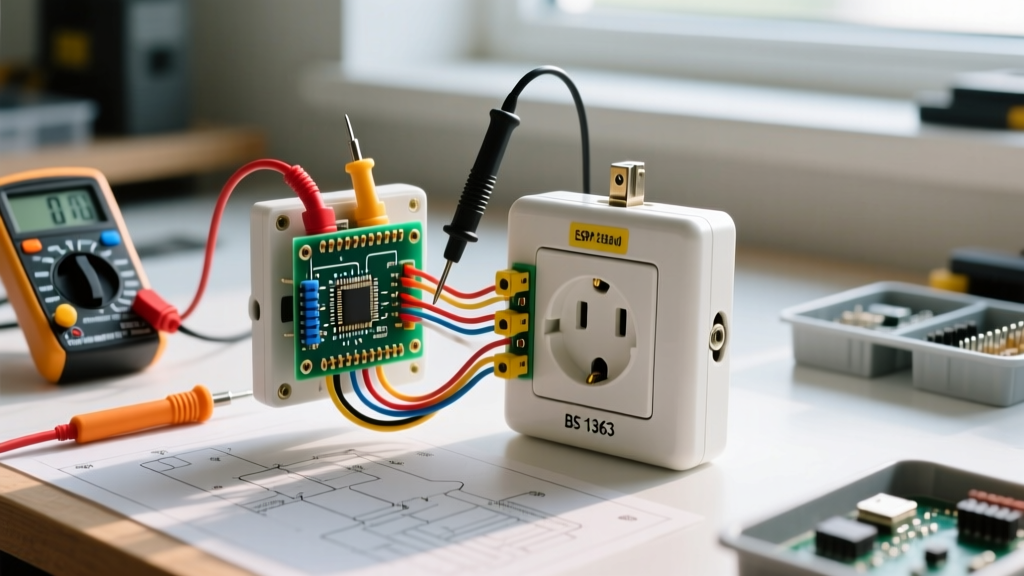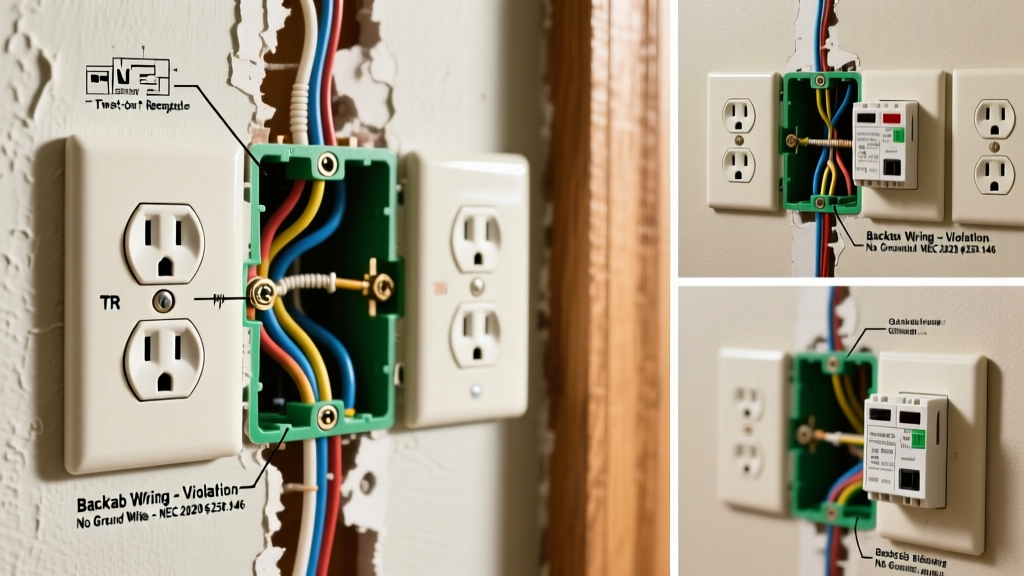

The Critical Role of the Electric Outlet Symbol in Material Procurement
Before you strip a single wire or mount an electrical box, the foundation of a successful rough-in begins with reading the blueprints. For DIYers, electricians, and general contractors, misinterpreting an electric outlet symbol on architectural or electrical plans is one of the most costly mistakes you can make. Ordering standard 15-amp receptacles when the blueprint specifies 20-amp commercial-grade units, or missing a weatherproof designation for an exterior wall, leads to failed inspections, return trips to the supply house, and wasted labor.
This guide bridges the gap between schematic design and physical execution. We will decode standard and specialty electric outlet symbols, translate them into exact material shopping lists, and identify the specific tools required for each installation type according to the latest 2023/2026 National Electrical Code (NEC) standards.
Anatomy of Standard Electric Outlet Symbols
Architectural blueprints use standardized symbols governed by ANSI and IEEE conventions to represent electrical devices. The baseline electric outlet symbol typically looks like a circle with two parallel lines extending from it, or a circle bisected by a line, often accompanied by a dollar sign ($) or specific letter designations.
The Core Receptacle Designations
- Standard Duplex (15A): Represented by a circle with two parallel lines or a simple '$' symbol. This indicates a standard NEMA 5-15R receptacle.
- Standard Duplex (20A): Often denoted by a circle with two parallel lines and a '20' next to it, or a '$' with a '20'. This requires a NEMA 5-20R receptacle and 12 AWG wiring.
- Switched Receptacle: A circle with the top half shaded black, or a '$' with the letter 'S' or 'SW'. This indicates a split-wired outlet where one half is controlled by a wall switch.
- Floor Receptacle: A circle with a diagonal line through it, or the letters 'FL'. Requires specialized brass or die-cast floor boxes and cover plates.
Translating Symbols into Your Material Shopping List
Understanding the symbol is only half the battle; the real expertise lies in translating that symbol into a precise bill of materials (BOM). Below is a procurement matrix to help you match blueprint symbols to the exact SKUs, wire gauges, and box types you need to pull from your supplier's shelves.
| Blueprint Symbol / Designation | Receptacle Type & SKU Example | Wire Gauge & Breaker | Required Box & Cover |
|---|---|---|---|
| $ (Standard 15A) | Leviton 5262-W (15A Duplex) | 14 AWG Cu / 15A Breaker | Carlon B618R-UPC 1-Gang |
| $ with '20' (20A) | Leviton 5362-W (20A Commercial) | 12 AWG Cu / 20A Breaker | Arlington 886 Deep 1-Gang |
| $ with 'GFI' or 'G' | Eaton GFTR2-15W (15A GFCI) | 14 or 12 AWG / 15A/20A | Extra-Deep Box + Pico GFCI Plate |
| $ with 'WP' (Weatherproof) | Hubbell WR525I (WR Rated) | 12 AWG Cu / 20A GFCI Breaker | Arlington 8180-1 In-Use Cover |
| $ with 'AFCI' or 'A' | Standard Receptacle + AFCI Breaker | 12 AWG Cu / 20A AFCI Breaker | Standard Non-Metallic Box |
Code Watch: According to the NFPA 70 National Electrical Code, all 125-volt through 250-volt receptacles installed in areas like kitchens, bathrooms, garages, and outdoors must have GFCI protection. Furthermore, AFCI protection is now mandated in almost all living spaces. Always cross-reference the architect's outlet symbol with the electrical engineer's panel schedule to ensure the correct breaker type is procured.
Essential Tools for Symbol-Specific Installations
Different electric outlet symbols dictate not just the materials, but the tooling required for a code-compliant installation. The Electrical Safety Foundation International (ESFI) heavily emphasizes proper termination torque to prevent arc faults and fires, a requirement strictly enforced in modern NEC adoptions.
Tool Matrix by Outlet Type
- Standard & Switched Outlets ($ / SW): You will need a high-quality wire stripper like the Klein Tools 11063W Katapult for clean 14/12 AWG stripping, and a non-contact voltage tester (e.g., Fluke 2AC-II) to verify the switched leg is dead before splitting the brass tab.
- 20A Commercial & GFCI Outlets (20 / GFI): Because these devices have larger terminal screws and stricter torque requirements, a calibrated torque screwdriver is mandatory. The Milwaukee 48-22-2804 (40-140 in-lbs) ensures you meet the manufacturer's exact pound-inch specifications printed on the back of the device.
- Weatherproof Outlets (WP): Installing exterior weatherproof symbols requires masonry bits (if mounting to brick/stucco) and a high-grade silicone sealant like GE Advanced Silicone 2 to seal the back of the Arlington in-use cover to the exterior wall, preventing moisture intrusion into the electrical box.
Common Blueprint Discrepancies and Edge Cases
Even with a firm grasp of the electric outlet symbol, you will encounter edge cases where the architectural plans conflict with the electrical schematics or local amendments. Here is how to troubleshoot these discrepancies before you begin rough-in.
The 'Isolated Ground' Confusion
Sometimes a blueprint will show a standard outlet symbol with a small orange triangle next to it, or the letters 'IG'. This denotes an Isolated Ground receptacle (often orange in color, like the Hubbell IG5362), typically used in medical facilities or sensitive audio/server rooms to reduce electromagnetic interference. Action: Do not install a standard receptacle here. You must pull an additional green insulated equipment grounding conductor all the way back to the main panel or a dedicated grounding bus, bypassing the box ground.
Tamper-Resistant (TR) Mandates
While blueprints rarely feature a specific symbol for Tamper-Resistant receptacles, the U.S. Department of Energy and NEC guidelines mandate that all 15A and 20A receptacles in dwelling units must be TR rated. Action: Regardless of whether the symbol explicitly says 'TR', always procure TR-rated devices (identified by the letters 'TR' stamped on the face) for any residential project to avoid failing your final inspection.
Frequently Asked Questions
What does a circle with a 'W' inside mean on an electrical plan?
A circle with a 'W' usually denotes a wall-mounted appliance outlet, such as a dedicated 240V receptacle for an electric dryer or a 120V outlet for a built-in microwave. Always check the panel schedule for the exact voltage and amperage, as this symbol does not specify the NEMA configuration.
Can I use a 15A receptacle on a 20A circuit if the blueprint shows a standard symbol?
Yes, NEC Article 210.21(B)(3) allows 15A receptacles on a 20A circuit as long as there is more than one receptacle on the circuit (a duplex outlet counts as two). However, if the blueprint specifically designates a single, dedicated 20A outlet symbol, you must use a 20A receptacle (NEMA 5-20R).
How do I identify a USB outlet on a blueprint?
USB receptacles are relatively new and lack a universal legacy symbol. Architects typically denote them by writing 'USB' next to the standard duplex symbol, or by using a custom legend key. Because USB outlets have deep heat sinks, ensure you order extra-deep electrical boxes (at least 22 cubic inches) to accommodate the bulky device bodies.