
The Hidden Fire Hazard in Your Junk Drawer
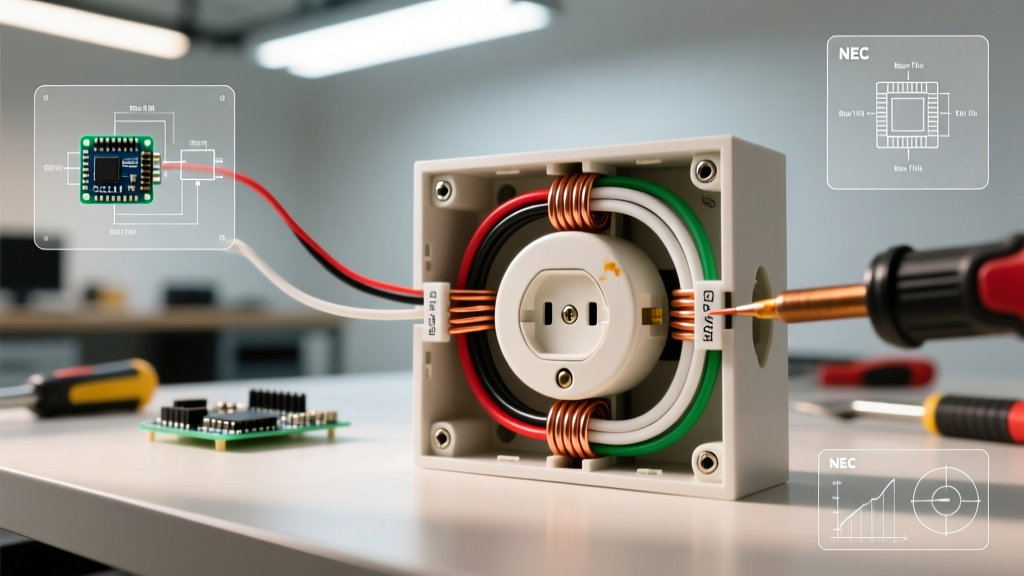
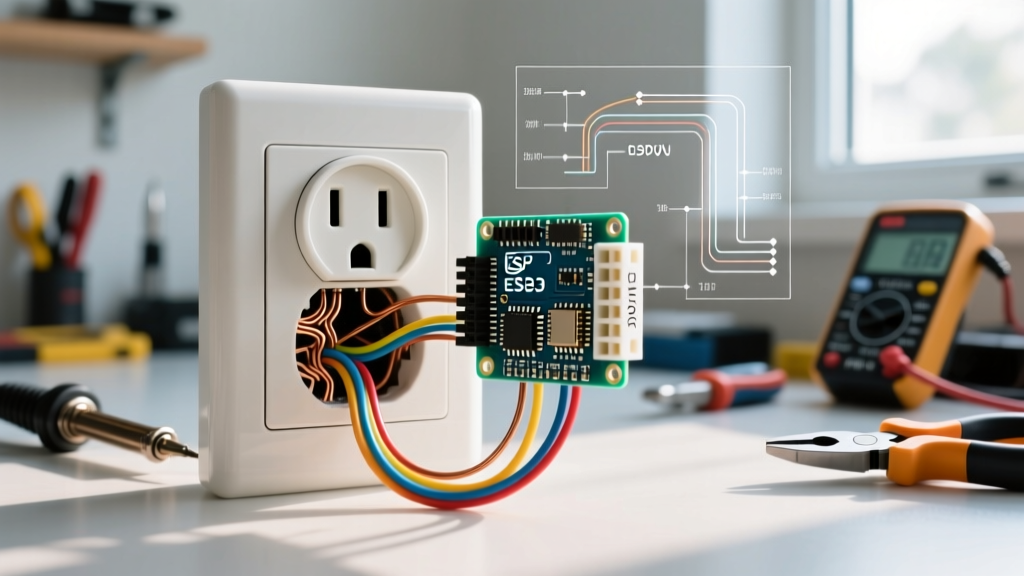
When upgrading to modern GFCI receptacles, USB-integrated outlets, or Wi-Fi enabled smart switches in 2026, the most overlooked component isn't the wire gauge or the breaker size—it is the hardware holding it all together. The wrong electric outlet screw size is a leading cause of hidden arc faults, stripped junction boxes, and failed UL listings. Many DIYers assume a screw is just a screw, reaching into a junk drawer for a spare machine screw or, worse, a drywall screw to secure a new $25 smart outlet. This is a critical error.
According to the National Fire Protection Association (NFPA), NEC Article 110.3(B) strictly mandates that listed equipment must be installed in accordance with the instructions included in the listing. Using an unapproved screw size or type voids the Underwriters Laboratories (UL) certification of the receptacle, shifting liability to the installer in the event of an electrical fire. This guide breaks down the exact engineering specifications, thread pitches, and failure modes associated with outlet hardware to ensure your next upgrade is both code-compliant and mechanically sound.
Decoding Electric Outlet Screw Sizes: The Master Chart
Standard North American electrical boxes and devices rely almost exclusively on the Unified National Coarse (UNC) thread standard. Below is the definitive breakdown of the three distinct screw types you will encounter during an outlet replacement.
| Screw Type | Standard Size | Diameter & TPI | Standard Length | Primary Function |
|---|---|---|---|---|
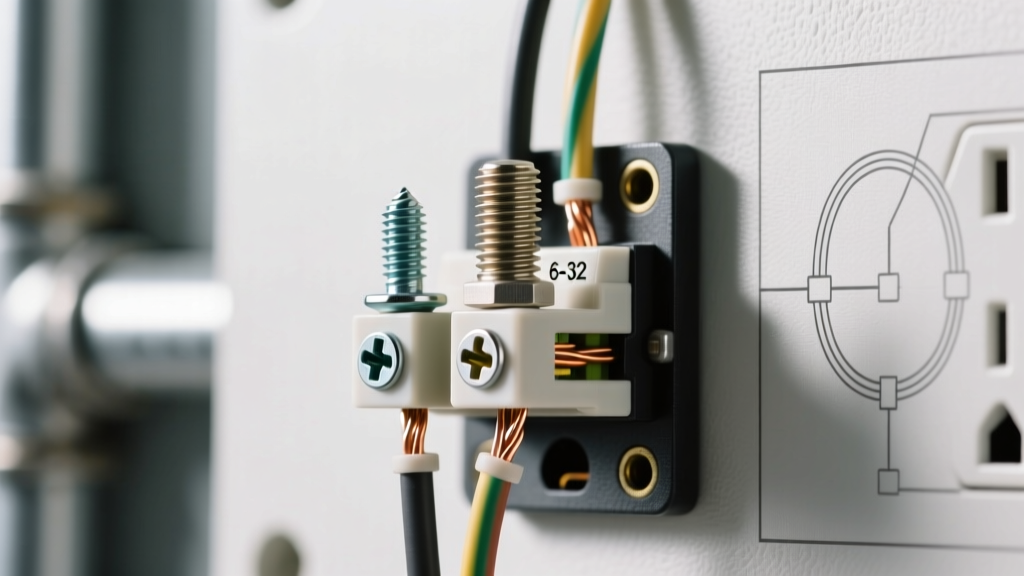
| Terminal Screws | #6-32 UNC | 0.138' / 32 TPI | Variable (Flush) | Securing hot, neutral, and ground wires to the brass/silver/green terminals. |
| Yoke (Mounting) Screws | #6-32 UNC | 0.138' / 32 TPI | 1/2', 3/4', 1' | Securing the device yoke (metal strap) to the junction box ears. |
| Cover Plate Screws | #6-32 UNC | 0.138' / 32 TPI | 1/4' to 5/16' | Attaching the decorative wall plate to the device yoke. |
| Heavy-Duty / Mud Ring | #8-32 UNC | 0.164' / 32 TPI | 1/2' to 1' | Used on 30A/50A receptacles, specific metal mud rings, and ceiling fan boxes. |
Terminal Screws: Why Standard Hardware Store 6-32 Screws Fail
The most dangerous mistake in outlet replacement is losing a brass terminal screw and attempting to replace it with a standard #6-32 machine screw purchased from a big-box hardware store. While the thread pitch (32 TPI) and diameter (#6) will physically thread into the receptacle's brass terminal block, standard machine screws lack three critical engineering features required for electrical safety:
- The Undercut Head: OEM terminal screws feature a specialized undercut beneath the combination (Phillips/slotted) head. This allows the screw to sit perfectly flush and apply even downward clamping force on the wire loop.
- The Serrated Flange or Square Washer: High-quality receptacles (like the Leviton T52-SI or Hubbell 5262) use terminal screws with built-in serrated flanges or captive square washers. These bite into the copper wire to prevent loosening from thermal expansion and contraction cycles.
- Torque Specifications: Under NEC 110.14(D), terminals must be tightened to the manufacturer's specified torque. For a standard 15A #6-32 terminal screw, this is typically between 12 and 14 inch-pounds. A standard hardware store screw head is not hardened to withstand this torque and will strip or snap under a calibrated torque screwdriver.
Expert Rule: If you strip or lose a factory terminal screw, do not attempt to replace it. The Electrical Safety Foundation International (ESFI) advises that compromised terminals lead to high-resistance connections. A high-resistance connection generates intense localized heat. Replace the entire $2 to $5 receptacle immediately.
Yoke Mounting Screws: Upgrading to Deep-Box Smart Outlets
As smart home technology advances in 2026, devices like the Leviton Decora Smart Wi-Fi outlets or Lutron Caseta switches require significantly more physical depth inside the junction box. This changes the mechanical dynamics of your yoke mounting screws.
The Length Dilemma: 1/2' vs. 3/4' vs. 1'
Standard metal and plastic junction boxes come with pre-tapped 6-32 mounting ears. The factory screws provided with a new receptacle are almost always 1/2-inch long. However, when upgrading older homes with wood paneling, ceramic tile backsplashes, or thick plaster, a 1/2-inch screw will only engage 2 or 3 threads in the metal box ear. This provides less than 40 lbs of pull-out strength, risking the outlet being ripped from the wall when a stiff plug is removed.
- Measure the Gap: Use a digital caliper to measure the distance from the top of the drywall/tile to the metal box ear.
- Select the Right Length: Buy a multipack of #6-32 UNC flat-head or pan-head machine screws in 3/4-inch and 1-inch lengths.
- Thread Engagement Rule: You must have a minimum of 4 full threads engaged in the steel box ear to achieve safe shear and pull-out strength.
The Drywall Screw Disaster: A Warning on Shear Strength
It is a common, albeit dangerous, shortcut for amateur handymen to use a #6 or #8 coarse-thread drywall screw to mount an outlet yoke to a metal junction box when the factory 6-32 screws are lost. This violates NEC 314.20 and introduces a severe mechanical failure point.
Drywall screws are manufactured from hardened, brittle steel designed for high tensile strength (pulling drywall to wood studs) but possess virtually zero shear strength. If a heavy appliance cord is yanked, or if the outlet is subjected to lateral torque during plug insertion, the brittle drywall screw can snap cleanly off inside the box ear. Furthermore, the aggressive bugle head of a drywall screw will chew up the soft aluminum or thin-gauge steel of the junction box ear, permanently destroying the mounting point. Always use soft-steel, flat-head #6-32 machine screws for metal boxes, and flat-head wood screws (only if the plastic box is specifically molded with unthreaded wood-screw bosses).
How to Fix Stripped Metal Box Threads (6-32 Retapping)
When upgrading old outlets, you will frequently encounter metal junction boxes where the 6-32 mounting ears have been stripped out by previous owners using the wrong screw size (often forcing an 8-32 or metric M4 screw into the hole). Instead of replacing the entire junction box inside the wall, you can restore the threads in under three minutes.
Step-by-Step Retapping Guide
- Turn Off Power: Verify the circuit is dead using a non-contact voltage tester and a multimeter.
- Acquire a Bottoming Tap: Purchase a #6-32 UNC bottoming tap (not a taper tap). A bottoming tap can cut threads all the way to the back of the shallow box ear.
- Use Cutting Fluid: Apply a drop of Tap Magic or 3-in-One oil to the tap to prevent galling the steel.
- Cut the Threads: Using a tap wrench, turn the tap clockwise one full turn, then reverse it a half-turn to break the metal chip. Repeat until the tap passes cleanly through the ear.
- Clear Debris: Use a can of compressed air to blow metal shavings out of the box. Never leave metal shavings inside a junction box, as they can cause short circuits.
Sourcing the Right Hardware for 2026 Upgrades
Finding the exact electric outlet screw size at a local hardware store can be frustrating, as they are often buried in unlabeled bins. For professional-grade results, source your hardware from specialized electrical suppliers or direct from manufacturers like Hubbell Wiring Systems or Ideal Industries. Keep a dedicated 'electrical hardware' bin in your toolkit stocked with:
- #6-32 UNC Flat Head Machine Screws (1/2', 3/4', 1') - for metal box yoke mounting.
- #6-32 UNC Pan Head Sheet Metal Screws - for plastic boxes with molded bosses.
- #6-32 UNC Combination Head Machine Screws (with captive washers) - strictly for cover plates and grounding pigtails, never for live terminals.
- #8-32 UNC Pan Head Screws - for heavy-duty 30A dryer/RV receptacles and specific deep mud rings.
Frequently Asked Questions
Can I use a metric M4 screw instead of a 6-32?
No. An M4 screw has a diameter of 4.0mm (0.157 inches) and a thread pitch of 0.7mm. A #6-32 screw has a diameter of 0.138 inches and 32 TPI (0.79mm pitch). While an M4 screw might forcefully wedge into a 6-32 hole, it will cross-thread, strip the box ear, and create a loose mechanical connection that fails to maintain the required grounding path continuity.
Why do some smart switches come with 8-32 screws?
Some high-amperage smart switches or specialized commercial-grade receptacles feature heavier internal bus bars that require 8-32 terminal screws to handle the increased thermal mass and torque requirements. Always use the exact hardware provided in the manufacturer's sealed bag.
Do I need to torque yoke mounting screws?
NEC 110.14(D) torque requirements apply specifically to electrical connections (terminal screws, lugs, busbars). Yoke mounting screws are purely mechanical and do not carry current; therefore, they simply need to be tightened until the device is flush and secure against the wall surface without bending the yoke strap.