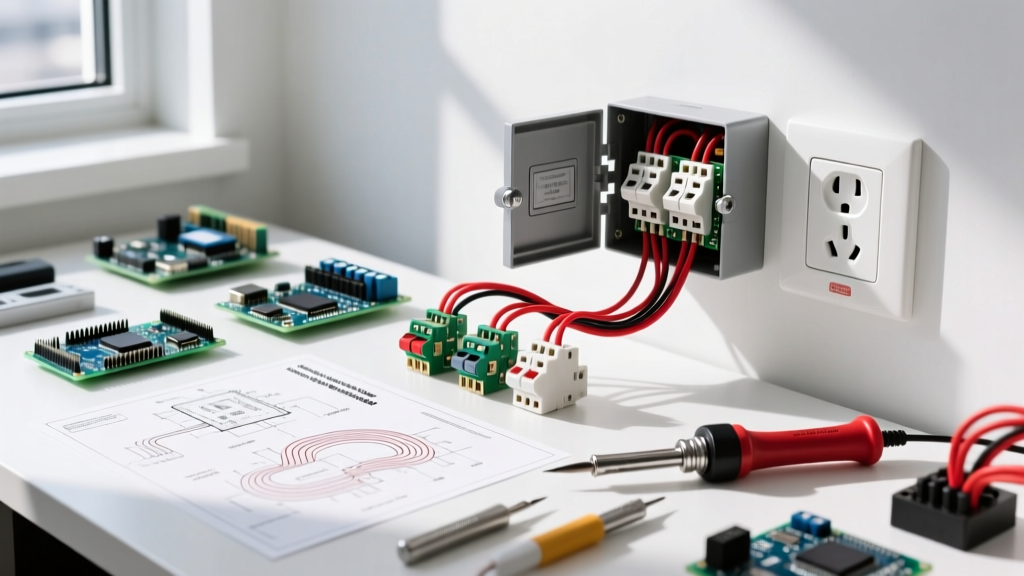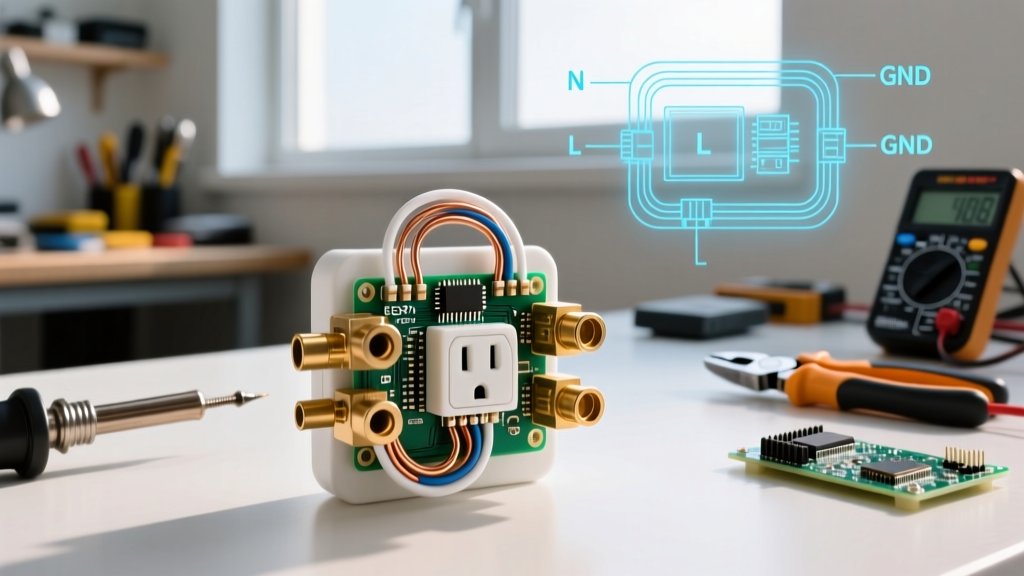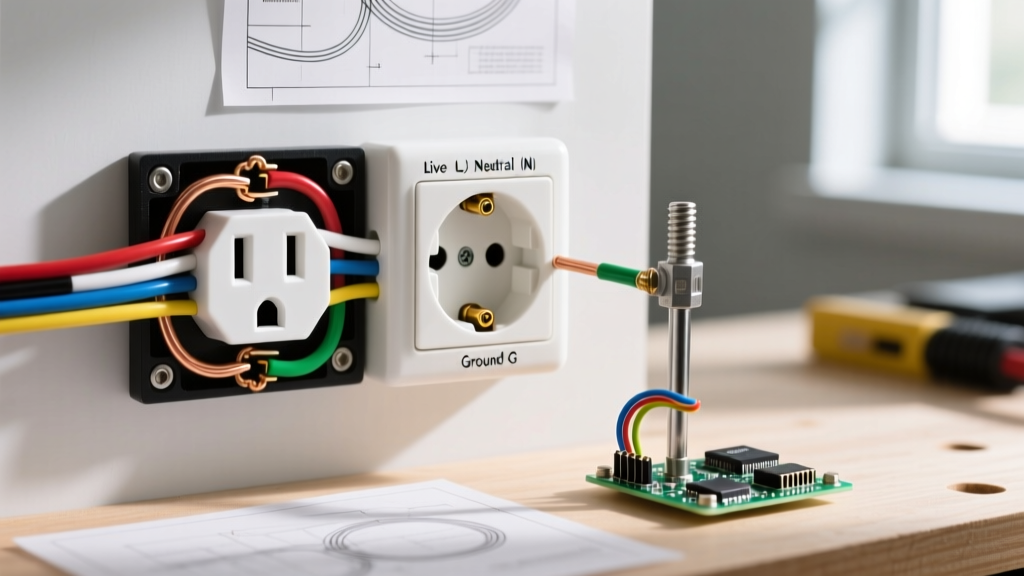

Understanding the Dominican Republic Electrical Outlet Standard
As of 2026, the Dominican Republic continues to see a massive influx of international real estate investors, expatriates, and DIY renovators. Whether you are upgrading a villa in Punta Cana, wiring a commercial space in Santo Domingo, or troubleshooting a rental in Sosúa, understanding the local electrical infrastructure is critical. The Dominican Republic electrical outlet standard is physically identical to that of the United States and Canada, operating on a nominal 110V/120V AC supply at 60Hz.
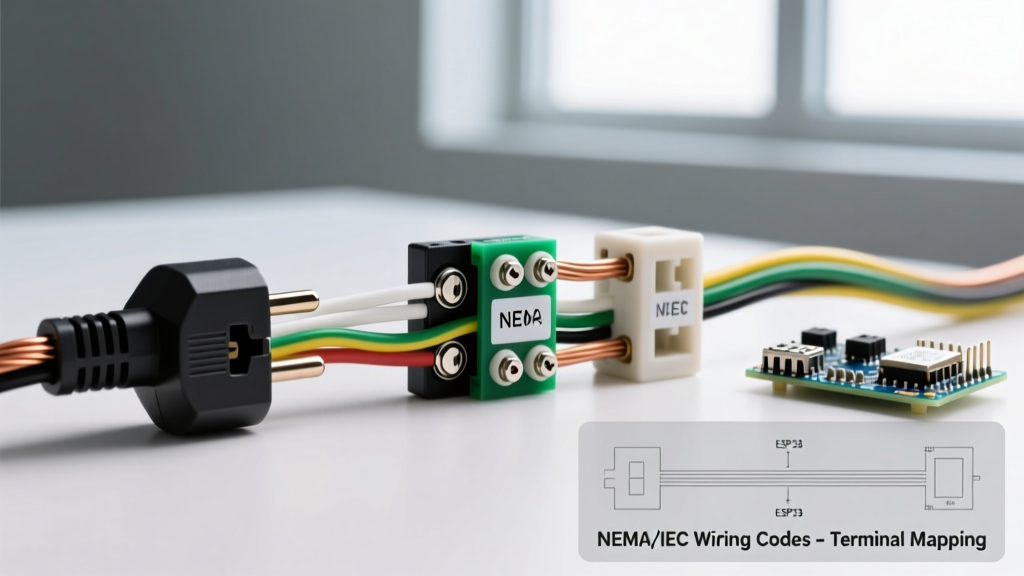
According to the NEMA WD-6 Standards, the country primarily utilizes two receptacle configurations:
- Type A (NEMA 1-15R): Two flat parallel pins (ungrounded). Rated for 15A at 125V. Often found in older construction or low-draw lighting circuits.
- Type B (NEMA 5-15R): Two flat parallel pins and a round grounding pin. Rated for 15A at 125V. The mandatory standard for all modern residential and commercial branch circuits.
Expert Insight: While the physical face of the receptacle matches North American standards, the wiring methods, conduit routing, and grounding realities behind the wall differ drastically from US NEC expectations due to local masonry construction and grid instability.
Local Code Compliance vs. US NEC Standards
The Dominican Republic's electrical regulations are governed by the Superintendencia de Electricidad (SIE) and the Reglamento para la Ejecución de la Ley General de Electricidad. While the Dominican code heavily references the US National Electrical Code (NEC), local enforcement, material availability, and construction techniques create a unique landscape for electrical safety.
| Feature | US NEC Standard | Dominican Republic Typical Practice |
|---|---|---|
| Wall Construction & Wiring | Concealed NM-B (Romex) through wood/metal studs. | Surface-mounted or embedded PVC conduit (Legrand/Lincoln) in solid concrete block (block de hormigón). |
| Grounding Electrode | Copper-clad steel rod (8 ft min) + Ufer ground. | Often limited to a single 4-6 ft galvanized rod; Ufer grounds are rare in residential builds. |
| Receptacle Spacing | Max 12 ft apart; no point along a wall >6 ft from an outlet. | Highly variable; often dictated by room symmetry rather than strict appliance-cord reach codes. |
| GFCI / AFCI Protection | Mandatory in wet areas (GFCI) and living spaces (AFCI). | GFCI required in wet areas by code, but AFCI breakers are rarely installed or stocked locally. |
| Wire Insulation | THHN/THWN-2 in conduit; NM-B in cavities. | THHN/THWN-2 pulled through PVC conduit is the universal standard. |
Grounding Realities and Safety Hazards
The most significant safety hazard associated with a Dominican Republic electrical outlet is the missing or compromised equipment grounding conductor (EGC). Because the local grid (managed by distributors like EDENORTE, EDESTE, and EDERSUR) experiences frequent voltage sags, surges, and transformer blown fuses, a reliable ground path is essential for surge protective devices (SPDs) to function.
Common Failure Modes in DR Construction
- The 'Bootleg' Ground: To pass a superficial visual inspection, some local electricians will jumper the neutral terminal to the ground terminal on a Type B receptacle. This creates a severe shock hazard if the neutral wire becomes disconnected upstream, energizing the appliance chassis to 120V.
- High-Resistance Connections: Due to the humidity in coastal areas like Puerto Plata and La Romana, oxidation on improperly torqued terminal screws leads to arcing and melted receptacle faces.
- Shared Neutrals in Multi-Wire Branch Circuits: Often wired without handle-tied breakers, posing a lethal risk during panel maintenance.
To verify outlet safety, do not rely on cheap $10 receptacle testers. Use a professional-grade tester like the Klein Tools RT210 or a Fluke 117 True-RMS Multimeter to measure Line-to-Ground (should be ~115V) and Neutral-to-Ground (should be <2V under load). For comprehensive grounding compliance, reference the safety principles outlined by OSHA Wiring Methods and Components Standards, which apply universally to equipment grounding integrity.
Step-by-Step: Upgrading to a Safe Type B Receptacle
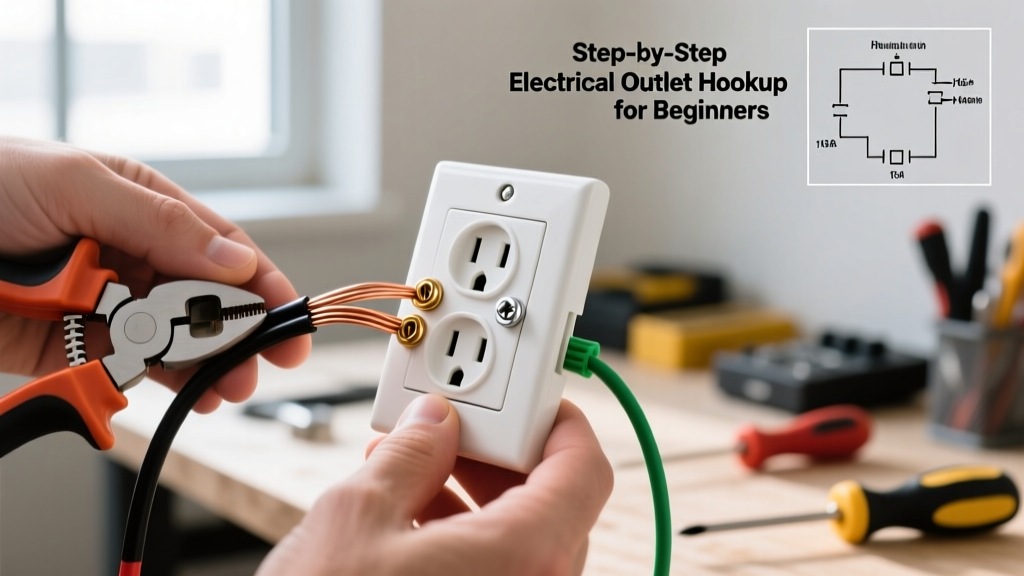
If you are replacing an outdated, ungrounded Type A outlet or a damaged Type B receptacle in a Dominican property, follow this precise procedure to ensure code compliance and longevity.
Materials Required
- Receptacle: Leviton 5262-SW (SmartlockPro 15A Tamper-Resistant Duplex). Cost: ~350-500 DOP ($6-$8 USD) at local ferreterías like Ochoa or Ferretería Americana.
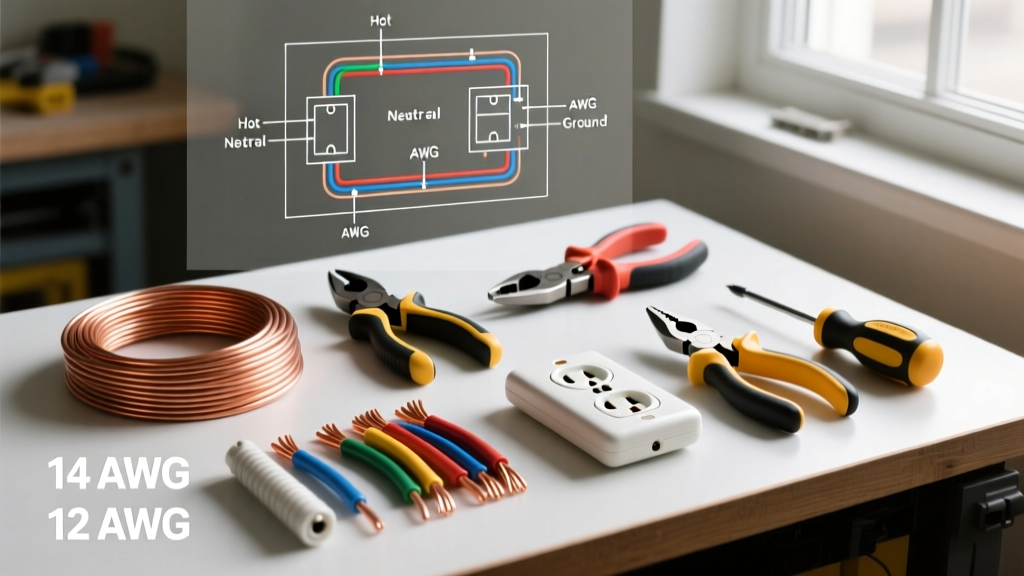
- Wire: 12 AWG THHN (for 20A circuits) or 14 AWG THHN (for 15A circuits). Ensure it is certified by Dominican quality standards.
- Tools: Klein 11055 wire strippers, Wiha 320P torque screwdriver.
Installation Procedure
- Isolate Power: Turn off the breaker at the main distribution panel (Centro de Carga). Verify zero voltage using a non-contact voltage tester (NCVT) and a multimeter.
- Prepare the Wires: Strip exactly 3/4 inch of insulation from the THHN conductors. Do not nick the copper.
- Terminate: Connect the bare/green EGC to the green grounding screw. Connect the white neutral to the silver screw, and the black hot to the brass screw. Never use the push-in backstab holes; they are notorious for failing under the high-draw loads of Dominican mini-split AC units.
- Torque to Spec: Use a torque screwdriver set to 14 in-lbs (the standard spec for Leviton 15A/20A commercial grade devices). This prevents the high-resistance heating that causes fires.
- Secure and Test: Mount the device to the PVC mud ring, install the faceplate, and test with a Fluke multimeter.
Surge Protection and Voltage Regulation
The International Trade Administration notes that while the Dominican Republic has vastly improved its grid stability over the last decade, localized brownouts and lightning-induced transients remain common, especially during the hurricane season (June to November).
A standard Dominican Republic electrical outlet does not provide inherent surge protection. To protect sensitive electronics (laptops, Starlink routers, medical devices), you must implement a layered defense:
- Point-of-Use (Type 3 SPD): Use an isolation transformer with surge suppression, such as the Tripp Lite IS500HG (approx. $130 USD). This provides a separately derived system, eliminating neutral-ground noise and protecting against common-mode surges.
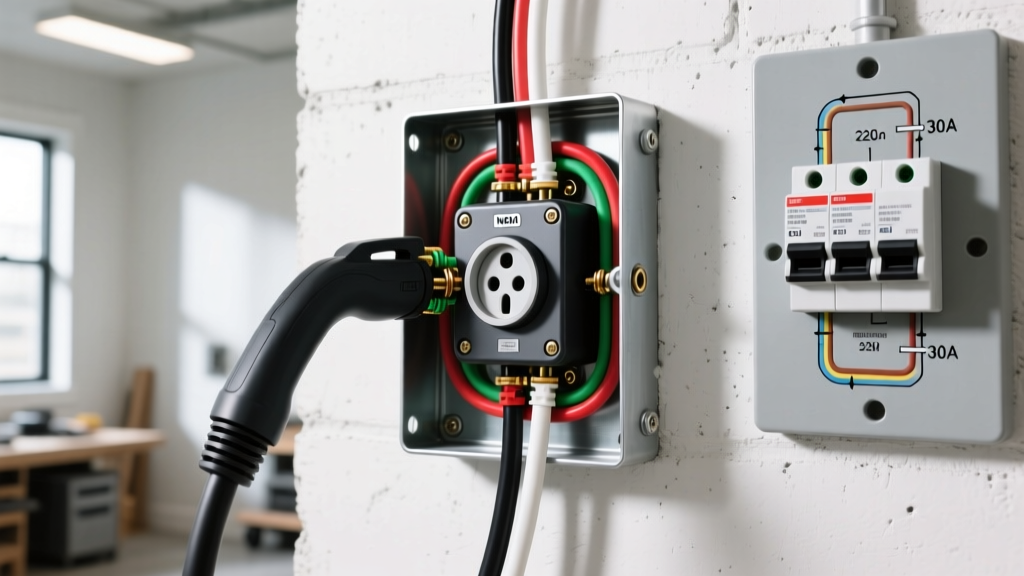
- Whole-Home (Type 1 & 2 SPD): Install a Square D HEPD80 or Eaton CHSPT2ULTRA directly at the main breaker panel. This requires a dedicated 2-pole 50A breaker and a verified, low-impedance grounding electrode system.
Frequently Asked Questions (FAQ)
Can I use US-purchased appliances in a Dominican Republic electrical outlet?
Yes. Because the DR uses the exact same 110V/120V 60Hz standard and NEMA 1-15 / 5-15 physical plug shapes as the US, appliances purchased in North America will work natively. However, ensure the appliance can tolerate voltage fluctuations between 105V and 130V, which are common on local distribution networks.
Why does my GFCI outlet keep tripping in the DR?
GFCI (Ground Fault Circuit Interrupter) nuisance tripping in the Dominican Republic is usually caused by one of two things: 1) Shared neutral wiring upstream, which creates an imbalance the GFCI detects as a ground fault, or 2) High humidity and salt air penetrating outdoor or poorly sealed indoor receptacles, causing micro-leakage currents to ground. Upgrade to a weather-resistant (WR) GFCI like the Leviton GFWT2-W.
Is aluminum wiring legal in Dominican Republic outlets?
While copper is the standard and highly recommended, aluminum branch circuit wiring (AA-8000 series) is technically permitted under specific local codes if properly terminated. However, many older or budget builds used undersized or improperly terminated aluminum wire, leading to oxidation and fires. If you encounter aluminum wire at an outlet, you must use CO/ALR rated receptacles or pigtail to copper using Alumiconn connectors and apply Noalox antioxidant paste.