
The True Cost to Replace an Electrical Outlet: DIY vs. Professional
If you are asking, how much does it cost to replace an electrical outlet, the answer depends entirely on whether you are tackling the job yourself or hiring a licensed electrician. For a standard DIY replacement, the material cost ranges from $2 to $45 per receptacle, depending on the technology and grade. If you hire a professional, expect to pay between $125 and $250 per outlet when factoring in minimum service call fees and hourly labor rates.
As a core part of any home maintenance toolkit, replacing a worn, loose, or outdated receptacle is a high-value, low-cost upgrade. However, the modern electrical landscape requires specific tamper-resistant, GFCI, or AFCI devices to meet current National Electrical Code (NEC) standards. Below, we break down the exact material costs, essential tool investments, and hidden edge cases that can inflate your budget.
Material Cost Matrix: Receptacle Types and Pricing
Not all outlets are created equal. The price of the physical receptacle varies based on amperage, safety features, and smart capabilities. Below is a 2026 pricing guide based on industry-standard commercial and residential models.
| Receptacle Type | Recommended Model | Amperage | Avg. Cost (Each) | Best Use Case |
|---|---|---|---|---|
| Standard Tamper-Resistant (TR) | Leviton T5262-E | 15A | $3.50 - $5.00 | Bedrooms, living rooms, hallways |
| Commercial Grade TR | Leviton 5362-W | 20A | $6.00 - $9.00 | Kitchens, garages, high-use areas |
| Standard GFCI (Slim Fit) | Leviton GFNT1-W | 15A | $18.00 - $24.00 | Bathrooms, exteriors, basements |
| Dual-Function (AFCI/GFCI) | Leviton AGFTR1-W | 15A | $38.00 - $45.00 | Kitchens, laundry rooms (NEC required) |
| USB Type-C/A Outlet | Leviton T5632 | 15A | $28.00 - $35.00 | Bedside tables, kitchen islands |
| Smart Wi-Fi Outlet | Kasa EP25 / Leviton DW15R | 15A | $22.00 - $30.00 | Living room lamps, holiday lighting |
Pro Tip: Always purchase Tamper-Resistant (TR) receptacles. According to the Electrical Safety Foundation International (ESFI), TR receptacles feature internal shutters that prevent children from inserting foreign objects, and they are now mandated by the NEC in almost all residential living spaces. They cost only $1 to $2 more than non-TR models.
The Essential Tool Kit: What You Need to Buy
If you do not already own electrical tools, you must factor their cost into your first project. Do not compromise on safety tools; a $25 investment prevents catastrophic shocks.
- Non-Contact Voltage Tester ($25 - $35): The Klein Tools NCVT-3 is the industry standard. It detects AC voltage from 12V to 1000V and includes a built-in flashlight. Never open a junction box without verifying the power is dead.
- Wire Strippers ($20 - $30): The Klein Tools 11063W (for 10-22 AWG) ensures you strip the insulation without nicking the copper conductor, which creates a weak point and potential fire hazard.
- Insulated Screwdrivers ($15 - $25): A 1000V-rated insulated Phillips and slotted set (like the Wiha 32090) provides a critical secondary layer of protection against accidental contact with live terminals.
- Receptacle Tester ($10 - $15): A simple 3-light tester (e.g., Gardner Bender GFI-6302) verifies correct wiring and tests GFCI trip functions once the new outlet is installed.
Total Tool Investment: $70 - $105. If you already own these, your DIY cost is strictly limited to the price of the receptacle itself.
Professional Electrician Labor Rates
If the wiring is degraded, the box is damaged, or you simply prefer not to work with electricity, hiring a licensed professional is the safest route. The National Fire Protection Association (NFPA) strongly recommends that all electrical modifications comply with local codes, which a licensed electrician guarantees.
Cost Breakdown for Pro Installation
- Hourly Rate: $85 to $150 per hour, depending on your regional market and the electrician's licensing level (Journeyman vs. Master).
- Minimum Service Call Fee: $100 to $150. This covers the first 30 to 60 minutes of travel and diagnostic time.
- Per-Outlet Labor Charge: If replacing multiple outlets in a single visit, electricians typically charge $40 to $75 per outlet for the labor, plus the cost of materials.
Scenario: Replacing a single standard outlet will cost roughly $150 (minimum call fee + $5 part). Replacing 10 standard outlets in one visit will cost roughly $550 to $750 total, dropping the per-unit cost significantly.
Hidden Cost Triggers and Edge Cases
When asking how much it costs to replace an electrical outlet, most guides ignore the physical realities of older homes. When you pull the old receptacle out of the wall, you may encounter these budget-altering edge cases:
1. Backstabbed (Push-In) Wiring Connections
Many builder-grade outlets from the 1990s and 2000s use push-in 'backstab' connections rather than screw terminals. These connections are notorious for loosening over time due to thermal expansion and contraction, leading to arcing. The U.S. Consumer Product Safety Commission (CPSC) notes that loose electrical connections are a primary driver of residential electrical fires. The Fix: When installing the new outlet, you must strip the wires back and attach them to the side screw terminals, or use wire nuts to create pigtails. This costs $0 in extra parts but adds 5 minutes of labor per outlet.
2. Aluminum Wiring (Pre-1972 Homes)
If your home was built or renovated between 1965 and 1972, you may have aluminum branch circuit wiring. Standard brass-terminal outlets will react chemically with aluminum, causing oxidation, high resistance, and severe fire risks. The Fix: You must purchase specialized CO/ALR rated receptacles (e.g., Leviton 20-Amp CO/ALR, approx. $12 each) or use Alumiconn lug connectors to pigtail copper to the aluminum wires (approx. $4 per connection).
3. Shallow Junction Boxes
Modern GFCI and Smart outlets have massive internal electronics housings. If your home has shallow 2.5-inch deep junction boxes, the new outlet simply will not fit, and the drywall will bulge. The Fix: You will need to install a plastic box extender (e.g., Arlington BE1, approx. $2.50) to bridge the gap between the old box and the drywall, ensuring a flush, code-compliant fit.
Frequently Asked Questions (FAQ)
Can I replace a standard outlet with a GFCI outlet myself?
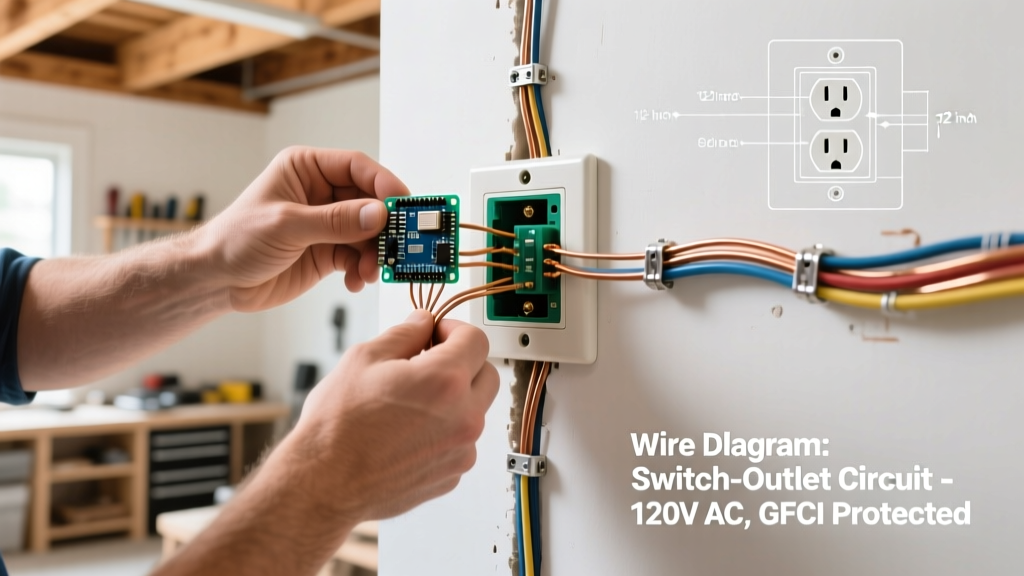
Yes, provided the wiring is copper and in good condition. A GFCI outlet replaces a standard outlet by connecting the incoming 'Line' wires to the LINE terminals. If you want to protect downstream outlets, you connect the outgoing wires to the LOAD terminals. Ensure the box has enough depth (at least 2.75 inches) to accommodate the larger GFCI body.
Why does my new outlet cost $40 when the old one cost $1?
Older homes often feature basic 15A non-grounding or early standard duplex receptacles that cost pennies in bulk. Modern NEC code requires Tamper-Resistant (TR) shutters, and specific zones (kitchens, bathrooms, laundry) require GFCI or Dual-Function AFCI/GFCI protection, which contain internal microprocessors and relays, driving the manufacturing cost up to the $35-$45 range.
Do I need a permit to replace an electrical outlet?
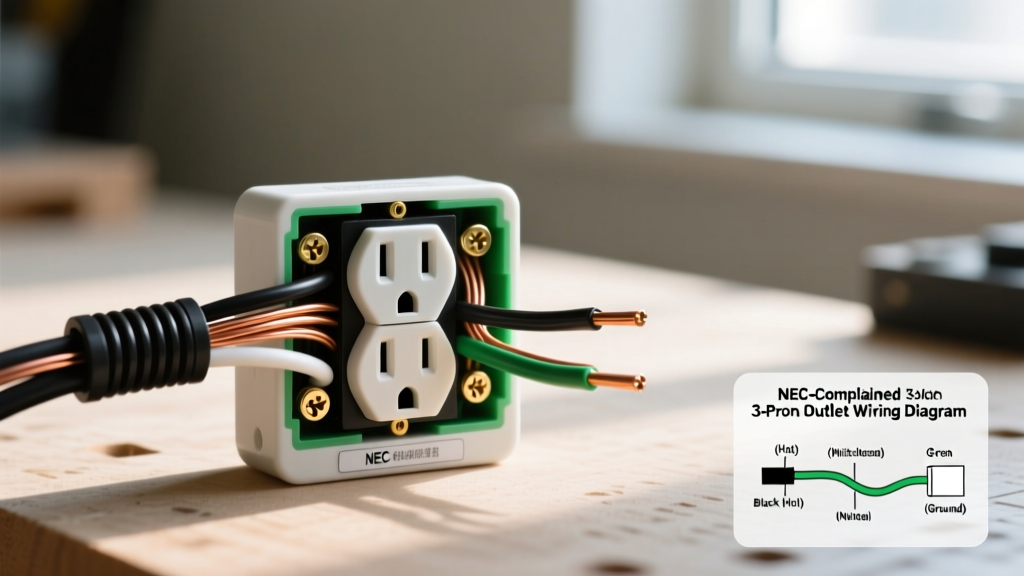
In most jurisdictions, a 'like-for-like' replacement of an existing receptacle does not require a permit or an inspection. However, if you are adding a new outlet location, running new wire, or upgrading a 2-prong ungrounded outlet to a 3-prong grounded outlet (which requires pulling new ground wire or specific GFCI labeling), a permit is usually required by your local building department.