
The Shift to Commercial Powersports Electrification
The rapid adoption of electric utility vehicles and high-performance e-bikes has fundamentally altered the electrical infrastructure requirements for commercial dealerships. When reviewing project portfolios—specifically the atv wholesale outlet electric bikes and powersports photos from recent 2026 commercial dealership upfits—electrical contractors notice a distinct pattern. These facilities are no longer just showrooms; they are high-draw charging depots. Transitioning a traditional powersports wholesale outlet to support fleets of electric ATVs (like the 2026 Polaris Ranger Kinetic) and high-capacity e-bikes (such as the Sur-Ron Light Bee X) demands rigorous attention to outlet wiring, continuous load derating, and commercial garage code compliance.
This guide dissects the common wiring scenarios found in these specialized commercial environments, translating visual project documentation into actionable electrical engineering and installation standards.
Decoding the Visual Evidence: What the Photos Reveal
A close analysis of the atv wholesale outlet electric bikes and powersports photos from modern upfits reveals three critical electrical zones: the high-amperage fast-charging bays, the GFCI-protected diagnostic service areas, and the expansive showroom floors. Each zone presents unique wiring challenges that go far beyond standard residential receptacle installation. Commercial electricians must account for continuous load calculations, harsh environmental factors, and strict National Electrical Code (NEC) mandates for commercial garages.
Scenario 1: High-Amperage 240V Fast-Charging Receptacles
The backbone of any electric powersports wholesale outlet is the 240V charging infrastructure. While residential setups often rely on standard NEMA 14-50R receptacles, commercial environments demand a more robust approach to handle simultaneous charging of multiple 10kWh to 30kWh battery packs.
Wire Sizing and Continuous Load Derating
Under NEC Article 625.41, Electric Vehicle Supply Equipment (EVSE) is classified as a continuous load. This means the circuit must be rated at 125% of the maximum continuous current. A 40A Level 2 charger requires a 50A breaker. However, in a commercial warehouse setting, ambient temperature and conduit fill often require upsizing the conductors.
For a 50A circuit utilizing THHN copper wire in EMT conduit, 6 AWG is the baseline. However, if the conduit contains more than three current-carrying conductors (common when running multiple charger circuits in a single raceway), you must apply derating factors from NEC Table 310.15(C)(1). In most commercial upfits, electricians pull 4 AWG THHN copper to compensate for these derating factors and to minimize voltage drop over long warehouse runs.
| Scenario | Breaker Size | Max Continuous Load | Recommended Wire (THHN) | Conduit Fill Limit (3/4" EMT) |
|---|---|---|---|---|
| Single Circuit Run (<50 ft) | 50A | 40A | 6 AWG Copper | 4 conductors |
| Multiple Circuits in Raceway | 50A | 40A | 4 AWG Copper | 3 circuits (12 conductors) |
| Long Run (>100 ft) | 50A | 40A | 3 AWG Copper | 2 circuits (8 conductors) |
Receptacle Torque Specifications
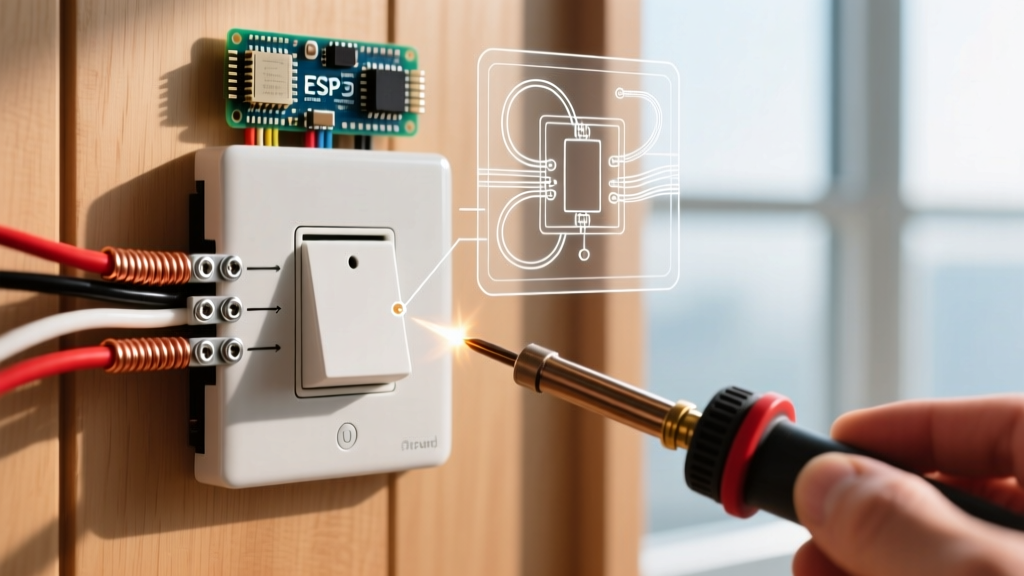
A frequent failure point identified in post-installation thermal scans of commercial outlets is loose terminal connections. When wiring heavy-duty NEMA 14-50R receptacles (such as the Leviton 9300-P or Hubbell 9450A), the terminal screws must be torqued to the manufacturer's exact specifications—typically 45 in-lbs. Using a calibrated torque screwdriver is mandatory to prevent arcing and thermal runaway under continuous 40A loads.
Scenario 2: Navigating GFCI Requirements in Commercial Garages
One of the most heavily debated scenarios in commercial EV wiring is Ground Fault Circuit Interrupter (GFCI) protection. The NEC has progressively expanded GFCI requirements, and commercial garages are now strictly regulated.
NEC Mandates for Commercial Spaces
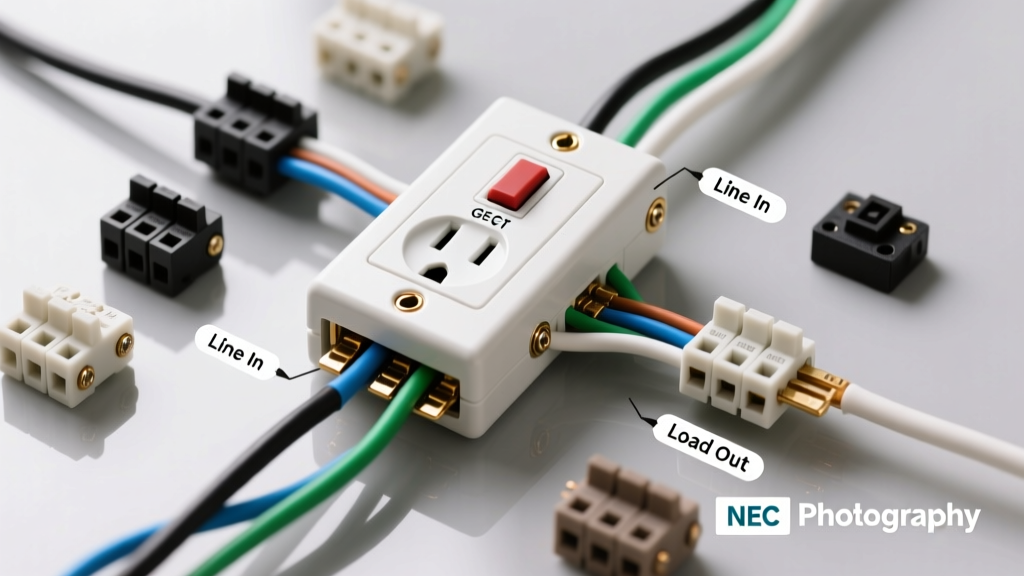
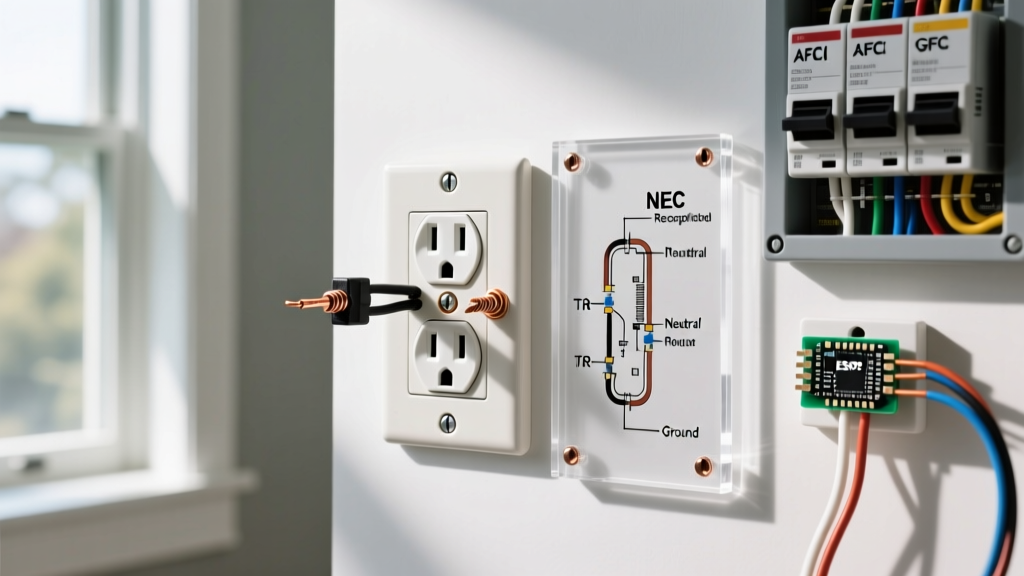
According to NEC Section 210.8(F), all 15A and 20A, 125V and 250V receptacles installed in commercial garages must have GFCI protection. This includes the standard 120V outlets used for diagnostic laptops, battery tenders, and hand tools in the service bays of the wholesale outlet.
For the 240V EVSE circuits, the code requires GFCI protection for receptacles rated 50A or less. However, this creates a known engineering conflict: many older or lower-tier EVSE units have internal EMI filters that leak a small amount of current to ground, which can accumulate and cause nuisance tripping on standard 50A GFCI breakers (like the Eaton BR250GFICB).
The Hardwired Solution
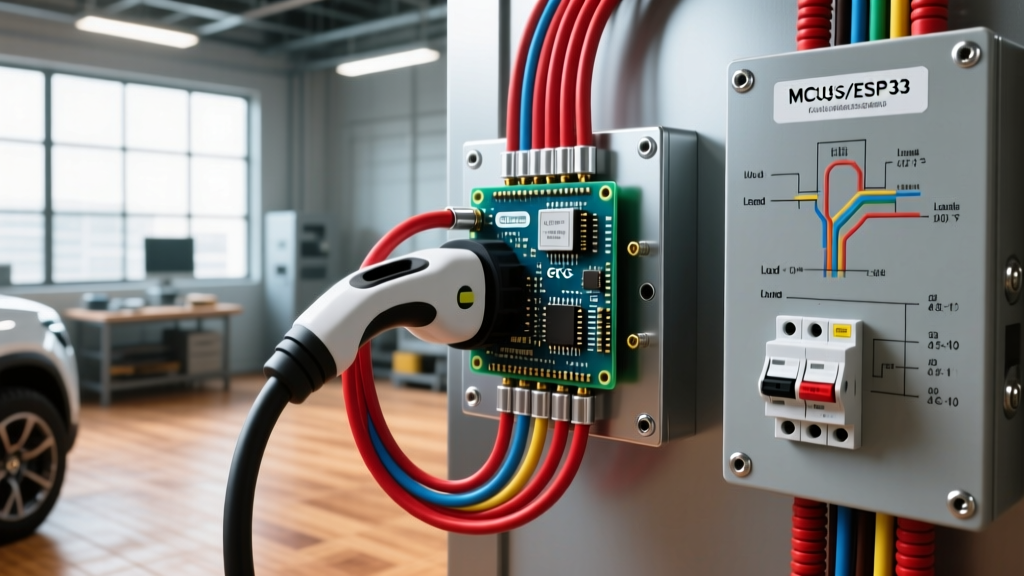
To circumvent nuisance tripping and eliminate the need for an expensive, high-amperage GFCI breaker, the atv wholesale outlet electric bikes and powersports photos from top-tier installations frequently show hardwired EVSE units. By hardwiring the commercial charging stations (such as the ChargePoint Express 250 or Blink HQ 200), the receptacle GFCI requirement is bypassed, as the EVSE itself contains internal ground-fault protection rated specifically for EV charging dynamics.
Scenario 3: Mitigating Voltage Drop in Expansive Showrooms
Wholesale powersports outlets are massive, often exceeding 20,000 square feet. Running branch circuits from the main distribution panel to showroom display outlets and distant charging bays introduces significant voltage drop. While the NEC recommends a maximum 3% voltage drop for branch circuits (Informational Note to 210.19), commercial facilities must adhere to this strictly to ensure sensitive e-bike battery management systems (BMS) do not reject the charging current.
The Voltage Drop Calculation
When planning the layout based on the facility's architectural plans and reference atv wholesale outlet electric bikes and powersports photos, electricians must calculate voltage drop using the standard formula:
VD = (2 × K × I × D) / CM
Where K = 12.9 (Copper), I = Current (Amps), D = One-way distance (Feet), CM = Circular Mils of the conductor.
For a 120V, 20A commercial display outlet located 150 feet from the panel, using standard 12 AWG copper wire (6,530 CM) results in a 7.1V drop (nearly 6%). This exceeds the 3% threshold and will cause premature failure of display lighting and sensitive diagnostic equipment. The solution is to upsize the branch circuit conductors to 10 AWG or 8 AWG copper for long showroom runs, even though the overcurrent protection device remains a 20A breaker.
Panelboard Scheduling and Thermal Verification
The final critical scenario involves the main electrical panel. A commercial powersports dealership upgrading to support electric ATVs and e-bikes will frequently require a panel upgrade from a standard 400A service to an 800A or 1200A 3-phase service. According to data from the Alternative Fuels Data Center, commercial EV infrastructure often requires dedicated transformers to handle the localized demand spikes when multiple fast-chargers initiate simultaneously.
Thermal Imaging for Preventative Maintenance
Once the outlets, breakers, and panelboards are installed, the job is not complete without thermal verification. Commercial electricians use FLIR thermal imaging cameras to scan all newly installed NEMA 14-50R receptacles and panelboard bus bars under full load. Any connection showing a temperature delta of more than 15°F above ambient or adjacent phases indicates a high-resistance fault that must be re-torqued immediately. This step is crucial for maintaining compliance with OSHA electrical safety standards regarding the installation and maintenance of commercial electrical equipment.
Summary of Best Practices
- Always Derate for Continuous Loads: Treat all EVSE installations as continuous loads, sizing breakers at 125% of the maximum draw.
- Upsize for Conduit Fill: In commercial warehouse runs, multiple circuits in a single EMT conduit require wire upsizing to account for thermal heat buildup.
- Hardwire When Possible: Bypass commercial 50A GFCI nuisance tripping by utilizing hardwired, internally protected EVSE units.
- Calculate Voltage Drop: Never rely on standard wire gauges for runs exceeding 75 feet in large wholesale showroom spaces.
- Torque to Spec: Use a calibrated inch-pound torque screwdriver on all heavy-duty receptacle terminals to prevent thermal failure.
By applying these rigorous commercial wiring standards, electrical contractors can ensure that modern powersports dealerships are safely and efficiently equipped to handle the high-demand reality of 2026's electric ATV and e-bike fleets.