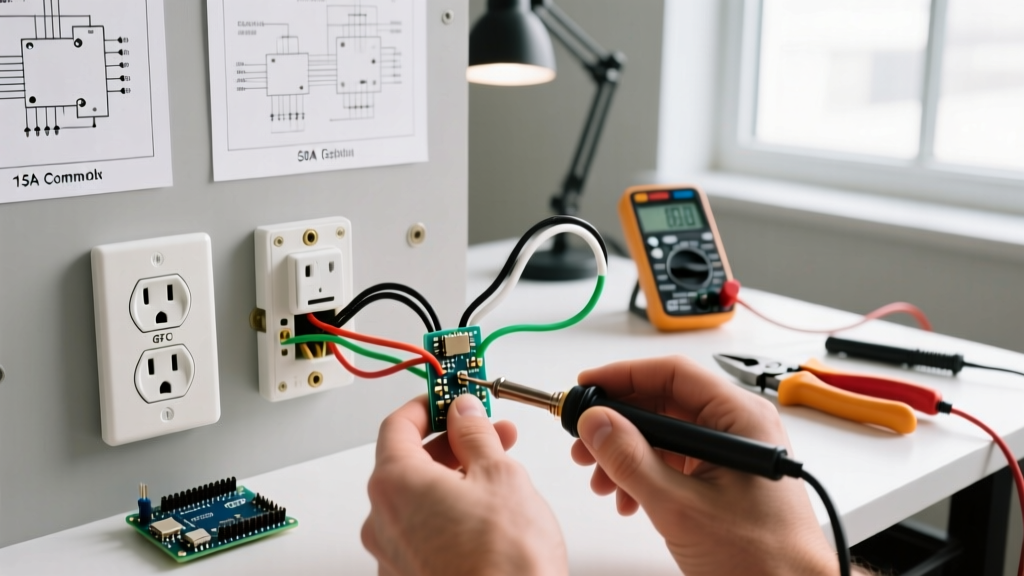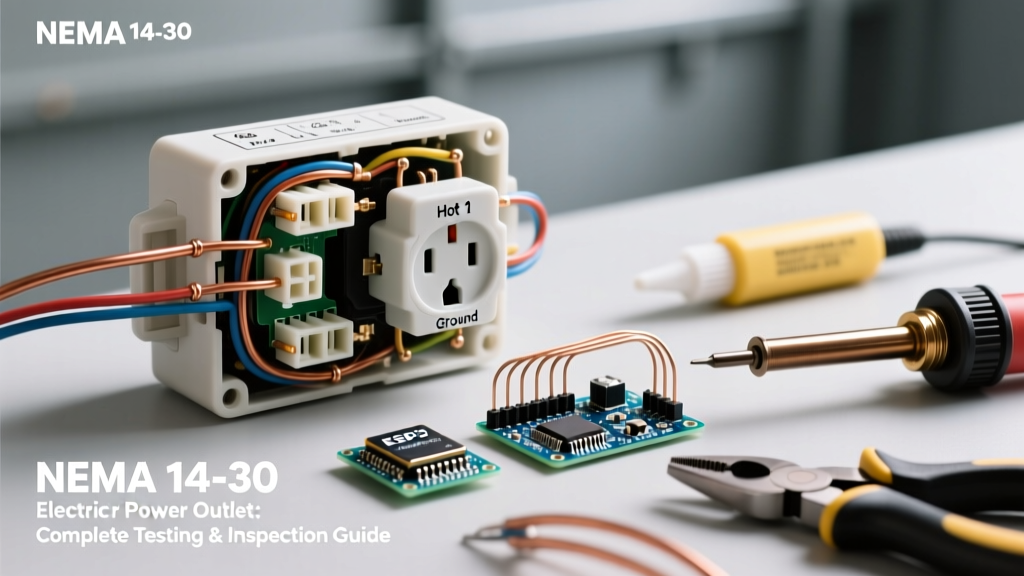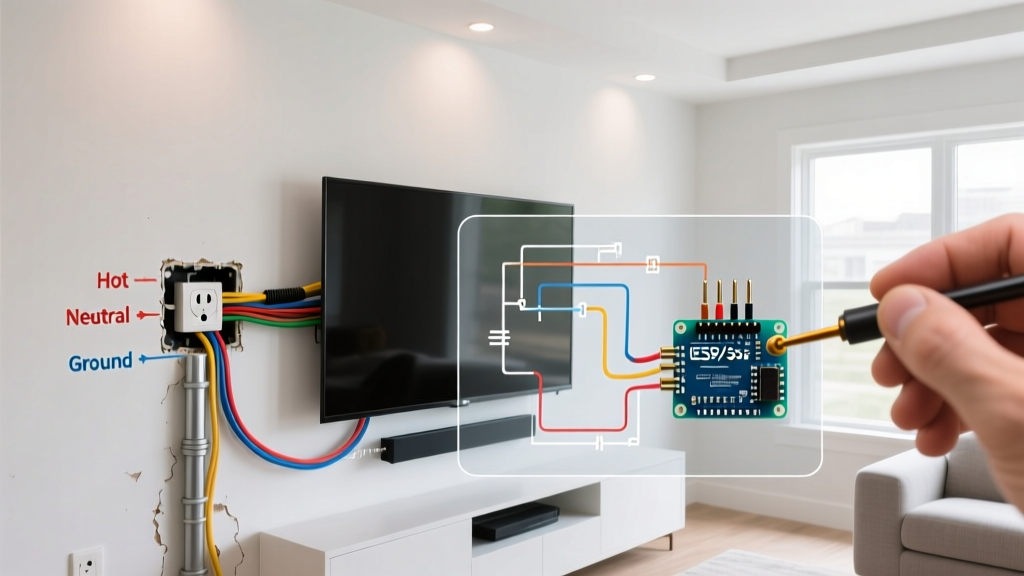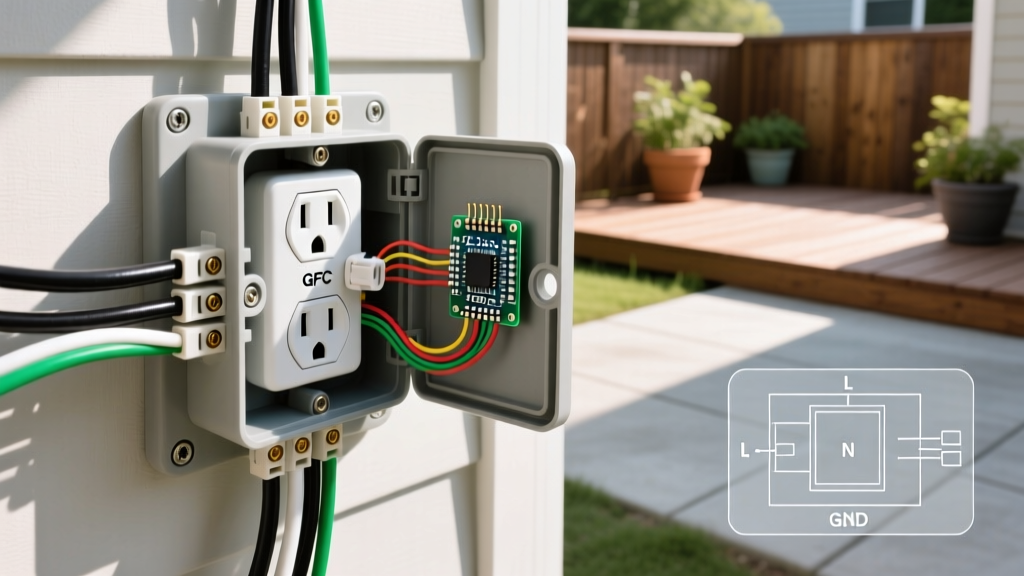

The Diagnostic Approach: Why Do You Need a New Outlet?
When homeowners ask, "how much does it cost to install an electrical outlet," they are rarely starting from a blank slate. Usually, a specific electrical fault or code violation has triggered the need for a replacement or new installation. According to the U.S. Consumer Product Safety Commission (CPSC), faulty receptacles and degraded wiring connections are leading causes of residential electrical fires. Therefore, calculating the true cost of installing an outlet requires first diagnosing why the existing receptacle failed or why a new circuit is necessary.
In this 2026 diagnostic guide, we move beyond generic national averages. We break down the exact costs of outlet installation based on specific troubleshooting scenarios, material grades, and the hidden labor variables that inflate your final invoice.
Phase 1: Diagnosing the Failure Mode
Before an electrician can quote a price, they must identify the root cause of the outlet issue. Replacing a melted receptacle without diagnosing the upstream fault is a recipe for a repeat failure. Here are the three most common diagnostic scenarios that dictate installation costs.
Scenario A: The "Dead" Receptacle (Backstab Connection Failure)
If your multimeter shows 0V across a standard 15A receptacle, but the breaker is fine, the culprit is often a failed "backstabbed" push-in connection. Builder-grade outlets use spring-loaded metal clips inside the rear insertion holes. Over years of thermal expansion and contraction (from plugging in high-draw appliances like vacuums or space heaters), these springs lose tension, oxidize, and arc. The Fix: The outlet must be replaced, and the wires must be stripped back and terminated using the side screw terminals or a pigtail wire nut connection.
Scenario B: Thermal Damage and Arcing
If the faceplate is warm to the touch, discolored (brown/yellow), or smells like ozone or melting plastic, you have a high-resistance connection or an overloaded circuit. This often happens when a 15A receptacle is daisy-chained to feed multiple high-draw devices. The Fix: The damaged outlet and potentially the last 6 inches of degraded Romex wiring must be cut back and replaced. If the circuit is overloaded, a dedicated 20A circuit may need to be run from the panel.
Scenario C: The Ungrounded Two-Prong Receptacle
Older homes (pre-1960s) often feature ungrounded two-prong outlets. Homeowners frequently want these upgraded to modern three-prong outlets to accommodate modern electronics. Under the National Fire Protection Association (NFPA) National Electrical Code (NEC), specifically Article 406.4(D)(2), you cannot simply swap a 2-prong for a standard 3-prong without a ground wire. You must either run a new ground wire to the panel or install a GFCI receptacle labeled "No Equipment Ground."
Phase 2: Cost Matrix by Diagnostic Scenario
The cost to install an electrical outlet varies wildly based on the diagnostic outcome. Below is a realistic 2026 pricing matrix for both DIY material costs and professional electrician rates (assuming a standard $85 to $150 per hour labor rate with a minimum service call fee).
| Diagnostic Scenario | Outlet Type Required | DIY Material Cost | Pro Labor Cost | Total Pro Cost |
|---|---|---|---|---|
| Simple Swap (Backstab Failure) | 15A/20A Tamper-Resistant (TR) | $2.50 - $6.00 | $100 - $150 (Min. Call) | $102 - $156 |
| Kitchen/Bath Ground Fault | 20A GFCI Receptacle | $18.00 - $35.00 | $125 - $200 | $143 - $235 |
| Bedroom/Living Arc Fault | AFCI Receptacle | $28.00 - $45.00 | $125 - $200 | $153 - $245 |
| Ungrounded Circuit Upgrade | GFCI (w/ "No Ground" Label) | $18.00 - $35.00 | $150 - $250 | $168 - $285 |
| New Dedicated Appliance Circuit | 20A Single Receptacle + Wire | $45.00 - $120.00 | $350 - $650 | $395 - $770 |
| 240V EV Charger / Dryer Install | NEMA 14-50R or 6-50R | $60.00 - $150.00 | $400 - $1,200+ | $460 - $1,350+ |
Material Deep Dive: What Are You Actually Paying For?
When troubleshooting and replacing outlets, the physical receptacle you choose impacts both safety and longevity. Electricians generally categorize receptacles into three tiers:
- Builder/Residential Grade ($1.50 - $3.00): Models like the basic Leviton T5262-W. These feature thinner brass contacts and smaller steel mounting straps. They are fine for low-draw lighting circuits but degrade quickly on heavy-use appliance circuits.
- Commercial/Spec Grade ($4.00 - $8.00): Models like the Leviton 5262-C or Hubbell 5262-C. These feature thicker, high-conductivity brass contacts, heavy-duty polycarbonate bodies, and reinforced steel yokes. Expert Tip: Always pay the extra $3 for Commercial Grade on kitchen, garage, and workshop circuits. The superior clamping force prevents the arcing that causes thermal failure.
- Industrial/Hospital Grade ($12.00 - $25.00+): Identified by a green dot on the face. These feature massive internal contacts and are designed for environments where plugs are constantly inserted and removed. Overkill for most homes, but excellent for heavy-duty workshop benches.
Hidden Costs: When Troubleshooting Reveals Bigger Problems
The quoted price for a simple outlet swap can quickly escalate if the initial diagnostic uncovers systemic wiring issues. Be prepared for these hidden cost multipliers:
The MWBC Pigtailing Mandate: If your diagnostic reveals the outlet is on a Multi-Wire Branch Circuit (two hot wires sharing one neutral), NEC 300.13(B) strictly requires the neutral wire to be pigtailed. You cannot use the outlet's internal neutral bridge to pass current downstream. If an electrician has to open up three downstream outlets to fix improper MWBC wiring, expect to add $200–$400 in labor to your bill.
- Drywall Repair and Fishing ($150 - $400): If you are installing a new outlet where none existed, the electrician must fish 14/2 or 12/2 NM-B cable through finished walls. If the wall has fireblocks or diagonal bracing, they may need to cut access holes, requiring subsequent drywall patching and painting.
- Panel Capacity and Upgrades ($1,500 - $3,500): If you want to install a new 20A outlet in a garage for a deep freezer, but your 100-amp panel is fully maxed out with no physical breaker spaces left, you cannot simply add a breaker. You will need a panel upgrade or a sub-panel installation.
- Permitting and Inspection ($50 - $250): While swapping an existing broken receptacle rarely requires a permit, running a new circuit to install a new outlet legally requires a municipal permit and a rough-in/final inspection to ensure compliance with local codes.
DIY Diagnostic Toolkit: Save Money Before Calling a Pro
You can significantly reduce your diagnostic labor costs by doing preliminary troubleshooting yourself before the electrician arrives. Having this data ready allows the pro to bring the exact right materials on the first trip.
- Test for GFCI Tripping: Use a Gardner Bender GRT-501 or Klein Tools RT250 receptacle tester. If the outlet is dead, press the "Test" button on the tester. Sometimes, an upstream GFCI in another room (like the garage or bathroom) has tripped, killing power to your target outlet. Resetting it costs $0.
- Check for Open Neutrals: If your tester shows an "Open Neutral" (usually a red and yellow light pattern), the hot wire is intact, but the return path is broken. This confirms a loose white wire at the target outlet or the previous outlet in the daisy chain.
- Measure Voltage Drop: Using a digital multimeter (like the Klein Tools MM400), measure the voltage between Hot and Neutral. If it reads 115V-120V, the circuit is healthy. If it reads 105V or lower while a load is applied, you have undersized wiring or a failing connection at the breaker panel.
Frequently Asked Questions
Is it cheaper to replace an outlet myself or hire an electrician?
If you are strictly replacing a faulty 15A receptacle with a new commercial-grade model and the wiring is in good condition, the DIY material cost is under $10. However, if your troubleshooting reveals melted wire insulation, a missing ground wire, or aluminum wiring (which requires special CO/ALR rated devices and antioxidant paste like Ideal Noalox), hiring a licensed electrician for $150 is a critical safety investment.
Why did my electrician charge $250 just to swap one GFCI outlet?
Labor minimums dictate the baseline cost. An electrician's $100-$150 minimum service fee covers their travel, vehicle overhead, and the first hour of labor. Furthermore, properly installing a GFCI requires verifying the "Line" and "Load" orientation, testing downstream protection, and ensuring the weather-resistant cover (if outdoors) is sealed with silicone. You are paying for the diagnostic expertise and the warranty on the work, not just the physical plastic device.
Does installing a USB outlet cost more than a standard outlet?
Yes. Receptacles with built-in USB-A and USB-C ports (like the Leviton USB Type-C/Type-A Tamper-Resistant Receptacle) cost between $25 and $45 for the part alone. Furthermore, they generate internal heat during charging and require deeper electrical boxes (minimum 18 cubic inches) to dissipate heat and accommodate their bulky rear housings. If your existing wall box is a shallow 14-cubic-inch pancake box, the electrician will need to cut the drywall and install an old-work deep box, adding $100+ to the labor cost.