
The Real Cost to Fix an Electrical Outlet in 2026
If you are asking, 'how much does it cost to fix an electrical outlet?', the short answer is that the national average ranges from $125 to $250 for a standard replacement. However, from a troubleshooting and diagnostic perspective, the final bill depends entirely on why the outlet failed. A simple swapped-out duplex receptacle is cheap; tracing an open neutral hidden behind three layers of drywall is not.
As of 2026, licensed electricians charge between $85 and $150 per hour, plus a standard diagnostic trip fee. According to the National Fire Protection Association (NFPA), electrical receptacles and switches are involved in thousands of residential fires annually, meaning a 'dead outlet' should never be ignored or masked with a cheap DIY patch. Below is the definitive diagnostic breakdown of what you will actually pay to restore power safely.
2026 Outlet Repair & Troubleshooting Cost Matrix
The table below outlines real-world pricing based on 2026 labor rates and material costs for premium commercial-grade components (like Hubbell or Leviton Pro series).
| Diagnostic Scenario | Symptom / Multimeter Reading | Average Repair Cost | Time to Resolve |
|---|---|---|---|
| Standard 15A/20A Receptacle Swap | Physical damage, loose faceplate, no power (breaker is fine). | $125 - $185 | 45 - 60 mins |
| GFCI Receptacle Failure | Test/Reset buttons unresponsive; 0V line-to-load. | $175 - $280 | 1 - 1.5 hours |
| Backstab Connection Burnout | Open neutral; 120V to ground, 0V to neutral. | $150 - $225 | 1 hour |
| Upstream Circuit Tracing | Multiple dead outlets; no visible GFCI trip. | $250 - $450 | 2 - 3 hours |
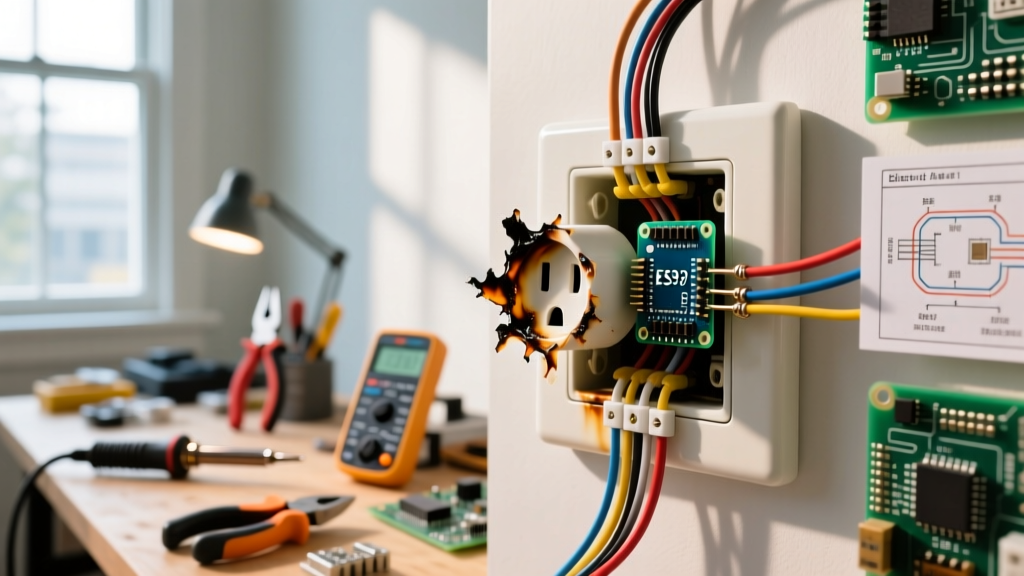
| Melted Box / Arc Fault Repair | Burn marks, fishy odor, melted wire insulation. | $350 - $600+ | 2 - 4 hours |
| Aluminum Wiring Remediation | Pre-1972 home; aluminum branch circuits. | $200 - $350 (per termination) | 1 - 2 hours |
Diagnostic Fees vs. Repair Costs: How Billing Works
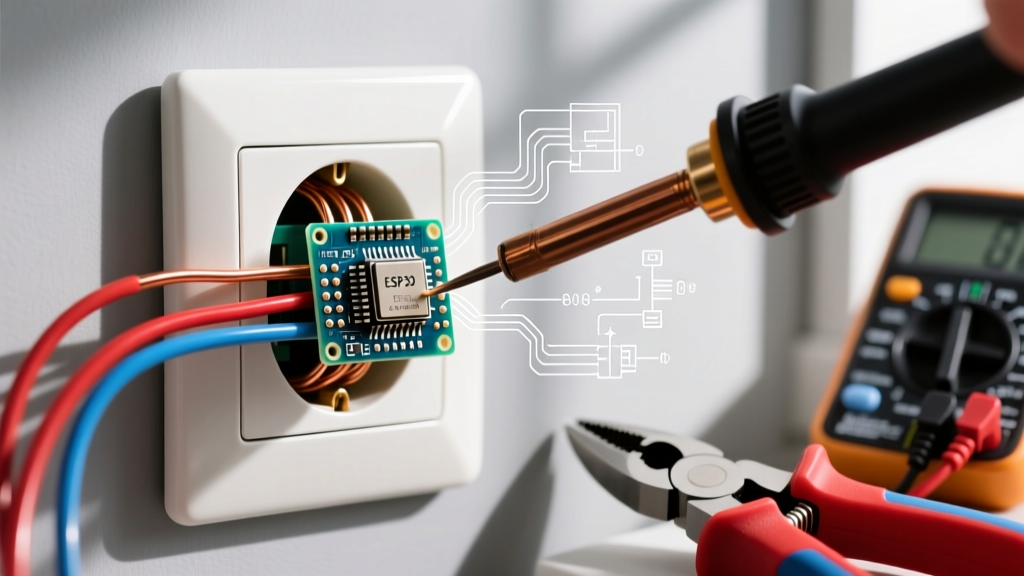
When you call an electrician to troubleshoot a dead outlet, you are paying for their diagnostic expertise first. In 2026, expect a diagnostic trip charge of $75 to $150. This covers the first 30 to 60 minutes of the electrician's time to use a digital multimeter (DMM), non-contact voltage tester, and circuit tracer to locate the fault.
Pro Tip: Most reputable electrical contractors will waive or roll the diagnostic fee into the final repair bill if you authorize the fix on the spot. Always ask about their trip-charge policy before booking.
The 'Dead Outlet' Troubleshooting Flowchart
Before an electrician even opens the wall, they follow a strict diagnostic protocol to isolate the failure. Here is what you are paying them to figure out:
- Panel Verification: Check the breaker panel for tripped AFCI/GFCI breakers. (Many homeowners don't realize their living room outlets are protected by an AFCI breaker in the basement).
- Upstream GFCI Hunt: Test bathrooms, garages, and kitchens. A tripped GFCI in the master bath can kill power to a guest bedroom outlet on the same load side.
- Receptacle Voltage Testing: Measure Line-to-Neutral (should be ~120V), Line-to-Ground (~120V), and Neutral-to-Ground (should be <2V).
- Isolation: If Line-to-Neutral reads 0V but Line-to-Ground reads 120V, the electrician has diagnosed an open neutral, usually caused by a failed push-in (backstab) connector at the failed outlet or the one immediately upstream.
Common Failure Modes That Spike Your Repair Bill
Not all broken outlets are created equal. The physical condition of the wiring behind the drywall dictates the final invoice.
1. Backstab (Push-In) Connector Burnout
Builder-grade outlets often use push-in backstab terminals. Over years of thermal expansion and contraction, these internal spring clips loosen, creating high resistance. This generates heat, eventually melting the plastic housing and severing the connection. The Fix: The electrician will cut back the heat-damaged wire, strip fresh copper, and wire-nut a pigtail to a new commercial-grade receptacle using side-screw terminations. Cost impact: Adds about $30-$50 in extra labor time compared to a simple swap.
2. Reverse Polarity & Bootleg Grounds
If your outlet tester shows 'Reverse Polarity' or 'Open Ground', the electrician must trace the wiring back to the previous junction box. In older homes, you may find a 'bootleg ground' (a jumper wire between the neutral and ground terminals), which is a severe shock hazard and a direct violation of the Consumer Product Safety Commission (CPSC) electrical safety guidelines. Correcting this requires pulling new grounding wires or installing a GFCI with a 'No Equipment Ground' label, increasing the repair complexity.
3. Aluminum Branch Wiring
Homes built between 1965 and 1972 often feature aluminum wiring, which oxidizes and creeps under screw terminals, causing arcing and fires. You cannot simply wire a standard copper-rated outlet to aluminum wire. The electrician must use specialized CO/ALR rated receptacles or splice the aluminum to copper pigtails using AlumiConn lug connectors or purple Ideal Industries wire nuts. This specialized remediation adds $100 to $200 per outlet to your bill.
NEC Code Upgrades: Why Your Replacement Costs More Than It Used To
When you replace an electrical outlet, the National Electrical Code (NEC) requires the new installation to meet current safety standards. You cannot simply swap a 1990s outlet for an identical 1990s model. Here is how code compliance affects 2026 pricing:
- Tamper-Resistant (TR) Receptacles: Required in almost all residential living spaces. A standard TR duplex receptacle costs $4–$8 (compared to $1.50 for non-TR).
- GFCI Protection: If the outlet is within 6 feet of a water source (kitchens, bathrooms, garages, outdoors), it must be GFCI protected. A high-quality 20A GFCI (like the Leviton SmartlockPro) costs $25–$35 for the part alone.
- Weather-Resistant (WR) Ratings: Outdoor outlets must be WR rated and housed in extra-duty while-in-use bubble covers, adding $35–$60 to the material cost.
When to DIY vs. When to Call a Professional
Understanding your limits saves money and prevents catastrophic electrical fires.
Safe for Advanced DIYers
If you have verified the breaker is OFF with a non-contact voltage tester, and the outlet simply has a cracked faceplate or loose side-screw terminals, swapping a standard 15A TR receptacle is a $10 DIY job that takes 15 minutes.
Call a Licensed Electrician Immediately
- The outlet feels warm to the touch or emits a fishy/burning plastic odor.
- You see scorch marks on the plastic faceplate.
- The outlet sparks when plugging in a low-draw appliance.
- Your home has aluminum wiring or active knob-and-tube circuits.
- The breaker trips immediately every time you reset it (indicates a dead short).
Frequently Asked Questions (FAQ)
Why does my outlet work sometimes and not others?
This is the classic symptom of a loose wire connection, usually a failing backstab terminal or a loose wire nut in the junction box upstream. Thermal expansion from drawing current causes the loose metal to separate, cutting power. When the load is removed and the metal cools, it contracts and reconnects. This is a severe fire hazard and requires an immediate $150-$200 professional repair.
Can a handyman fix an electrical outlet?
While a handyman might charge a lower hourly rate ($60-$85), most jurisdictions legally require a licensed electrician to perform electrical repairs. Furthermore, if a handyman's unpermitted repair causes an electrical fire, your homeowner's insurance may deny the claim. Always hire a licensed, bonded, and insured electrical contractor.
Is it cheaper to repair or replace the entire circuit?
Repairing a single faulty outlet is almost always cheaper ($150 average). However, if an electrician diagnoses that the entire branch circuit is suffering from degraded insulation (common in 60+ year old homes), rewiring the circuit will cost between $800 and $1,500, but it permanently eliminates the hazard and brings the home up to 2026 code standards.