
The Australian Type I Standard: AS/NZS 3112 Explained
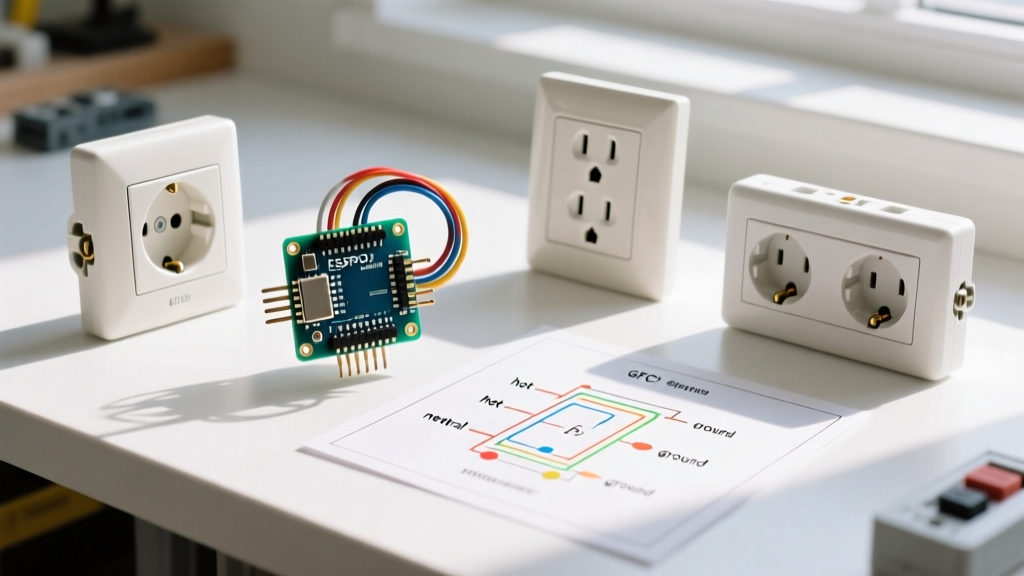
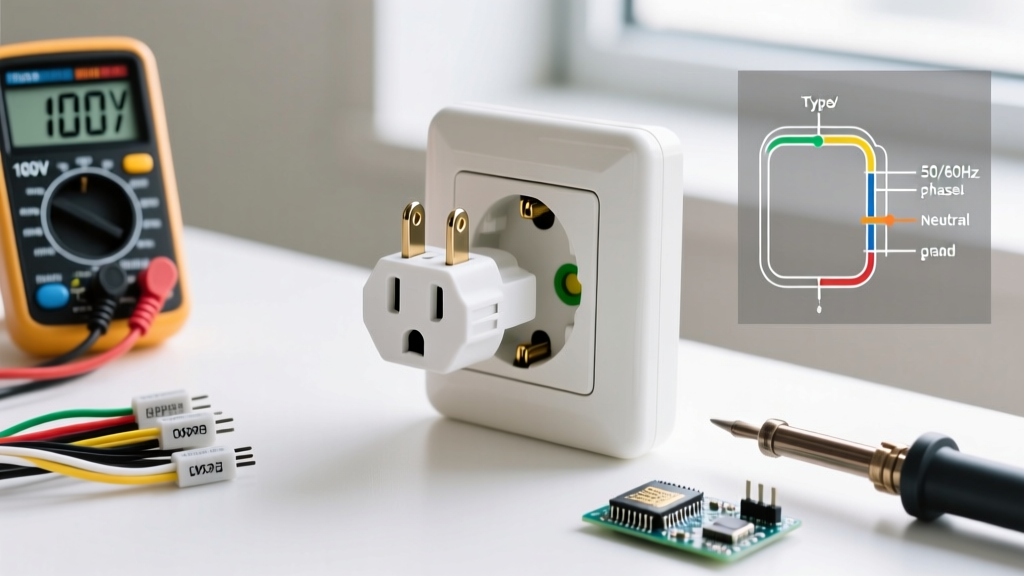
When installing, upgrading, or maintaining an australian electrical outlet, understanding the local regulatory and physical landscape is non-negotiable. Australia utilizes the Type I plug and socket system, governed by the AS/NZS 3112 standard. This system features a 230V AC, 50Hz supply with a distinctive three-pin configuration: an inverted V-shape for the Active and Neutral pins, and a vertical Earth pin. While standard General Power Outlets (GPOs) are rated for 10A, 15A, and 20A variants exist for heavy-duty appliances, utilizing physically incompatible pin configurations to prevent overloading.
CRITICAL LEGAL WARNING: Under Australian law, it is strictly illegal for an unlicensed individual to perform fixed electrical wiring work, including replacing or installing a GPO. Fines can exceed $40,000 AUD, and unlicensed work voids home insurance while posing severe electrocution and fire risks. This guide is intended for licensed electricians (sparkies), apprentices, and informed homeowners who wish to understand the materials and tools their certified tradesperson should be using in 2026.
Essential Materials for AU GPO Installation
The foundation of any compliant outlet installation lies in selecting materials that meet the AS/NZS 3000 Wiring Rules. In 2026, the market has shifted heavily toward halogen-free and low-smoke options for commercial builds, though standard PVC V-90 remains the residential workhorse.
| Material Component | Specification / Standard | 2026 Est. Cost (AUD) | Application Notes |
|---|---|---|---|
| Twin & Earth (T&E) Cable | 2.5mm² TPS (PVC/PVC) V-90 | $1.60 - $2.20 / meter | Standard for 10A and 15A power circuits. Must be 2.5mm² minimum. |
| Heavy Duty Cable | 4.0mm² TPS V-90 | $2.80 - $3.50 / meter | Required for 20A outlets (e.g., caravan plugs, large AC units). |
| Standard GPO Mechanism | Clipsal Classic C2025 (10A) | $16.00 - $22.00 | The industry benchmark. Features robust screw terminals and interchangeable covers. |
| USB-C Integrated GPO | HPM Linea 45W PD Type-C | $75.00 - $95.00 | Features built-in GaN chargers. Requires deep wall cavities (min 45mm). |
| Smart GPO | Clipsal Wiser Smart GPO | $85.00 - $110.00 | Zigbee-enabled for energy monitoring. Requires a neutral wire at the outlet. |
| Mounting Block | Standard 84mm x 84mm x 25mm | $2.50 - $4.00 | Used for surface mounting on masonry or brick walls. |
The Licensed Sparky's Tool Kit
Professional electricians in Australia rely on specialized, insulated tools to ensure safety and compliance. The days of using standard hardware store screwdrivers on live or potentially live circuits are over; modern safety audits demand verified VDE-rated equipment.
1. Testing & Diagnostics
- Non-Contact Voltage Tester (NCVT): The Fluke 1AC-II VoltAlert ($65 AUD) is the standard for initial dead-circuit verification. It detects AC voltage from 200V to 1000V, perfectly suited for the 230V AU grid.
- Digital Multimeter (DMM): A True-RMS meter like the Fluke 117 ($380 AUD) is essential for verifying exact voltage (should read 230V-240V), checking continuity on the earth loop, and ensuring no phantom voltages are present.
- Socket Tester: The Test & Tag compliant socket testers (e.g., Kyoritsu KT171) instantly verify Active/Neutral polarity and Earth continuity before the circuit is energized.
2. Cable Preparation & Termination
- Wire Strippers: The Knipex ErgoStrip 16 95 ($75 AUD) allows for rapid, precise stripping of the outer TPS sheath and the inner V-90 insulation without nicking the copper conductors. Nicked copper creates a high-resistance hot spot, a leading cause of outlet fires.
- Insulated Screwdrivers: A VDE-certified 1000V Pozidriv PZ2 screwdriver (e.g., Wera Kraftform Plus, $28 AUD) is mandatory for terminal screws. Australian GPO terminals typically require a PZ2 or a flathead 0.8 x 4.0mm driver.
- Side Cutters: Knipex 160mm Diagonal Cutters ($60 AUD) provide flush cuts on 2.5mm² copper, ensuring the wire sits perfectly flush inside the terminal barrel without protruding copper that could cause a short.
Wiring Sequence and Terminal Pinout
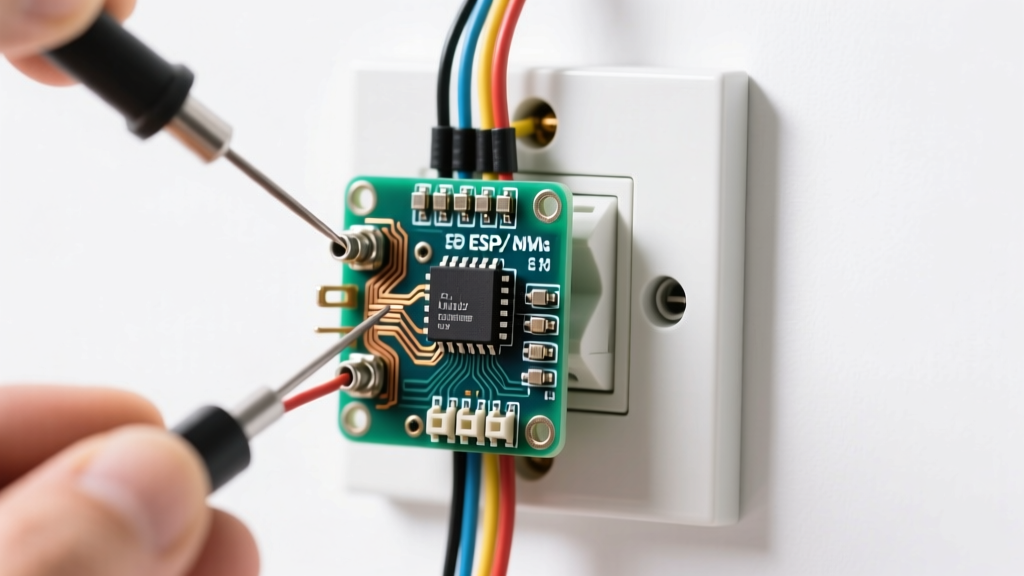
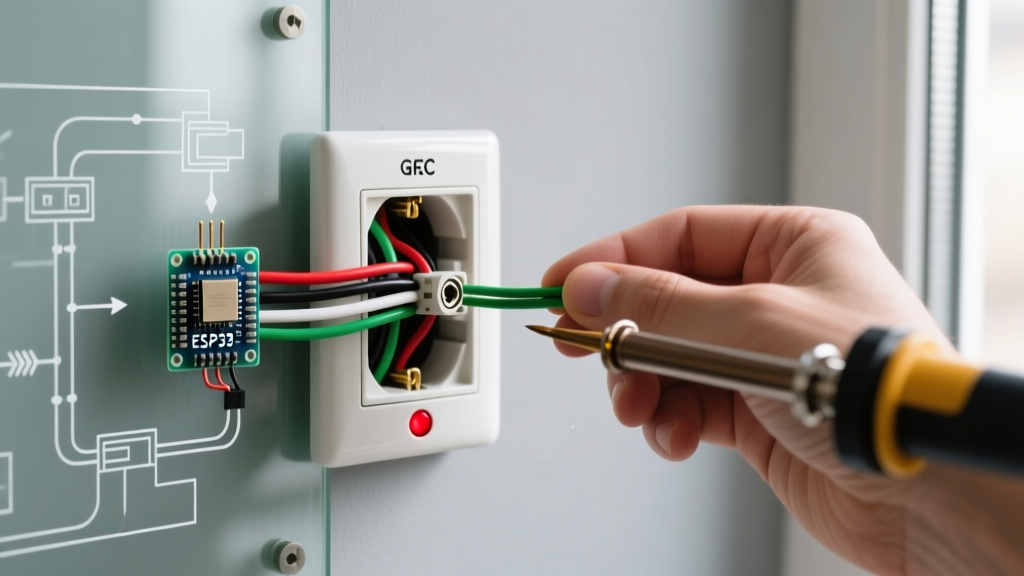
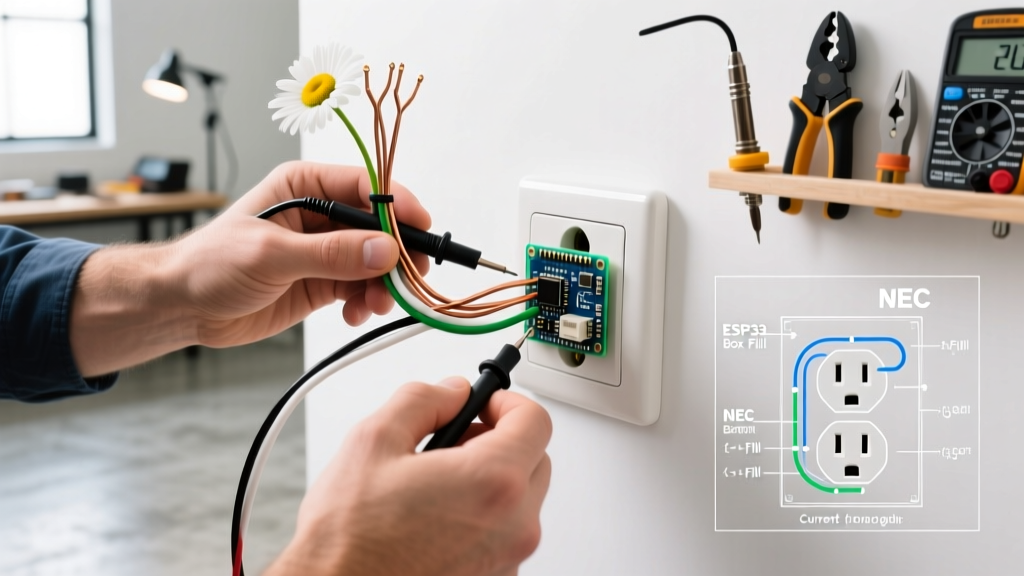
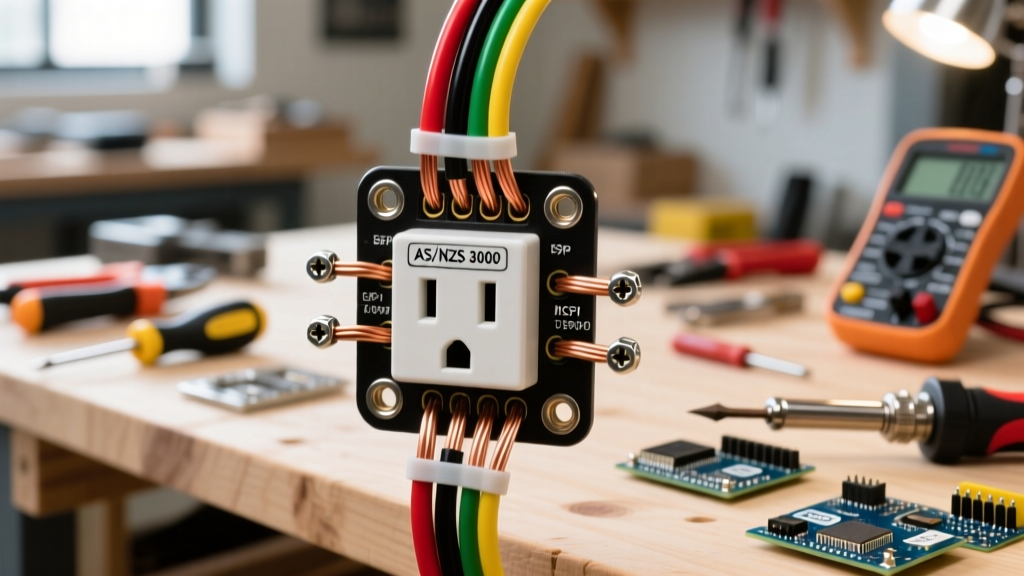
Correct termination is the most critical step in installing an australian electrical outlet. The AS/NZS 3000 Wiring Rules dictate specific color codes and physical pin placements. When looking directly at the front of a Type I GPO:
- Earth (Top Center Pin): Connect the Green/Yellow (new standard) or bare Green (older installations) wire. This must be terminated first to ensure the earth path is established before the active conductors.
- Active (Bottom Left Pin): Connect the Brown (new) or Red (old) wire. This is the live 230V supply.
- Neutral (Bottom Right Pin): Connect the Blue (new) or Black (old) wire. This completes the circuit back to the switchboard.
Pro Tip: Always strip exactly 12mm to 14mm of insulation for GPO terminals. If too much copper is exposed, it creates a shock hazard; if too little is exposed, the screw will clamp onto the insulation, leading to a high-resistance connection and eventual thermal failure.
2026 Trends: Smart and USB-C Outlets
The traditional GPO is rapidly evolving. In 2026, integrating USB-C Power Delivery (PD) and smart home capabilities is standard in mid-to-high-end renovations. When installing a Clipsal Classic C2025 alongside modern smart alternatives, electricians must account for increased thermal loads and physical depth.
USB-C GPOs generating 45W or 65W PD contain internal switching power supplies that generate heat. These mechanisms often require a minimum wall cavity depth of 45mm to 50mm. In older Australian homes with single-brick walls and shallow metal pattresses (often only 25mm deep), installers must use surface-mounted blocks or excavate the masonry to accommodate the deeper smart mechanisms safely.
Common Installation Failures & Edge Cases
Even experienced tradespeople can encounter edge cases when retrofitting older Australian properties. Here are the most common failure modes identified during safety inspections:
- Reversed Active and Neutral: While the appliance will still function, reversing the bottom left and bottom right pins violates AS/NZS 3000. This creates a severe safety hazard, as the internal appliance fuse or switch will isolate the neutral rather than the active, leaving the device internally live even when switched off.
- Earth Loop Impedance (Ze) Issues: In long cable runs (exceeding 40 meters for 2.5mm² cable), the earth loop impedance may rise above the threshold required to trip a Type C circuit breaker within the mandated 0.4 seconds. Upgrading to 4.0mm² cable or utilizing a Type A RCBO is often required to maintain compliance.
- Over-tightening Terminals: Applying excessive torque to the terminal screws on stranded or solid copper can crush the conductor, reducing its cross-sectional area. This increases resistance and causes localized heating. Use a torque screwdriver set to the manufacturer's specification (usually 1.2 Nm to 1.5 Nm for standard 10A GPOs).
Authoritative References
For the latest regulatory updates and product specifications, always consult the governing bodies and primary manufacturers:
- Energy Safe Victoria (ESV) - Comprehensive guidelines on the legalities and severe penalties regarding unlicensed DIY electrical work in Australia.
- Standards Australia (AS/NZS 3000:2018) - The definitive Wiring Rules document governing all electrical installations, including GPO spacing, cable sizing, and earthing requirements.