
The 'Antigua Trap': Why Physical Shape Doesn't Equal Voltage
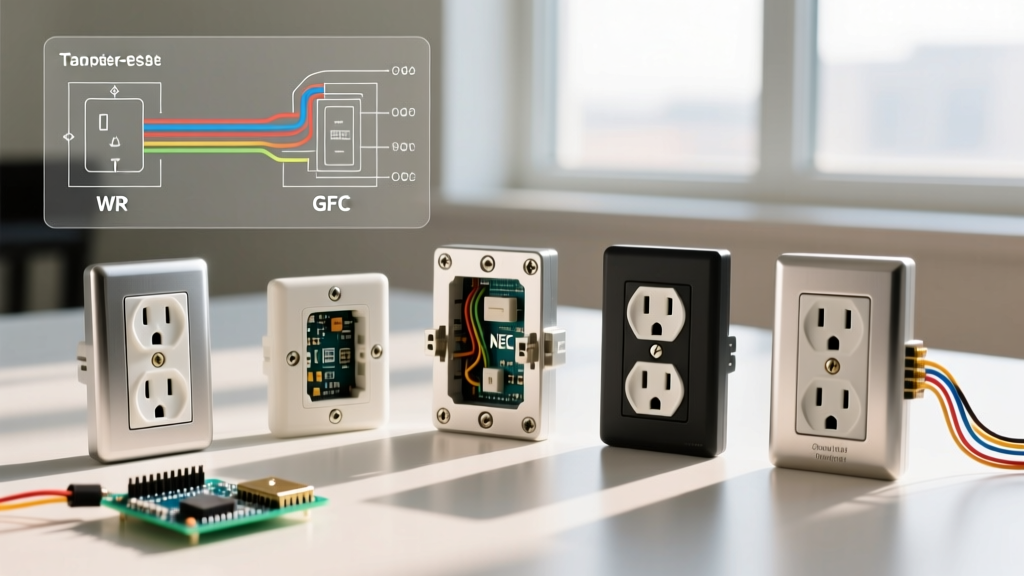
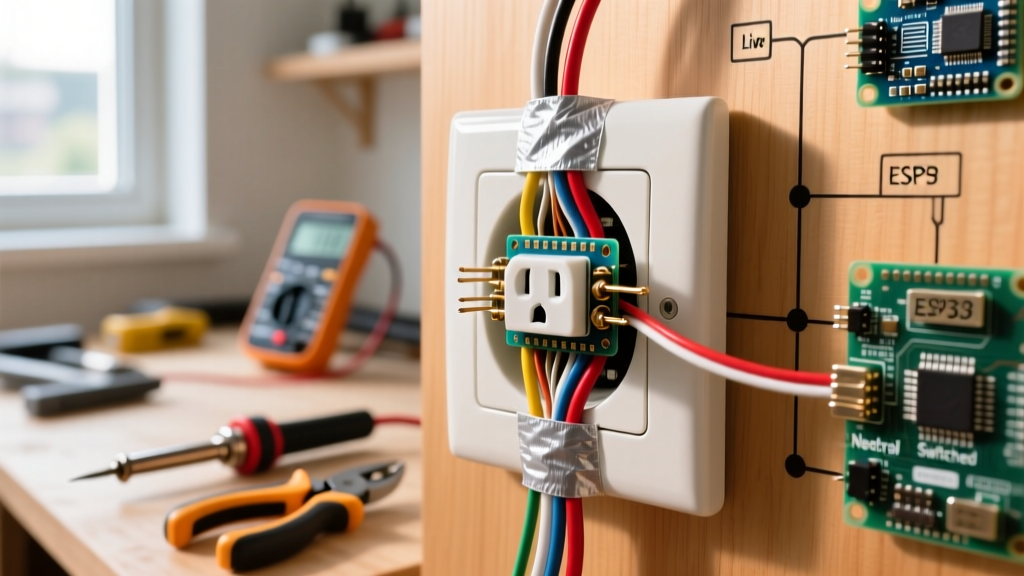
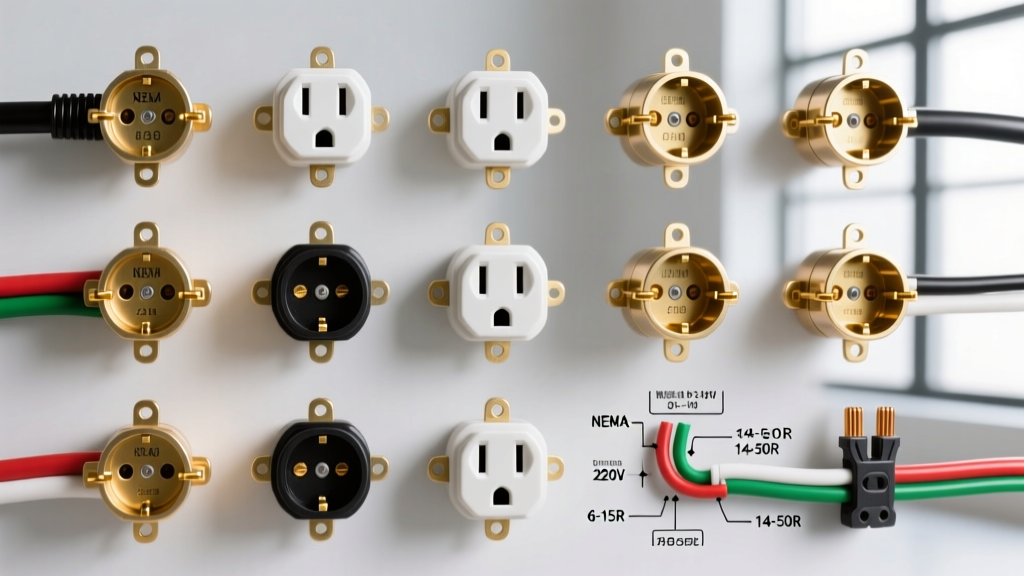
For expats, DIY travelers, and international electricians, wiring an Antigua electrical outlet presents one of the most notorious traps in the Caribbean. If you look at a standard wall receptacle in St. John's or English Harbour, it looks exactly like a North American NEMA 5-15R (Type B) or NEMA 1-15R (Type A) outlet. Naturally, the assumption is that the grid supplies 120V. This assumption is dangerously wrong.
Antigua and Barbuda's official electrical grid operates at 230V and 60Hz. While the physical sockets often retain the North American Type A/B shape due to historical import trends and tourism infrastructure, the voltage is more than double what US and Canadian appliances expect. Plugging a standard 120V hairdryer, power tool, or laptop charger into an unmodified Antiguan outlet will result in immediate catastrophic failure, blown capacitors, and potential electrical fires.
In this guide, we will break down the exact wiring scenarios required to safely install, modify, and protect electrical outlets in Antigua, adhering to local adaptations of the BS 7671 (IET Wiring Regulations) while accommodating North American equipment.
Antiguan Grid Profile vs. North American Standards
Before touching a wire stripper, you must understand the fundamental differences between the Antiguan grid and the US NEC (National Electrical Code) standards. According to the IEC World Plugs database, Antigua relies on Type A and B physical interfaces, but the electrical characteristics align closer to European standards, with a unique frequency twist.
| Parameter | Antigua & Barbuda Standard | US / Canada (NEC) Standard |
|---|---|---|
| Nominal Voltage | 230V | 120V |
| Frequency | 60Hz | 60Hz |
| Standard Plug Types | Type A (Ungrounded), Type B (Grounded) | Type A, Type B |
| Breaker Standard | MCB (IEC 60898) / BS 3871 | Thermal-Magnetic (UL 489) |
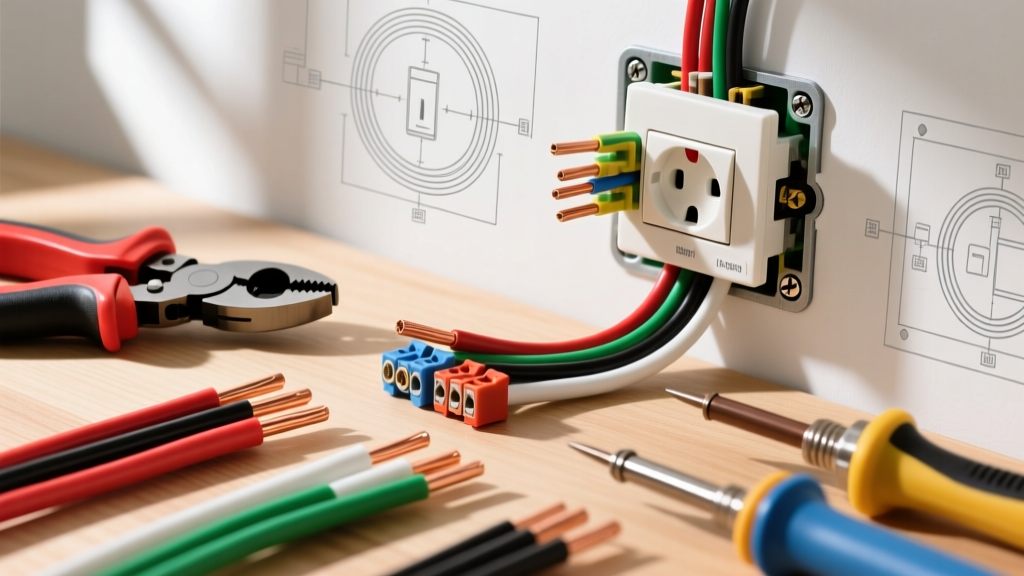
| Wiring Color Code | BS 7671 (Brown=L, Blue=N, Green/Yellow=E) | NEC (Black=L, White=N, Bare/Green=E) |
Scenario 1: Wiring a Dedicated 120V Step-Down Circuit for US Tools
The most common wiring scenario for expats and digital nomads in Antigua is creating a 'safe zone' for 120V appliances. You cannot simply swap a breaker to change the voltage; you must install a dedicated step-down transformer and wire a physically distinct or heavily labeled NEMA 5-15R receptacle.
Step-by-Step Transformer Wiring
- Select the Transformer: For a dedicated garage or office circuit, use an isolated step-down transformer (e.g., a 2000W or 3000W toroidal unit, typically costing between $150 and $250 in 2026). Avoid cheap autotransformers for sensitive electronics, as they do not provide galvanic isolation.
- Primary Wiring (230V Side): Run a radial circuit from your distribution board using 2.5mm² (approx. 13 AWG) copper conductors. Connect the Brown (Line) and Blue (Neutral) wires to the primary input terminals of the transformer. Protect this circuit with a 16A Type C Miniature Circuit Breaker (MCB).
- Secondary Wiring (120V Side): The transformer's output will yield 120V. Wire this secondary output to a standard NEMA 5-15R outlet. Critical Safety Step: You must bond the secondary neutral to the local earth ground to ensure fault currents trip the breaker in a 120V fault scenario.
- Visual Differentiation: Paint the 120V outlet cover plate bright orange or red, and apply a permanent label reading '120V STEP-DOWN ONLY'. This prevents guests or future contractors from plugging 230V appliances into the step-down circuit, which would overload and destroy the transformer.
Scenario 2: Wiring Native 230V Circuits (BS 7671 Compliance)
If you are wiring native 230V appliances (like local air conditioning units, kettles, or European-imported lighting), you must follow British Standard wiring practices, which govern Antigua's electrical code enforcement. As noted by World Standards, while Type B outlets are physically present, wiring them for 230V is highly discouraged for modern installations due to the risk of inserting 120V plugs.
Conductor Sizing and MCB Selection
When wiring a standard 230V receptacle circuit in Antigua, the following specifications apply:
- Conductor Size: Use 2.5mm² PVC-insulated copper cable for standard radial socket circuits. For high-draw appliances (like 230V water heaters or AC compressors), upgrade to 4.0mm² or 6.0mm².
- Breaker Selection: Use IEC 60898 compliant MCBs. A 20A Type C MCB is standard for general 230V receptacle circuits. Type C breakers trip between 5 to 10 times the rated current, accommodating the inrush current of 230V appliance motors without nuisance tripping.
- Earth Leakage Protection: All socket outlets must be protected by a 30mA RCBO (Residual Current Breaker with Overcurrent) or an RCCB upstream. This is a strict requirement under modern BS 7671 amendments adopted across the Caribbean to prevent fatal shocks in humid, salt-air environments.
⚠️ The 60Hz Motor Anomaly Warning
Antigua is one of the rare regions globally that uses 230V at 60Hz (most 230V countries use 50Hz). If you import a 230V appliance from Europe or the UK (designed for 50Hz), the motor will run 20% faster than intended. This causes excessive heat, accelerated bearing wear, and premature failure. Always check the appliance nameplate for '50/60Hz' compatibility before wiring a dedicated 230V outlet for imported machinery.
Smart Home Integration in 2026
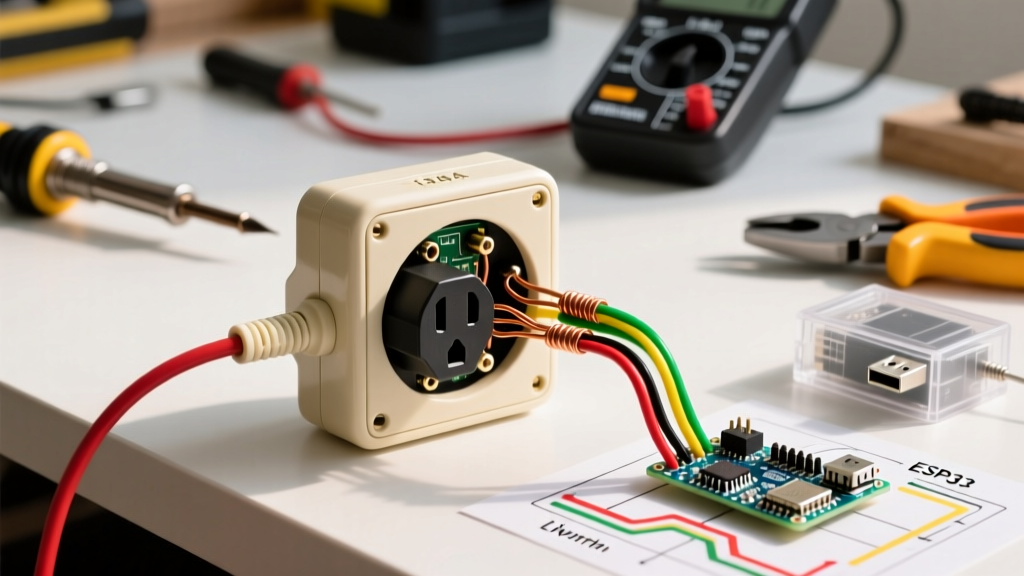
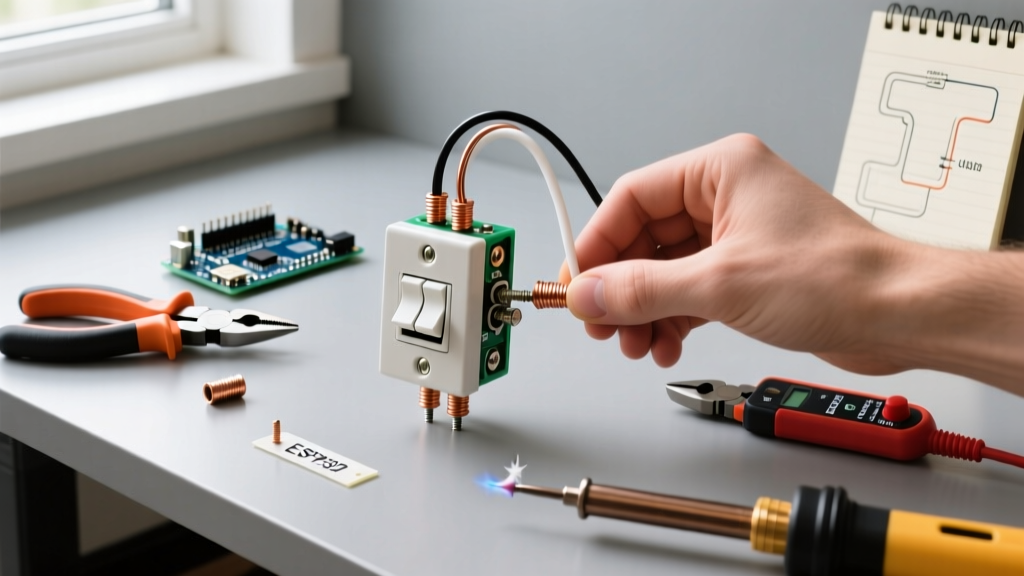
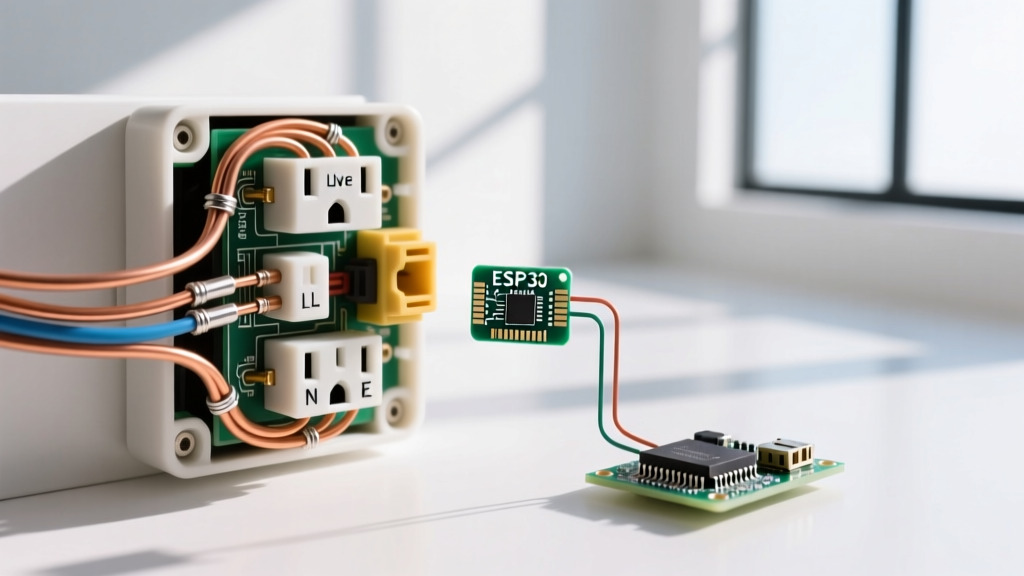
As smart home technology matures in 2026, wiring smart switches and outlets in Antigua requires careful attention to voltage ratings. Many North American smart relays (like older generations of Shelly or Sonoff) were strictly rated for 120V AC. If you wire these into an Antiguan 230V ceiling box or receptacle backbox, the internal power supply will explode.
When upgrading an Antigua electrical outlet to a smart receptacle or installing in-wall smart relays behind standard Type B faceplates, you must purchase the 100-240V AC universal variants. Furthermore, ensure the physical depth of the backbox is at least 45mm; standard US shallow boxes (approx. 30mm) will not accommodate the heat dissipation requirements or the physical bulk of a 230V smart relay module alongside 2.5mm² wiring.
Troubleshooting Common Antiguan Wiring Failures
Even experienced electricians make mistakes when transitioning between NEC and BS 7671 environments. Here is how to troubleshoot the most common issues:
- Breaker Tripping on Inrush: If your 230V AC compressor trips the breaker on startup, you likely used a Type B MCB instead of a Type C or Type D. Type B breakers (3-5x trip curve) are too sensitive for heavy inductive loads common in Caribbean homes.
- Neutral-to-Earth Voltage: If you measure a high voltage between Neutral and Earth at your outlet, the distribution transformer's neutral-earth bond at the street pole may be degraded, a common issue in older Antiguan neighborhoods. Install a local TT earthing system with an earth rod and a 100mA time-delayed RCCB at the main board.
- Melted Type B Faceplates: If a Type B outlet faceplate is melting, it is likely a 120V-rated US receptacle being used on a 230V circuit. The internal brass contacts on cheap 120V receptacles are not designed to suppress the higher-energy 230V arcs. Replace immediately with a 250V-rated international receptacle or transition to a BS 1363 (Type G) outlet for heavy loads.
Summary Checklist for Antiguan Projects
Wiring an Antigua electrical outlet is an exercise in overcoming cognitive dissonance. The physical hardware screams 'North America,' but the electrons demand 'International Safety Standards.' Always verify the voltage at the breaker with a multimeter before terminating any wires, use BS 7671 color codes for all new 230V runs, and physically segregate any 120V step-down circuits to protect your valuable electronics.