
The Hidden Cost of Skipping Electrical Pre-Wire Planning
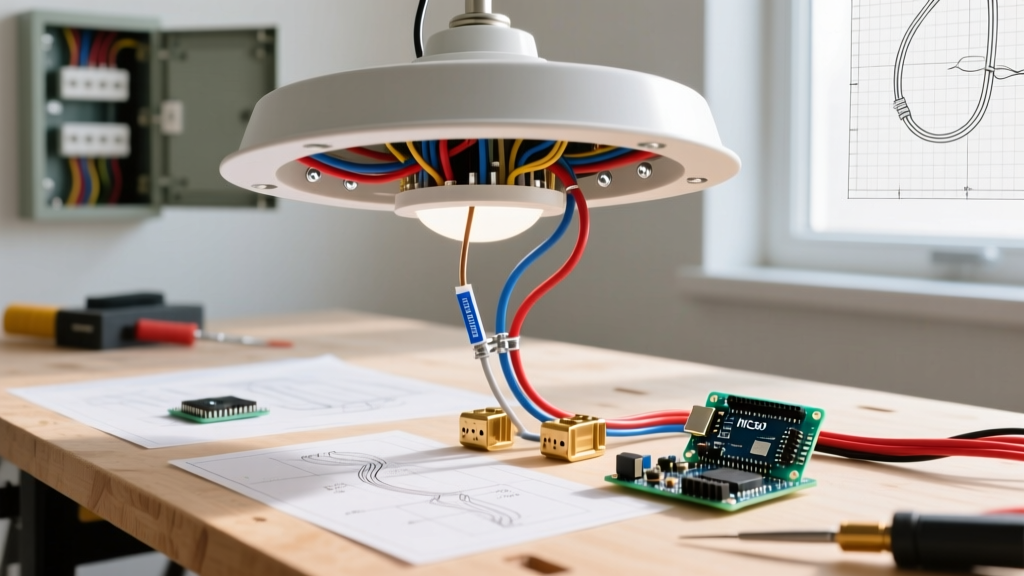
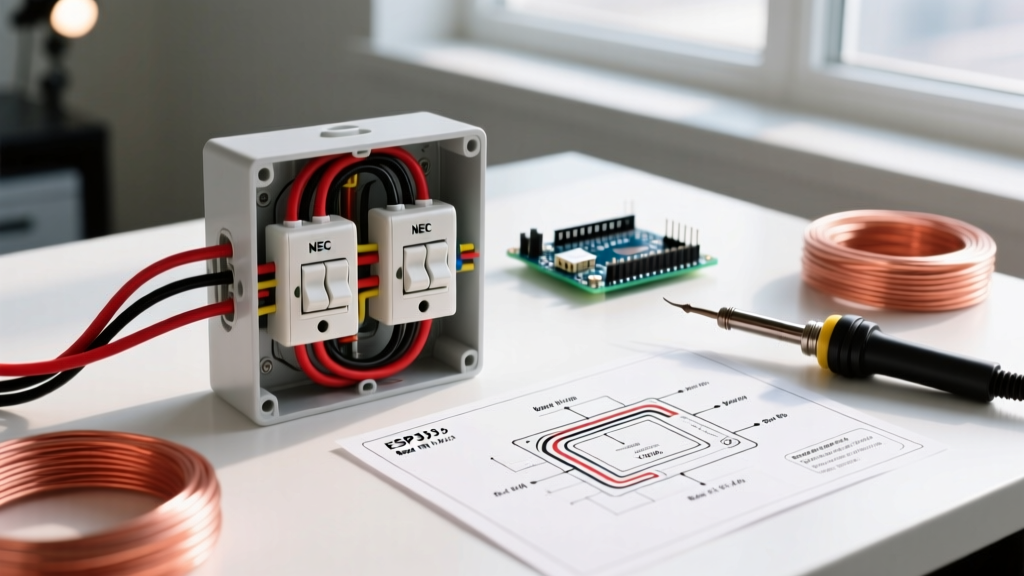
Gut renovations offer a blank canvas, but tearing down to the studs reveals the critical need for a modernized electrical grid. Attempting to shoehorn modern energy demands into a legacy system is a primary cause of renovation delays and budget overruns. A properly planned electric wiring installation must anticipate not just today's code requirements, but the high-draw appliances and smart home integrations that define 2026 living standards. Failing to pre-wire for EV chargers, induction ranges, or whole-home automation before the drywall goes up will cost you three to four times as much to retrofit later.
Pro-Tip from the Field: Never finalize your framing layout without first walking the site with your electrical contractor. Moving a stud two inches can save hours of drilling and notching when running rigid conduit or large-gauge NM-B cable.
Assessing Your Current Service Panel Capacity
Most homes built before 1995 operate on 100-amp or 125-amp main service panels. In 2026, with the widespread adoption of electric heat pumps, induction cooktops, and Level 2 EV chargers, a 100-amp panel is functionally obsolete for a modernized renovation. Upgrading to a 200-amp service is the baseline for most whole-house remodels, while high-performance all-electric homes frequently require a 400-amp service drop (often achieved via a 400A meter mast feeding two 200A main breaker panels, such as the Eaton VPF400 or Square D QO series).
Load Calculation Matrix for Modern Renovations
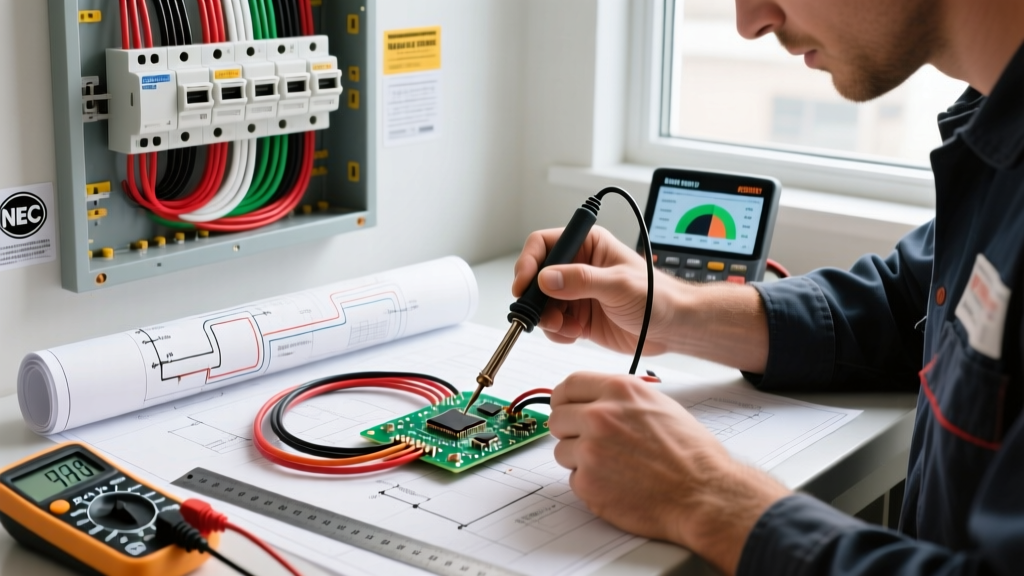
Before pulling a single wire, your electrician must perform a Standard Load Calculation per NEC Article 220. Below is a baseline matrix for high-demand circuits common in 2026 kitchen and garage remodels:
| Appliance / System | Typical Wattage | NEC Reference | Required Circuit | Wire Gauge (Copper) |
|---|---|---|---|---|
| Induction Range (36-inch) | 9,600W - 12,000W | Article 220.55 | 50A, 240V | 6 AWG NM-B or THHN |
| Level 2 EV Charger (Hardwired) | 11,500W (48A) | Article 511 / 210.23 | 60A, 240V | 4 AWG THHN in Conduit |
| Ductless Mini-Split Heat Pump | 2,500W - 4,000W | Article 440 | 20A or 30A, 240V | 12 AWG or 10 AWG |
| Instantaneous Water Heater | 18,000W - 36,000W | Article 422 | Multiple 40A/60A | 8 AWG or 6 AWG |
For detailed load estimation methodologies, refer to the U.S. Department of Energy's appliance estimation guidelines.
Strategic Circuit Routing and Wire Gauge Selection
When planning your electric wiring installation, the choice between non-metallic sheathed cable (NM-B, commonly known as Romex) and individual THHN conductors in metallic conduit (EMT) dictates both your budget and future flexibility.
Wire Routing Comparison: NM-B vs. EMT Conduit
| Feature | NM-B (Romex SIMpull) | THHN in EMT Conduit |
|---|---|---|
| Best Application | Interior walls, finished ceilings, standard residential branches. | Exposed basement ceilings, garages, high-draw 240V feeds, commercial-style remodels. |
| Future-Proofing | Low. Wires are stapled and difficult to fish out if gauge needs upgrading. | High. Conductors can be pulled out and replaced without tearing open walls. |
| Cost (Material + Labor) | Lower. Faster to rough-in during standard framing. | Higher. Requires threading, bending, and pulling individual wires. |
| Physical Protection | Vulnerable to drywall screws and rodent damage if not properly protected. | Exceptional impact and crush resistance. |
For high-end 2026 renovations, a hybrid approach is gaining traction: running NM-B to standard receptacles, but utilizing EMT conduit for the main service feeds, EV chargers, and any wiring running through unfinished utility spaces.
Low-Voltage and Smart Home Pre-Wiring
An electric wiring installation in the mid-2020s is incomplete without integrating low-voltage infrastructure. Smart lighting systems, like Lutron RadioRA 3 or Leviton Decora Smart, require specific wiring considerations that legacy homes lack.
- Mandatory Neutral Wires: Almost all smart switches and dimmers require a neutral wire to power their internal radios. Ensure your electrician runs a neutral to every single switch box, not just the ceiling fan boxes.
- Deep Switch Boxes: Smart relays and dimmers are physically deeper than standard toggle switches. Upgrade from standard 18-cubic-inch boxes to extra-deep 22.5 or 25-cubic-inch boxes (like the Carlon B618R) to prevent cramming wires, which causes overheating and drywall bulges.
- Cat6A and Fiber: While Wi-Fi 7 is prevalent, hardwiring Cat6A to home offices, media centers, and wireless access point (WAP) ceiling locations remains the gold standard for latency-sensitive smart home hubs.
Navigating NEC Code Updates for Remodels
Renovations trigger compliance with the latest adopted electrical codes. Most jurisdictions in 2026 are enforcing the NEC 2023 or localized 2026 amendments. According to the National Fire Protection Association (NFPA), two critical safety mandates will impact your rough-in:
- AFCI Protection (Article 210.12): Arc-Fault Circuit Interrupters are now required for virtually all 120V, 15A and 20A branch circuits supplying living areas, kitchens, and laundry rooms. Plan for AFCI combination-type breakers in your panel, which cost roughly $45-$65 each, significantly impacting your panel fit-out budget.
- Expanded GFCI Protection (Article 210.8): Ground-Fault protection has been expanded to include all outdoor receptacles, garages, crawlspaces, and specific kitchen island configurations. Ensure your island receptacles are GFCI protected, and if utilizing under-cabinet receptacles, verify they meet the new spacing rules to eliminate dangling cords.
Industry publications like EC&M (Electrical Construction & Maintenance) regularly publish breakdowns of how these code shifts affect contractor labor and material sourcing.
Budgeting Your Electric Wiring Installation (2026 Estimates)
Electrical rough-in and finish costs vary by region, but the following national averages reflect 2026 market rates for licensed, insured contractors performing permitted work. Always factor in a 15% contingency for unforeseen framing obstacles or municipal upgrade requirements.
| Installation Phase / Component | Estimated Cost Range (USD) | Notes |
|---|---|---|
| 200A Service Panel Upgrade | $2,800 - $4,500 | Includes new meter base, mast, and grounding electrode system. |
| Standard 15A/20A Circuit (Rough + Finish) | $185 - $275 per circuit | Includes wire, box, breaker, and standard receptacle/switch. |
| Dedicated 50A Appliance Circuit | $350 - $550 | For ranges or dryers; includes 6 AWG wire and heavy-duty receptacle. |
| Hardwired EV Charger (60A Circuit) | $500 - $850 | Excludes the cost of the EVSE unit itself; assumes panel proximity. |
| Recessed Can Lighting (Per Unit) | $120 - $180 per can | Includes IC-rated airtight housing, LED trim, and wiring. |
| Municipal Permit & Inspection Fees | $150 - $400+ | Varies heavily by local AHJ (Authority Having Jurisdiction). |
Step-by-Step Pre-Drywall Inspection Checklist
Before the insulation and drywall crews arrive, conduct a rigorous walkthrough of your electric wiring installation. Once the walls are closed, mistakes become exponentially more expensive to fix.
- Verify Box Depths: Check that all switch boxes housing smart dimmers are at least 2.5 inches deep.
- Check Neutral Pigtails: Ensure neutrals are properly pigtailed in switch boxes, not just passed through, to accommodate smart home retrofits.
- Inspect Fire Stopping: Confirm that all holes drilled through top plates and fire-blocks for wire runs have been sealed with fire-rated expanding foam or caulk, as required by building codes.
- Review Staple Spacing: NM-B cable must be secured within 8 inches of every box and at intervals not exceeding 4.5 feet along the framing.
- Confirm Dedicated Circuits: Trace the routing for major appliances (microwave, dishwasher, HVAC) to ensure they are not accidentally daisy-chained onto general lighting circuits.
- Photograph Everything: Take high-resolution, well-lit photos of every wall with a tape measure visible in the frame. This creates an exact map of where wires and pipes are located before they are hidden behind drywall.
By treating your electric wiring installation as a foundational infrastructure project rather than an afterthought, you ensure your renovated space is safe, code-compliant, and ready for the technological demands of the future.