
The Anatomy of Jewelry Soldering: Why Tool and Technique Pairing Matters
In the jewelry studio, thermal management is everything. Selecting the ideal torch for soldering jewelry is not a one-size-fits-all decision; it requires matching the thermal output and flame characteristics of your tool to the specific metallurgical demands of your technique. A butane micro-torch that excels at closing 20-gauge jump rings will catastrophically melt a 24-gauge bezel wire if used for sweat soldering. Conversely, an oxy-acetylene rig designed for casting repairs will obliterate delicate chain links.
As of 2026, the jewelry fabrication market offers highly specialized torch setups. Understanding how to pair your heat source with your solder grade (Hard, Medium, or Easy) and your flux chemistry is the hallmark of a master bench jeweler. This guide breaks down the exact tool-and-technique pairings required for flawless joins, minimizing pitting, oxidation, and structural failure.
Torch Types and Their Ideal Jewelry Techniques
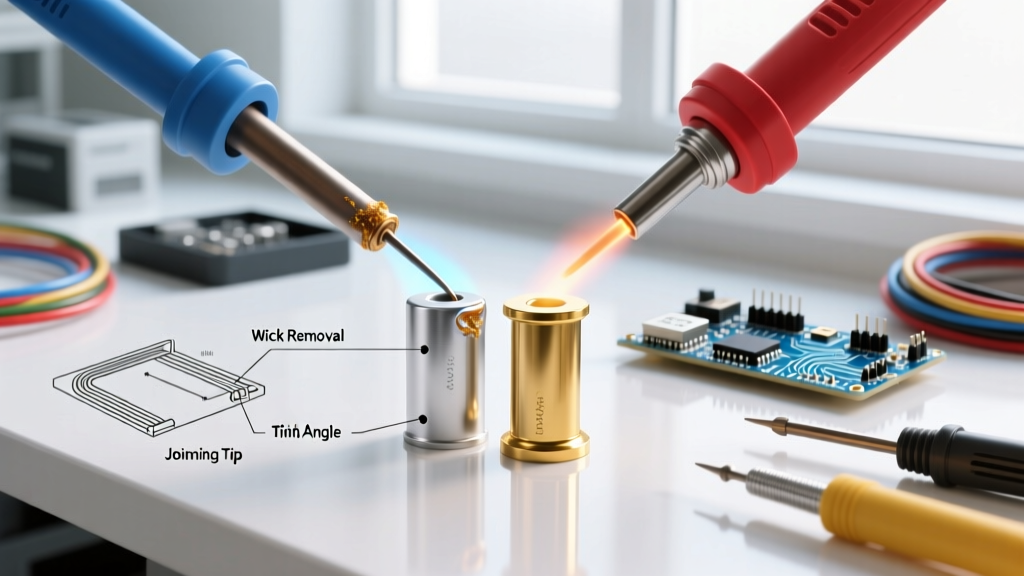
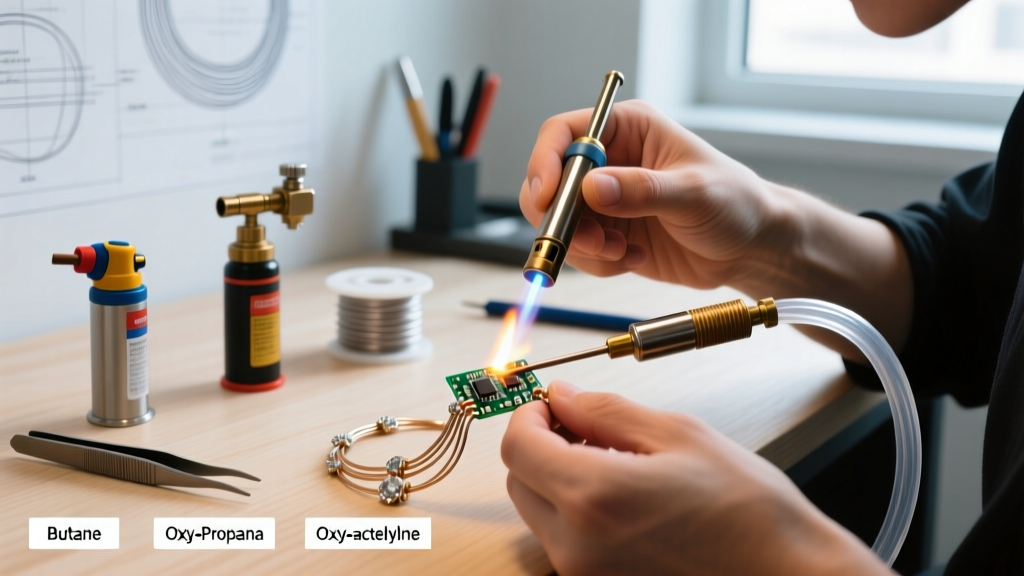
Before diving into specific methodologies, it is critical to understand the baseline capabilities of the three primary torch systems used in modern jewelry making. The following matrix outlines the operational parameters and best-use scenarios for each.
| Torch System | Fuel / Oxidizer | Max Flame Temp | Best Paired Techniques | Est. Setup Cost (2026) |
|---|---|---|---|---|
| Butane Micro-Torch | Refined Butane / Ambient Air | ~2,500°F (1,371°C) | Jump rings, wire wrapping, small bezels, enamel sifting | $60 - $90 |
| Oxy-Propane (Smith Little Torch) | Propane / Pure Oxygen | ~3,200°F (1,760°C) | Sweat soldering, prong setting, chain repair, ring sizing | $280 - $350 |
| Oxy-Acetylene (Henrob/Dillon) | Acetylene / Pure Oxygen | ~5,700°F (3,149°C) | Heavy casting repairs, large band sizing, platinum welding | $350 - $450+ |
1. Butane Micro-Torches: The Portable Precision Tool
The Blazer Big Shot GT-801 remains the industry benchmark for butane micro-torches. Because it relies on ambient air for oxygen, its flame is relatively soft and wide, making it exceptionally forgiving for beginners. Pairing: This tool is best paired with Easy Solder (flowing at ~1,200°F / 649°C for sterling silver) for closing jump rings, attaching ear posts, and light bezel work. The limitation of the butane torch is its inability to maintain a concentrated reducing flame, meaning heavy oxidation can occur if the heat application is prolonged.
2. Oxy-Propane Torches: The Bench Jeweler's Workhorse
The Smith Little Torch outfit is the undisputed standard for professional jewelry fabrication. By mixing pure oxygen with propane, it allows the jeweler to dial in a pinpoint, highly concentrated flame using interchangeable tips (ranging from #00 to #5). Pairing: This is the ultimate tool for sweat soldering, setting delicate prongs, and repairing intricate chains. The #00 tip provides a micro-flame perfect for melting a single pallion of solder without disturbing adjacent heat-sensitive gemstones (like emeralds or opals) set in the piece.
3. Oxy-Acetylene Torches: Heavy-Duty Thermal Penetration
Acetylene burns significantly hotter and faster than propane. The Henrob/Dillon torch setup provides massive thermal penetration, heating thick metal cross-sections in seconds. Pairing: Reserve this rig for heavy shank soldering, sizing thick cast men's bands, and repairing porosity in large castings. Using an oxy-acetylene torch on anything thinner than 14-gauge metal risks instant melting and severe pitting due to the aggressive oxidizing nature of the flame.
Technique Spotlight: Sweat Soldering a Bezel Cup
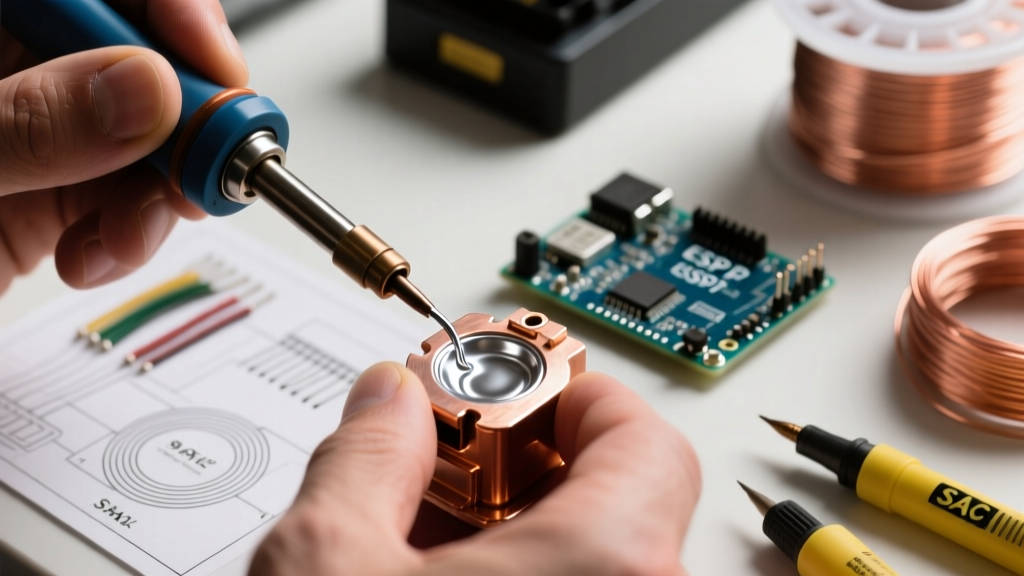
Sweat soldering involves pre-melting solder onto one component (the bezel cup) and then using heat to flow it onto the base plate, creating a seamless, gap-free joint. Here is the exact step-by-step protocol using a Smith Little Torch with a #2 tip and Oxy-Propane.
- Preparation: Sand the mating surfaces of the bezel cup and the backplate with 400-grit sandpaper to ensure absolute flatness. Clean both pieces in an ultrasonic cleaner to remove all skin oils and polishing compounds.
- Flux Application: Apply a thin, even layer of boron-modified flux (such as Handy Flux) to the base of the bezel cup. The flux will melt at ~1,100°F, protecting the metal from oxidizing just before the solder flows.
- Pallion Placement: Cut 1mm x 3mm chips of Medium Silver Solder (1,300°F flow temp). Place three pallions evenly spaced inside the bezel cup using a flux-dampened titanium pick.
- The Sweat Flow: Light the torch and adjust to a slightly carburizing (fuel-rich) flame to prevent oxidation. Apply a broad, sweeping flame over the entire bezel cup. As the flux bubbles and turns glassy, focus the inner blue cone of the flame directly on the solder pallions until they flash and melt flat against the base.
- The Join: Place the pre-soldered bezel cup onto the fluxed backplate. Apply a broad flame to the backplate, not the bezel. Heat transfers through the backplate, reaching the solder's flow temperature and 'sweating' the cup down perfectly.
- Quench and Pickle: Allow the piece to air cool until the red glow fades, then quench in water and transfer to a heated Sparex #2 pickle pot (130°F) to dissolve the glassy flux residue.
Common Failure Modes and Troubleshooting
Even with the correct torch for soldering jewelry, bench jewelers encounter specific metallurgical failures. Understanding the root cause of these issues separates amateurs from professionals.
- Solder Balling Up (Refusal to Flow): Cause: The flux has burned off or boiled away before the metal reached the solder's flow temperature, allowing a microscopic layer of oxidation to form. Fix: Use a softer, broader flame to heat the entire mass of the jewelry evenly, bringing the whole piece up to temperature simultaneously rather than focusing the flame directly on the solder pallion.
- Solder Flowing onto the Wrong Surface: Cause: Solder flows toward the hottest point. If the torch is aimed at the bezel rather than the backplate, the solder will ball up inside the cup instead of flowing to the joint. Fix: Always direct the primary heat source to the heavier, larger mass of metal, allowing capillary action to draw the solder into the joint.
Fuel Gases, Flux Chemistry, and Safety Standards
The chemical interaction between your chosen fuel gas and your flux dictates the success of your solder joint. According to technical guidelines published by The Ganoksin Project, the largest online community for jewelry technicians, matching the active temperature range of your flux to your solder grade is non-negotiable.
"Borax-based fluxes are excellent for high-temperature hard soldering and gold alloys, but they become too viscous and fail to protect sterling silver at the lower temperatures required for easy solder. Boron-modified fluxes are mandatory for multi-step silver soldering to prevent sequential burnout."
Furthermore, safety in the jewelry studio is paramount. The handling of compressed gases requires strict adherence to regulatory standards. As outlined by OSHA Compressed Gas Standards, oxygen and fuel cylinders must be stored upright, secured with chains, and separated by a minimum distance or a fire-rated barrier when not in active use. Acetylene cylinders, in particular, contain a porous monolithic filler and acetone; they must never be operated at a pressure exceeding 15 PSI, as doing so can draw liquid acetone into the torch hose, causing erratic flames and severe flare-ups.
Expert FAQ on Jewelry Torch Selection
Can I use a standard hardware store propane torch for jewelry?
While a standard Bernzomatic TS4000 hardware torch can technically melt silver solder, it is highly discouraged for precision jewelry work. The flame is far too broad and aggressive, making it nearly impossible to isolate heat to a specific joint. This results in widespread firescale, melted findings, and destroyed heat-sensitive stones. Invest in a dedicated oxy-propane setup from suppliers like Rio Grande for proper bench control.
Why does my solder joint look dull and grey after pickling?
This is known as 'firescale' or 'firestain,' which occurs when copper in the sterling silver alloy oxidizes deep beneath the surface during prolonged heating. To prevent this, minimize your heat exposure time, use a reducing flame, and consider applying a boric acid and denatured alcohol dip to the entire piece before fluxing the joint to create a protective barrier.
What is the best torch for soldering platinum jewelry?
Platinum requires extremely high temperatures (solder flows between 2,400°F and 3,200°F). An oxy-acetylene torch or a specialized hydrogen/oxygen water-welder is required. Standard oxy-propane setups generally lack the concentrated BTU output required to bring a platinum shank up to flow temperature without overheating the surrounding bench area.