
The 840°F Thermal Threshold: Defining the Divide
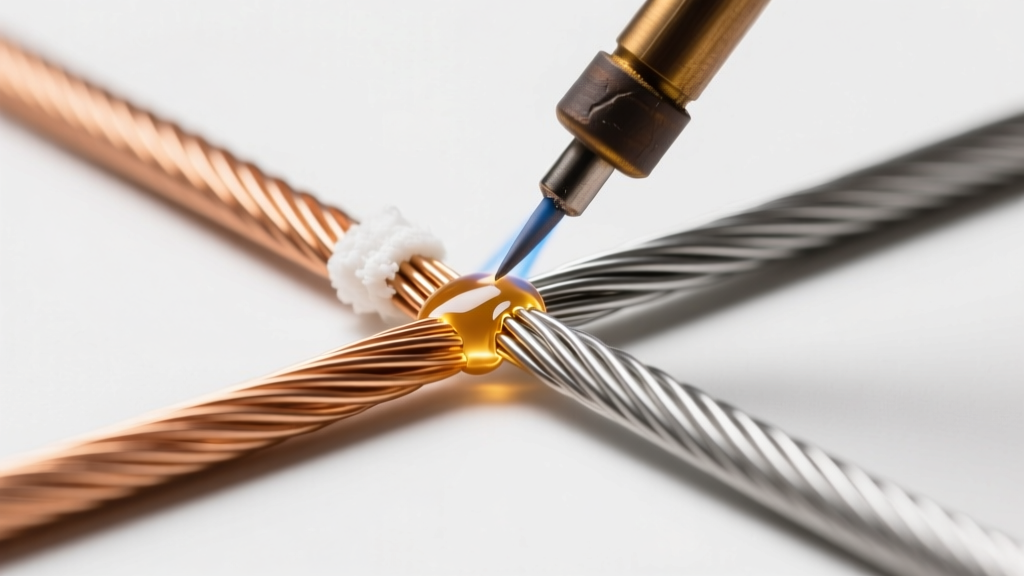
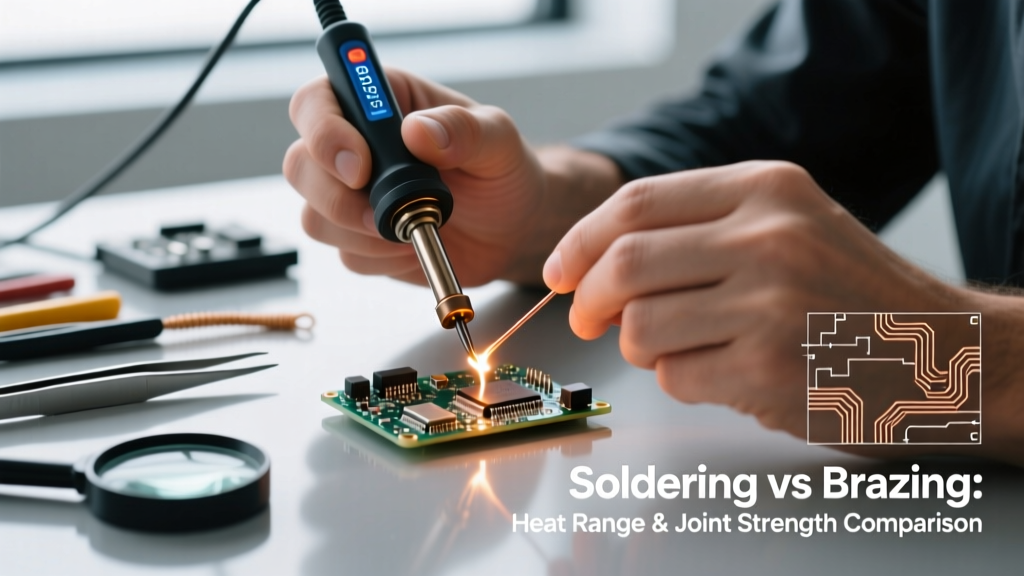
Understanding the fundamental difference between soldering and brazing is not just an academic exercise in metallurgy; it is the absolute baseline for workshop safety and joint integrity. Both processes join metals using a filler material without melting the base workpiece, but they are separated by a strict thermal boundary defined by the American Welding Society (AWS): 840°F (450°C).
Below 840°F, you are soldering. Above 840°F, you are brazing. Confusing the two—or worse, applying the safety protocols and material expectations of one to the other—can result in catastrophic joint failures under pressure, severe chemical exposures, and devastating workplace fires. As we navigate the evolving safety standards of 2026, mastering the distinct hazards of each process is non-negotiable for DIYers, HVAC technicians, and electronics engineers alike.
Core Comparison Matrix: Soldering vs. Brazing
| Parameter | Soldering (Soft & Hard) | Brazing |
|---|---|---|
| Temperature Range | 350°F - 839°F (175°C - 449°C) | 840°F - 2,200°F+ (450°C - 1,200°C+) |
| Primary Heat Sources | Soldering Irons, Hot Air, Wave Baths | Oxy-Acetylene, Oxy-Propane, Induction |
| Common Filler Metals | Sn60/Pb40, SAC305, Sn96.5/Ag3.0/Cu0.5 | BAg (Silver), BCuP (Copper-Phosphorus), Brass |
| Capillary Action | Moderate (requires tight clearances) | High (draws deep into joint gaps) |
| Primary Safety Hazards | Colophony (Rosin) Asthma, Lead Toxicity | Cadmium Vapor, Flashback, UV/IR Radiation |
Soldering Safety: Fume Extraction and Thermal Creep
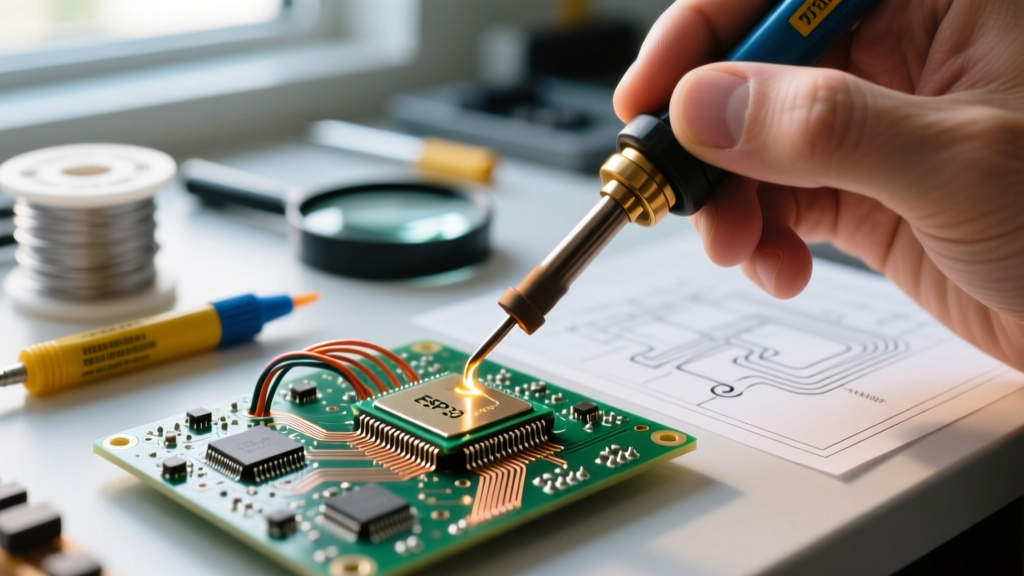
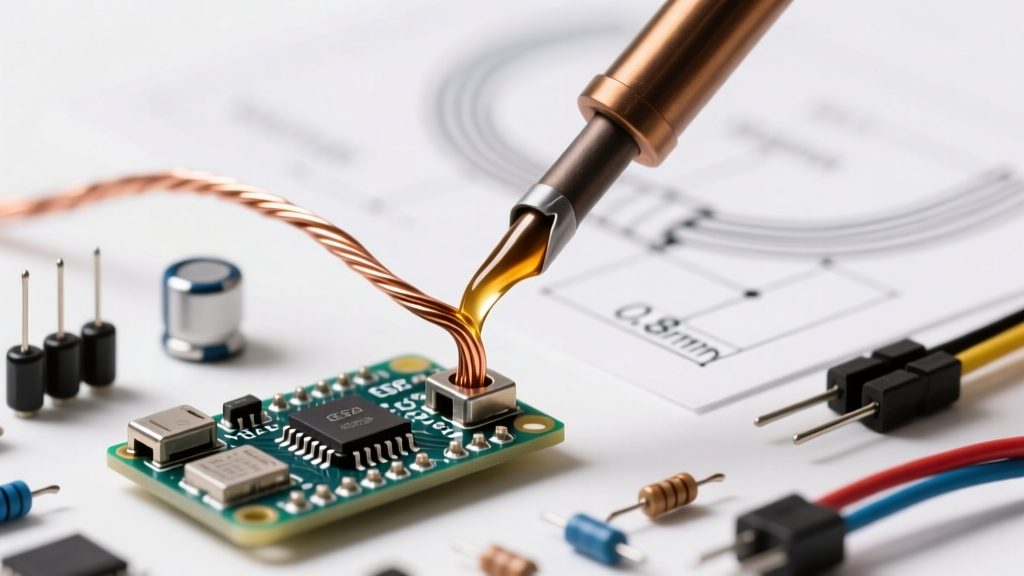
When operating below the 840°F threshold, the primary safety hazards are respiratory and chemical rather than immediate structural failure. Whether you are assembling a custom PCB with a Hakko FX-888D ($115) or sweating copper pipes with a propane torch, the flux is your biggest adversary.
The Colophony (Rosin) Hazard
In electronics, rosin-based fluxes (like Kester 245) are industry standards. However, when vaporized at 350°C, colophony releases aliphatic aldehydes and hydrochloric acid. Prolonged exposure is a leading cause of occupational asthma. According to the IPC J-STD-001 standards, proper fume management is mandatory for compliant assembly.
- Best Practice: Never rely on a simple desk fan to blow fumes away. Use a localized extraction system with a HEPA and activated carbon filter. Entry-level units like the Hakko FA-400 ($65) capture large particulates, but for continuous 2026 production environments, BOFA AD Oracle systems ($1,800+) are required to scrub volatile organic compounds (VOCs).
- Lead vs. Lead-Free: While RoHS compliance has pushed the industry toward SAC305 (96.5% Tin, 3% Silver, 0.5% Copper), many DIYers and aerospace sectors still use Sn60/Pb40. Lead does not vaporize at soldering temperatures; the risk of lead poisoning comes from ingestion via hand-to-mouth transfer. Always wash hands with cold water and soap before eating, and never use leaded solder on potable water lines.
Brazing Safety: The Cadmium Threat and Torch Hazards
Crossing the 840°F line into brazing introduces extreme thermal energy, high-pressure gases, and highly toxic metallurgical vapors. Brazing is heavily utilized in HVAC (for R410A and R32 refrigerant lines), structural aerospace components, and heavy machinery.
The Hidden Killer: Cadmium in Silver Brazing Alloys
Silver brazing alloys (BAg series) are prized for their low melting points and high tensile strength. However, older or cheaper formulations, such as the Harris 773-C, contain up to 18% Cadmium to improve flow. When heated past 1,200°F, cadmium vaporizes into cadmium oxide—a highly toxic, carcinogenic smoke. OSHA's Cadmium guidelines strictly regulate exposure limits (PEL of 0.1 mg/m³), and acute inhalation can cause fatal pulmonary edema within 24 hours.
Expert Recommendation: Eliminate cadmium from your workshop entirely. Transition to cadmium-free alloys like Silvaloy 56T (56% Ag, 22% Cu, 17% Zn, 5% Sn). While it costs roughly $150 per ounce in 2026 compared to $90 for cadmium-bearing alternatives, the elimination of required hazardous material disposal and specialized PPE makes it the undisputed best practice for modern HVAC and plumbing.
Torch Safety and Flashback Arrestors
Brazing requires oxy-fuel torches (like the Smith Little Torch or Victor Journeyman). A flashback occurs when the flame burns back into the torch or hoses, potentially reaching the regulator and causing a cylinder explosion.
- Mandatory Equipment: Install Victor SR1500D or Harris 85-1009 flashback arrestors on both the torch handle and the regulator ends. Check valves are not sufficient; arrestors contain a sintered metal filter that quenches the flame front.
- Purging Lines: When brazing copper refrigerant lines, always purge the interior with dry nitrogen at 2-3 PSI. This prevents the formation of copper oxide scale inside the pipe, which can break off and destroy compressor valves, while simultaneously reducing the risk of internal combustion if residual refrigerant or oil is present.
- Eye Protection: Oxy-acetylene flames emit intense UV and IR radiation. Standard safety glasses are insufficient. Use ANSI Z87.1 rated welding goggles with a Shade 3 to Shade 5 lens to prevent 'glassblower's cataracts' and retinal damage.
Catastrophic Failure Modes: When You Mix Them Up
Applying soldering techniques to a brazing application, or vice versa, guarantees failure. Here are the most common and dangerous edge cases seen in the field:
Using Soft Solder on High-Pressure HVAC Lines
Soft solder (even 95/5 Tin/Antimony) lacks the shear strength to withstand the 400+ PSI operating pressures of modern R410A and R32 HVAC systems, especially under the thermal expansion of compressor discharge lines (which can reach 220°F). The solder will experience 'thermal creep,' slowly extruding out of the joint capillary until it ruptures, venting highly flammable R32 refrigerant into the structure.
Using Silver Braze on a Printed Circuit Board (PCB)
Attempting to repair a heavy-duty PCB trace with a BCuP or BAg brazing rod and an oxy-acetylene torch will instantly vaporize the flux, delaminate the FR4 fiberglass substrate, and lift the copper pads entirely off the board. PCBs require localized, controlled thermal mass (like a Metcal CV-5200 induction system) strictly kept below 400°C.
2026 PPE and Workspace Matrix
To align with the latest AWS Z49.1 Safety in Welding, Cutting, and Allied Processes guidelines, configure your personal protective equipment based on the specific thermal process:
| Process | Respiratory PPE | Hand/Body Protection | Eye Protection |
|---|---|---|---|
| Electronics Soldering | N/A (if using localized carbon extraction) | ESD-safe nitrile gloves (lead handling) | ANSI Z87.1 Clear Safety Glasses |
| Plumbing Soldering | N95 for particulates (if sanding) | Leather palm gloves, cotton sleeves | Shade 2 Gas Welding Glasses |
| Silver Brazing (HVAC) | Half-mask P100 with Acid Gas/OV cartridges | Aluminized leather gauntlets, FR jacket | Shade 4 or 5 Gas Welding Goggles |
Final Best Practices for the Modern Workshop
The difference between soldering and brazing ultimately dictates your entire safety ecosystem. Soldering demands rigorous chemical hygiene and fume extraction to protect your long-term respiratory health. Brazing demands extreme thermal management, flashback prevention, and strict avoidance of cadmium-bearing alloys to prevent acute toxicity and explosive failures. By respecting the 840°F threshold and equipping your workspace with process-specific PPE and extraction, you ensure both the structural integrity of your joints and the safety of your environment.