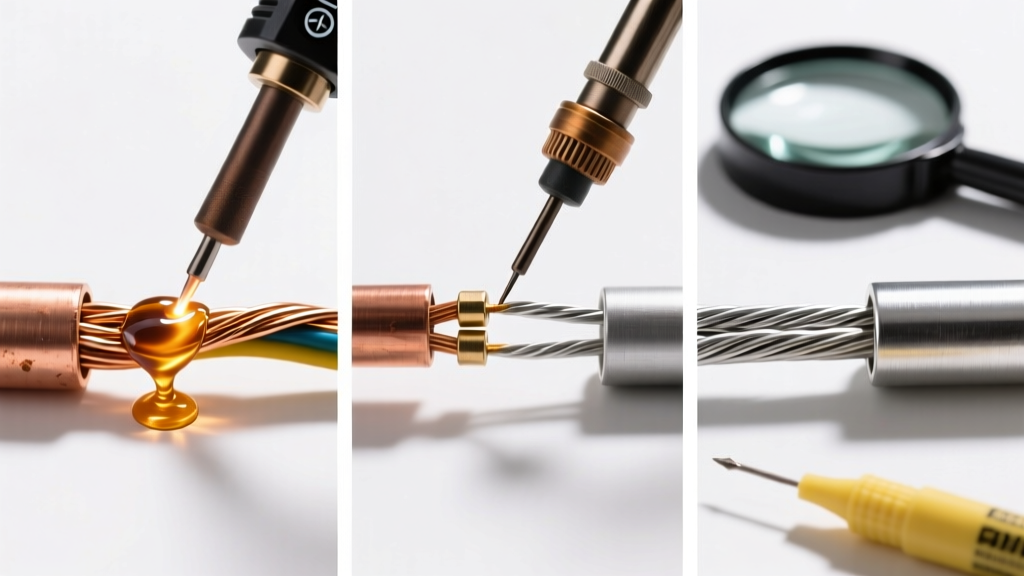

The 450°C Threshold: Metallurgy vs. Adhesion
When professionals evaluate brazing vs soldering, the distinction is not merely semantic; it is rooted in strict metallurgical definitions governed by the American Welding Society (AWS). The definitive dividing line is the liquidus temperature of the filler metal: 450°C (840°F). Any joining process utilizing a filler metal that melts below this threshold is classified as soldering. Above 450°C, the process is brazing. However, the practical differences extend far beyond a simple temperature metric, fundamentally altering the grain structure, tensile strength, and thermal fatigue resistance of the final joint.
In both processes, the base metals do not melt. Instead, the joint relies on capillary action to draw the molten filler metal into the microscopic clearance between the mating surfaces. Yet, the atomic behavior differs drastically. Soldering primarily relies on surface wetting and intermetallic compound (IMC) formation at the boundary layer. Brazing, due to its higher thermal energy, promotes deep atomic diffusion into the base metal's grain structure, creating a continuous metallurgical bond that often exceeds the tensile strength of the base materials themselves.
Comparative Matrix: Brazing vs Soldering at a Glance
| Parameter | Professional Soldering | Professional Brazing |
|---|---|---|
| Temperature Threshold | Below 450°C (840°F) | Above 450°C (840°F) |
| Primary Filler Alloys | SAC305, Sn63/Pb37, Sn96.5 | BCuP (Copper-Phos), BAg (Silver) |
| Joint Clearance | 0.05mm - 0.15mm | 0.025mm - 0.125mm |
| Tensile Strength | 30 - 60 MPa (Typical) | 200 - 450+ MPa |
| Flux Classification | IPC J-STD-004 (Rosin/No-Clean) | AWS A5.31 (Borax/Fluoride) |
| 2026 Avg. Filler Cost | $40 - $55 / lb (SAC305 wire) | $120 - $180 / oz (BAg-7 56% Ag) |
| Primary Heat Source | Conduction (Iron), Hot Air, Laser | Oxy-Acetylene, Induction, Furnace |
Professional Soldering: Electronics and Micro-Joining
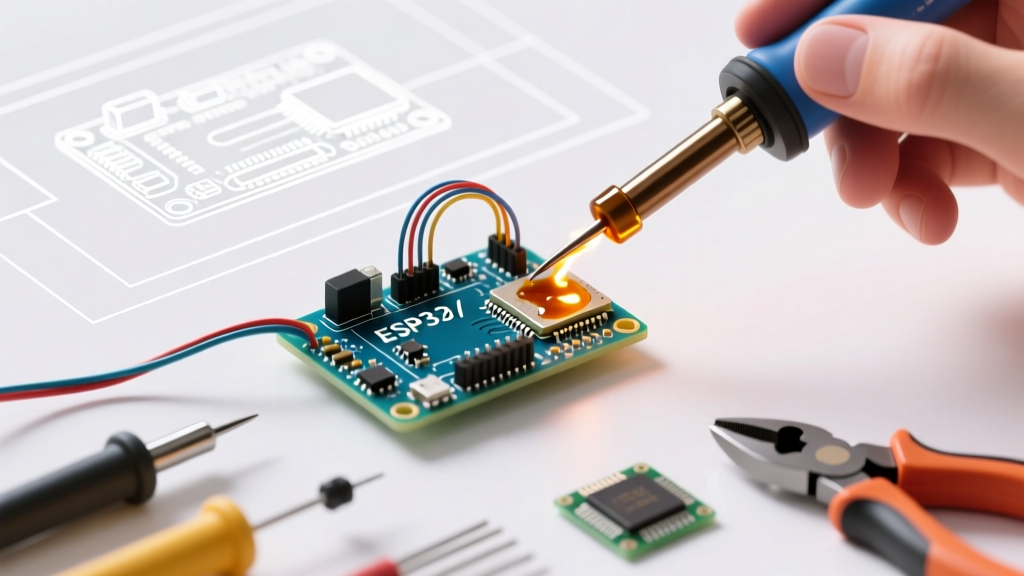
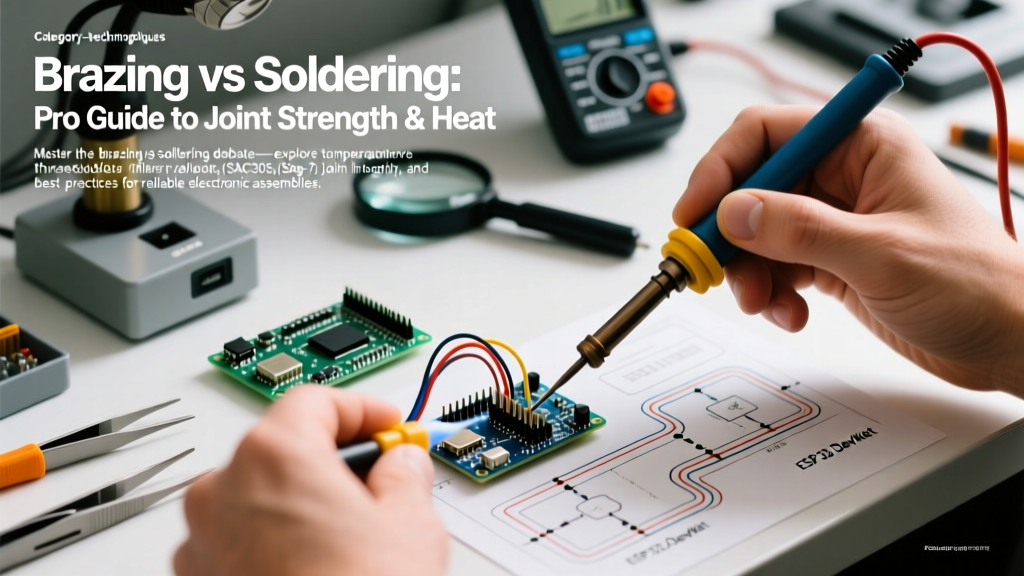
In the electrical and electronics sectors, soldering is the undisputed standard for creating conductive, low-resistance pathways without damaging heat-sensitive semiconductor junctions. Modern professional soldering is heavily regulated by IPC standards, specifically IPC J-STD-004 for fluxes and IPC-A-610 for acceptability.
Alloy Selection and Thermal Profiling
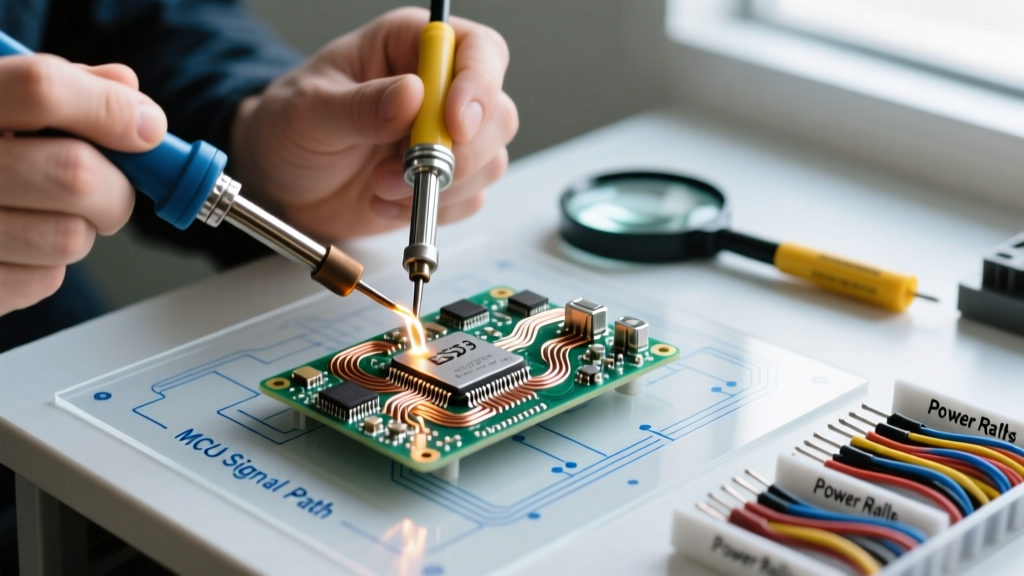
For standard commercial electronics, SAC305 (96.5% Tin, 3.0% Silver, 0.5% Copper) remains the industry workhorse in 2026, melting at roughly 217°C. However, the rise of high-reliability automotive and aerospace electronics has pushed professionals toward doped alloys like SAC-Q or SnCuNi (SCN) to mitigate tin whisker growth and improve thermal cycling resilience. When using a precision station like the Hakko FX-951 or Weller WE1010NA, professionals must dial in the thermal profile carefully. A typical SAC305 profile requires a tip temperature of 350°C to 380°C to ensure the flux activates (usually around 150°C-180°C) and the solder reflows rapidly, minimizing the time the component spends in the plastic deformation zone.
Flux Chemistry: The Invisible Hero
Soldering fluxes are designed to dissolve copper oxides at relatively low temperatures without corroding the delicate traces on a printed circuit board (PCB). Type ROL0 (Rosin, Low Activity, No Halides) is the standard for 'no-clean' applications. The residue is non-conductive and benign, left on the board to save manufacturing time. For high-reliability aerospace applications, RMA (Rosin Mildly Activated) is preferred, followed by rigorous cleaning with saponifiers to prevent electrochemical migration (dendrite growth) in high-humidity environments.
Professional Brazing: HVAC, Structural, and High-Stress
When mechanical integrity, pressure containment, and high-temperature operation are required, brazing takes over. The HVAC/R industry, aerospace fluid lines, and heavy electrical busbars rely on brazed joints to withstand vibrational fatigue and internal pressures exceeding 400 PSI.
The Silver and Copper-Phosphorus Families
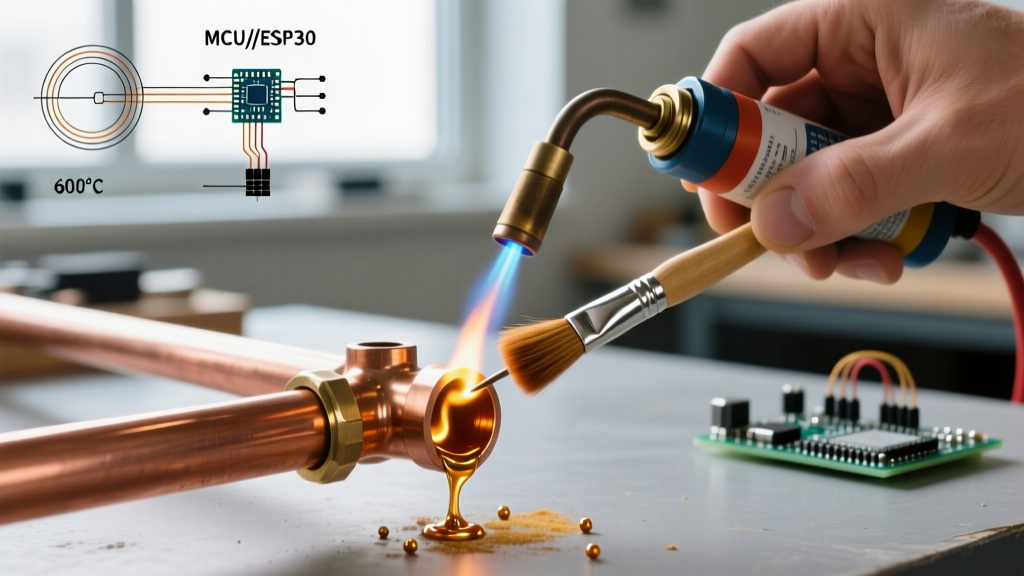
According to guidelines published by the American Welding Society (AWS), filler metals are strictly classified. For copper-to-copper joints in refrigeration lines, BCuP-5 (15% Silver, 80% Copper, 5% Phosphorus) is the professional standard. The phosphorus acts as an inherent fluxing agent, breaking down copper oxides without the need for external chemical flux—a massive advantage for sealed refrigerant loops where trapped flux residue could destroy a compressor.
However, the moment a professional introduces a ferrous metal (steel, iron) or nickel alloy into the joint, phosphorus-bearing alloys become catastrophic. Phosphorus reacts with iron to form brittle iron phosphide intermetallics, leading to immediate joint embrittlement and catastrophic failure under vibration. For dissimilar metals, such as copper-to-brass or copper-to-steel, professionals must pivot to the BAg (Silver) family, such as BAg-7 (56% Silver). Due to the volatile silver commodity market in 2026, BAg-7 costs upwards of $150 per troy ounce, making precise pre-placement and induction brazing highly cost-effective compared to manual torch brazing.
Flux Management in High-Heat Environments
Brazing fluxes, governed by AWS A5.31, are typically borax-boric acid or fluoride-based compounds (like FB3-A or FB4-A). They are engineered to remain stable and actively dissolve refractory oxides at temperatures ranging from 600°C to 850°C. Unlike rosin fluxes, brazing fluxes leave a hard, glassy slag that is highly corrosive if left untreated. Professionals must quench the joint in water (if the base metal allows) to thermally shock the slag off, followed by wire brushing and chemical passivation.
The Pro's Decision Framework: Which Process to Choose?
The Golden Rule of Joining: Never braze what can be safely soldered, and never solder what requires structural brazing. Overheating an electronic component with a brazing torch will delaminate the PCB substrate, while attempting to solder a high-pressure hydraulic line will result in a joint that yields under the first pressure spike.
To make the correct engineering decision, evaluate the joint against these three critical vectors:
- Operating Temperature: If the joint will operate in an environment exceeding 150°C (such as near an exhaust manifold or inside a high-power inverter housing), standard tin-based solders will experience severe creep and eventual fatigue failure. Brazing is mandatory.
- Mechanical Load: Soldered joints have poor shear and tensile strength. If the joint supports physical weight, acts as a structural hinge, or is subject to high-frequency vibration (e.g., automotive alternator brackets), brazing provides the necessary ductility and yield strength.
- Thermal Budget of Base Metals: If you are joining thin-walled beryllium copper or heat-treated spring steels, the 700°C+ heat required for brazing will anneal the base metal, destroying its temper and spring properties. In these edge cases, specialized low-temperature silver soldering (which technically falls under the brazing definition but operates near 600°C) or active alloy soldering is required.
Edge Case: The Copper-to-Steel Dilemma
A frequent challenge in electrical switchgear and HVAC manufacturing is joining copper busbars to steel mounting brackets. Because steel has a higher thermal mass and lower thermal conductivity than copper, professionals must use an oxy-acetylene torch with a slightly carburizing flame to prevent oxidizing the steel. The copper side must be pre-heated using the torch's heat envelope rather than direct flame impingement to avoid melting the copper (1085°C) before the silver brazing alloy (typically melting around 630°C) flows. Using a specialized paste flux like Lucas-Milhaupt's Black Flux is critical here, as it contains elemental boron to handle the tenacious oxides that form on steel at high temperatures.
Common Failure Modes and Diagnostics
Understanding how joints fail separates the technician from the engineer. Here are the most common failure modes for both processes:
Soldering Failures:
- Cold Solder Joint: Caused by insufficient heat transfer or movement during the plastic phase. Visually identified by a dull, grainy, or convex appearance. Electrically, it creates a high-resistance point that generates localized heat (Joule heating), eventually leading to thermal runaway.
- Pad Lift/Delamination: Caused by excessive dwell time with the soldering iron. The epoxy resin in the FR4 PCB substrate reaches its glass transition temperature (Tg), losing adhesion to the copper foil.
Brazing Failures:
- Base Metal Erosion (Gouging):strong> Occurs when the torch flame is too oxidizing or the temperature exceeds the solidus of the base metal. The filler metal alloys with the surface of the base metal, effectively dissolving it and creating a micro-trench that acts as a stress concentrator.
- Incomplete Capillary Penetration: Often diagnosed via ultrasonic testing or dye penetrant inspection. Caused by improper joint clearance (too tight prevents flow, too wide breaks capillary action) or failure to reach the flow temperature at the deepest point of the joint lap.
Conclusion
The debate of brazing vs soldering is ultimately resolved by the specific mechanical, thermal, and electrical requirements of your application. By respecting the 450°C threshold, selecting the precise AWS or IPC classified filler metals, and rigorously managing flux chemistry, professionals can engineer joints that outlast the assemblies they bind. Whether you are terminating a 0402 surface-mount capacitor with SAC305 or brazing a 2-inch copper refrigerant return line with BCuP-5, precision and metallurgical awareness are your most valuable tools.