
The Metallurgy Challenge: Understanding Brass and Filler Metals
When fabricators and DIYers search for brass soldering wire, they are usually navigating a complex intersection of metallurgy and terminology. According to the American Welding Society (AWS), the term 'soldering' strictly applies to joining metals using a filler metal that melts below 450°C (840°F). However, true brass-colored filler wires (copper-zinc alloys) actually melt well above this threshold, placing them in the 'brazing' category. Conversely, if you are trying to solder brass components using low-temperature electronics or plumbing solder, you aren't using brass wire at all—you are using tin-silver or tin-lead alloys on a brass base metal.
This guide cuts through the confusion. We will explore both the high-temperature brass brazing rods (often colloquially called brass soldering wire) and the low-temperature silver-bearing solder wires used to join brass components. Mastering these techniques requires understanding the unique thermal properties of brass, specifically its zinc content.
The Zinc Vaporization Problem
Brass is an alloy of copper and zinc. The Copper Development Association (CDA) notes that while copper melts at 1,085°C, zinc boils and vaporizes at just 907°C (1,665°F). Because many brass alloys begin to melt around 900°C to 940°C, applying excessive heat with a high-temperature brass filler wire causes the zinc in the base metal to vaporize. This results in two critical issues:
- Porosity: Zinc vapor creates gas pockets in the cooling joint, severely compromising structural integrity.
- Toxic Fumes: Vaporized zinc oxidizes in the air to form zinc oxide, a toxic white smoke that causes 'metal fume fever' (a flu-like illness regulated heavily by OSHA).
Therefore, selecting the correct 'brass soldering wire' and managing your thermal input is not just about joint strength—it is a critical safety and quality imperative.
Decoding Filler Metals: The 2026 Alloy Selection Matrix
Choosing the right filler depends entirely on your base metal thickness, required joint strength, and available heat sources. Below is a comparison of the most common filler wires used for brass applications in 2026, complete with current market pricing.
| Filler Wire Type | Example Product (2026) | Melting Point | Best Application | Required Flux | Est. Cost |
|---|---|---|---|---|---|
| Bare Brass Brazing Rod | Harris 0 (Cu-Zn-Sn) | 870°C - 890°C | Heavy structural brass, steel-to-brass, thick pipes | Borax-based (e.g., Harris White) | $28 / lb |
| Flux-Coated Brass Rod | Blue Demon BCuZn-A | 870°C - 890°C | Outdoor repairs, HVAC brass lines, quick field fixes | Pre-coated (Borax) | $45 / lb |
| Silver-Bearing Tin Solder | Harris Stay-Brite 8 (95% Sn, 5% Ag) | 288°C (550°F) | Brass plumbing, jewelry, electronics, thin sheets | Zinc Chloride (e.g., Stay-Clean) | $38 / kit |
| SAC305 Lead-Free Solder | Kester 33 (Sn96.5/Ag3.0/Cu0.5) | 217°C - 220°C | PCB brass contacts, micro-brass components | No-Clean or Rosin (RMA) | $55 / lb |
Technique 1: High-Temp Brass Brazing (Using Brass Filler Wire)
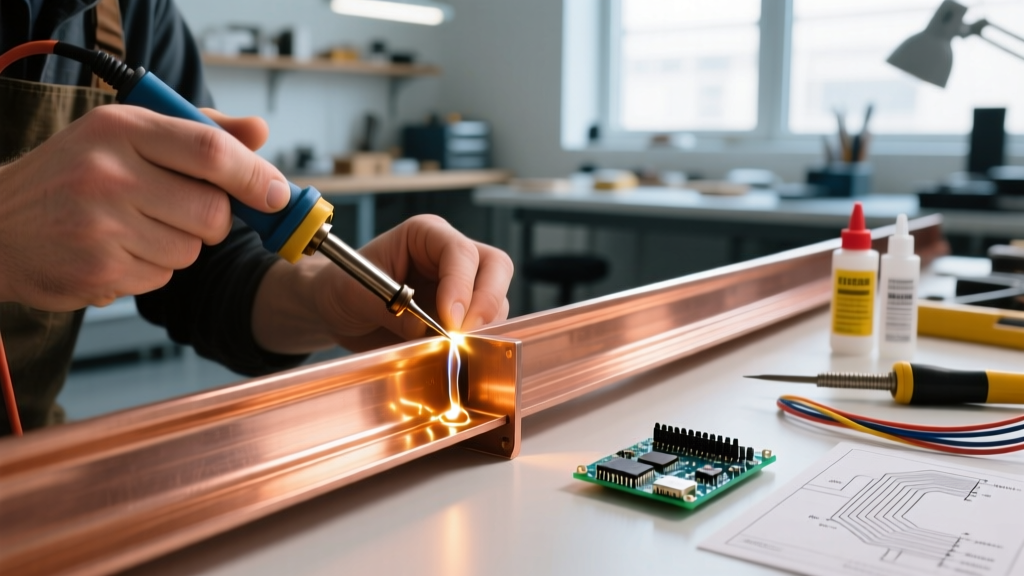
When structural integrity is paramount—such as repairing a brass valve body or joining thick brass architectural elements—you must use a copper-zinc filler wire (like Harris 0). Because the melting point of the filler is dangerously close to the melting point of the base brass, precise torch control is mandatory.
Step-by-Step Brazing Protocol
- Mechanical Preparation: Brass oxidizes rapidly when heated. Abrade the joint surfaces with 120-grit sandpaper or a brass wire brush until bright, shiny metal is exposed. Wipe with anhydrous isopropyl alcohol to remove oils.
- Flux Application: Apply a generous layer of borax-based brazing flux (e.g., Harris White Flux) to both the base metal and the brass filler wire. The flux will melt around 550°C, creating a protective glass-like shield that prevents zinc vaporization and copper oxidation.
- Thermal Management: Use a high-BTU torch like the Bernzomatic TS8000 fueled by MAP-Pro gas. Do not point the inner blue cone directly at the brass. Instead, use the softer outer envelope of the flame and keep the torch moving in wide, sweeping circles to distribute heat evenly.
- Capillary Draw: Heat the base metal until the flux turns clear and glassy (approximately 600°C). Touch the brass filler wire to the joint edge. If the base metal is at the correct temperature (around 890°C), the wire will instantly melt and wick into the capillary gap. Never melt the wire directly with the torch flame.
- Controlled Cooling: Allow the joint to air-cool. Quenching brass in water can cause thermal shock and micro-fractures, especially in high-zinc alloys (like C36000 free-machining brass).
Technique 2: Low-Temperature Soldering on Brass
For thin brass sheets, musical instruments, jewelry, or plumbing where high heat would melt adjacent plastic components or warp delicate geometries, you must abandon brass filler wire and opt for a silver-bearing tin solder. The 5% silver content in alloys like Stay-Brite 8 dramatically improves wetting on brass surfaces compared to standard tin-lead or pure tin solders.
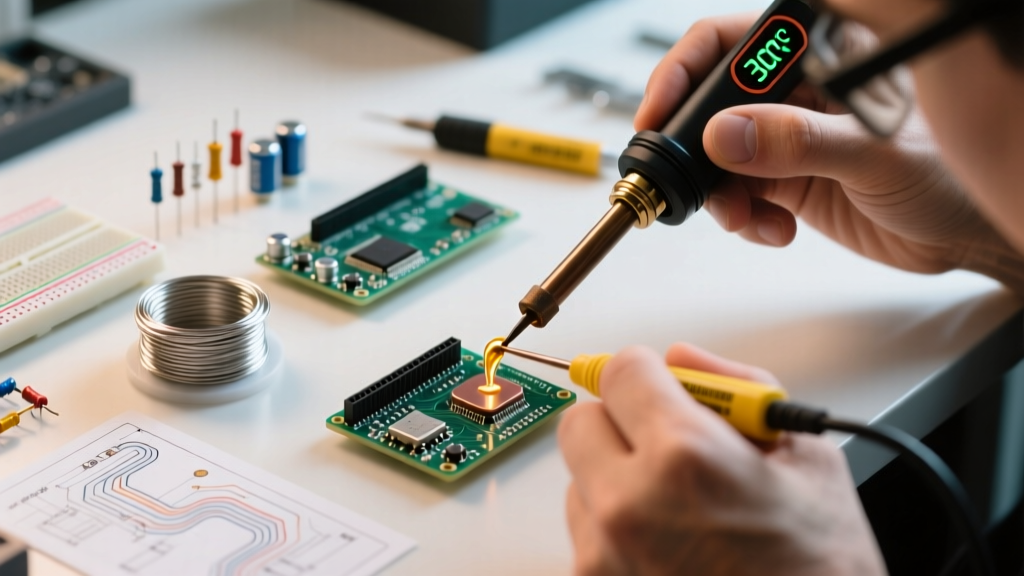
Expert Thermal Mass Tip: Brass is an excellent thermal conductor. If you are using a soldering iron to join a thick brass fitting (e.g., a 1/2-inch NPT connector), a standard 40W iron will fail; the brass will act as a massive heat sink, resulting in a cold, crystalline joint. For heavy brass components, use a high-wattage station like the Hakko FX-951 (70W) or the Weller WE1010NA (70W) equipped with a chisel tip (like the Weller ETA) to maximize surface area contact and drive heat into the core of the metal.
Low-Temp Soldering Execution
- Flux is Non-Negotiable: Standard rosin flux will not penetrate the tough zinc-oxide layer on brass. You must use an aggressive, water-soluble organic acid flux (zinc chloride base). Apply it sparingly with a cotton swab.
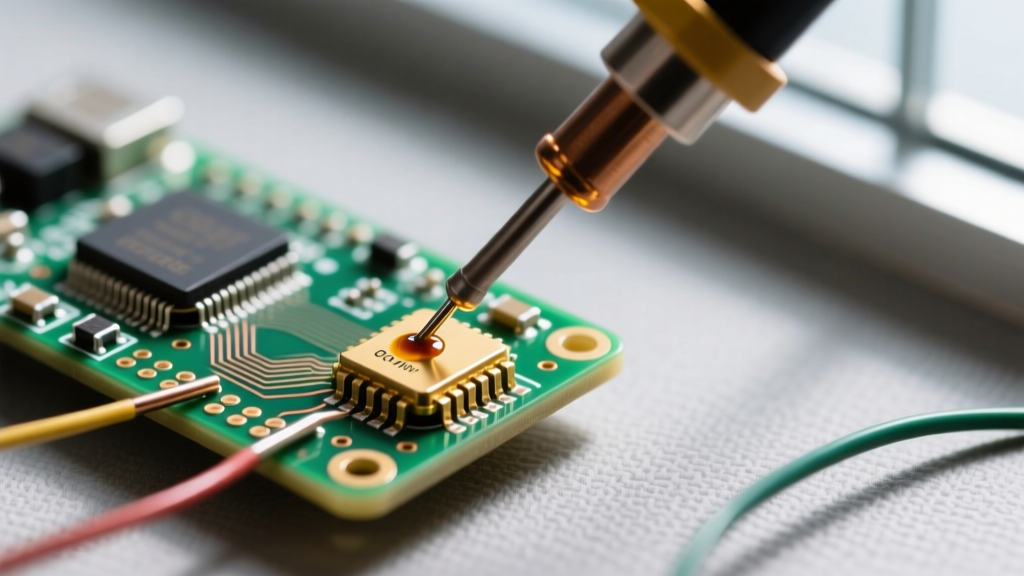
- Pre-Tinning: Heat the brass and apply the solder directly to the base metal to create a 'tinned' layer. If the solder balls up and rolls off, the metal is either not hot enough, or the zinc oxide layer has not been broken down by the flux.
- Post-Solder Cleaning: Zinc chloride flux is highly corrosive. Once the joint cools, scrub it with a stiff brush and hot water, followed by a baking soda solution to neutralize any residual acid. Failure to do this will result in green copper-chloride corrosion within 48 hours.
Troubleshooting Common Brass Soldering Failures
Even experienced fabricators encounter edge cases when working with brass. Here is how to diagnose and fix the most frequent failure modes:
- Failure Mode: Porous, Sponge-Like Joint.
Diagnosis: Zinc fuming. You applied too much localized heat, boiling the zinc out of the base brass.
Solution: Use a larger, softer flame, keep the torch moving, and rely on capillary action rather than melting the filler wire with the torch. - Failure Mode: Solder Balls Up and Refuses to Wet.
Diagnosis: Inadequate flux or insufficient thermal mass.
Solution: Switch to a stronger zinc-chloride flux for low-temp soldering, or upgrade to a higher-wattage iron/larger torch tip for high-temp brazing. - Failure Mode: Black, Crusty Residue Blocking Capillary Flow.
Diagnosis: Flux burn-off. The base metal was held at high heat for too long before the filler wire was introduced, causing the borax flux to carbonize and lose its chemical cleaning properties.
Solution: Apply flux to the filler wire itself, not just the base metal, to introduce fresh flux into the joint at the exact moment of melting.
Safety Protocols: Managing Zinc Fumes in 2026
When using true brass soldering/brazing wire, ventilation is not optional. OSHA sets the Permissible Exposure Limit (PEL) for zinc oxide fume at 5 milligrams per cubic meter of air over an 8-hour time-weighted average. In a small home workshop, brazing just a few thick brass joints can exceed this limit in minutes.
Always use a localized fume extractor equipped with a HEPA and activated carbon filter (such as the Hakko FA-400 or a benchtop extractor arm) positioned within 6 inches of the joint. If working outdoors or in a garage, ensure cross-ventilation with an exhaust fan pulling air away from your breathing zone. Always wear an N95 or P100 respirator rated for metal fumes when brazing brass indoors.
Frequently Asked Questions (FAQ)
Can I use standard plumbing solder on brass fittings?
Standard 95/5 tin-antimony plumbing solder struggles to wet brass due to the zinc content. While it is possible with aggressive acid flux, the joint will be brittle. For plumbing, always upgrade to a silver-bearing solder (like 95/5 tin-silver) or use a dedicated brass brazing rod for high-pressure lines.
Why does my brass joint crack when it cools?
This is known as 'hot cracking' and occurs when the brass alloy contains high levels of lead (like C36000 free-machining brass). Lead creates a low-melting-point grain boundary that tears as the metal contracts during cooling. If you must join high-lead brass, use low-temperature silver-tin solder to minimize the thermal expansion and contraction cycle.
Do I need to quench brass after brazing?
No. Unlike steel, which can be hardened or tempered by quenching, quenching brass in water only serves to spall the glassy borax flux residue. While this makes cleaning easier, the rapid thermal contraction can induce micro-stresses in the zinc-copper matrix. Air cooling is the safest method for preserving joint ductility.