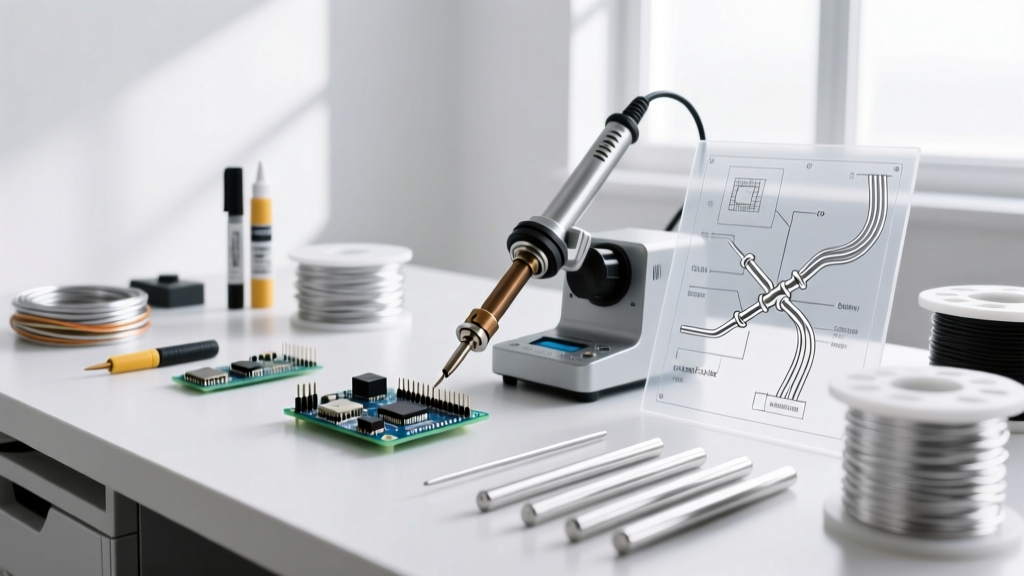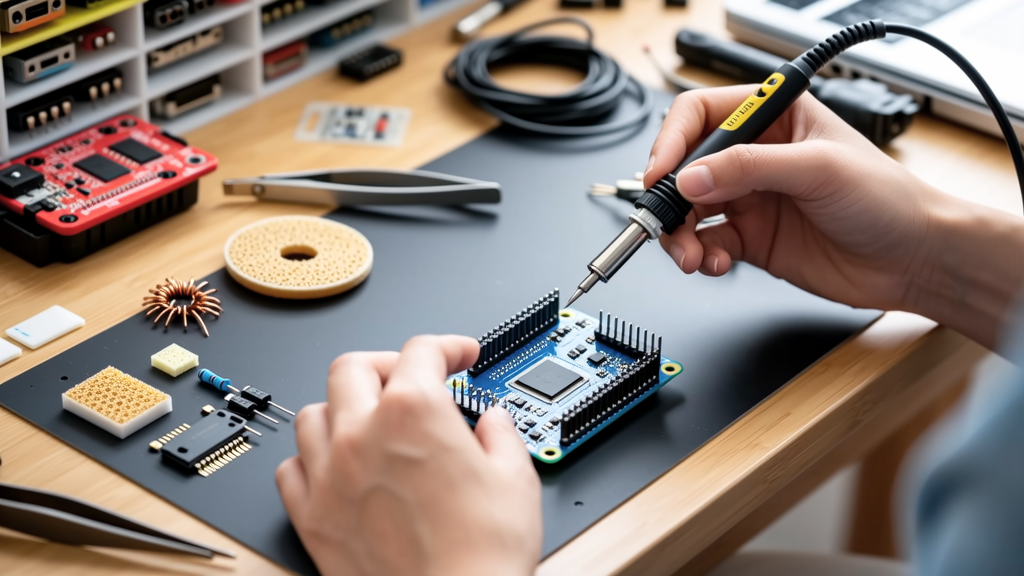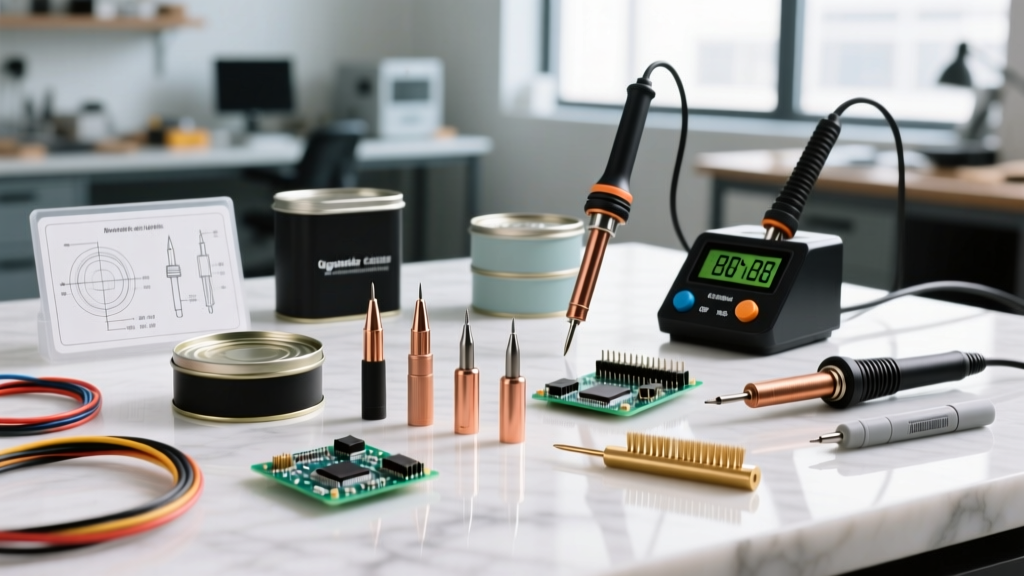

Why the Tinned Soldering Tip is the Ultimate Maker Gift
When shopping for the electronics hobbyist or professional engineer in your life, it is tempting to default to flashy multimeters, new microcontrollers, or high-end oscilloscopes. However, the most critical component on any workbench is often the most overlooked: the tinned soldering tip. In 2026, as surface-mount components shrink to 01005 sizes and lead-free SAC305 alloys demand rigorous thermal management, a perfectly maintained tip is the dividing line between a reliable mirror-finish fillet and a catastrophic cold joint.
A premium tinned soldering tip, paired with the right maintenance ecosystem, is a deeply thoughtful, highly practical gift that says you understand the daily frustrations of the craft. This guide breaks down the metallurgy, the best replacement kits, and the essential care accessories to build the ultimate soldering gift bundle.
The Hidden Metallurgy: What You Are Actually Gifting
To buy a great gift, you must understand what makes a modern soldering tip tick. A high-end tip is not just a shaped piece of copper. According to industry manufacturing standards, a professional tip is a complex, multi-layered metallurgical sandwich designed to balance thermal conductivity with extreme corrosion resistance.
The Anatomy of a Premium Tip
- The Copper Core: The heart of the tip, usually forged from high-purity oxygen-free copper (OFC), responsible for rapidly transferring heat from the ceramic heating element to the joint.
- The Iron Plating Layer: This is the most crucial layer. Molten solder dissolves raw copper in seconds. To prevent this, manufacturers electroplate the working end with iron, typically between 50 to 150 microns thick. This iron layer resists dissolution but is highly susceptible to oxidation.
- The Chromium Barrier: Applied to the non-working sides of the tip to prevent solder from wetting and creeping up the shaft, which can damage the heating element.
- The Factory Tinning Layer: A sacrificial coating of solder applied at the factory to protect the iron plating from oxidizing during storage and shipping.
Expert Insight: When you gift a premium tip, you are essentially gifting precision-engineered iron plating. If that iron layer is breached by abrasive cleaning or excessive heat, the copper core will hollow out, destroying the tip in a matter of hours.
Tier 1: Premium Replacement Tip Upgrade Kits
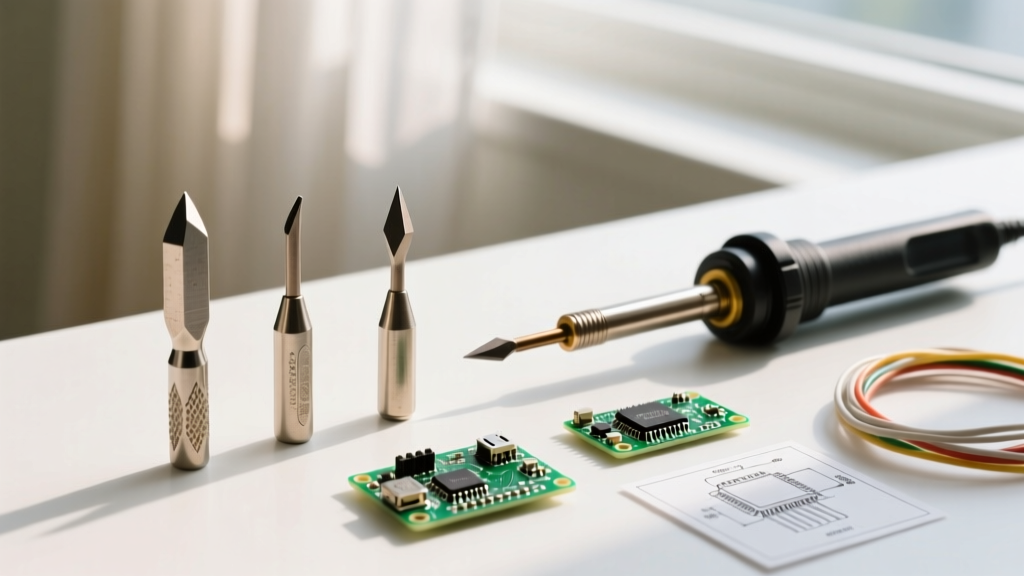
The best starting point for a gift is a curated set of high-quality replacement tips. Many hobbyists buy third-party clone stations but suffer from terrible thermal recovery because they use cheap, thinly plated clone tips. Gifting genuine, OEM tinned soldering tip sets will instantly upgrade their soldering experience.
| Brand / Series | Model Example | Iron Plating Thickness | Avg Price (2026) | Best Application |
|---|---|---|---|---|
| Hakko T18 Series | T18-D24 (Chisel) | ~100 µm | $8.50 - $9.50 | General THT & heavy wire |
| Weller RT Series | RT3 (Micro Conical) | ~120 µm | $11.00 - $13.00 | Precision THT & 0603 SMD |
| JBC C210 Cartridge | C210-116 (Blade) | Proprietary Integrated | $38.00 - $45.00 | 0201 SMD, micro-rework, drag |
| Pine64 PineTip | TS-B2 (Bevel) | ~90 µm | $4.00 - $5.50 | Budget-friendly daily driver |
Gift Strategy: For the general hobbyist, a 5-pack of genuine Hakko T18 tips (including a chisel, bevel, and fine conical) is the gold standard. For the advanced micro-solderer repairing smartphones or drones, a single JBC C210 cartridge tip is a revelation, offering sub-second heat recovery that protects delicate PCB pads.
Tier 2: The Tip Tinning & Maintenance Ecosystem
A tinned soldering tip is only as good as its maintenance routine. The days of using a wet cellulose sponge to clean a tip are over; the thermal shock of a wet sponge causes micro-fractures in the iron plating, leading to premature pitting. As detailed in the SparkFun Through-Hole Soldering Guide, proper thermal management and dry cleaning are paramount for tip longevity.
The Ultimate Care Bundle
Assemble these three items into a small anti-static bag for the perfect "Tip Care" stocking stuffer:
- Hakko 599B Tip Cleaner ($14.50): A specialized brass wire sponge housed in a weighted, high-temperature silicone base. It cleans oxidized flux residue without dropping the tip's temperature or causing thermal shock.
- MG Chemicals 8341 Tip Tinner / Activator ($12.00): A paste compound containing mild abrasives and highly active flux. When a tip turns black and refuses to wet, dipping it into this compound chemically strips the oxidation and instantly re-tins the iron layer.
- Kester 245 63/37 Leaded Solder Wire ($35.00 for 1lb): Even if the maker solders exclusively with lead-free SAC305 on their boards, they should always tin their tip with 63/37 leaded solder before turning the station off. Leaded solder has a lower melting point and is far less aggressive on the iron plating during storage.
Tier 3: Smart Stations That Protect the Tinned Layer
If your budget allows for a larger gift ($30 to $120), consider a smart soldering station that actively protects the tinned soldering tip from thermal abuse. The primary killer of tip tinning is leaving the iron idle at 400°C; at this temperature, the flux burns into a hard carbon crust, and the iron plating oxidizes rapidly.
- Pine64 Pinecil V2 ($26.00): Powered by the Bouffalo Lab BL706 chip, this open-source iron features a built-in motion sensor. It automatically drops the temperature to 150°C (sleep mode) when set down, and shuts off completely after 10 minutes. This single feature triples the lifespan of the tip's tinning.
- Hakko FX-951 ($115.00): A professional benchtop station featuring "Tip Sense" technology. The station reads the thermal profile directly from the cartridge. If it detects that the tip is heavily oxidized and failing to transfer heat, it alerts the user rather than blindly pumping more wattage into a dying tip.
Edge Case Troubleshooting: Rescuing a De-Wetted Tip
Even the best makers occasionally burn a tip. If your gift recipient complains about a "black, non-stick" tip, they are experiencing de-wetting. The Adafruit Guide to Excellent Soldering emphasizes that you must never use sandpaper, a file, or a knife to scrape a tip. Doing so will instantly slice through the 100-micron iron plating and expose the copper core, permanently ruining the tool.
Include this step-by-step rescue card with your gift:
- Drop the Heat: Turn the station down to 250°C. High heat prevents the tinning compound from working.
- Apply Activator: Press the hot tip firmly into the MG Chemicals 8341 Tip Tinner paste for 3-5 seconds. You will see it bubble and smoke as the mild acids eat the iron oxide.
- Brass Wipe: Immediately plunge the tip into the Hakko 599B brass sponge to wipe away the dissolved carbon and oxide sludge.
- Re-Tin Immediately: Melt a generous amount of fresh 63/37 solder directly onto the working end. The tip should instantly turn shiny and silver.
- The Storage Rule: Always leave a massive, ugly blob of solder on the tip before powering down. This sacrificial blob oxidizes instead of the iron plating.
Expert Verdict: Wrapping Up the Perfect Gift
A tinned soldering tip is the physical bridge between the engineer's intent and the physical circuit. By gifting premium OEM tips, a brass cleaning ecosystem, and a dedicated tip activator, you are not just giving accessories; you are giving the gift of frustration-free, reliable, and beautiful solder joints. Whether assembling a $30 Pinecil care kit or a $150 JBC cartridge bundle, the recipient's workbench—and their copper pads—will thank you for years to come.