
The Metallurgy of Maintenance: Why Tinning Gifts Matter
When shopping for an electronics enthusiast, audio DIYer, or micro-soldering professional, the obvious gifts are often new soldering stations or multimeters. However, the true mark of a seasoned engineer is their obsession with tip maintenance. A proper tinning soldering tip routine is the single most critical factor in extending the lifespan of expensive equipment and ensuring flawless thermal transfer. In 2026, with the industry's continued shift toward complex lead-free SAC305 alloys and high-density SMD components, tip oxidation happens faster and runs hotter than ever before.
If you want to give a gift that will be used every single day and profoundly improve your recipient's workbench experience, look no further than premium tinning and tip care accessories. This guide breaks down the most practical, highly specific, and scientifically backed tinning soldering tip tools available today, complete with real-world pricing, metallurgical insights, and failure-mode warnings.
Core Tinning Soldering Tip Accessories for Every Workbench
1. The Daily Driver: Premium Brass Wool Cleaners
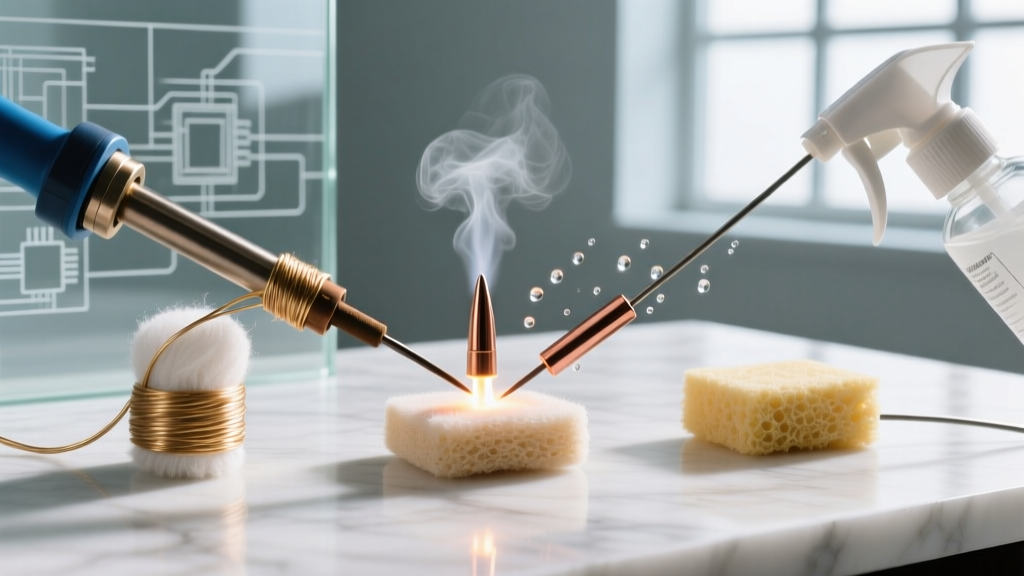
For years, the standard cellulose sponge was the default tip cleaner. However, modern soldering science has largely debunked this practice for high-end tips. When a 350°C tip hits a damp sponge, the rapid temperature drop (often exceeding 100°C in a fraction of a second) causes thermal shock. Over time, this micro-fractures the iron plating, leading to premature tip death.
The Gift: The Hakko 599B Tip Cleaner or the Weller WDC2 Dry Tip Cleaner.
- Price Range: $12 to $18 (2026 retail)
- Why it works: Brass wool shavings clean off oxidized flux and burnt rosin without dropping the tip temperature by more than 10°C to 15°C. The brass is softer than the iron plating on the tip, ensuring no physical scratching occurs.
- Pro-Tip for the Gifter: Pair this with a small bottle of distilled water and a note explaining why tap water (which contains calcium and magnesium) causes mineral pitting on hot tips.
2. The Resurrection Tool: Tip Tinner and Refresher
Even the most careful engineers occasionally leave their station on too long, resulting in a blackened, oxidized tip that refuses to accept solder. This is where a tip tinner becomes a lifesaver. A tinning soldering tip refresher is a specialized compound containing mild abrasives (like phosphoric acid salts) suspended in fine solder powder.
The Gift: Edsyn TS-100 Tip Tinner or Amtech Lead-Free Tip Tinner.
- Price Range: $9 to $16
- The Chemistry: When a blackened tip is plunged into the tinner, the mild acid strips the iron oxide layer. Simultaneously, the embedded solder powder melts and immediately wets the freshly exposed iron, re-tinning the tip in seconds.
- Expert Warning: Include a warning card with this gift! Tip refreshers are mildly abrasive. The iron plating on a standard Hakko T18 or Weller RT tip is only 0.10mm to 0.15mm thick. Overusing a refresher will grind through the iron layer, exposing the copper core, which will rapidly dissolve into molten solder and destroy the tip.
3. The Secret Weapon: Dedicated Tinning Solder Wire
Most makers use their primary project solder to tin their tips. This is a mistake, especially if they are using no-clean or lead-free wire, which often contains aggressive flux cores that can bake onto the tip during idle periods.
The Gift: A dedicated 1/4 lb spool of Kester 245 (63/37 Leaded) or Senju M705 (SAC305 Lead-Free) specifically reserved for tinning.
- Price Range: $25 to $45 depending on alloy and spool size
- Why it matters: Kester 245 features a highly active rosin flux that promotes instant wetting, creating a thick, protective solder barrier that seals out oxygen when the station is powered down.
Accessory Comparison Matrix
| Accessory Type | Primary Use Case | Est. Price (2026) | Thermal Shock Risk | Iron Plating Wear |
|---|---|---|---|---|
| Brass Wool (e.g., Hakko 599B) | Daily flux removal | $12 - $18 | Very Low | None |
| Cellulose Sponge | Heavy debris wiping | $3 - $6 | High (Micro-fractures) | Low |
| Tip Refresher (e.g., Edsyn TS-100) | Severe oxidation recovery | $9 - $16 | None | Moderate (Abrasive) |
| Polyimide Tip Wipes | Cleanroom/SMD precision | $20 - $30 | Low | None |
Advanced Gifts for the Obsessive Engineer
Hakko FG-100B Tip Thermometer
If your gift recipient is an aerospace contractor, medical device assembler, or just a massive data nerd, the Hakko FG-100B is the ultimate flex. Priced around $165, this device measures the actual thermal recovery and surface temperature of the tinning soldering tip in real-time. After a tip is tinned, verifying that the thermal transfer is uniform across the bevel is critical for meeting IPC J-STD-001 standards for soldered electrical assemblies. It uses a specialized sensor wire that melts into the solder blob on the tip, providing exact digital readouts.
Amtech TAC-501 Tack Flux
Sometimes, a tip is so far gone that standard tinner won't work. Amtech TAC-501 is a high-viscosity, no-clean tack flux that, when applied to a struggling tip alongside fresh solder, provides the chemical reduction necessary to pull stubborn oxides off the iron plating without mechanical abrasion. At roughly $22 for a 10cc syringe, it is an incredible stocking stuffer for micro-solderers working under microscopes.
The Science of Tinning: Why These Gifts Actually Work
According to Hakko's official maintenance guidelines, the primary enemy of a soldering tip is oxidation. The working surface of a modern tip is not raw copper; it is a complex multi-layer consisting of a copper core, an iron plating (for durability and to prevent copper dissolution), a chrome layer (to prevent solder from climbing up the shaft), and finally, the tinning layer on the bevel.
When the iron plating is exposed to air at temperatures above 250°C, it rapidly forms iron oxide (rust). Solder cannot wet iron oxide. The act of tinning a soldering tip is essentially creating a sacrificial metallic shield. The molten solder covers the iron, blocking oxygen from reaching it. When you gift high-quality tinning accessories, you are gifting the means to maintain this microscopic shield, saving the user hundreds of dollars in replacement tips over a year.
Pro Workbench Rule: Never wipe a tip and leave it bare before turning off the station. Always apply a thick, generous blob of fresh solder to the tip immediately before powering down. This sacrificial blob will oxidize instead of the tip's actual iron plating, ensuring the tip is ready to go the next morning.
Step-by-Step: The Perfect End-of-Session Tinning Ritual
Include this printed ritual card with your gift bundle to guarantee they use their new accessories correctly:
- Lower the Temperature: Drop the station to 250°C (if using leaded) or 300°C (if lead-free) to reduce thermal stress during the cleaning phase.
- Brass Wipe: Gently plunge and twist the tip into the brass wool cleaner 3-4 times to remove carbonized flux residue.
- Apply Fresh Solder: Feed 2-3mm of your dedicated Kester or Senju tinning wire directly onto the working bevel until it flows smoothly.
- Inspect the Meniscus: The solder should form a shiny, uniform mirror finish. If it beads up or looks dull/grainy, the tip is oxidized.
- Emergency Recovery: If beading occurs, plunge the hot tip into the Edsyn Tip Tinner for 1-2 seconds, wipe on the brass, and immediately re-apply fresh wire solder.
- Power Down: Leave the heavy solder blob on the tip and turn off the station. Do not wipe it clean.
Matching the Gift to the Maker's Profile
- The Audio DIYer (Through-hole & Heavy Wires): Gift the Weller WDC2 Brass Cleaner and a 1lb spool of 63/37 Kester 245. They need high thermal mass and rapid wetting for large ground planes.
- The SMD Micro-Solderer (0201 Components & BGA): Gift Polyimide Tip Wipes and Amtech TAC-501 Flux. Brass wool can sometimes snag ultra-fine micro-pencils, and polyimide wipes offer lint-free, high-temp precision cleaning.
- The Automotive/Robotics Tech (High-Voltage & Thick Gauge): Gift the Edsyn TS-100 Tip Tinner. Their tips take a massive beating from high-temp lead-free solders and heavy oxidation; they need the aggressive recovery power of a refresher.
Frequently Asked Questions
Can I use plumbing solder to tin an electronics tip?
Absolutely not. Plumbing solder often contains acid-core fluxes designed to eat through copper pipes. This acid will aggressively corrode and destroy the microscopic iron plating on an electronics soldering tip within minutes.
How often should a tip tinner/refresher be used?
Only as a last resort. A healthy tinning soldering tip routine relies on brass wool and fresh wire solder. The abrasive tip refresher should only be deployed when the tip has turned black and refuses to accept fresh solder.
Why does my tip turn blue or purple?
This is a sign of extreme overheating, usually above 420°C. The iron plating is undergoing severe oxidation and structural stress. Immediately power down, let it cool, and attempt recovery with a tip tinner and heavy flux. If the discoloration persists, the plating may be permanently compromised.
By choosing specialized, scientifically grounded tinning accessories, you aren't just giving a generic tool—you are providing the exact chemical and mechanical solutions required to protect a maker's most vital interface with their craft. Whether it's a $14 brass cleaner or a $165 thermal analyzer, these gifts demonstrate a deep understanding of the soldering arts.