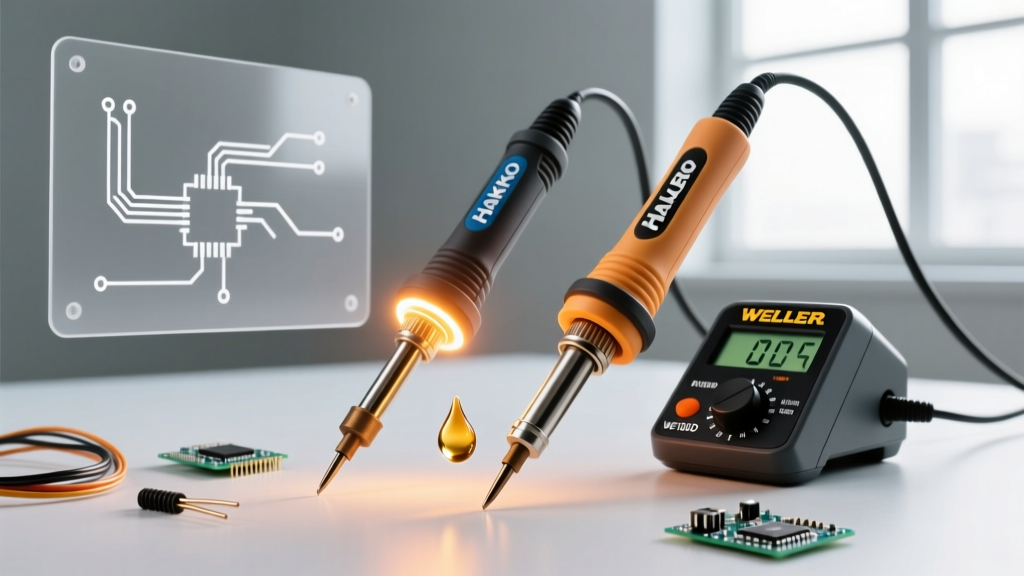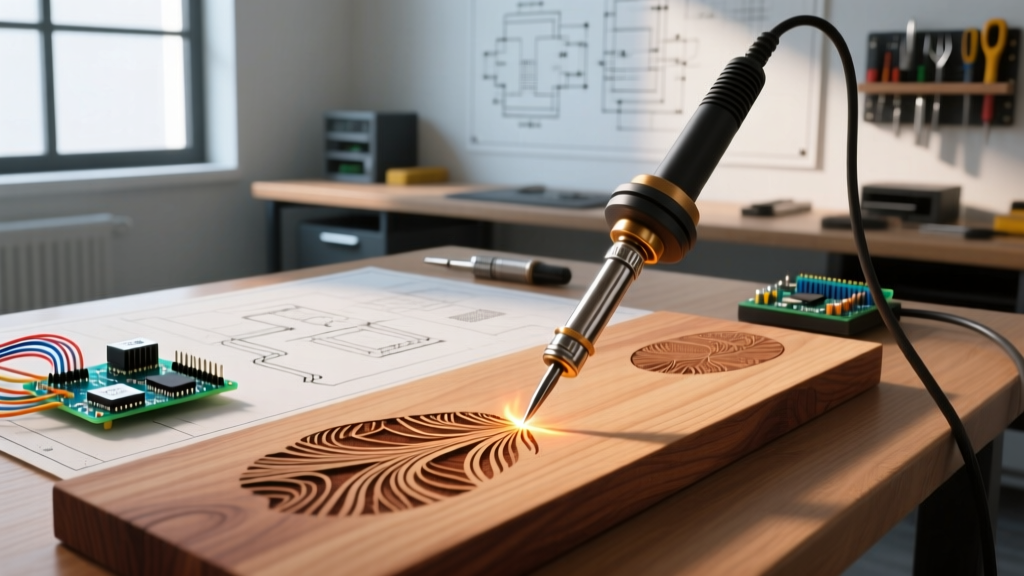

Why Use a Soldering Station for Pyrography?
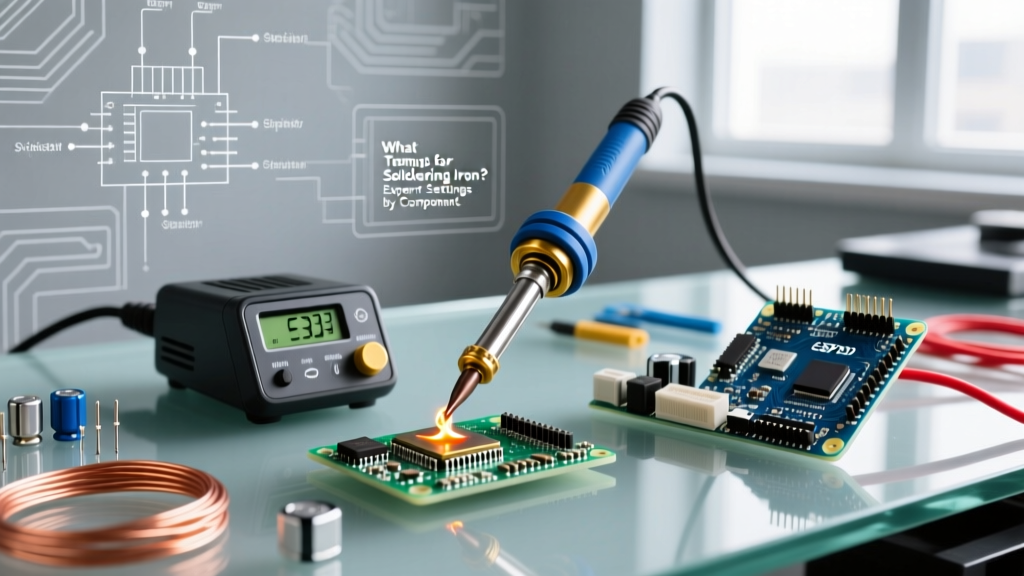
While dedicated pyrography pens have their place, repurposing a high-quality electronics soldering station for wood burning offers a distinct advantage: thermal recovery. When you press a hot tip into wood, the material absorbs heat rapidly. Cheap, dedicated wood burners often suffer from severe temperature drops, resulting in uneven, blotchy burns. Modern digital soldering stations utilize high-wattage ceramic heaters and closed-loop thermocouple feedback to maintain precise temperatures, ensuring smooth, consistent shading and crisp outlines.
However, because soldering irons are engineered for melting metal alloys (typically between 360°F and 430°F) rather than scorching cellulose, you must adapt your technique. Below, we break down the best wood burning tips for soldering iron setups, covering temperature mapping, tip geometry, wood toxicity, and the top stations to use in 2026.
Top Soldering Stations for Wood Burning (2026 Comparison)
Not every soldering iron can handle the sustained high heat required for pyrography. You need a station that can reliably push past 700°F (370°C) without degrading the heating element. Here is how the top three models compare for mixed-use (electronics and wood).
| Model | Wattage | Max Temp | Tip Ecosystem | 2026 Est. Price |
|---|---|---|---|---|
| Hakko FX-888D | 70W | 895°F (480°C) | T18 Series | $115 |
| Pinecil V2 | 65W (PD) | 842°F (450°C) | TS100 / Pinecil | $28 |
| Weller WES51 | 50W | 850°F (454°C) | ET Series | $135 |
The Verdict: The Hakko FX-888D is the undisputed champion for pyrography due to the sheer variety of T18 tip shapes available and its aggressive 70W thermal recovery. The Pinecil V2 is the best budget/portable option, provided you have a reliable USB-C PD power brick.
5 Essential Wood Burning Tips for Soldering Iron Setups
1. The 'No-Tin' Rule and Tip Dedication
In electronics, you are taught to 'tin' your tip (coat it in solder) to prevent oxidation and improve heat transfer. Never tin a tip you intend to use for wood burning. Solder contains flux, rosin, and metals like tin, lead, or copper. When pressed into wood at 700°F, these compounds will vaporize, leave permanent metallic streaks on your artwork, and release highly toxic fumes.
Pro-Tip: Buy a dedicated set of tips exclusively for pyrography. Once a tip's iron plating is micro-scratched by wood grain and subjected to sustained 750°F heat, it will no longer wet properly with solder. Keep your wood tips and electronics tips strictly separated.
2. Master the Temperature Sweet Spot
Wood is an insulator, meaning it requires higher temperatures than solder to achieve a visual burn. However, cranking your station to the absolute maximum (usually 895°F) will scorch the wood instantly, ruining gradients and causing the tip to accumulate carbon buildup (creosote) in seconds. Use this reference chart for standard pyrography:
| Wood Type | Density | Shading Temp (°F) | Outlining Temp (°F) |
|---|---|---|---|
| Basswood | Very Soft | 350°F - 425°F | 450°F - 500°F |
| Birch / Aspen | Soft-Medium | 425°F - 500°F | 525°F - 575°F |
| Maple / Oak | Hard | 500°F - 600°F | 650°F - 725°F |
Note: Always test on a scrap piece of the exact same board. Ambient humidity and wood grain density vary wildly, even within the same species.
3. Repurposing Electronics Tip Geometries for Art
You do not need expensive 'pyrography wire tips' if you have a well-stocked soldering station. Standard electronics tips can be leveraged for specific artistic effects:
- Chisel Tips (e.g., Hakko T18-D12 or T18-D24): Excellent for broad shading and filling large backgrounds. Use the flat edge for dark burns and the sharp corner for fine lines.
- Conical Tips (e.g., T18-B2): Ideal for stippling, dot-work, and signing your name. The narrow point concentrates heat for deep, localized burns.
- Knife / Blade Tips (e.g., T18-K): Perfect for straight-line geometry, feather textures, and cutting shallow grooves into soft woods like basswood.
4. Wood Selection: Avoid Toxic Fumes
The most critical of all wood burning tips for soldering iron users involves material safety. Never burn MDF (Medium-Density Fiberboard), plywood, or pressure-treated lumber. These engineered woods contain urea-formaldehyde resins, cyanoacrylates, and chemical preservatives (like CCA). When heated, they release formaldehyde gas, hydrogen cyanide, and arsenic compounds. Stick to raw, untreated, kiln-dried hardwoods and softwoods like basswood, birch, poplar, and ash.
5. Mandatory Active Fume Extraction
Even when burning safe, natural woods, the pyrolysis of cellulose and lignin releases fine particulate matter (PM2.5) and volatile organic compounds (VOCs). According to the EPA, wood smoke contains toxic compounds that can cause severe respiratory irritation and long-term health issues. Furthermore, NIOSH guidelines emphasize the dangers of inhaling fine organic dusts and combustion byproducts.
A standard desk fan is insufficient; it merely disperses the carcinogens around your room. You need a localized fume extractor equipped with a HEPA filter (to trap PM2.5 particulates) and an activated carbon matrix (to adsorb VOCs and odor). The Hakko FA-400 or a DIY inline-duct fan with a carbon filter box positioned 4 inches from the burn site is mandatory for indoor sessions.
Step-by-Step: Prepping Your Station for Wood
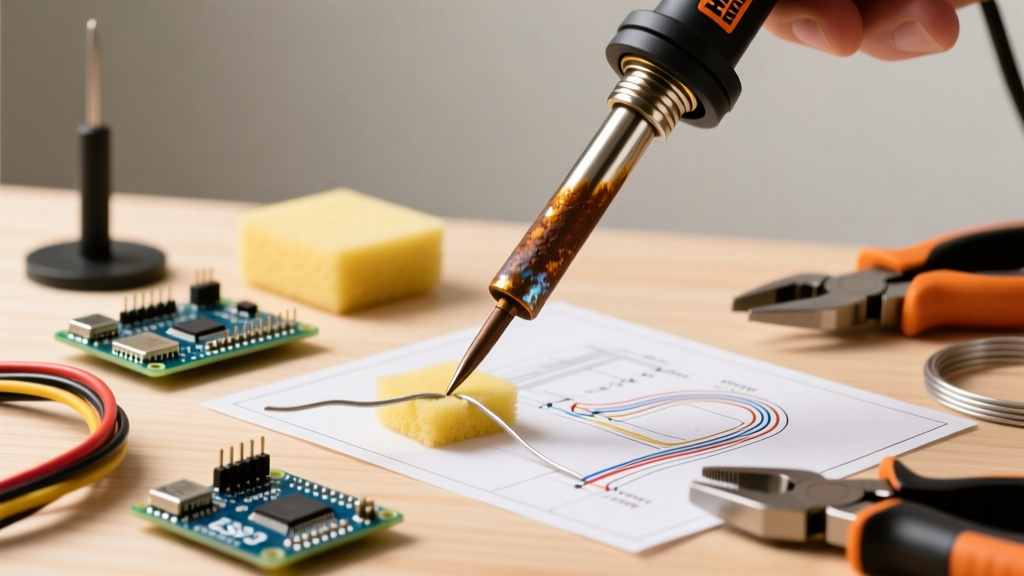
- Clean the Tip: Use a brass wire sponge to remove any residual solder or oxidation. Do not use wet sponges, as thermal shock can micro-fracture the iron plating.
- Set the Baseline: Power on your station and set it to 400°F (204°C). Allow it to stabilize for 3 minutes.
- Prepare the Wood: Sand your workpiece up to 400-grit. Wipe away all dust with a slightly damp microfiber cloth and let it dry completely. Dust left on the surface will burn into the wood and create unwanted artifacts.
- The 'Hover' Technique: Unlike soldering where you press down for thermal transfer, pyrography requires a light touch. Let the weight of the iron do the work. Pressing too hard bends the tip and cools the core faster than the heater can compensate.
- Mid-Session Cleaning: Every 10 minutes, wipe the tip on a brass sponge or a piece of denim to remove carbon buildup. Carbon acts as an insulator, drastically reducing heat transfer to the wood.
Frequently Asked Questions
Can I use a cheap $15 wall-plug soldering iron for wood burning?
You can, but it is not recommended. Cheap irons lack temperature control and typically run at a fixed 700°F+. This will scorch soft woods instantly and cause heavy carbon buildup on the tip, requiring constant sanding (which destroys the tip's protective plating).
Why is my tip turning black and not burning the wood?
This is carbon buildup (creosote) caused by burning wood sap and resins. Remove the tip from the iron, let it cool completely, and gently scrub it with a fiberglass scratch pen or 1000-grit sandpaper. Never clean a hot tip with abrasives, as you will strip the iron plating.
Does the OSHA regulate hobbyist wood burning?
While OSHA regulations apply to commercial workplaces, their safety data sheets (SDS) on wood combustion are the gold standard for hobbyists. They strongly advise against burning engineered woods and mandate ventilation for any prolonged thermal degradation of cellulose.