
The Hidden Cost of Bad Tinning: Why Your Tips Keep Dying
If you are constantly replacing $12 soldering tips because they refuse to hold solder, your tinning technique—or your tinning accessories—are to blame. Learning how to tin a soldering iron is not just about dipping the tip in solder; it is a precise chemical and thermal process designed to protect the iron plating from catastrophic oxidation. In modern electronics assembly, where lead-free SAC305 alloys require higher operating temperatures (often exceeding 350°C), the rate of tip degradation accelerates exponentially. A poorly tinned tip will develop black oxide layers within minutes, leading to cold joints, extended dwell times on sensitive PCB pads, and eventual thermal damage to your components.
This guide bridges the gap between technique and tooling. We will break down the exact step-by-step methodology for tinning your iron, followed by a comprehensive buying guide and review of the best tip tinner pastes, purifier pots, and brass sponges available on the market today.
The Chemistry of Tip Oxidation and Wetting
Before buying a tinner, you must understand what you are fighting. Soldering tips are typically constructed from a copper core, plated with a thin layer of iron (Fe) to prevent the copper from dissolving into the solder, and finally coated with a micro-layer of tin to prevent oxidation during storage. When heated in the presence of oxygen, the iron plating reacts to form iron oxide (Fe3O4). Solder will not wet to iron oxide.
According to the stringent wetting and solderability requirements outlined in IPC J-STD-001, a soldering tip must maintain a continuous, unbroken fillet of molten solder to ensure efficient thermal transfer. Tinning acts as an oxygen barrier. By keeping a sacrificial layer of flux-cored solder on the tip, you consume the available oxygen in the flux before it can attack the iron plating.
Step-by-Step: How to Tin a Soldering Iron Properly
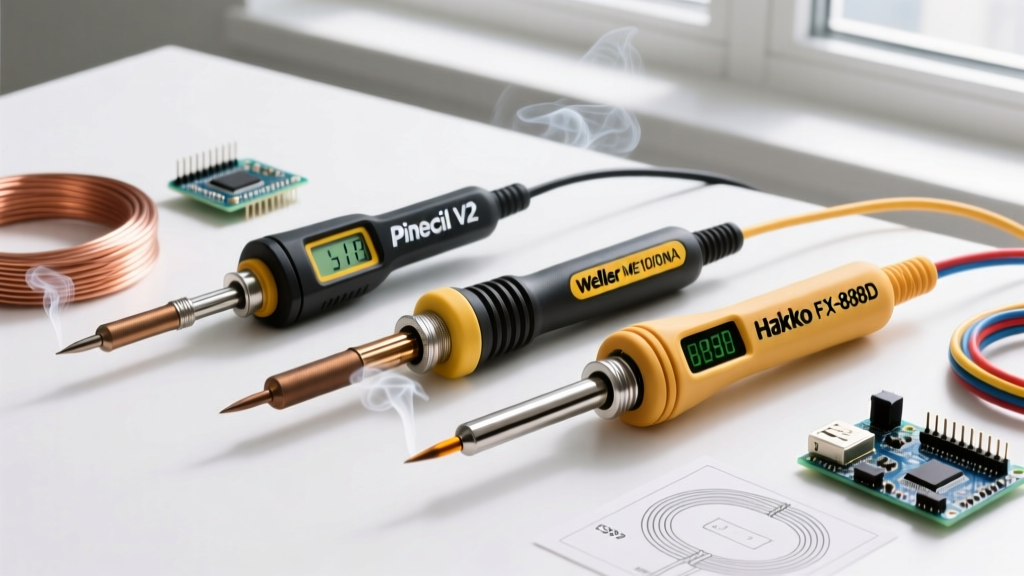
Follow this exact sequence to maximize tip lifespan. This method applies to both standard stations (like the Weller WE1010) and smart irons (like the Pinecil V2).
- Temperature Stabilization: Set your station to the appropriate temperature. For 63/37 Sn/Pb eutectic solder, 320°C is ideal. For lead-free SAC305, use 350°C. Crucial: Wait at least 45 seconds after the station indicates it has reached temperature to allow the thermal mass of the tip to fully equalize.
- Mechanical Cleaning (If Oxidized): If the tip is already black, do not use abrasive sandpaper or files. This will strip the iron plating and destroy the tip. Instead, plunge the hot tip into a brass wire sponge 3 to 4 times, twisting slightly.
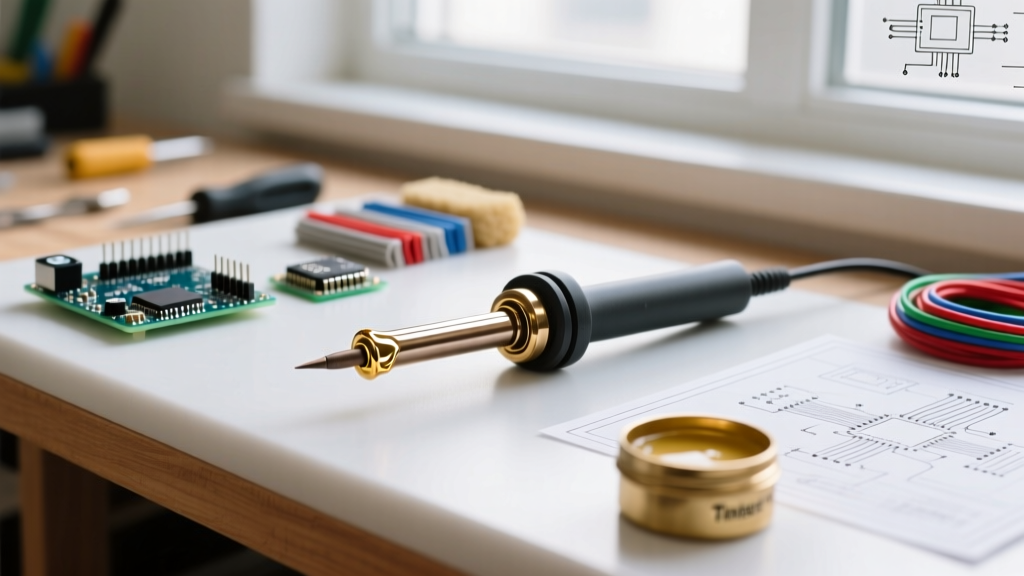
- Chemical Tinning (The Purifier Dip): Plunge the hot tip into a tip tinner/purifier paste for exactly 3 to 5 seconds. The paste contains mild organic acids that dissolve iron oxide, followed by a heavy concentration of tin powder that immediately wets the newly exposed iron.
- Wipe and Coat: Wipe the tip gently on a damp (not soaking) cellulose sponge or dry brass wool to remove carbonized flux residue. Immediately apply a thick, generous bead of fresh, flux-cored solder to the entire working surface of the tip before placing it back in the holder.
Expert Rule of Thumb: Never leave a soldering iron on and un-tinned. If you are stepping away from your bench for more than 3 minutes, apply a massive glob of cheap, high-flux solder to the tip to act as a sacrificial thermal and chemical shield.
2026 Buying Guide: Best Tinner Pastes and Purifier Pots Reviewed
Not all tinner pastes are created equal. Some are highly aggressive and will pit your tip if left on too long, while others are too mild to remove heavy carbon buildup. Here are the top products we recommend for your bench.
1. Hakko 599B Tip Tinner & Cleaner
Price: $14.50 - $16.00
Type: Brass Shavings + Mild Tinning Compound
Best For: Daily maintenance and light oxidation.
The Hakko 599B is a staple on professional benches. It combines a coiled brass wire sponge with a specialized tinning compound embedded at the bottom of the container. When you plunge the iron in, the brass scrapes off carbonized flux, while the compound re-tins the surface. It is exceptionally gentle on delicate micro-tips (like the Hakko T12 series). However, it struggles to resurrect severely blackened tips that have been abused at 400°C+.
2. Chemtronics Soder-Wick Rosin Flux Tinner (T160)
Price: $24.00 - $28.00
Type: Aggressive Paste Purifier
Best For: Resurrecting heavily oxidized, blackened tips.
When your tip looks like a burnt matchstick, the T160 is the emergency room. As detailed in Chemtronics' official documentation, this paste uses a highly active rosin-based flux suspended with fine solder powder. You dip the hot tip into the paste, and it literally boils the oxide off the iron plating, leaving a mirror-finish tinned surface. Warning: Because it is highly active, you must wipe the tip thoroughly after use; leaving T160 residue on the iron will eventually cause pitting.
3. Edsyn TSU100 Tip Saver
Price: $18.00 - $21.00
Type: Lead-Free Tinning Paste
Best For: Lead-free production environments and high-temp soldering.
Lead-free soldering eats tips for breakfast due to the higher tin content and elevated temperatures. The Edsyn TSU100 is specifically formulated with SAC alloys and a specialized activator that combats the rapid leaching of the iron plating caused by lead-free solders. It comes in a convenient, spill-proof puck. It is slightly more viscous than the Chemtronics paste, meaning it clings to the tip better during the tinning process.
Product Comparison Matrix
| Product | Approx. Price | Abrasiveness | Resurrection Power | Ideal Use Case |
|---|---|---|---|---|
| Hakko 599B | $15.00 | Low (Brass) | Moderate | Daily cleaning, micro-tips |
| Chemtronics T160 | $26.00 | None (Chemical) | Extreme | Saving dead/blackened tips |
| Edsyn TSU100 | $19.00 | None (Chemical) | High | Lead-free (SAC) stations |
| Generic Cellulose Sponge | $2.00 | High (Thermal Shock) | Low | Wiping excess solder only |
Common Tinning Failure Modes and Troubleshooting
Even with the best pastes, poor bench habits will destroy your tips. Watch out for these specific failure modes:
- Thermal Shock Pitting: Using a soaking wet cellulose sponge causes a rapid temperature drop (sometimes over 100°C in a fraction of a second). This thermal shock micro-fractures the iron plating, leading to pitting and core exposure. Always wring sponges until they are barely damp, or switch to dry brass wool.
- Carbon Buildup (Black Tip Syndrome): Flux contains organic resins that carbonize when exposed to heat without the presence of molten solder. If you wipe your tip clean and leave it in the holder, carbon builds up. Tinning immediately after wiping prevents this.
- Iron Leaching: If you leave your iron submerged in a tinner paste for more than 10 seconds, the active fluxes will begin to eat through the iron plating itself. Dip, twist for 3 seconds, and remove.
For a deeper dive into the mechanical stresses of soldering, SparkFun's comprehensive soldering guide offers excellent visual references on identifying cold joints caused by poorly tinned, low-thermal-transfer tips.
Expert FAQ: Tinning Inquiries
Can I use Vaseline or petroleum jelly to tin my iron?
No. Petroleum-based products do not contain the organic acids required to dissolve iron oxide. Furthermore, petroleum jelly will rapidly carbonize at 300°C, creating a thick, insulating black sludge on your tip that will completely ruin its thermal conductivity.
How often should I use a tinner paste?
You should use a chemical tinner paste only when mechanical cleaning (brass sponge) fails to restore the shine to your tip, or at the very end of a long soldering session before powering down the station. For daily, mid-session cleaning, rely on a dry brass wire sponge and fresh flux-cored solder.
My tip is pitted and the copper core is visible. Can tinner paste fix it?
Once the iron plating is breached and the copper core is exposed, the tip is permanently ruined. Solder will aggressively dissolve the copper, creating massive craters. No tinner paste can replace missing iron plating; the tip must be discarded and replaced.