
The Reality of Pyrography With Electronics Tools
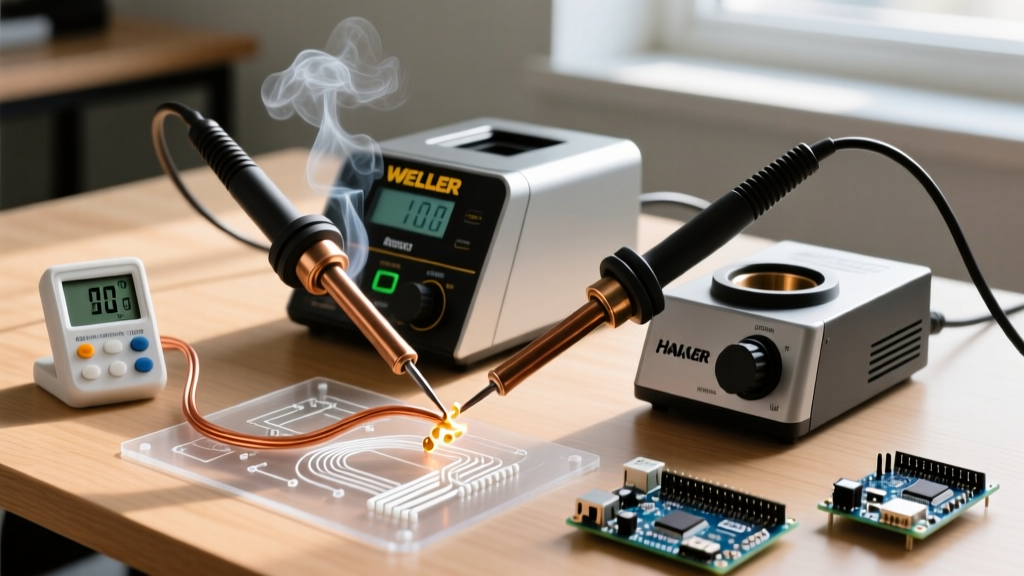
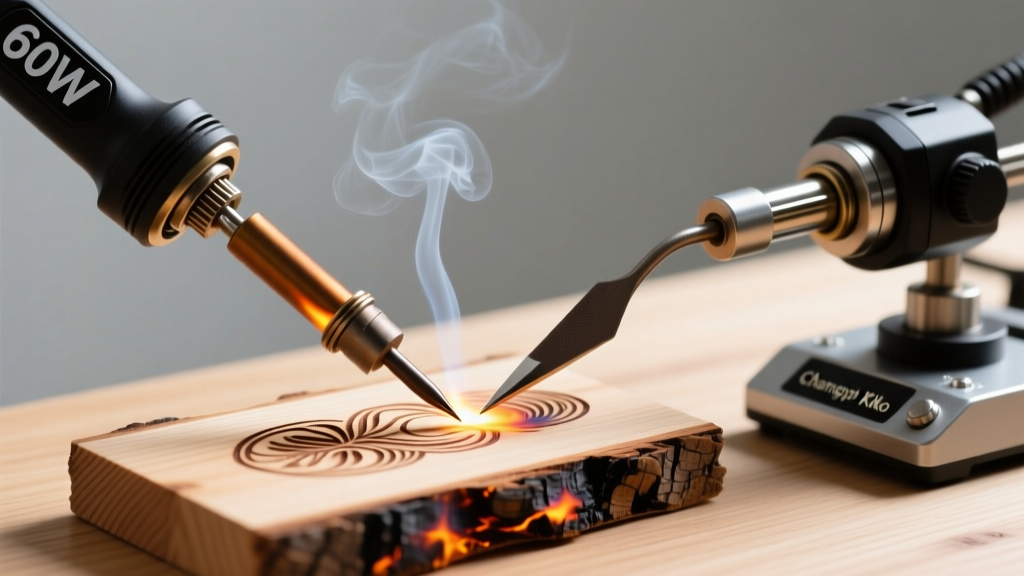
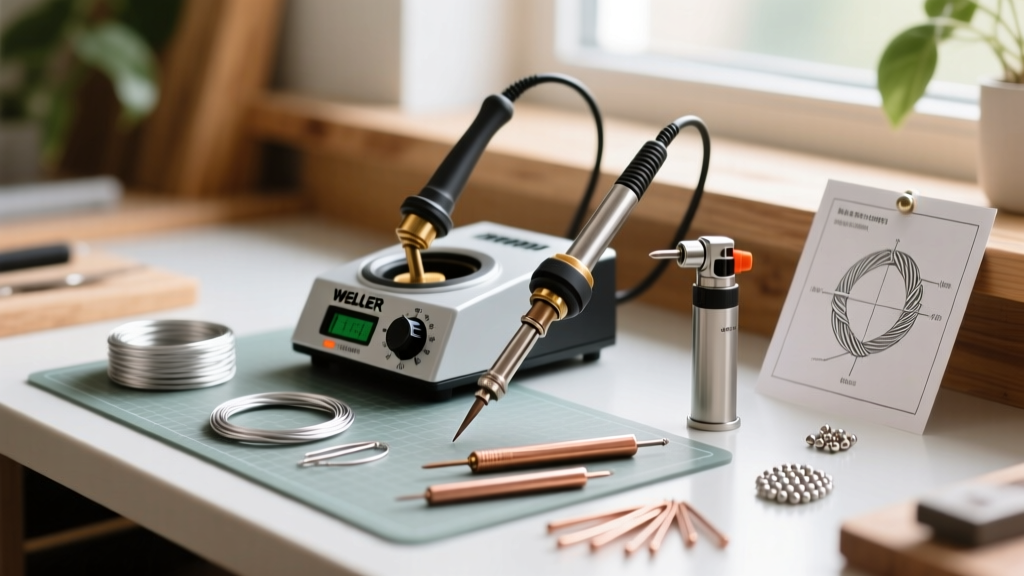
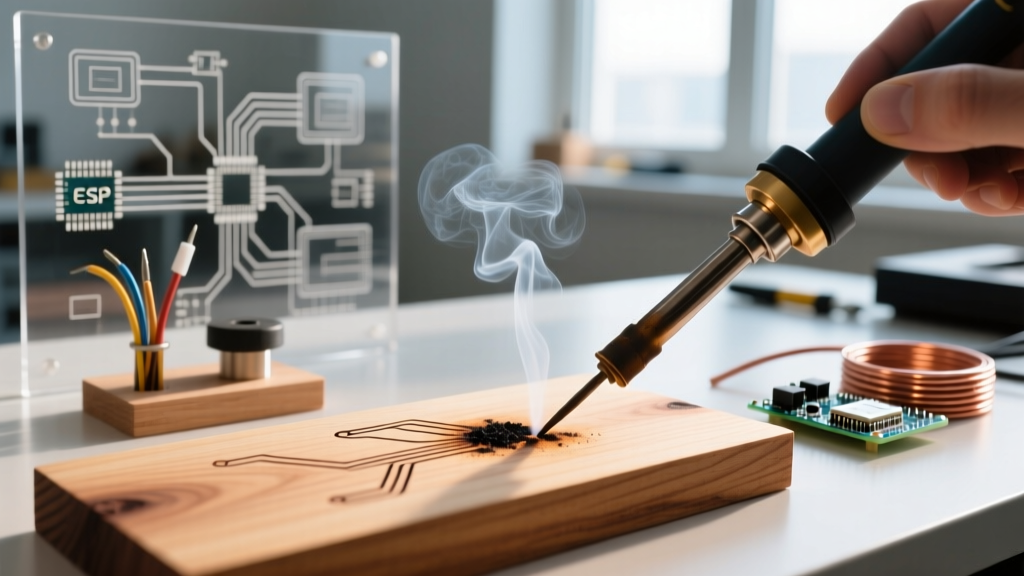
Wood burning, or pyrography, is an ancient art form that has seen a massive resurgence in the maker community. For many beginners, the barrier to entry is lowered by repurposing a standard electronics soldering iron—such as a generic 60W adjustable iron (typically $18–$25) or a classic Weller WLC100 ($45)—instead of investing in a dedicated pyrography station. While this works for soft woods like basswood or pine, using a soldering iron for wood introduces severe thermal and chemical stresses that the tool was never designed to handle.
Unlike soldering, where rosin-based flux cleans the tip and molten metal facilitates heat transfer, wood burning is a dry, high-friction combustion process. As of 2026, the most common reason makers abandon their soldering irons for pyrography is rapid tip degradation, uneven burning, and thermal dropout. This guide dives deep into the troubleshooting and maintenance required to keep a soldering iron functional for wood burning, and explains exactly when you need to upgrade.
The Chemistry of Carbonization: Why Wood Destroys Tips
To troubleshoot heat issues, you must understand the enemy: carbonized wood resin. When a 350°C soldering tip touches raw wood, the lignin and sap instantly combust. In electronics soldering, flux activates at high temperatures to strip away oxidation. In wood burning, there is no flux. Instead, the combusted sap polymerizes into a hard, black carbon shell over the iron-plated copper tip.
This carbon layer acts as a severe thermal insulator. While the copper core of your tip conducts heat at roughly 400 W/m·K, the carbon shell drops thermal transfer efficiency to near zero. You will notice the iron glowing red at the base, but the tip will barely scorch the wood. Furthermore, scraping this carbon off with abrasive materials destroys the microscopic iron plating, exposing the soft copper core to rapid oxidation and pitting.
Troubleshooting Matrix: Diagnosing Pyrography Heat Failures
| Symptom | Root Cause | Immediate Fix & Maintenance |
|---|---|---|
| Tip turns black and slides over wood without burning. | Heavy carbon buildup from wood resins insulating the tip. | Clean with brass wire wool at 250°C. Never use steel wool or sandpaper. |
| Burn marks are blotchy, skipping, or uneven. | Micro-pitting on the iron plating; copper core exposed and oxidizing. | Tip is permanently damaged. Replace with a solid copper pyrography tip if compatible. |
| Iron loses heat instantly on dense woods (Oak, Maple). | Thermal mass depletion; 40W–60W element cannot recover fast enough. | Pre-heat the wood with a heat gun, or upgrade to a dedicated high-wattage pyrography transformer. |
| Handle becomes uncomfortably hot or melts. | Continuous dry operation at max temp (400°C+) degrades internal thermal barriers. | Lower temp to 300°C, use a heat-resistant silicone sleeve, and allow 5-minute cooldown intervals. |
Step-by-Step Tip Restoration Protocol
If your soldering iron tip has become caked in black carbon from wood burning, do not throw it away immediately. You can often restore the thermal transfer using a careful, non-abrasive cleaning protocol.
1. The Brass Wool Scrape (Never Use Steel)
Steel wool or sandpaper will strip the iron plating off the tip in seconds, ruining it permanently. Instead, use a dry brass wire wool ball. Turn your iron down to 250°C (482°F). At this temperature, the carbon is brittle but the iron plating is safe. Gently roll the tip in the brass wool until the black crust flakes away, revealing the metallic finish underneath.
2. The 'Solder Pull' Carbon Extraction
If brass wool doesn't remove stubborn, baked-on resin, use the solder pull method. Crank the iron to 350°C. Melt a small amount of lead-free solder (which requires higher heat and has a stronger flux core than leaded solder) directly onto the carbonized area. The aggressive flux in the solder will chemically break down the carbon bonds. Immediately wipe the tip on a dry cellulose sponge or brass wool. The carbon will lift away with the molten solder. Wipe clean and repeat if necessary.
3. Avoid the Damp Sponge Trap
In electronics, a damp brass or cellulose sponge is standard for cleaning tips. In pyrography, repeatedly quenching a 400°C tip into a wet sponge causes thermal shock. This micro-fractures the iron plating, allowing wood sap to seep underneath and blister the tip from the inside out. Always clean pyrography tips dry.
Thermal Mass and Element Strain: The Wattage Reality
Not all woods are created equal. Basswood and pine have low density and low moisture content, allowing a standard 40W soldering iron to maintain a steady 280°C tip temperature during continuous drawing. However, when you move to Hard Maple, Hickory, or Oak, the dense cellular structure acts as a massive heat sink.
When a 40W iron touches Hard Maple, the tip temperature can drop by over 100°C in a fraction of a second. The nichrome heating element then works at 100% duty cycle to recover, leading to premature element burnout and handle overheating. If you frequently burn dense woods, a standard soldering iron will fail within a few months. You must either pre-heat the wood surface with a hot air rework station (set to 150°C) to reduce the thermal delta, or upgrade your tool.
Critical Safety: Toxic Off-Gassing in Engineered Woods
WARNING: Never use a soldering iron to burn MDF (Medium-Density Fiberboard), plywood, particleboard, or pressure-treated lumber. These materials contain urea-formaldehyde resins, toxic glues, and chemical preservatives (like copper azole or arsenic). When heated to pyrography temperatures, they release highly toxic, carcinogenic gases. Always stick to raw, untreated, kiln-dried hardwoods or softwoods.
For comprehensive safety data on the dangers of inhaling combusted engineered wood products and wood dust, refer to the Environmental Protection Agency (EPA) guidelines on wood smoke and the CDC NIOSH resources on wood toxins. Always operate your pyrography station in a well-ventilated area or use a desktop fume extractor with an activated carbon filter.
The 2026 Upgrade Threshold: When to Abandon the Soldering Iron
Maintaining a $20 soldering iron for wood burning is a game of diminishing returns. Replacement chisel or conical tips cost between $5 and $9 each, and they are fundamentally the wrong shape for shading and calligraphy. Soldering tips are designed to transfer heat into a microscopic point of molten metal, not to drag across a textured organic surface.
If you find yourself constantly fighting carbon buildup, or if your project requires variable shading (which requires precise, rapid temperature adjustments), it is time to upgrade. Dedicated pyrography stations, such as the Walnut Hollow Professional ($120) or the Razertip Dual Pen Burner ($160), use low-voltage, high-amperage transformers. This allows for instant thermal recovery and the use of specialized nichrome wire tips (like skew, shader, and spoon shapes) that do not suffer from the same carbon-insulation issues as heavy copper-cored soldering tips.
Frequently Asked Questions
Can I use a butane cordless soldering iron for wood burning?
Yes, but with extreme caution. Cordless butane irons (like the Dremel VersaTip) lack electronic temperature regulation. The tip temperature fluctuates wildly based on the fuel flow and ambient oxygen. They are excellent for quick branding on leather or rustic wood signs, but terrible for detailed, shaded pyrography due to the inability to maintain a steady thermal baseline.
Why does my soldering iron tip turn blue and purple?
This is a visual indicator of severe overheating. When a soldering tip exceeds 400°C in the presence of oxygen (and without a protective blanket of molten solder), the iron plating oxidizes and changes color. Once a tip turns deep purple or blue, the plating has permanently degraded, and it will no longer accept solder or transfer heat evenly into wood. Keep your pyrography temperatures between 250°C and 320°C to preserve the tip's lifespan.
Where can I find official maintenance guidelines for my iron?
If you are using a premium brand like Hakko or Weller for your pyrography, always refer to the manufacturer's baseline care instructions, even if you are using the tool outside its intended purpose. The Hakko USA Support portal provides excellent diagrams on identifying tip pitting and oxidation, which directly translate to diagnosing wood-burning heat failures.