
The 2026 Landscape of High-Reliability Rework
When precision, thermal recovery, and IPC compliance are non-negotiable, the pace soldering station lineup remains the gold standard for advanced electronics labs and production floors. In 2026, the shift toward dense, multi-layer PCBs and strict lead-free manufacturing requirements (like SAC305 and SAC405 alloys) demands equipment that can deliver massive instantaneous current without overshooting delicate thermal thresholds. Pace Worldwide has engineered its modern AccuDrive heater systems to meet these exact challenges, moving far beyond the simple TRIAC-based temperature controls of the past decade.
Whether you are reworking 0201 SMD components, dragging soldering fine-pitch QFPs, or desoldering heavy ground-plane through-hole connectors, choosing the right Pace model dictates your yield rate and tip longevity. Below, we break down the top-tier Pace systems available today, analyzing their thermal dynamics, ergonomics, and real-world failure modes.
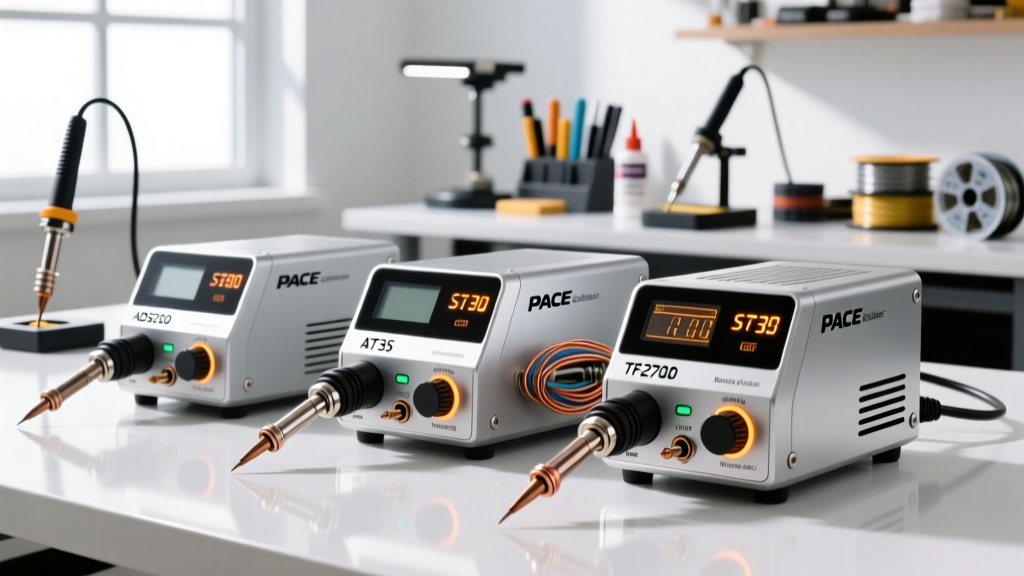
Head-to-Head: Pace Soldering Station Comparison Matrix
| Model | Power Output | Handpiece / Tool | Best Application | Est. Price (2026) |
|---|---|---|---|---|
| Pace ADS200 | 120W | TD-200 (Soldering) | Heavy production, multi-layer ground planes | $1,150 - $1,250 |
| Pace ST35 | 75W | TD-100 (Soldering) | Advanced hobbyist, general SMD/PTH bench work | $420 - $480 |
| Pace TF2700 | 300W (Air) | ThermoFlo Hot Air | BGA rework, QFN reflow, heat-shrink tubing | $950 - $1,050 |
Pace ADS200: The Production Heavyweight
The Pace ADS200 is the flagship of the AccuDrive series, designed for continuous 8-to-12-hour production shifts. At its core is a 120W microprocessor-controlled heater that senses thermal load at the tip-to-pad interface and adjusts power delivery in milliseconds. This prevents the massive voltage spikes that typically degrade heater elements in older analog stations.
AccuDrive Modes and Thermal Profiling
The ADS200 features three distinct operational modes that dictate how power is routed to the TD-200 handpiece:
- Standard Mode: Optimizes power delivery to maximize tip life. Ideal for standard 0.1-inch pitch through-hole and general SMD work.
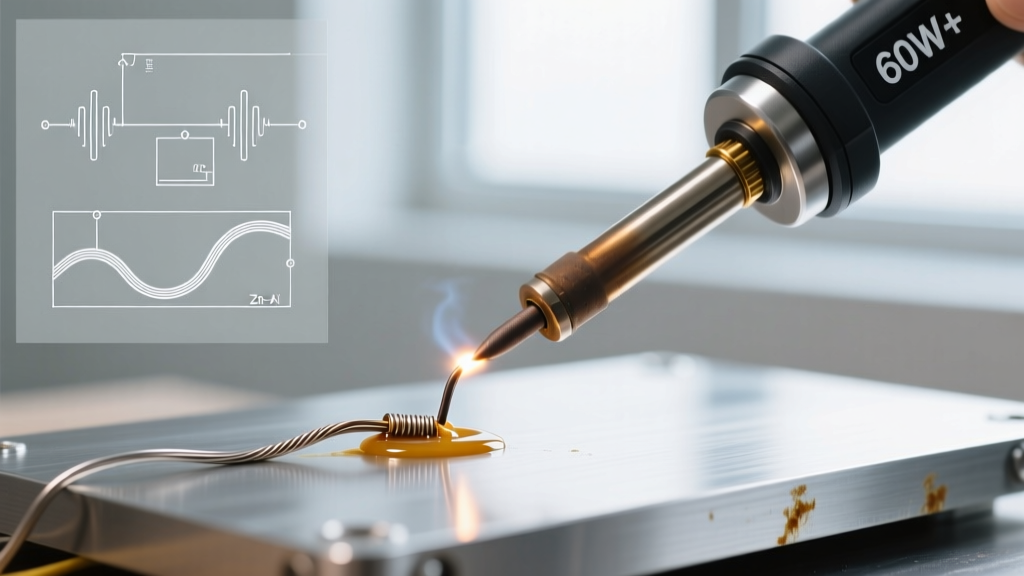
- Boost Mode: Temporarily overrides thermal limits to inject maximum current. This is critical when soldering to heavy internal copper pours where a standard 75W iron would stall and cause cold solder joints.
- Curve Mode: Allows the operator to program a custom thermal ramp-up, essential for sensitive components prone to thermal shock.
Expert Insight: The Ground Plane Problem
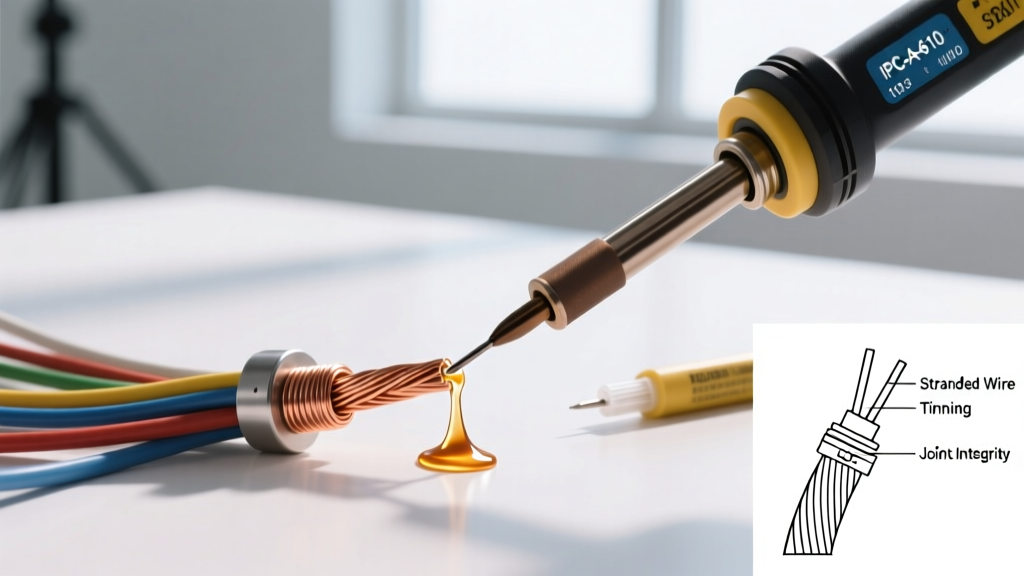
When soldering a 14AWG wire to a multi-layer PCB ground pour, the copper acts as a massive heatsink. A lesser iron will drop from 380°C to 250°C upon contact, resulting in a dull, grainy cold joint that violates IPC J-STD-001 workmanship standards. The ADS200 in Boost mode maintains the 380°C setpoint within 1.5 seconds of thermal load application.
Edge Case & Failure Mode: The TD-200 handpiece uses a specialized silicone cord that remains highly flexible at room temperature. However, if the handpiece is repeatedly dropped on hard ESD matting, the internal ceramic heater sleeve can fracture. Always use the included weighted handpiece cradle to prevent roll-offs.
Pace ST35: The Advanced Benchtop Standard
For labs, repair technicians, and advanced makers who do not require the brute 120W force of the ADS200, the Pace ST35 offers a masterclass in benchtop efficiency. Delivering 75W through the ergonomic TD-100 handpiece, the ST35 is optimized for the 90% of daily tasks that involve 0402 to 0805 SMD components and standard through-hole capacitors.
Footprint and Smart Sleep Features
The ST35's chassis is remarkably compact, freeing up valuable real estate on crowded ESD workbenches. More importantly, its intelligent sleep architecture is a standout feature for tip preservation. When the handpiece is placed in the cradle, the station drops the tip temperature to 150°C after a user-defined interval (default is 9 minutes). This prevents the flux carbonization and iron plating dissolution that occurs when lead-free tips are left idling at 380°C.
Tips for the ST35 (such as the popular 1130-0001-P1 1/16" chisel) generally retail between $14 and $18 each, making the long-term consumable cost highly competitive against European rivals like JBC or Ersa.
Pace TF2700: Mastering SMD and BGA Rework
While the ADS200 and ST35 handle contact soldering, modern PCB repair requires precision hot air. The Pace TF2700 ThermoFlo station delivers up to 300W of heating power with digitally calibrated airflow. Unlike cheap hot air guns that rely on vibrating diaphragm pumps (which cause pulsing airflow and component displacement), the TF2700 uses a precision brushless blower.
Airflow Dynamics and Nozzle Selection
Airflow is measured in liters per minute (L/min). When reworking a large 48-pin QFP, you need high volume (approx. 40-50 L/min) at a lower temperature (320°C) to heat all leads simultaneously without blowing the component off the pad. For a tiny 6-pin SOT-23, you drop the volume to 15 L/min and use a focused 3mm nozzle. The TF2700's digital interface allows you to save these exact profiles, ensuring repeatability across multiple repair tickets.
Thermal Dynamics, Lead-Free Alloys, and IPC Compliance
Transitioning from Sn63/Pb37 (lead-based) to SAC305 (lead-free) solder requires a fundamental shift in thermal management. SAC305 has a higher melting point (217°C vs 183°C) and a narrower plastic (pasty) range. This means your pace soldering station must operate at higher baseline temperatures (typically 350°C - 380°C) to achieve proper wetting.
Operating at these elevated temperatures accelerates tip oxidation. To maintain compliance with high-reliability standards—such as those outlined by the NASA Electronic Parts and Packaging (NEPP) Program for aerospace electronics—technicians must adhere to strict maintenance protocols:
- Never use abrasive sponges: Damp cellulose sponges cause rapid thermal shock, micro-fracturing the iron plating on the tip. Always use dry brass wool.
- Flux is mandatory: SAC305 relies heavily on aggressive rosin-based fluxes to break down surface oxides. Apply external flux (like Amtech NC-559) before the iron touches the pad.
- ESD Grounding verification: Ensure the station's grounding lug is tied to a verified common point ground. The ESD Association mandates that soldering iron tips must have a resistance to ground of less than 2 ohms to prevent Electrostatic Discharge (EOS/ESD) damage to sensitive MOSFETs and microcontrollers.
Decision Framework: Which Pace Station Fits Your Bench?
Selecting the right equipment comes down to your specific thermal mass requirements and daily workflow.
- Choose the ADS200 if: You are running a production line, repairing heavy-duty power supplies, or frequently soldering to 4-layer+ PCBs with extensive internal ground planes. The 120W AccuDrive system will pay for itself in reduced rework time and zero cold joints.
- Choose the ST35 if: You are a repair technician, university lab manager, or advanced hobbyist focusing on consumer electronics, drones, and standard microcontroller boards. It offers 95% of the performance of the ADS200 for half the price, with excellent sleep-mode tip preservation.
- Choose the TF2700 if: Your primary workload involves SMD rework, BGA reballing, or removing multi-pin surface-mount connectors where contact soldering is physically impossible.
Frequently Asked Questions
Can I use third-party replacement tips on a Pace soldering station?
While aftermarket tips exist, Pace's AccuDrive sensors are calibrated to the specific thermal mass and metallurgical composition of genuine Pace tips. Using third-party tips often results in temperature oscillation, inaccurate digital readouts, and can void the handpiece warranty if the tip seizing damages the ceramic heater.
How often should I calibrate the temperature offset on my ST35?
Under normal laboratory conditions, the ST35's digital calibration remains stable for years. However, if you are working in an ISO-certified facility requiring IPC compliance, you should verify the tip temperature using a digital thermocouple meter (like a Fluke 52 II) every 6 months, applying an offset via the station's hidden menu if the variance exceeds ±5°C.
Does the TD-200 handpiece get hot during extended use?
No. The TD-200 utilizes an advanced thermal barrier between the heater core and the foam grip. Even when running at 400°C for heavy desoldering tasks, the grip remains at a safe, comfortable room temperature, reducing operator fatigue during long shifts.