
The Short Answer: Why Soldering Irons Fail at Permanent Jewelry
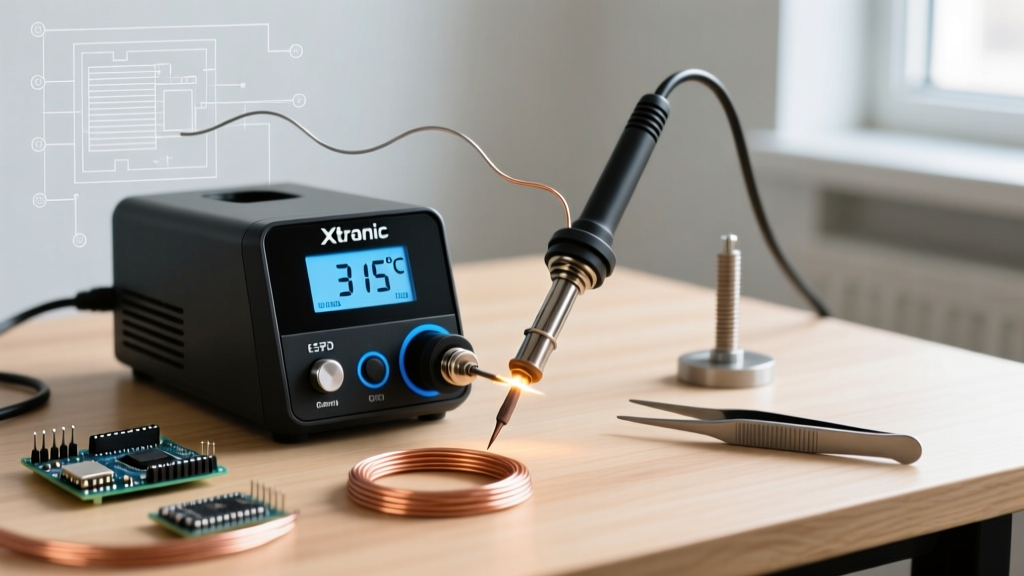
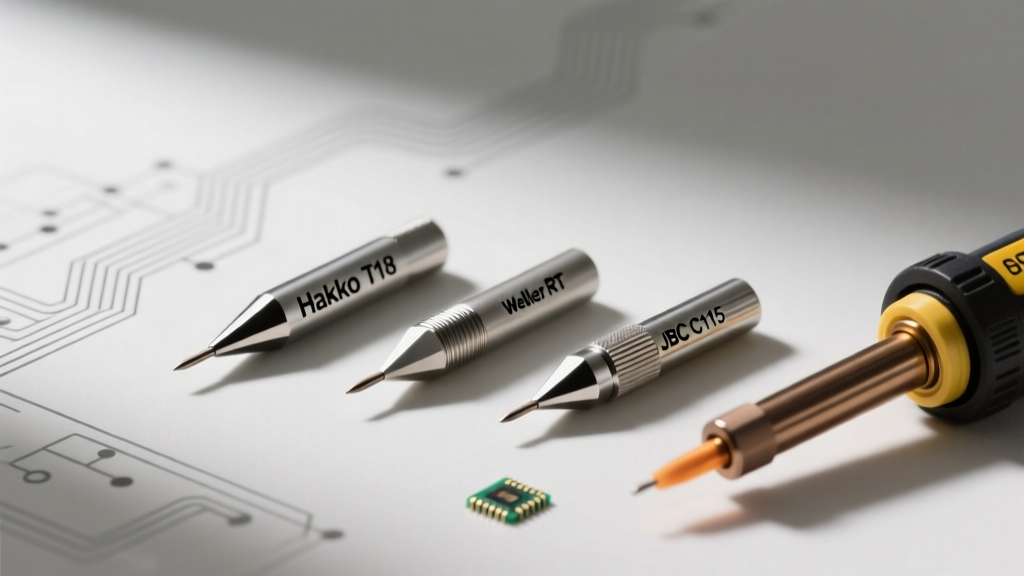
If you are entering the booming permanent jewelry market and asking, can you use a soldering iron for permanent jewelry? the definitive answer from a metallurgical and safety standpoint is no. While high-end soldering stations like the Hakko FX-888D or Weller WE1010 are exceptional for printed circuit boards (PCBs) and heavy-gauge copper wiring, they are fundamentally the wrong tools for fusing delicate 14k gold-filled, sterling silver, or solid gold chains.
Permanent jewelry relies on seamless, high-strength, fluxless joints that can withstand daily wear, moisture, and skin oils. Traditional soldering irons rely on thermal conduction and require chemical fluxes and filler metals (solder) that introduce severe structural and dermatological risks when applied to wearable jewelry. In 2026, the industry standard for permanent jewelry is pulse arc welding (also known as micro-TIG or capacitor discharge welding), not soldering.
⚠ Critical Safety Warning: Skin Contact & Toxicity
Standard electronic solders (even lead-free SAC305 alloys) and plumbing solders often contain trace heavy metals, antimony, or bismuth. Furthermore, the chemical fluxes required to make solder flow leave behind acidic residues. According to the CDC National Institute for Occupational Safety and Health (NIOSH), prolonged skin contact with heavy metals and flux residues can cause severe contact dermatitis, allergic reactions, and systemic toxicity. Never use electronic or plumbing solder on jewelry intended for permanent skin contact.
Soldering vs. Pulse Arc Welding: The Metallurgical Difference
To understand why a $150 soldering station cannot replace a $1,000 jewelry welder, you must understand the physics of heat transfer and alloy fusion.
The Thermal Mass Problem
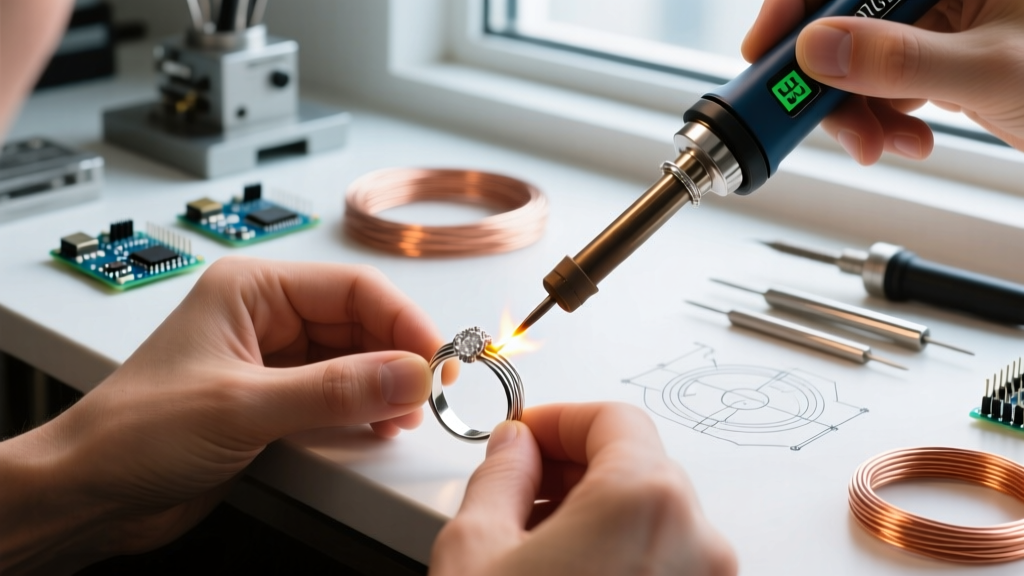
A standard 60W to 70W soldering iron transfers heat via direct physical conduction. When you touch a hot iron tip to a 1.2mm 14k gold-filled cable chain, the chain acts as a heat sink. To get the joint hot enough to melt hard silver solder (which flows at roughly 1,300°F / 704°C), you must hold the iron in place for several seconds. This prolonged heat exposure oxidizes the base metal, burns off the microscopic gold layer on gold-filled chains, and anneals (softens) the surrounding links, making them prone to snapping under tension.
The Pulse Arc Advantage
Pulse arc welders, like the industry-leading Sunstone Welders Orion series, use a high-voltage, low-current capacitor discharge. The energy is released in milliseconds (measured in Watt-seconds, or Ws). This creates a microscopic plasma arc that instantly melts the base metals together without adding foreign filler solder and without transferring destructive heat to the surrounding links.
| Feature | Soldering Iron (e.g., Hakko FX-888D) | Micro-Torch (Butane) | Pulse Arc Welder (e.g., Orion mPulse) |
|---|---|---|---|
| Heat Source | Thermal Conduction (Slow) | Open Flame (Broad) | Capacitor Discharge (Milliseconds) |
| Filler Metal Required? | Yes (Solder) | Yes (Solder) | No (Fuses base metal) |
| Flux Required? | Yes (Toxic/Acidic) | Yes (Borax/Pickle) | No (Uses Argon Gas) |
| Joint Aesthetics | Bulky, visible blob | Requires filing/polishing | Seamless, microscopic bead |
| Skin Safety | Poor (Allergy risks) | Good (if cleaned properly) | Excellent (Hypoallergenic) |
2026 Buying Guide: Top Pulse Arc Welders for Jewelry Artists
If you are launching a permanent jewelry business or upgrading your studio, investing in a dedicated pulse arc welder is non-negotiable. Here are the top models dominating the market in 2026, based on reliability, pulse precision, and return on investment.
1. Sunstone Welders Orion mPulse 30 (The Industry Standard)
- Estimated 2026 Price: $1,299 - $1,499
- Max Energy Output: 30 Watt-seconds (Ws)
- Best For: High-volume studios, welding 14k gold-filled, sterling silver, and solid gold up to 3mm thickness.
The Orion mPulse 30 remains the undisputed champion of the permanent jewelry pop-up scene. Its 30 Ws output provides enough punch to fuse thicker sterling silver curb chains without blowing a hole through delicate gold-filled jump rings. The touchscreen interface allows you to save custom pulse profiles for different metal alloys, ensuring repeatability when you are welding 50 bracelets in a single weekend market.
2. PepeTools 150.12 Ultra Series Pulse Arc Welder (Best Budget Entry)
- Estimated 2026 Price: $799 - $899
- Max Energy Output: 20 Watt-seconds (Ws)
- Best For: Hobbyists, low-volume mobile artists, and thin chain welding.
PepeTools offers a highly accessible entry point into micro-welding. While the 20 Ws max output means you will struggle with heavy gauge (over 2.5mm) sterling silver chains, it is perfectly adequate for the dainty 1.0mm to 1.5mm cable and rope chains that make up 80% of permanent jewelry orders. It includes a basic argon gas regulator, though you will need to source your own argon tank locally.
3. Rio Grande EQ Pro Arc Welder (The Mid-Tier Workhorse)
- Estimated 2026 Price: $950 - $1,100
- Max Energy Output: 25 Watt-seconds (Ws)
- Best For: Established jewelers needing a reliable secondary machine or a primary unit on a strict budget.
Sourced through premier jewelry suppliers like Rio Grande, the EQ Pro bridges the gap between budget imports and premium domestic brands. It features an excellent optical sensor that triggers the arc automatically when the tungsten electrode touches the workpiece, reducing the learning curve for beginners transitioning from soldering irons.
Step-by-Step: Fusing a Chain Link Safely
Once you have abandoned the soldering iron and acquired a pulse arc welder, follow this precise workflow to ensure a permanent, unbreakable bond.
- Prepare the Jump Ring: Use flush-cutting pliers to ensure the jump ring ends meet perfectly flush. Any gap larger than 0.2mm will result in a weak, porous weld.
- Set the Argon Gas: Connect your welding handpiece to an Argon gas tank (99.99% pure). Set the flow rate to 3 to 5 Cubic Feet per Hour (CFH). Argon displaces oxygen, preventing the metal from oxidizing and turning black during the spark.
- Dial in the Pulse (Ws): Set your welder based on the metal and thickness. For a standard 1.2mm 14k gold-filled chain, start at 12 to 15 Ws. For 1.5mm sterling silver, increase to 18 to 22 Ws.
- Sharpen the Electrode: Ensure your tungsten electrode is ground to a fine point. A blunt electrode scatters the arc, creating a wide, messy weld pool.
- Execute the Weld: Position the chain on the copper welding pad. Touch the tungsten electrode exactly to the seam of the jump ring. The optical sensor will fire the arc in milliseconds. Rotate the bracelet slightly and apply a second, lower-energy pulse (about 8 Ws) to smooth the weld bead.
Frequently Asked Questions
Can I use conductive silver epoxy instead of soldering or welding?
No. Conductive epoxies are designed for low-voltage PCB repairs, not structural mechanical bonds. A permanent jewelry bracelet experiences constant tensile and shear stress from the wearer's movements. Epoxy will brittle and snap within days, leading to lost jewelry and refund requests.
What if I only use a micro-torch and hard silver solder?
While a micro-torch with hard silver solder is a traditional bench jeweler technique, it is highly inefficient for permanent jewelry pop-ups. It requires applying flux, heating the piece, quenching it in water, and then soaking it in an acidic pickle solution to remove oxidation. This multi-step process takes 5 to 10 minutes per bracelet, whereas a pulse arc welder completes the job in 10 seconds with zero chemical cleanup.
Do I need to buy a specific type of Argon gas?
Yes. You must use welding-grade Argon (often labeled as C-25 or pure Argon depending on your local supplier's naming convention, but ensure it is 99.99% pure Argon for non-ferrous metals). Do not use shielding gases designed for MIG welding steel, as they contain CO2 and will severely oxidize your gold and silver.
Final Verdict
If you are asking if you can use a soldering iron for permanent jewelry, you are likely trying to minimize startup costs. However, applying PCB soldering techniques to wearable fine metals will result in toxic joints, structural failures, and a damaged brand reputation. Reallocate your budget away from traditional soldering stations and invest in a dedicated pulse arc welder like the Orion mPulse 30 or PepeTools Ultra series. The speed, safety, and seamless aesthetics of capacitor discharge welding are what make the modern permanent jewelry business model profitable and sustainable in 2026.