
The Semantic Trap: Why "Soldering Gun Iron" is a Misnomer
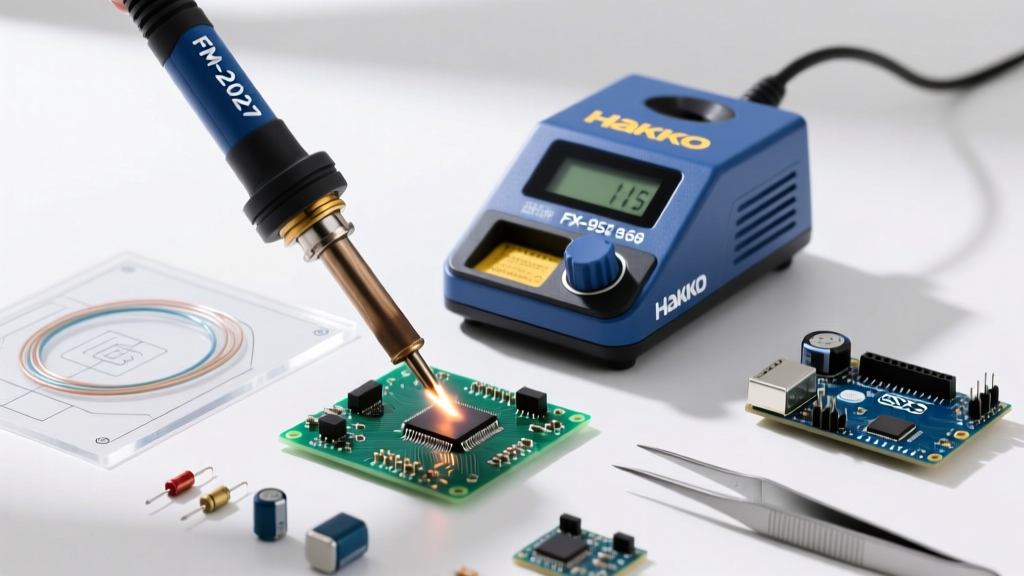
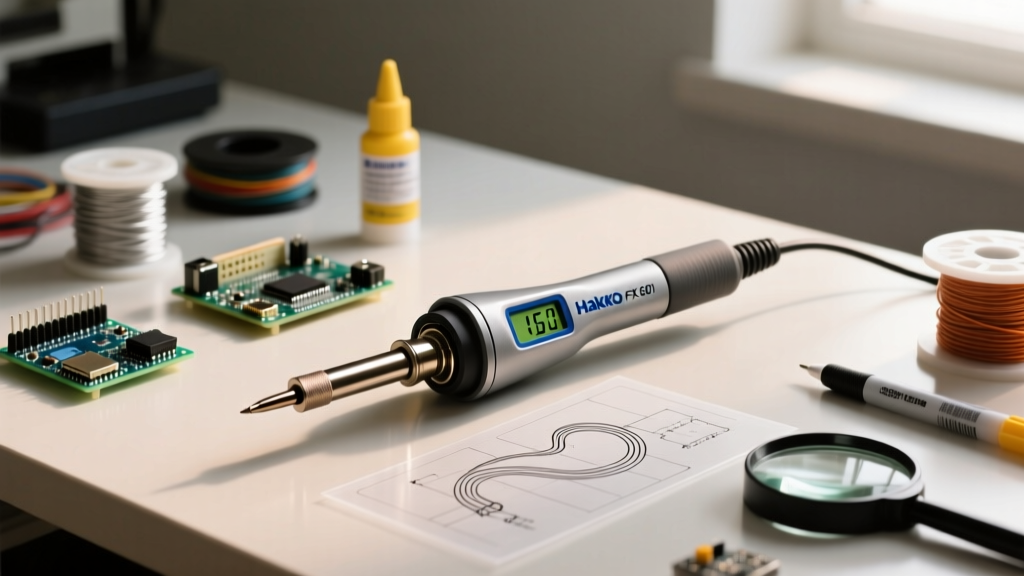
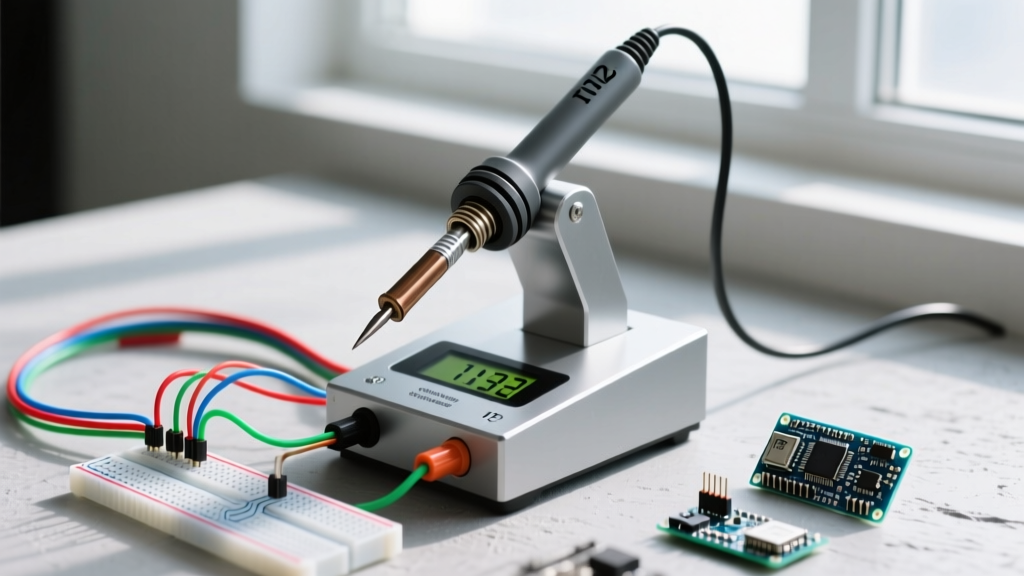
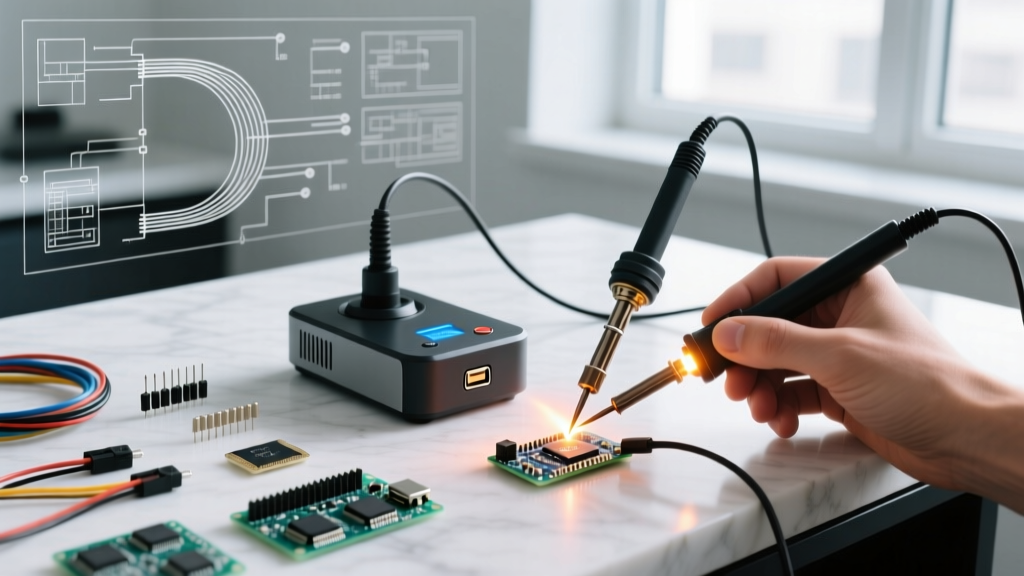
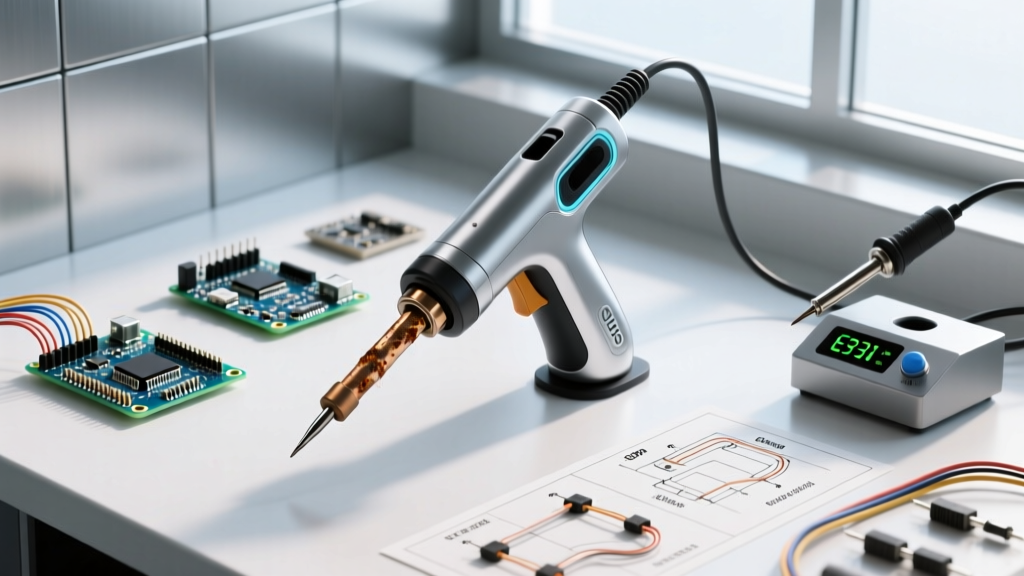
When beginners search for a "soldering gun iron," they are usually conflating two fundamentally different tools that operate on entirely distinct principles of physics. In the professional electronics and electrical repair space, there is no hybrid "gun iron." You either have a soldering gun (a heavy, pistol-grip tool powered by a step-down transformer) or a soldering iron (a wand-style tool utilizing a resistive or ceramic heating element with active temperature feedback). Understanding the difference between these two tools is critical; using the wrong one will either result in cold, unreliable joints on heavy wire or instantly vaporized copper pads on a printed circuit board (PCB).
In this 2026 comparison guide, we break down the exact specifications, failure modes, and ideal use cases for both tools, helping you build the ultimate dual-tool arsenal for your workbench.
Head-to-Head Specification Matrix
To ground this comparison in reality, we are pitting the industry-standard transformer gun against two modern workhorse irons. Below is a side-by-side specification matrix reflecting 2026 market data.
| Feature | Weller D550PK (Soldering Gun) | Weller WE1010NA (Digital Station) | Pinecil V2 (Smart Portable Iron) |
|---|---|---|---|
| Heating Technology | Step-Down Transformer (60Hz) | Ceramic Heater with Thermocouple | RISC-V PID Controlled Ceramic |
| Max Wattage | 260W (Trigger Depressed) | 70W | 65W (via USB-C PD) |
| Heat-Up Time | ~1.5 seconds | ~15 seconds | ~6 seconds |
| Weight (Handpiece) | 1.5 lbs (680g) | 3.2 oz (90g) | 1.0 oz (28g) |
| ESD Safe | No (High Magnetic Field) | Yes (Grounded) | Yes (Groundable via screw) |
| 2026 Average Price | $139.00 | $109.00 | $26.00 |
The Physics of the Soldering Gun
A traditional soldering gun like the Weller D550PK does not use a standard heating element. Instead, it houses a massive step-down transformer. The primary coil connects to your 120V AC wall power, while the secondary coil consists of a single loop of thick copper wire that forms the tip itself. Because the secondary coil has vastly fewer windings than the primary, the voltage drops to a fraction of a volt, but the current spikes to hundreds of amps. This massive current forces the copper loop tip to heat up almost instantaneously.
Where Guns Dominate: Heavy-Duty & Automotive
Soldering guns are thermal brute-force instruments. They are designed for high-mass connections that would instantly drain the thermal reserve of a standard 70W iron. You should reach for a soldering gun when:
- Soldering 8 AWG to 4 AWG Silicone Wire: Essential for building custom RC LiPo battery harnesses or EV battery packs.
- Massive Connectors: Soldering XT90, AS150, or 6mm bullet connectors where the metal mass acts as a giant heatsink.
- Stained Glass & Copper Foil: The continuous high-heat output allows for smooth, flowing beads on thick copper tape.
- Automotive Ground Straps: Soldering heavy lugs to thick chassis grounds where a torch is unsafe or impractical.
The Hidden Failure Modes of Soldering Guns
Guns are not without severe drawbacks. The copper loop tips are highly susceptible to oxidation and pitting. Because the tip is literally a shorted piece of copper, flux acids and high heat will eventually eat through the metal, causing the loop to snap. Furthermore, the 60Hz alternating current creates a powerful, pulsating magnetic field. If you use a soldering gun near your precision SMD tweezers or screwdrivers, you will magnetize them, causing microscopic surface-mount components to stick to your tools and fly across the room.
The Physics of the Modern Soldering Iron
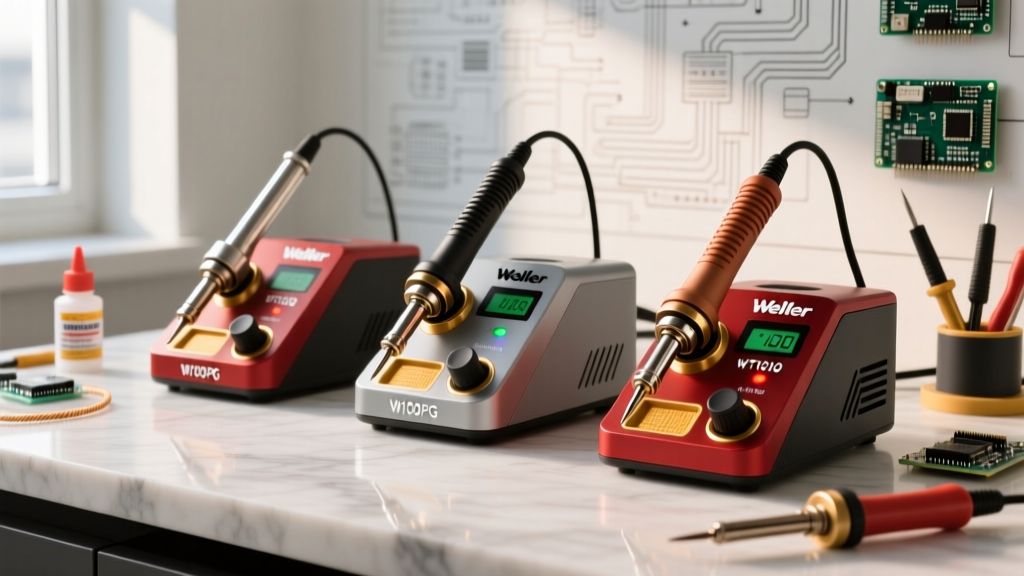
Modern soldering irons and stations utilize advanced ceramic heating elements paired with closed-loop PID (Proportional-Integral-Derivative) temperature controllers. Tools like the Weller WE1010NA or the open-source Pinecil V2 constantly read the thermocouple embedded in the tip and adjust the power delivery hundreds of times per second to maintain an exact temperature, usually within +/- 2°C of the target.
According to the Adafruit Guide to Excellent Soldering, maintaining a stable, controlled temperature is the single most important factor in creating reliable, shiny, and structurally sound through-hole and surface-mount joints. The wand form factor is lightweight, ESD-safe, and allows for millimeter-level precision.
The PCB Danger Zone: Why Guns Destroy Electronics
Never use a soldering gun on a printed circuit board. Standard FR4 fiberglass PCBs have a Glass Transition Temperature (Tg) typically between 135°C and 170°C. A 260W soldering gun dumps thermal energy so aggressively that it will bypass the solder's melting point and instantly overheat the copper pad. This causes the adhesive binding the copper to the fiberglass to fail, resulting in pad delamination. Once a pad lifts, the trace is destroyed, often requiring complex bodge-wire repairs.
The IPC J-STD-001 standard for soldered electrical assemblies strictly outlines thermal profiling and time-limit constraints to prevent thermal shock and board damage. A soldering gun makes IPC compliance physically impossible on modern, multi-layer electronics.
Pro-Tip for Heavy Wire: When using a soldering gun on 8 AWG wire, the flux inside standard rosin-core solder will burn off before the deep core of the wire reaches melting temperature. Pre-tin the wires using a high-tack, no-clean paste flux (like Chip Quik NC191) applied directly to the copper strands before introducing the solder. This prevents deep-cavity oxidation that a gun's rapid heat cycle can cause.
2026 Market Pricing and Value Breakdown
The barrier to entry for precision soldering has plummeted by 2026. While a high-end digital station from Weller or Hakko will still cost between $100 and $130, the rise of USB-C Power Delivery (PD) smart irons has disrupted the market. The Pinecil V2, powered by a RISC-V chip and capable of running off a $15 laptop charger, delivers 65W of PID-controlled heat for just $26.
Conversely, soldering guns remain a niche, legacy technology. The Weller D550PK hovers around $139. You are paying entirely for the heavy copper transformer and the rugged, mid-century industrial design. For the modern DIYer, the most cost-effective and capable setup is not choosing one over the other, but buying both for their specific domains.
Wire Gauge to Tool Mapping Guide
To eliminate guesswork, use this quick-reference guide based on PowerStream Wire Size Data to select the correct tool for your wire gauge:
- 30 AWG to 24 AWG (Sensors, IC Pins, SMD): Use a Smart Iron (Pinecil) at 320°C with a micro-conical tip.
- 22 AWG to 16 AWG (Servo wires, breadboard jumpers): Use a Digital Station (Weller WE1010NA) at 350°C with a standard bevel tip.
- 14 AWG to 10 AWG (Power supplies, lighting harnesses): Use a 70W+ Station with a massive chisel tip, or step up to a Soldering Gun.
- 8 AWG and Thicker (Battery leads, automotive): Strictly Soldering Gun territory. A standard iron will suffer severe thermal droop and create a cold joint.
Expert Verdict: Building Your Dual-Tool Arsenal
The search for the ultimate "soldering gun iron" ends with the realization that specialization is the key to professional results. If your 2026 workload involves repairing drones, assembling Arduino shields, or splicing delicate sensor wires, invest your money in a high-quality ceramic iron station or a USB-C smart iron. The precision, ESD safety, and temperature stability are non-negotiable for electronics.
However, if you spend your weekends building FPV racing drones, soldering XT60 connectors, or repairing automotive wiring harnesses, a transformer-based soldering gun is a mandatory addition to your toolbox. Keep the gun in the garage for heavy metalwork, and keep the precision iron on your ESD-safe mat for the delicate silicon. By respecting the physics and limitations of both tools, you guarantee flawless, durable connections across every project you tackle.