
The Metallurgy of Tinning: Why Your Soldering Iron Tip Fails
If you are searching for how to tin a soldering iron tip properly, you must first understand the metallurgical failure modes of modern soldering tips. A high-quality soldering tip is not solid copper; it is a copper core electroplated with a layer of iron (typically 7 to 12 mils thick), followed by a chromium or nickel barrier, and finally a sacrificial tin coating. Copper dissolves rapidly in molten solder (a process known as leaching), while iron resists it. When the iron layer is exposed to high heat and atmospheric oxygen without a protective solder blanket, iron oxide forms instantly. This black, crusty oxidation layer acts as a thermal insulator, dropping your tip's thermal transfer efficiency by up to 95%.
According to reliability guidelines published by the NASA Electronic Parts and Packaging (NEPP) Program, proper tip wetting is critical for maintaining the thermal mass required to form reliable intermetallic copper-tin (Cu6Sn5) bonds. Failing to maintain a tinned tip doesn't just slow down your work; it forces you to apply excessive mechanical pressure and dwell time, which damages PCB pads and sensitive SMD components.
Step-by-Step: How to Tin a Soldering Iron Tip Properly
The tinning process should be viewed as a continuous maintenance loop, not a one-time setup. Follow this exact sequence to maximize tip lifespan, whether you are using a $500 JBC CD-2BQE station or a basic Pine64 Pinecil.
- Prep the Cleaning Medium: If using a cellulose sponge, dampen it with distilled water. Tap water contains minerals that cause micro-pitting on the iron plating at 350°C. Squeeze it out so it is damp, not dripping. Alternatively, use a dry brass wire sponge.
- Ramp to the Correct Temperature: Never crank your station to 450°C (842°F) to 'heat up faster.' Set the station to your working temperature. For 63/37 leaded solder, set it to 315°C (600°F). For SAC305 lead-free, set it to 340°C (644°F).
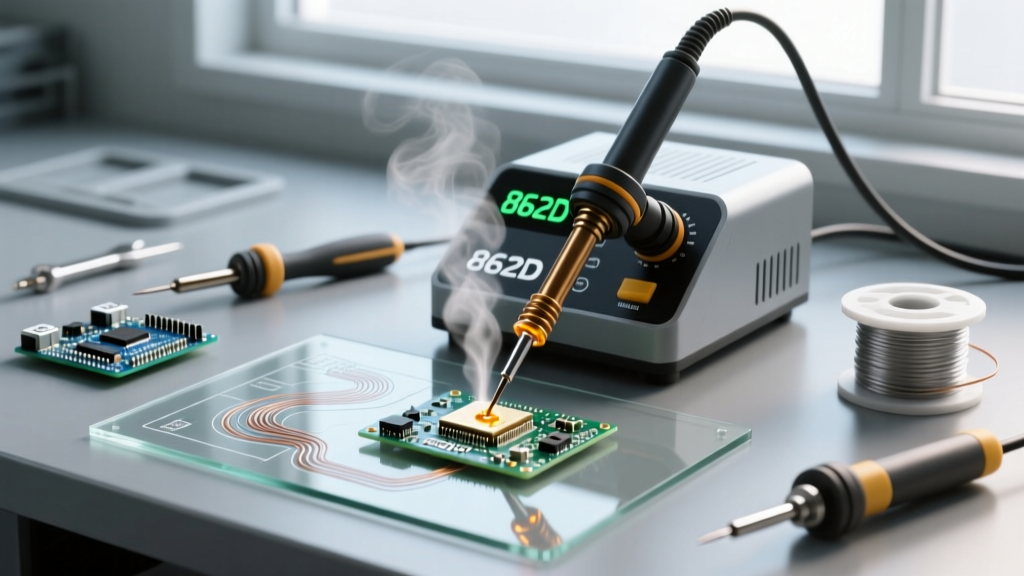
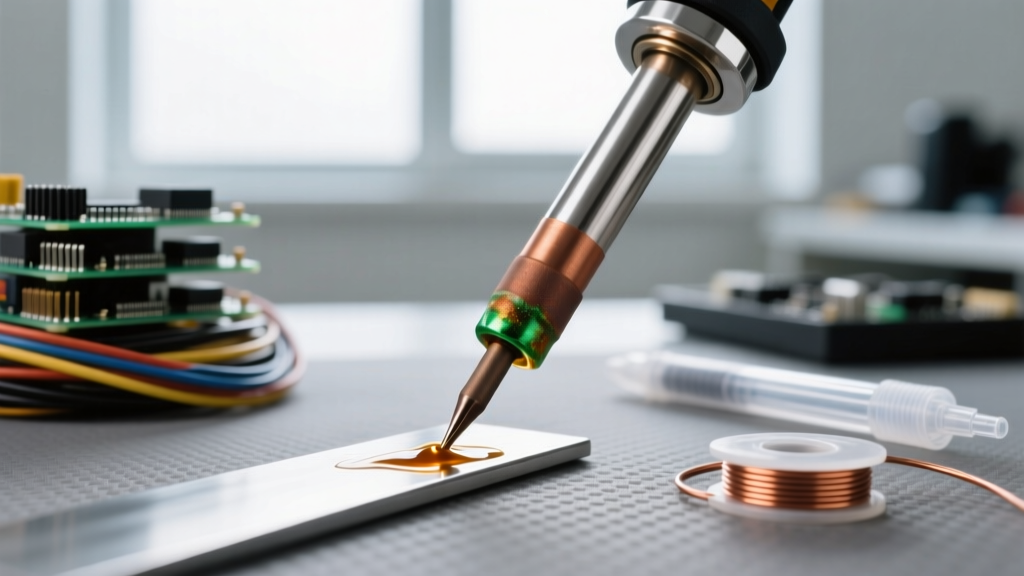
- The 'Double-Tin' Method: As soon as the tip reaches temperature, apply a generous amount of rosin-core solder or dedicated tinning compound. Immediately wipe the tip on your brass sponge to remove oxidized flux residue, then instantly apply a second layer of fresh solder before setting the iron in its holder.
- Shut-Down Protocol: When turning off your station, melt a large blob of solder onto the tip and leave it there as it cools. This sacrificial blob will oxidize instead of the iron plating.
Expert Callout: Never use a wet sponge if your station lacks active thermal recovery (like older Weller WES51 analog stations). The sudden thermal shock of a wet sponge drops the tip temperature by 50°C+, causing micro-cracks in the iron plating over time. Always use a brass sponge for uncalibrated or analog stations.
2026 Buying Guide: Best Solder Wires for Tinning
The solder wire you use to tin your tip matters just as much as the technique. You need a wire with a high-flux core (2.0% to 3.3%) to aggressively strip microscopic oxidation during the tinning process. Here is our review of the top solder wires for tip maintenance in 2026.
1. Kester 44 (63/37 Eutectic) - The Gold Standard
Kester 44 remains the undisputed champion for general-purpose tinning and electronics work. The 63/37 (Tin/Lead) alloy is eutectic, meaning it melts and freezes at a single temperature (183°C), eliminating the plastic phase that causes cold joints. The '44' rosin flux core is mildly activated, providing excellent wetting without leaving highly corrosive residues. Price: ~$32 for a 1lb spool (0.031" diameter).
2. MG Chemicals SAC305 (Lead-Free) - Best for RoHS Compliance
If your shop mandates lead-free processes, SAC305 (96.5% Sn, 3.0% Ag, 0.5% Cu) is the industry standard. It melts at 217°C. MG Chemicals formulates their lead-free wire with a 2.2% no-clean flux core that activates at higher temperatures, making it ideal for maintaining tips set to 340°C+. Price: ~$48 for a 1lb spool. Note that silver-bearing alloys are slightly more abrasive to tip plating over thousands of cycles, so frequent tinning is mandatory.
3. Alpha Metals Sn63/Pb37 No-Clean - Best for Low-Residue Environments
Alpha Metals offers a premium no-clean flux core that leaves a hard, clear residue. It is excellent for tinning because it requires less aggressive wiping, reducing mechanical wear on the tip's iron layer. Price: ~$35 for a 1lb spool.
Tinning Compounds vs. Raw Solder: Product Reviews
When a tip is severely oxidized, raw solder wire will simply ball up and roll off. This is where dedicated tinning compounds—mixtures of solder powder and aggressive mild-acid fluxes—become essential. Below is a comparison matrix of the top tinning compounds available.
| Product | Composition | Best Use Case | Est. Price (2026) |
|---|---|---|---|
| Hakko 599B Tip Tinner | Sn/Pb powder, mild acid flux | Routine maintenance, light oxidation | $9.50 |
| MG Chemicals 8341 | Lead-free powder, organic acid | Lead-free environments, heavy oxidation | $12.00 |
| Chemtronics SolderWick | Sn/Pb, highly active flux | Severe tip recovery (black crust) | $14.50 |
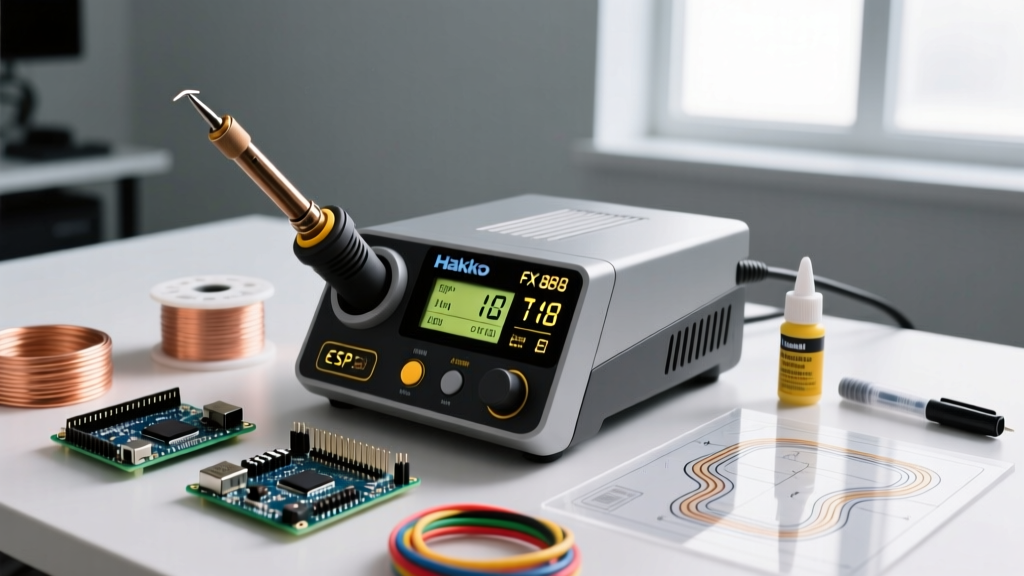
For daily use, the Hakko 599B is the most cost-effective and reliable choice. You simply dip the hot, oxidized tip into the compound, twist it slightly for two seconds, and wipe it on a brass sponge. The aggressive flux strips the iron oxide, and the solder powder instantly wets the bare iron. However, if you are working in a strict RoHS facility, the MG Chemicals 8341 prevents lead cross-contamination.
Cleaning Tools: Brass vs. Cellulose Sponges
The tool you use to wipe the tip after tinning dictates how long your tinned layer survives.
- Brass Wire Sponges (e.g., Hakko 599B Cleaner): Made of soft brass shavings, these clean the tip without dropping its temperature. The brass is softer than the iron plating, so it will not scratch the tip. This is the recommended method for high-volume production environments where thermal stability is critical.
- Cellulose Sponges: Standard yellow/brown sponges. When wet, they cause a rapid thermal shock. While this thermal shock helps 'pop' stubborn flux residue off the tip, doing it repeatedly will cause the iron plating to flake off due to the differing thermal expansion rates of copper and iron. If you must use a sponge, use distilled water and only wipe once per session.
Expert Troubleshooting: Black Crust & Non-Wetting Tips
What happens when you forget to tin the tip before turning off the station, and you return to a tip covered in a thick, black, non-wetting crust? Never use sandpaper, a file, or a Dremel tool. According to the IPC J-STD-001 Standards for soldering workmanship, altering the physical geometry or plating of a soldering tip voids its thermal calibration and destroys the anti-leaching barrier.
Instead, use a chemical recovery method:
- Set the iron to a low temperature (250°C).
- Plunge the tip into a highly active tip tinner (like the Chemtronics SolderWick Tip Tinner) for 3-5 seconds.
- Wipe aggressively on a brass sponge.
- If black spots remain, repeat the process. Do not exceed 300°C during this recovery, as high heat will burn the flux in the tinner before it can react with the iron oxide.
- Once the shiny iron layer is exposed, immediately feed standard 63/37 rosin-core solder wire onto the tip to build a thick protective layer.
Frequently Asked Questions (FAQ)
How often should I tin my soldering iron tip?
You should apply a fresh layer of solder every single time you place the iron back into its holder. In continuous production environments, operators are trained to re-tin and wipe the tip every 3 to 4 joints to prevent flux carbon buildup.
Can I use plumbing solder to tin my electronics iron?
No. Plumbing solder often contains acid-core fluxes (like zinc chloride) designed to eat through copper pipes and brass fittings. If used on an electronics iron, this highly corrosive flux will rapidly degrade the iron plating and contaminate your PCBs, leading to dendritic growth and short circuits over time. Always use rosin-based (R, RMA, or RA) or no-clean electronics flux.
Why does my lead-free solder ball up and fall off the tip?
Lead-free alloys like SAC305 have higher surface tension and poorer wetting characteristics than leaded alloys. If the solder balls up, your tip temperature is likely too low (below 330°C), or the tip is already suffering from microscopic oxidation. Clean the tip with brass wool, apply a dedicated lead-free tinning compound, and increase your station temperature by 15°C.
For more foundational techniques on maintaining your equipment, the Hakko Soldering Lesson archives provide excellent visual guides on wetting angles and thermal transfer dynamics.