
The Core Conflict: Contact vs. Convection Heating in Plastics
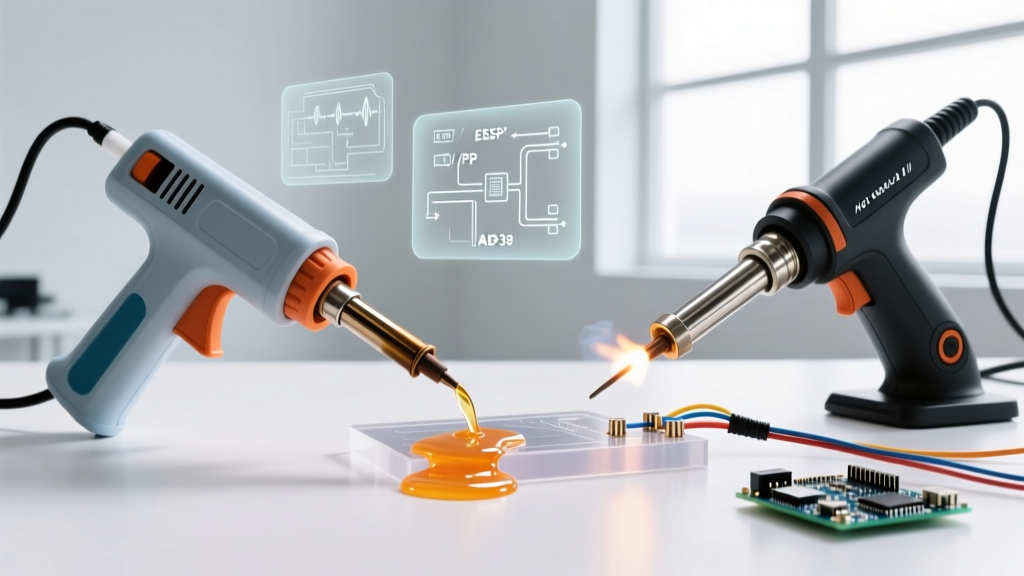
When repairing cracked automotive bumpers, drone chassis, or industrial electronic enclosures, technicians face a critical tool selection dilemma. The debate typically centers around the traditional plastic soldering gun (a contact-based conductive heating tool) versus modern hot air rework stations (convection heating). While both tools melt thermoplastics, their thermal transfer mechanics, ideal use cases, and polymer compatibility differ drastically. Understanding these nuances is the difference between a structural repair that withstands impact and a brittle cold joint that fails under minor stress.
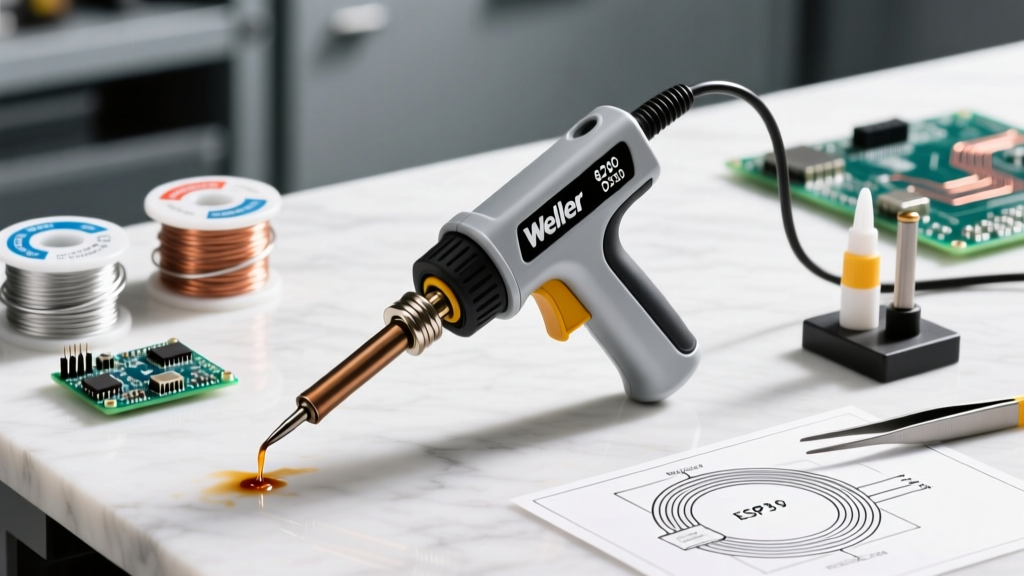
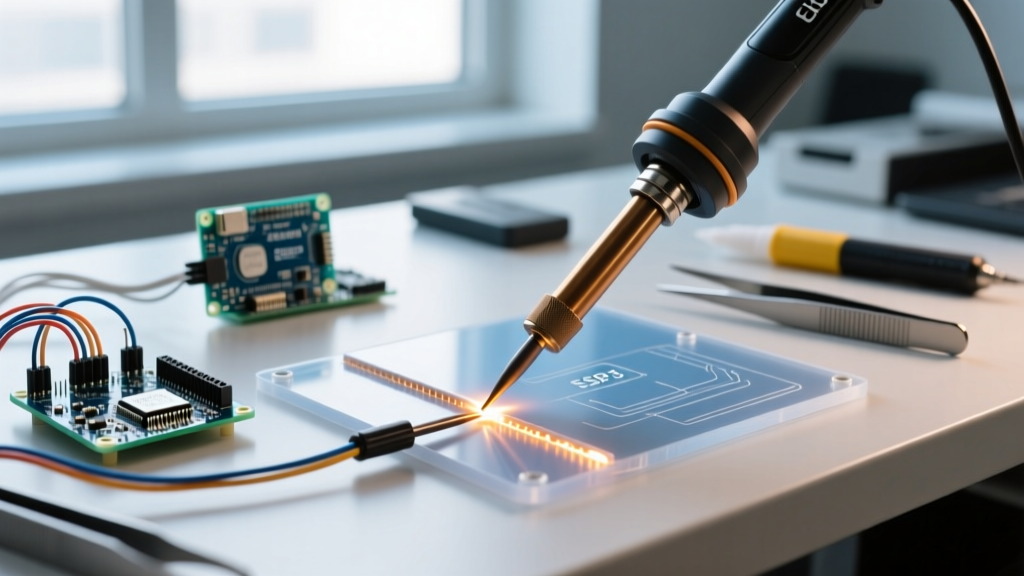
A plastic soldering gun relies on direct thermal conduction. The heated metal tip—often a flat blade, chisel, or specialized mesh-embedding foot—transfers kinetic heat directly into the polymer matrix. This allows for precise, localized melting and the ability to physically manipulate the plastic or embed reinforcing materials. Conversely, hot air welders blow superheated air across the surface, melting a broader area and requiring a separate filler rod to build mass. In 2026, with the rise of complex polyolefin blends in consumer electronics and automotive lightweighting, choosing the right thermal delivery system is more critical than ever.
Head-to-Head Comparison Matrix
Below is a technical breakdown comparing a standard 100W plastic soldering gun, a dedicated airless plastic welder, and a professional hot air station.
| Feature | 100W Plastic Soldering Gun | Dedicated Airless Welder (e.g., Polyvance) | Hot Air Station (e.g., Quick 861DW) |
|---|---|---|---|
| Heating Method | Direct Conduction | Direct Conduction (High Mass Tip) | Forced Convection |
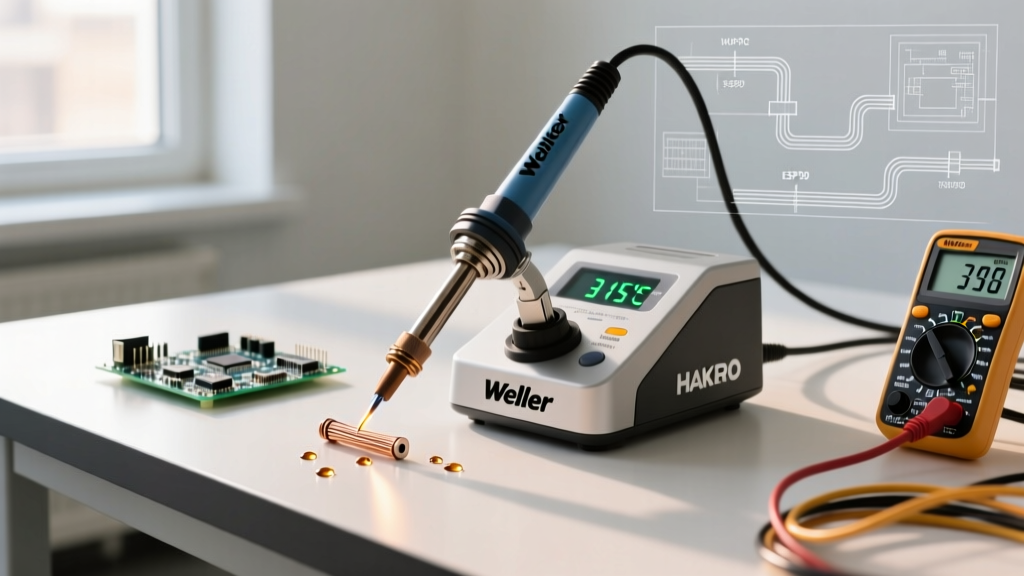
| Temperature Control | Fixed / Manual Dial | Digital PID (±2°C) | Digital PID (±1°C) |
| Best Polymer Types | ABS, Rigid PVC, Acrylic | PP, TPO, PE, ABS | All Thermoplastics (with filler) |
| Avg. Cost (2026) | $35 - $65 | $180 - $250 | $220 - $300 |
| Primary Failure Mode | Thermal degradation / burning | Tipping through melt pool | Warping from broad heat zone |
Deep Dive: When to Deploy a Plastic Soldering Gun
The primary advantage of a plastic soldering gun is its ability to perform tack welding and mesh embedding. When a rigid plastic like ABS (Acrylonitrile Butadiene Styrene) cracks, simply melting the two sides back together rarely restores the original tensile strength. Instead, technicians use the flat blade tip of a plastic soldering gun to heat and sink stainless steel wire mesh directly into the backside of the crack. The gun melts the plastic just enough to allow the mesh to sink below the surface level, creating a composite structural repair akin to rebar in concrete.
The Danger of Thermal Degradation
Because entry-level plastic soldering guns often lack closed-loop PID temperature controllers, the tip temperature can easily exceed 350°C if left idle. According to the British Plastics Federation, ABS begins to degrade and release toxic styrene gas when exposed to excessive heat beyond its processing window of 200°C–240°C. If your soldering gun tip is too hot, you will not melt the plastic; you will carbonize it. Carbonized plastic loses all molecular adhesion, resulting in a 'dead zone' that will reject filler materials and snap under pressure.
Pro-Tip: To test if your unregulated plastic soldering gun is at the correct temperature for ABS, touch the tip to a scrap piece of plastic. If it melts smoothly like butter within 2 seconds, it is ready. If it smokes immediately or leaves a black streak, unplug it and let it cool for 45 seconds before attempting your repair.
Polymer Science: Matching the Tool to the Material
Not all plastics can be soldered or welded. The golden rule of plastic repair is that only thermoplastics can be melted and reformed. Thermoset plastics (like SMC, fiberglass, or epoxy resins) will simply burn and turn to ash when exposed to a plastic soldering gun. Always check the ISO 11469 recycling stamp on the back of the part before applying heat.
ABS (Acrylonitrile Butadiene Styrene)
- Melting Window: 200°C - 240°C
- Common Uses: Drone shells, laptop chassis, interior automotive trim, LEGO bricks.
- Tool Preference: Plastic soldering gun excels here. ABS has high surface energy and excellent melt-flow characteristics, making it highly forgiving for conductive soldering and mesh embedding.
PP (Polypropylene) and TPO (Thermoplastic Polyolefin)
- Melting Window: 160°C - 175°C
- Common Uses: Automotive bumpers, battery casings, outdoor storage bins.
- Tool Preference: Hot air or specialized low-temp airless welders. Polyolefins have incredibly low surface energy. A standard plastic soldering gun will often just push the melted plastic around like water on a waxed car hood, failing to create a molecular bond. Furthermore, PP requires flame treatment or a chemical adhesion promoter before any filler or paint will stick to the repaired area.
Step-by-Step: Repairing a Cracked ABS Enclosure
Follow this exact procedure to restore structural integrity to a cracked ABS electronic enclosure using a standard 100W plastic soldering gun.
- Preparation and V-Grooving: Clean the area with isopropyl alcohol. Using a rotary tool with a carbide burr, grind a 'V' shaped groove along the entire length of the crack on the front side. This provides a channel for the filler plastic.
- Backside Mesh Embedding: Flip the part over. Place a piece of 304 stainless steel wire mesh over the crack. Press your heated plastic soldering gun flat against the mesh. Slowly drag the gun along the mesh, melting the ABS underneath and allowing the mesh to sink flush into the plastic substrate. Do not push down hard; let the thermal energy do the work.
- Frontside Capping: Flip the part back to the front. Take a scrap piece of matching ABS (or an ABS 3D printer filament rod). Hold the rod against the V-groove and use the chisel tip of your plastic soldering gun to simultaneously melt the rod and the groove, blending them together.
- Cooling and Finishing: Allow the part to cool naturally to room temperature. Quenching with water will cause thermal shock and micro-fractures in the ABS matrix. Once cool, sand with 120-grit, then 320-grit sandpaper before applying plastic primer.
Safety Protocols and Toxic Outgassing
Melting plastics is inherently hazardous. When ABS or PVC is heated past its thermal stability threshold, it releases volatile organic compounds (VOCs) and toxic particulates. The CDC National Institute for Occupational Safety and Health (NIOSH) explicitly warns that styrene exposure—a primary byproduct of melting ABS—can cause central nervous system depression, headaches, and long-term respiratory issues. Furthermore, heating PVC (Polyvinyl Chloride) releases hydrogen chloride gas, which is highly corrosive and dangerous.
Always operate your plastic soldering gun in a well-ventilated area or use a localized fume extraction system equipped with an activated carbon filter. Standard HEPA filters will capture particulate matter but will not adsorb the toxic VOC gases generated during plastic soldering.
Frequently Asked Questions
Can I use my 60W electronics soldering iron to melt plastic?
No. Electronics soldering irons are designed with conical or fine chisel tips meant for transferring heat to copper pads and lead/tin solder. They lack the thermal mass required to maintain temperature when pressed into a heat-sinking polymer. Attempting to use a 60W electronics iron on plastic will result in the tip cooling down instantly, causing you to push too hard and tear the plastic. Furthermore, you risk contaminating your iron tip with plastic residue, ruining it for future PCB work.
How do I clean the tip of my plastic soldering gun?
Never use sandpaper or a metal file on the tip, as this will remove the protective iron plating and cause the copper core to oxidize and pit rapidly. Instead, while the tip is still warm (but unplugged), wipe it with a thick, damp cellulose sponge or a brass wire sponge. If carbonized plastic is baked onto the tip, use a specialized tip tinner/activator compound or gently scrape it with a wooden popsicle stick while the tool is at operating temperature.
Is it worth upgrading to a digital PID-controlled plastic welder?
If you are performing occasional repairs on hobby drones or household items, a $45 generic plastic soldering gun is perfectly adequate. However, if you are running an automotive repair shop or manufacturing custom enclosures, the $200+ investment in a PID-controlled airless welder (like those recommended by I-CAR training standards) is mandatory. Digital control prevents the thermal degradation of expensive TPO bumper covers and ensures consistent melt-flow rates across varying ambient shop temperatures.