
The "Christopher Walken" Soldering Iron Phenomenon
If you have been scouring maker forums, Reddit threads, or YouTube comment sections, you may have encountered searches or rumors regarding a "Christopher Walken soldering iron." Let us address the elephant on the workbench immediately: there is no commercial off-the-shelf (COTS) soldering iron branded by, endorsed by, or officially affiliated with the Academy Award-winning actor. The search volume surrounding this phrase is a fascinating intersection of internet meme culture, custom prop-making, and algorithmic SEO cross-pollination.
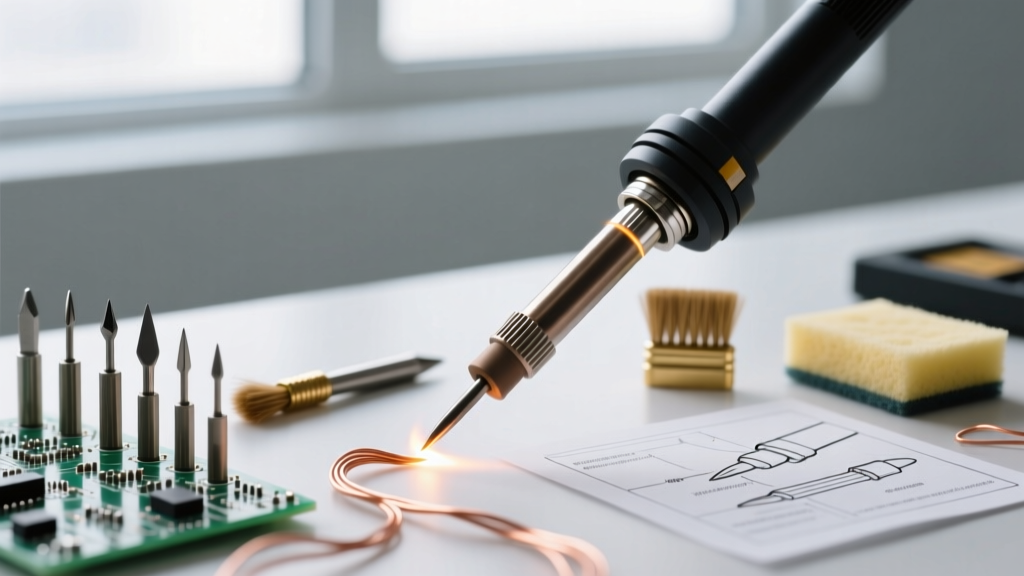
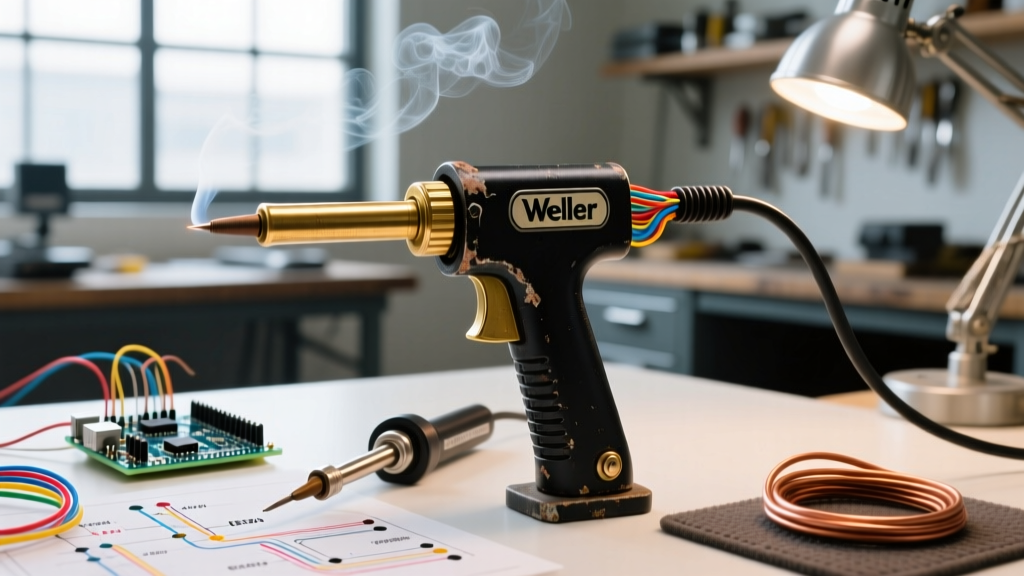
In the custom electronics and cosplay community, makers frequently build themed tool handles. A "Walken-themed" iron usually refers to a custom-turned aluminum or high-temperature resin handle designed to mimic props from films like The Prophecy or Pulp Fiction, retrofitted onto a standard Hakko or Weller core. However, relying on custom-fabricated handles introduces severe thermal and electrical safety variables that every serious DIYer must understand before attempting a build.
Why Makers Seek "Character" in Their Tools
Since you cannot purchase an official Christopher Walken signature soldering station, what should a serious maker buy in 2026 if they want a tool that offers immense character, unmatched ergonomics, and the ability to be customized safely? The modern soldering market has shifted away from generic beige boxes. Today’s top-tier stations offer open-source firmware, interchangeable ergonomic sleeves, and industrial-grade thermal recovery that makes them the perfect canvas for customization.
Below, we compare the most unique, high-performance, and customizable soldering stations on the market that serve as the ultimate foundation for any maker looking to build a one-of-a-kind, character-rich tool.
Best-Of Comparison: Top Customizable & High-Performance Stations
| Model | Power Output | Thermal Recovery (30°C drop) | Customization Potential | 2026 Price Range |
|---|---|---|---|---|
| Pinecil V2 | 65W (via USB-C PD) | < 12 seconds | Extremely High (3D printed sleeves, open-source UI) | $26 - $32 |
| Weller WE1010NA | 70W | < 9 seconds | Low (Strict UL safety housings) | $105 - $120 |
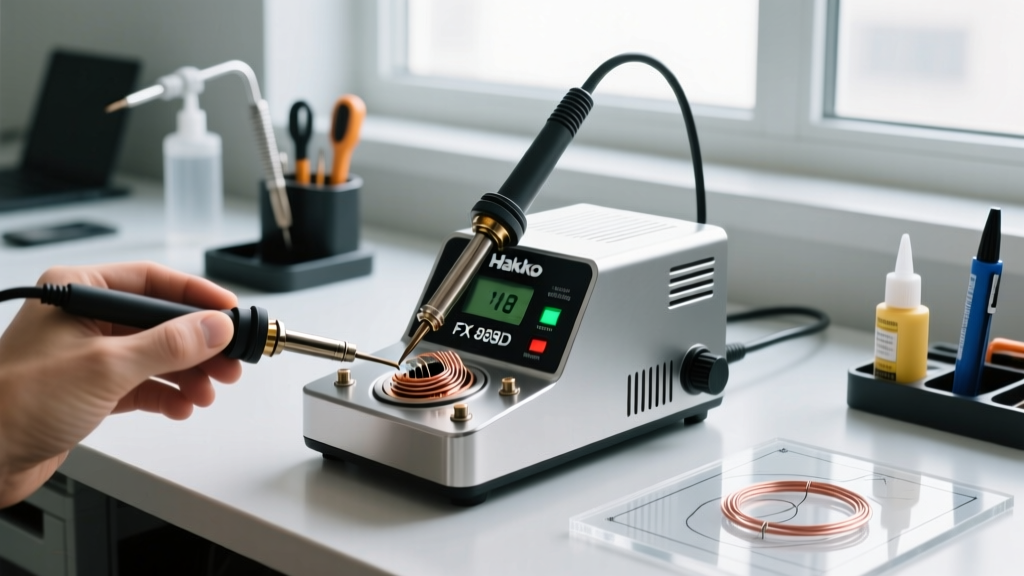
| Hakko FX-951 | 70W | < 8 seconds | Medium (Interchangeable grips, active tips) | $250 - $280 |
| Miniware TS101 | 65W (via USB-C PD) | < 14 seconds | High (Custom firmware, modular shell) | $35 - $45 |
Deep Dive: The Contenders
Pinecil V2: The Customizer’s Canvas
The Pinecil V2 is the undisputed king of the custom maker community. Powered by a RISC-V BL602 chip and running the open-source IronOS firmware, it is designed to be hacked, modded, and personalized. Makers frequently use the Pinecil as a base for custom 3D-printed sleeves, laser-engraved metal collars, and themed paracord wraps.
- The Engineering Reality: The thermal gradient on the Pinecil’s metal collar can exceed 80°C during sustained SAC305 lead-free soldering at 360°C.
- Material Warning: Do not use PLA or PETG for custom sleeves near the heating element. You must use injection-molded PEEK, Ultem (PEI), or high-durometer silicone to prevent off-gassing and structural failure.
Weller WE1010NA: The Industrial Anchor
While it lacks the "meme" character of a prop replica, the Weller WE1010NA is the gold standard for reliability. It uses the legendary RT series tips, which feature an integrated thermocouple and heating element for rapid thermal feedback.
- Failure Mode Alert: Cheap third-party RT clones often fail because the internal thermocouple bonding degrades after 40-50 thermal cycles. This leads to a dangerous thermal runaway where the iron overshoots to 450°C, instantly oxidizing the tip plating. Always stick to the Weller Tools official RT micro-tip lineup to maintain safety and performance.
Hakko FX-951: The Precision Standard
The Hakko FX-951 utilizes active tip technology where the heater and sensor are embedded directly into the tip cartridge. This allows it to meet strict NASA-STD-8739.3 workmanship requirements for high-reliability aerospace soldering. If your custom build requires absolute, unyielding precision for 0402 SMD components, this is the core you build around.
The Engineering Reality of Custom Soldering Iron Handles
The desire to build a "Christopher Walken" themed prop iron or a unique ergonomic handle is a testament to maker creativity, but it must be balanced against severe safety risks. Modifying the handle of a UL-listed or CE-certified soldering station immediately voids its safety certification.
Critical Safety Warning: Never alter the high-voltage AC wiring or the thermal barrier of the handpiece. If you want a custom-themed iron, the safest method is to build a passive, external stand or a custom desk-mat, rather than modifying the tool’s primary housing. For detailed safety and calibration standards, refer to the IPC J-STD-001 compliance guidelines regarding tool maintenance.
If you are designing a custom sleeve for a DC-powered iron like the Pinecil V2, ensure your CAD model includes internal air channels. Solid resin traps heat, which can slowly cook the internal MOSFETs on the PCB, leading to premature failure of the station’s power delivery negotiation circuit.
Temperature Control & Tip Selection for Custom Builds
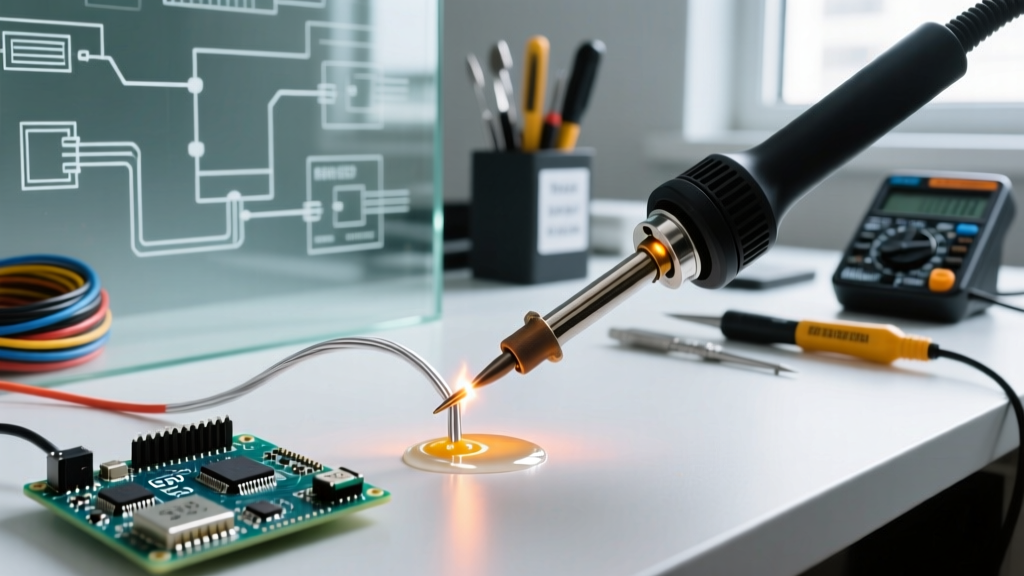
When building a custom station, your choice of solder alloy dictates your thermal requirements. If you are using lead-free SAC305 (Tin-Silver-Copper), you need a station that can sustain 350°C to 360°C without tip oxidation. The Hakko FX-951 and Weller WE1010NA excel here because their 70W transformers provide massive thermal mass to push through large ground planes.
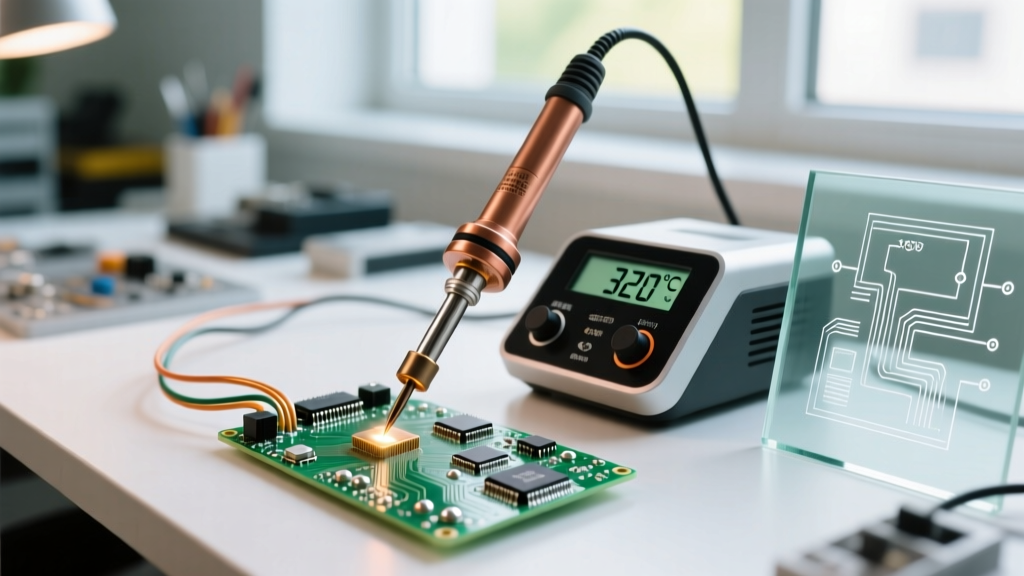
Conversely, if you are using traditional 63/37 Tin-Lead solder for vintage electronics repair or cosplay wiring, a lower temperature of 300°C to 320°C is ideal. The Pinecil V2 allows you to set precise temperature curves via its OLED screen, making it perfect for delicate vintage work where excessive heat could lift fragile copper pads.
Final Verdict: What Should You Buy?
While the "Christopher Walken soldering iron" remains an elusive internet myth and a niche custom prop trend, the reality of the 2026 soldering market is far more exciting. You no longer need to settle for boring, generic tools.
- For the Prop Maker & Hacker: Buy the Pinecil V2. It is cheap, powerful, and serves as the ultimate base for your custom 3D-printed, movie-themed handles.
- For the Professional Technician: Invest in the Weller WE1010NA. It offers zero-nonsense, IPC-compliant reliability that will outlast any custom gimmick.
- For the Aerospace & SMD Specialist: The Hakko FX-951 provides the thermal recovery and active-tip precision required for mission-critical micro-soldering.
Embrace the maker spirit by customizing your workspace, your stands, and your DC-powered iron sleeves, but always respect the thermal and electrical boundaries of high-temperature tools.