
The True Cost of Tip Maintenance: Budget vs Premium Analysis
When it comes to cleaning a soldering iron tip, the electronics workbench is often divided into two camps: those who rely on cheap, traditional methods and those who invest in premium tip-care ecosystems. While a $5 brass sponge might seem sufficient for weekend DIY projects, professional environments demand rigorous tip maintenance to prevent catastrophic failure modes like iron plating erosion and copper core dissolution. In this comprehensive 2026 analysis, we break down the metallurgical realities of tip degradation and evaluate budget versus premium cleaning methodologies to help you maximize the lifespan of your soldering equipment.
The Metallurgy of Tip Degradation
To understand why cleaning methods matter, you must first understand tip construction. Modern soldering tips (such as the Hakko T18 series or Weller RT micro-tips) are not solid copper. They feature a copper core for rapid thermal transfer, electroplated with a layer of iron just 100 to 150 microns thick, followed by a chromium/nickel barrier, and finally a factory tinning layer.
Expert Insight: According to Hakko's official metallurgical guidelines, the iron plating is the only thing preventing the molten solder from dissolving the copper core. Once this microscopic barrier is breached through abrasive cleaning or thermal shock, the tip will hollow out from the inside and fail within hours of use.
The primary enemy of this iron plating is oxidation. When a tip exceeds 350°C (662°F) in an oxygen-rich environment, iron oxide forms rapidly. If this oxide layer is not removed properly, heat transfer plummets, leading operators to dangerously crank up the station temperature, which accelerates further oxidation in a destructive feedback loop.
Budget Tier Analysis (Under $15)
Budget methods rely on mechanical abrasion and basic chemistry. While cost-effective, they carry hidden risks if executed improperly.
1. The Damp Cellulose Sponge
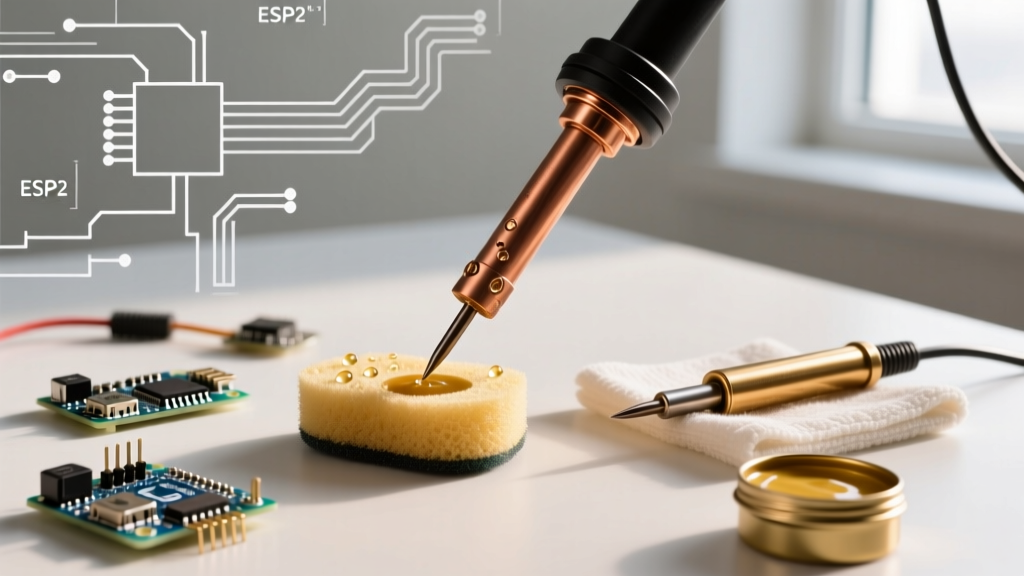
The classic yellow-and-brown cellulose sponge included with almost every entry-level station (like the $40 YIHUA 926) is the most ubiquitous cleaning tool in the world. However, it is also the most misunderstood.
- The Mechanism: Steam generation and mild thermal shock fracture the oxidized layer, allowing the solder to wipe away.
- The Failure Mode: A soaking wet sponge can drop a 350°C tip to 230°C in under 400 milliseconds. This severe thermal shock causes micro-fractures in the iron plating. Furthermore, using tap water introduces calcium and magnesium minerals that bake onto the tip, creating insulating pits.
- Best Practice: If you must use a sponge, use only distilled water and wring it out until it is merely damp to the touch. Never let water pool in the sponge holder.
2. Brass Wire Sponge (Phosphor Bronze Coils)
Retailing between $4 and $8, brass wire coils (often sold as generic alternatives to the Hakko 599B) are a massive upgrade over wet sponges. They clean via mechanical scraping without inducing thermal shock.
- The Mechanism: The soft brass wires scrape away iron oxide without being hard enough to gouge the iron plating.
- The Failure Mode: Cheap, unregulated imports often use hardened steel wire mislabeled as brass. Steel will instantly destroy a tip's iron plating. Additionally, plunging the tip straight down into the coil can bend delicate micro-tips (like the Weller RT1).
- Best Practice: Always use a lateral "figure-eight" wiping motion rather than a vertical plunge. Verify your coil is non-magnetic to ensure it is genuine brass or phosphor bronze.
3. Budget Flux Paste (e.g., MG Chemicals 8341)
At roughly $12 per jar, No-Clean or Rosin flux pastes act as mild chemical cleaners. Dipping an oxidized tip into flux paste and wiping it on a brass sponge leverages the flux's activators to dissolve oxidation chemically rather than mechanically.
Premium Tier Analysis ($20 to $500+)
Premium cleaning solutions prioritize tip longevity, thermal stability, and automated consistency, aligning with strict IPC J-STD-001 workmanship standards required in aerospace and medical device manufacturing.
1. Chemical Tip Tinners / Refreshers (Hakko 599B / Weller WTCPT)
Costing between $18 and $25, tip tinners are a mixture of solder powder and mild acidic activators (often phosphoric acid-based) suspended in a solid matrix.
- The Mechanism: When you plunge an oxidized tip into the tinner, the heat activates the acid, stripping the iron oxide. Simultaneously, the embedded solder powder melts and instantly re-tins the bare iron, preventing flash-oxidation.
- The Advantage: Zero thermal shock and simultaneous chemical cleaning and re-tinning. It is the single most effective manual method for reviving mildly oxidized tips.
- The Caveat: Overuse will etch the iron plating due to the acidic activators. It should be used as a rescue or end-of-shift treatment, not a primary wipe between every single joint.
2. Dry Iron Cleaners (Weller WDC2)
Retailing around $65, the Weller WDC2 utilizes a specialized, highly porous ceramic and metal-fiber cartridge.
- The Mechanism: It absorbs excess solder and oxidized flux residue through capillary action and micro-abrasion without any liquid, chemical, or thermal shock.
- The Advantage: Eliminates the mess of flux splatter and the corrosion risks associated with acidic tinners. Ideal for cleanroom environments where flux fumes and particulates are strictly controlled.
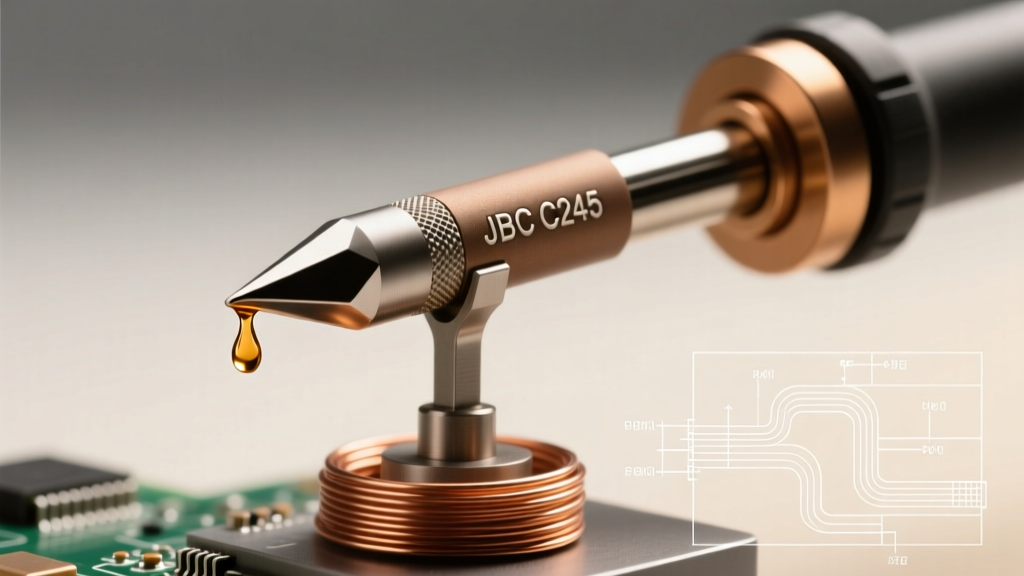
3. Automated Tip Cleaners (JBC STA)
In high-volume production environments, human inconsistency is a liability. The JBC STA Automated Tip Cleaner retails for approximately $495 in 2026 and represents the pinnacle of tip maintenance.
- The Mechanism: The operator places the handpiece in the cradle, and a motorized, specialized phosphor-bronze brush rotates to clean the tip, while a built-in vacuum extracts toxic flux fumes and solder particulates.
- The Advantage: Programmed cleaning cycles ensure every tip is cleaned with the exact same pressure and duration, extending tip life by up to 300% compared to manual wiping in high-throughput SMT rework stations.
Comparative Matrix: Budget vs Premium Cleaning Methods
| Method | Tier | Est. Cost (2026) | Thermal Shock Risk | Oxidation Removal | Best Use Case |
|---|---|---|---|---|---|
| Damp Cellulose Sponge | Budget | $2 - $5 | High (if wet) | Moderate | Basic hobbyist, leaded solder |
| Brass Wire Coil | Budget | $4 - $8 | None | Good | Daily manual wiping, all alloys |
| No-Clean Flux Paste | Budget | $10 - $15 | None | Good (Chemical) | Spot treatment, heavy flux residue |
| Tip Tinner (Hakko 599B) | Premium | $18 - $25 | None | Excellent | Tip revival, end-of-shift tinning |
| Dry Cleaner (Weller WDC2) | Premium | $65 | None | Very Good | Cleanrooms, sensitive SMD rework |
| Automated (JBC STA) | Premium | $495+ | None | Excellent | High-volume production, aerospace |
The ElectricalFlux Hybrid Protocol (Step-by-Step)
Relying exclusively on one method is rarely optimal. Based on current metallurgical data and professional rework standards, we recommend a hybrid approach that balances cost-efficiency with maximum tip longevity.
- During Active Soldering (The Primary Wipe): Use a high-quality, verified brass wire coil. Employ a gentle lateral figure-eight motion to remove excess solder and charred flux. This causes zero thermal shock and preserves the iron plating.
- For Stubborn Flux Buildup (The Chemical Assist): If rosin or no-clean flux bakes onto the tip shaft, do not scrape it. Apply a small amount of premium liquid flux (like Amtech NC-559-V2-TF) to the tip, let it bubble for two seconds to dissolve the carbon, and wipe on the brass coil.
- End-of-Shift Preservation (The Premium Seal): Never leave a tip bare. Before powering down your station, plunge the tip into a Tip Tinner (Hakko 599B) for exactly 2 seconds. This coats the iron plating in a thick layer of sacrificial solder, preventing oxygen from reaching the iron while the tool cools down.
- Emergency Revival (The Last Resort): If a tip turns completely black and refuses to wet out, use a specialized tip polishing bar (like the Edsyn TP-100) gently, followed immediately by a tip tinner. Never use sandpaper, files, or Dremel tools, as these will instantly strip the 150-micron iron plating and ruin the tip permanently.
Final Verdict: Where Should You Invest?
When evaluating the economics of cleaning a soldering iron tip, the math heavily favors premium chemical and dry cleaners over the long term. A genuine Hakko T18-B tip costs around $10. If a damp sponge and aggressive scraping reduce its lifespan to 20 hours of use, your operational cost is high. By investing $20 in a Hakko 599B Tip Tinner and a $6 verified brass coil, you can easily extend that same tip's lifespan to over 150 hours. For hobbyists, the brass coil is mandatory; for professionals, the tip tinner is non-negotiable. Reserve your budget for high-quality solder wire and flux, and spend the premium dollars on the tools that protect your iron's microscopic plating.
For further reading on professional soldering standards and tip preservation, consult the Weller Tools Knowledge Base on advanced tip care diagnostics.