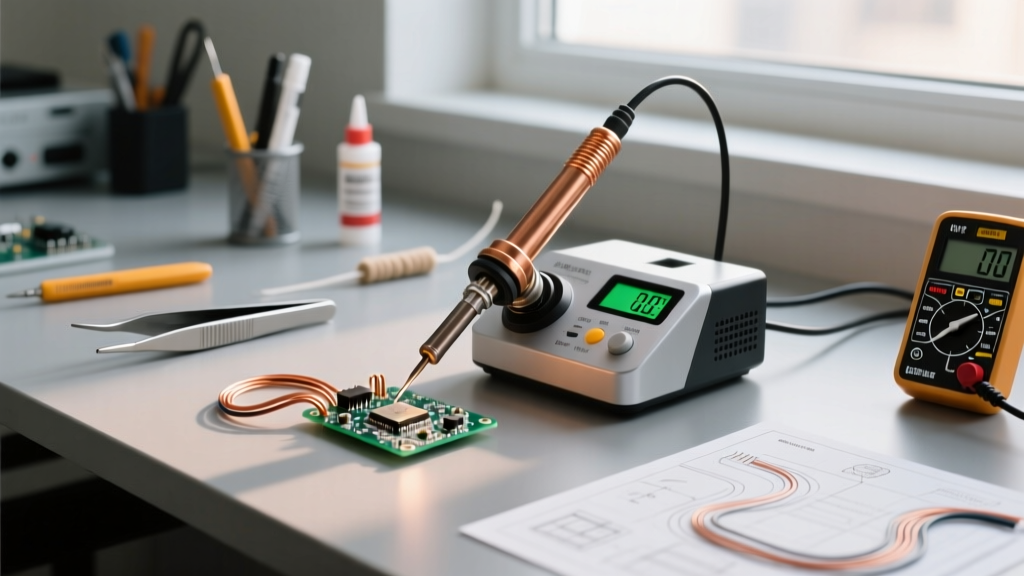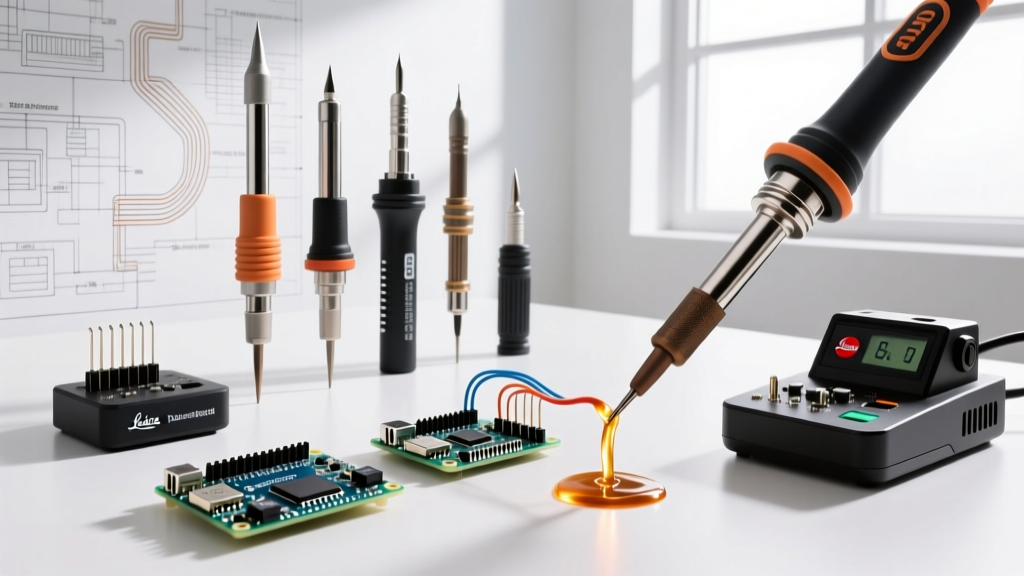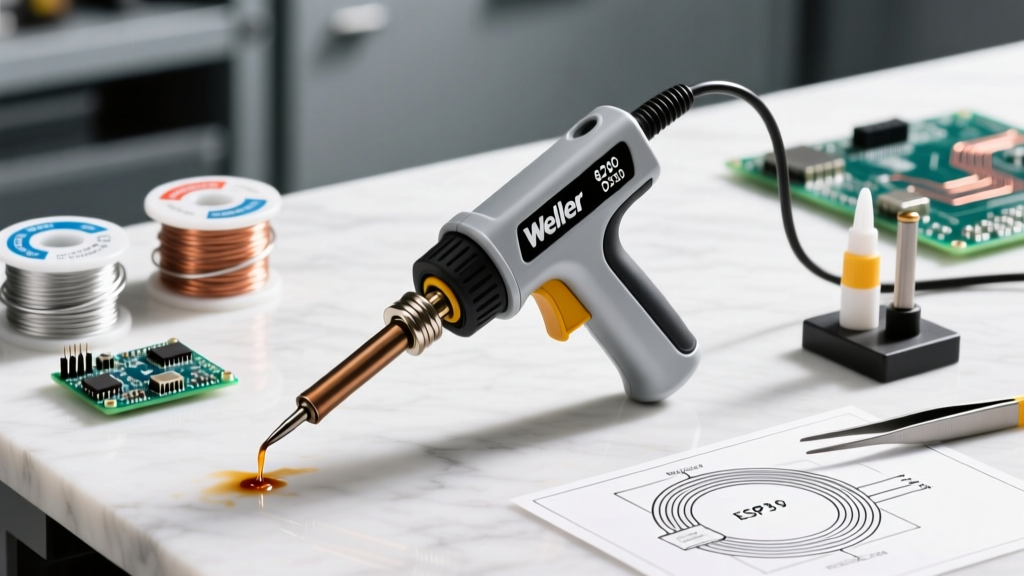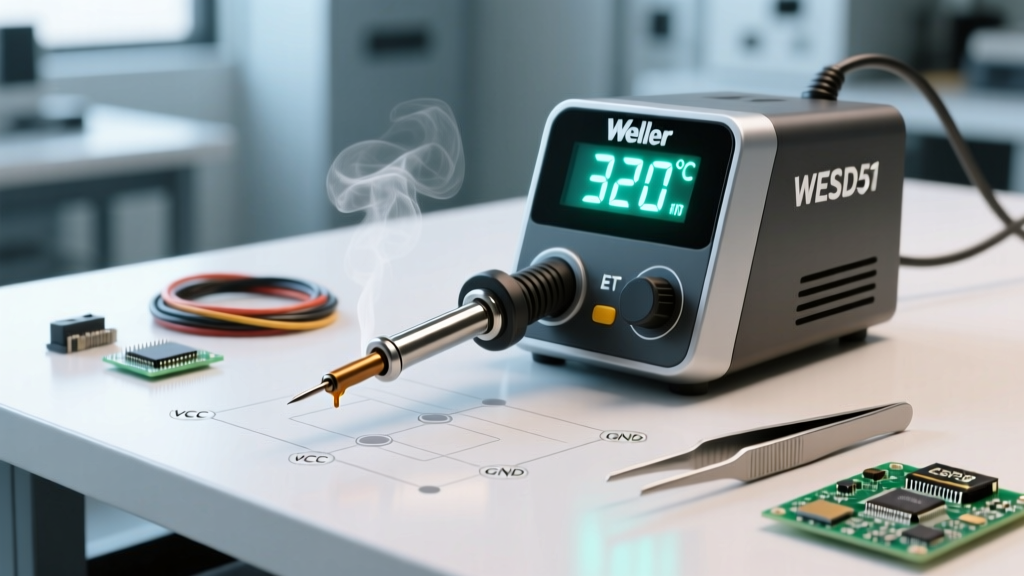

The Allure of the Hardware Store Soldering Iron
Walk into any home improvement store, and you will inevitably find a Bernzomatic soldering iron sitting in the plumbing or craft aisle. Priced between $20 and $35, these tools are ubiquitous, rugged, and instantly available. But for electronics hobbyists, drone builders, and microcontroller enthusiasts in 2026, the question remains: can a budget hardware store iron actually compete with premium, temperature-controlled soldering stations?
The short answer is nuanced. Bernzomatic tools excel at high-thermal-mass tasks like stained glass, heavy-gauge automotive wiring, and field repairs. However, when applied to delicate printed circuit boards (PCBs) and surface-mount devices (SMD), they can cause catastrophic damage. In this comprehensive budget vs. premium analysis, we break down the exact failure modes, thermal recovery metrics, and use-case boundaries of Bernzomatic irons compared to premium alternatives like the Hakko FX-888D and smart-budget disruptors like the Pinecil V2.
Specification Matrix: Budget Brutes vs. Precision Instruments
Before diving into real-world performance, let us look at the raw specifications. Note that "wattage" alone is a misleading metric; thermal recovery and sensor feedback loops are what actually dictate soldering performance.
| Feature | Bernzomatic ST2200T (Butane) | Bernzomatic ST2200 (150W Corded) | Hakko FX-888D (Premium) | Pinecil V2 (Smart Budget) |
|---|---|---|---|---|
| Approx. Price (2026) | $28.00 | $22.00 | $115.00 | $26.00 (+ PSU) |
| Temperature Control | Manual (Gas Valve) | None (Fixed Wattage) | PID Digital Controller | PID RISC-V Controller |
| Idle Tip Temp | ~800°F (426°C) | ~850°F+ (454°C+) | User Set (e.g., 600°F) | User Set (e.g., 320°C) |
| Thermal Recovery | Slow (Catalytic Mesh) | Very Slow (45+ seconds) | Fast (< 5 seconds) | Ultra-Fast (< 3 seconds) |
| Best Application | Field Repair, Automotive | Stained Glass, 10 AWG Wire | PCB, SMD, Prototyping | PCB, SMD, Portability |
| PCB Pad Safety | High Risk | Extreme Risk | Very Safe | Very Safe |
Deep Dive: Bernzomatic ST2200T Butane Cordless Iron
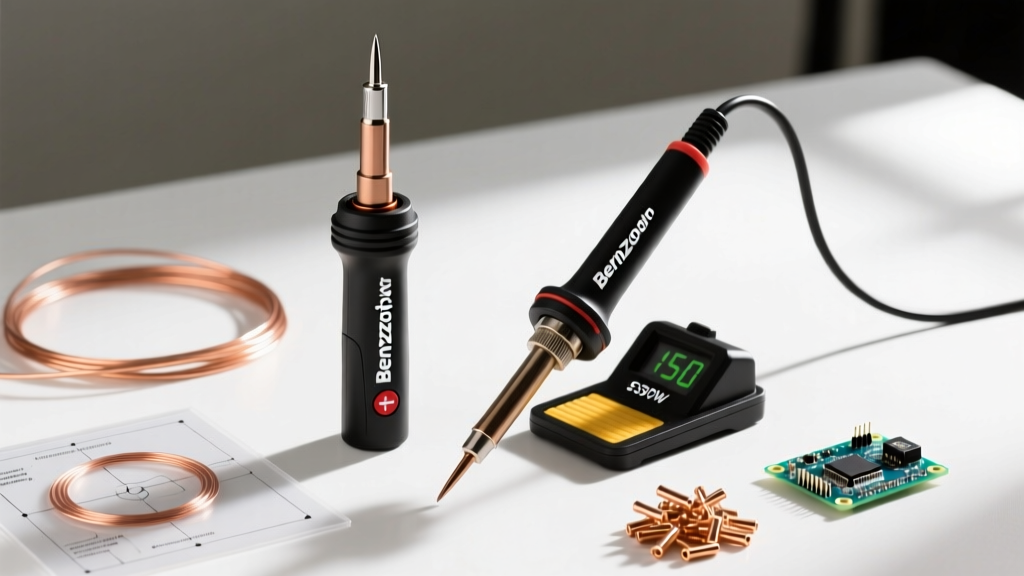
The ST2200T is a staple for HVAC technicians and automotive electricians who need to solder thick wires in tight spaces without access to AC power. It uses a catalytic heating element rather than a direct flame, meaning the butane gas passes through a platinum mesh that oxidizes the fuel to generate heat.
The Edge Cases and Failure Modes
- Cold Weather Ignition: Butane fails to vaporize effectively below 31°F (-0.5°C). If you are repairing a vehicle harness in a freezing garage, the ST2200T will struggle to ignite and maintain thermal equilibrium.
- Catalytic Mesh Burnout: Using low-grade butane with oil impurities will rapidly clog the platinum mesh. Furthermore, if the iron is dropped while hot, the fragile ceramic catalytic element will shatter, rendering the tool useless.
- O-Ring Degradation: The internal fuel valve relies on cheap rubber O-rings that dry out and leak after 18 to 24 months of heavy use, creating a severe safety hazard.
Deep Dive: The 150W Corded Brute (ST2200 Series)
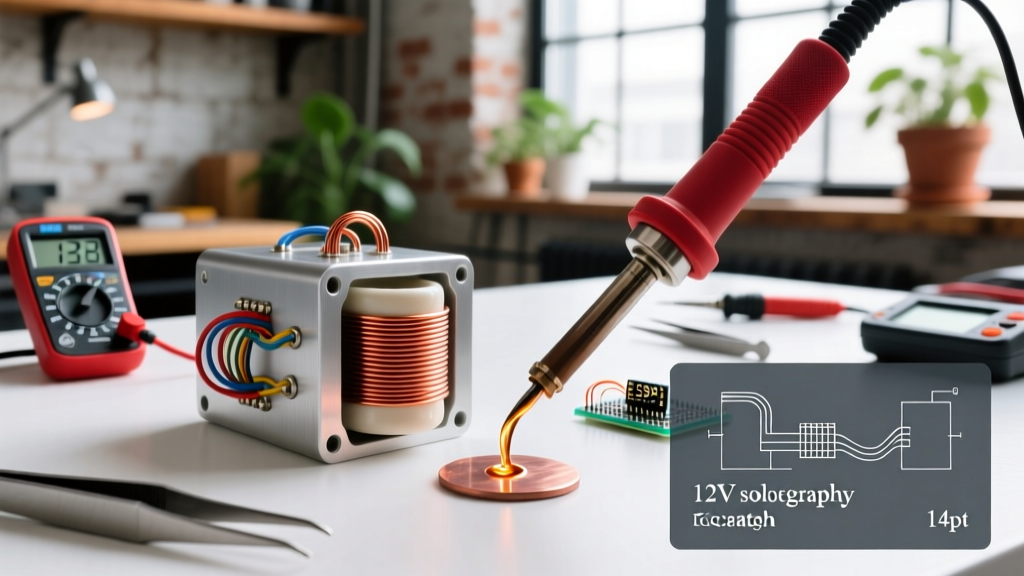
On paper, a 150-watt soldering iron sounds like a powerhouse. In reality, unregulated high wattage is a liability for modern electronics. The Bernzomatic 150W corded irons lack a thermocouple feedback loop. The heating element simply pumps raw energy into the copper tip continuously.
Why It Destroys PCBs
When idle on a stand, an unregulated 150W iron will easily exceed 850°F (454°C). At this temperature, rosin-based flux vaporizes instantly upon contact, leaving behind a black, oxidized crust on the tip that refuses to wet with solder. More importantly, when applied to a printed circuit board, this massive thermal shock will cause FR4 fiberglass delamination and lift the copper pads right off the board. According to the IPC J-STD-001 standards for soldered electrical assemblies, excessive dwell times and uncontrolled thermal profiles lead to brittle intermetallic joints and compromised board integrity.
Expert Insight: Never use a fixed-wattage 100W+ hardware store iron on copper-clad prototyping boards or PCBs. Reserve it strictly for soldering heavy 10 AWG silicone wires to XT90 battery connectors or for copper-foil stained glass work where the massive thermal mass requires brute force to reach flow temperatures.
The Premium Advantage: Where Hakko and Pinecil Win
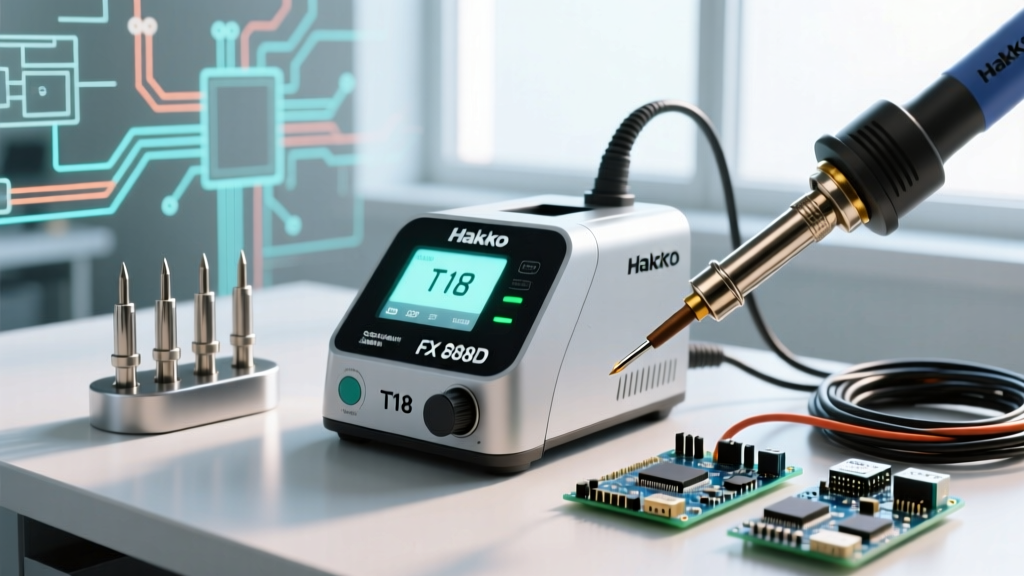
Premium stations like the Hakko FX-888D or the open-source Pinecil V2 utilize PID (Proportional-Integral-Derivative) controllers. A thermocouple situated millimeters from the tip reads the temperature drop the exact moment solder and a cold wire absorb the heat. The controller then spikes the power for a fraction of a second to recover the heat, then cuts it to prevent overshoot.
Real-World Thermal Recovery Test
When soldering a 14 AWG wire to a large ground plane on a drone flight controller:
- Bernzomatic 150W: The tip temperature plummets upon contact. It takes 12 seconds of holding the iron against the joint to melt the solder. This prolonged dwell time melts the plastic connector housing and risks damaging nearby SMD capacitors via thermal transfer.
- Hakko FX-888D: The PID sensor detects the 40°C drop instantly. The station dumps 70 watts into the ceramic heater for 1.5 seconds. The solder flows cleanly in under 3 seconds, preserving the component and the pad. You can verify these thermal recovery metrics via Hakko America's official station specifications.
Step-by-Step: Maintaining the Bernzomatic ST2200T
If your application demands the cordless convenience of the Bernzomatic butane iron, proper maintenance is non-negotiable to prevent tip oxidation and mesh failure.
- Purge the Tank: Before refilling, use a small flathead screwdriver to depress the fill valve. This releases trapped air pockets that cause uneven gas flow and flame sputtering.
- Use 5x Refined Butane: Standard hardware store butane contains oils and heavy hydrocarbons. These will carbonize on the catalytic mesh. Always use 5x or 11x refined butane designed for premium lighters.
- Wait 3 Minutes Post-Fill: The liquid butane must reach ambient temperature and vaporize. Attempting to ignite immediately after filling will result in a weak, low-temperature flame.
- Pre-Tin Immediately: The moment the catalytic mesh glows and the tip reaches operating temperature, apply a generous coat of 63/37 leaded solder (or SAC305 lead-free). This sacrificial layer prevents the iron plating from oxidizing in the ambient air.
Safety, Fumes, and Workspace Ventilation
Whether you are using a $25 Bernzomatic or a $250 JBC station, soldering generates hazardous particulate matter and volatile organic compounds (VOCs). The rosin and synthetic resins in flux cores produce colophony fumes, which are known respiratory sensitizers.
According to the MIT Environment, Health & Safety (EHS) Soldering Guidelines, local exhaust ventilation (LEV) is mandatory for prolonged soldering sessions. A simple desk fan blowing fumes across your face is entirely insufficient and dangerous. For 2026 DIY setups, invest in a dedicated HEPA and activated carbon fume extractor (such as the Hakko FA-400 or a DIY blower with an FFP3 filter) positioned no more than 6 inches from the solder joint.
The Final Verdict: Which Should You Buy?
The decision ultimately comes down to your specific workloads and material constraints.
Buy the Bernzomatic Soldering Iron If:
- You are soldering heavy-gauge automotive wiring, RC battery connectors (XT60/XT90), or marine electrical connections.
- You work in stained glass crafting using copper foil tape.
- You need a cordless, pocketable tool for field repairs on HVAC units or agricultural equipment where AC power is unavailable.
Buy a Premium / Smart PID Station If:
- You are building or repairing printed circuit boards (PCBs), Arduinos, or ESP32 microcontrollers.
- You work with surface-mount components (SMD) as small as 0603 or 0402 packages.
- You require precise thermal profiles to avoid lifting FR4 pads or melting delicate plastic JST connectors.
In the modern electronics landscape, the Bernzomatic soldering iron remains a legendary, indestructible tool for brute-force thermal tasks. However, for precision electronics, the lack of PID temperature control makes it a relic best left to the plumbing and stained glass aisles. Match the tool to the thermal mass of your joint, and your 2026 projects will yield professional, reliable results.