
The Antex Legacy: Why UK Workbenches Trust the Brand
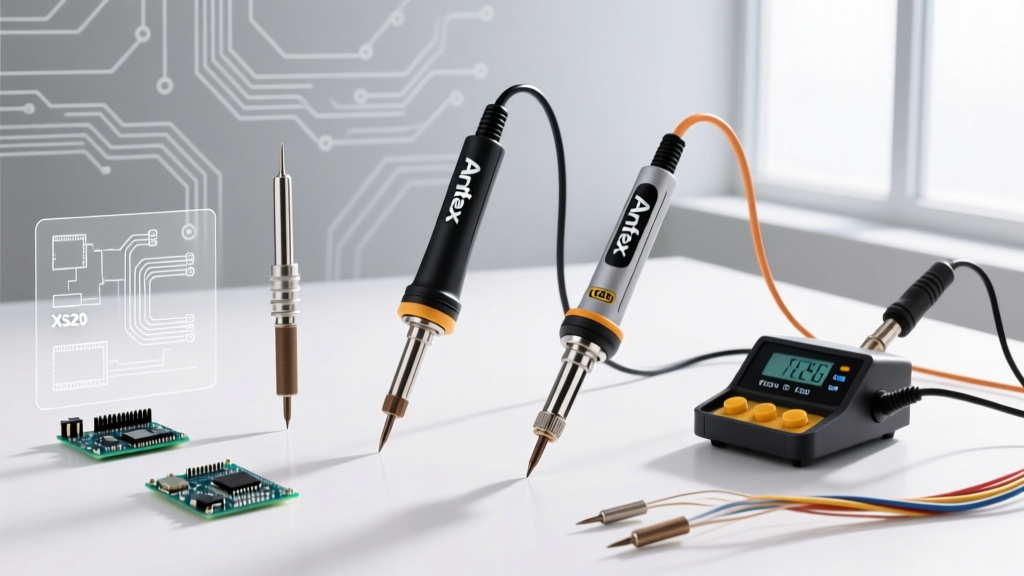
Since 1973, Antex has been a cornerstone of British electronics manufacturing, plumbing, and hobbyist workbenches. Unlike generic imported clones that flood the market, Antex designs and manufactures its core heating elements in Devon, UK. For professionals and serious DIYers navigating the Antex soldering irons UK market in 2026, the brand represents a unique intersection of heritage reliability, 240V native engineering, and strict adherence to UK safety standards. Whether you are assembling through-hole kits, reworking dense SMD PCBs, or sweating copper pipes, choosing the right Antex model requires understanding their distinct heating technologies.
In this comprehensive buyer's guide, we dissect the technical specifications, real-world thermal recovery times, and metallurgy of the current Antex lineup. We will also cover critical UK-specific compliance issues, including COSHH regulations regarding rosin flux and RoHS alloy requirements.
Core Lineup Reviewed: From Hobbyist to Industrial
1. Antex XS25: The Budget Hobbyist Staple
The Antex XS25 is arguably the most recognizable soldering iron in UK schools and hobbyist sheds. Rated at 25W (240V), it utilizes a traditional mica-wound heating element encased in a stainless steel sheath. Priced around £28 to £32 in 2026, it is an entry-level workhorse for basic through-hole components, wire tinning, and simple DIY electrical repairs.
- Heat-Up Time: 3 to 4 minutes to reach a working temperature of ~380°C.
- Thermal Recovery: Slow. Expect a 45-second recovery between heavy joints.
- Tip Compatibility: Fixed Type 100 series bits (usually supplied with a 1.5mm chisel).
- Failure Mode: The mica element degrades if left on dry without solder on the tip. Rapid oxidation will pit the iron-clad copper core within weeks if not maintained.
Expert Verdict: Buy the XS25 only for occasional weekend repairs or educational environments. It lacks the thermal mass and rapid recovery required for modern multi-layer PCBs with heavy ground planes.
2. Antex X240: The PCB Professional's Secret Weapon
The Antex X240 is an engineering marvel that solves the inherent flaws of 240V irons without requiring a bulky base station. On paper, it is a 12W to 25W iron. In reality, it utilizes a specialized ceramic element that draws a massive 150W thermal surge upon startup. This allows the iron to reach 300°C in just 30 seconds. Once at temperature, an internal thermal limiter drops the draw to a holding wattage, preventing tip oxidation while maintaining enough thermal mass to solder heavy gauge wires.
- Heat-Up Time: 30 seconds (surge technology).
- Thermal Recovery: Excellent for a mains-powered iron; handles 14AWG wires and dense ground planes with minimal cold-joint risk.
- Price Range: £48 to £55.
- Best Application: Field service engineers, drone repair, and automotive electronics where a bulky station is impractical.
3. Antex TC50 & 660TC: Precision Temperature Control
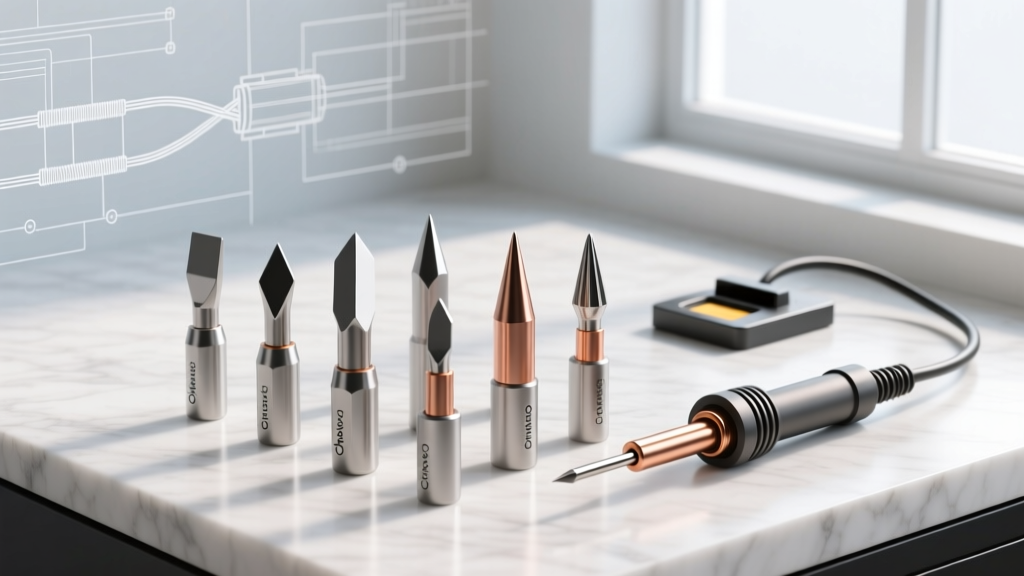
For SMD rework, micro-soldering, and RoHS-compliant lead-free assemblies, closed-loop temperature control is non-negotiable. The Antex TC50 (£85 - £95) offers an analog dial with a 50W ceramic heater and a built-in thermocouple. It uses the interchangeable Type 110 tip series, allowing you to swap from a 0.5mm conical to a 4.5mm bevel in seconds without tools.
For laboratory and production environments, the Antex 660TC Digital Station (£195 - £220) provides ESD-safe operation, digital readouts accurate to ±2°C, and a 50W to 500°C range. The 660TC's handle is lightweight and silicone-gripped, reducing fatigue during 8-hour shifts.
Technical Comparison Matrix (2026 UK Lineup)
| Model | Wattage / Surge | Element Type | Heat-Up Time | Tip Series | Est. UK Price |
|---|---|---|---|---|---|
| XS25 | 25W (Constant) | Mica Wound | 3 - 4 mins | Type 100 (Fixed) | £30 |
| X240 | 12W / 150W Surge | Ceramic | 30 seconds | Type 100 (Fixed) | £52 |
| TC50 | 50W (Controlled) | Ceramic | 90 seconds | Type 110 (Interchangeable) | £90 |
| 660TC | 50W (Digital Station) | Ceramic | 45 seconds | Type 110 (Interchangeable) | £210 |
Tip Metallurgy and Maintenance: Avoiding Thermal Shock
A common failure point across all soldering iron brands is improper tip maintenance. Antex Type 110 tips feature a high-conductivity copper core plated with a layer of pure iron to resist solder dissolution, followed by a chromium layer to prevent solder creep up the shaft.
The Wet Sponge Fallacy
Many UK hobbyists still use wet cellulose sponges to clean their tips. When a 350°C tip touches a wet sponge, the rapid temperature drop causes micro-fractures in the iron plating. Once the plating cracks, molten solder dissolves the copper core, destroying the tip.
Actionable Advice: Discard the wet sponge. Use brass wire wool (often sold as tip cleaners) for mechanical cleaning. Brass is softer than the iron plating, removing oxidized flux and burnt rosin without causing thermal shock or scratching the protective layer. Always leave a thick blob of fresh solder on the tip before powering down to act as a sacrificial oxidation barrier.
RoHS vs. Leaded Alloys in the UK
If you are manufacturing commercial electronics for the UK or EU market, you must comply with RoHS regulations, which restrict the use of lead. According to the GOV.UK RoHS guidance, commercial assemblies must utilize lead-free alloys like SAC305 (Sn96.5 / Ag3.0 / Cu0.5). SAC305 requires higher tip temperatures (340°C - 360°C) and is highly aggressive to iron plating. If you are soldering exclusively with SAC305, expect to replace your Antex Type 110 tips 30% more frequently than when using traditional Sn60Pb40 (60/40) leaded hobbyist solder.
Health, Safety, and COSHH Compliance
Soldering is not just a technical skill; it is a regulated activity in UK commercial environments. The primary hazard is not the lead in the solder (which does not vaporize at soldering temperatures), but the colophony (rosin) flux used in the flux core of the wire. When heated, rosin flux vaporizes into sub-micron particulates that are a known respiratory sensitizer and a leading cause of occupational asthma.
Under the UK's Control of Substances Hazardous to Health (COSHH) regulations, employers must provide adequate extraction. The Health and Safety Executive (HSE) guidelines on rosin flux mandate that local exhaust ventilation (LEV) or high-quality benchtop fume extractors equipped with HEPA and activated carbon filters must be used. A simple desk fan blowing smoke across the room is a direct COSHH violation and a severe health risk.
For professional benches using the Antex 660TC, pair the station with a BOFA or Weller fume extraction unit. For hobbyists using the X240 at home, ensure cross-ventilation and consider a desktop carbon-filter extractor to minimize long-term respiratory sensitization.
Final Verdict: Which Antex Iron Fits Your Bench?
The Antex soldering irons UK market offers a highly specialized tool for every tier of user. If you are a student or occasional DIYer fixing guitar pedals and household wiring, the XS25 remains a cheap, reliable entry point. However, for 90% of modern electronics enthusiasts, field technicians, and drone builders, the X240 is the undisputed champion—its 150W surge technology delivers station-like performance in a pocketable, 240V native form factor. Finally, for production SMD rework, micro-soldering, and strict thermal profiling required by IPC J-STD-001 soldering standards, invest in the TC50 or the ESD-safe 660TC digital station. Match the tool to your thermal requirements, maintain your tips with brass wool, and your Antex gear will easily last a decade of daily abuse.