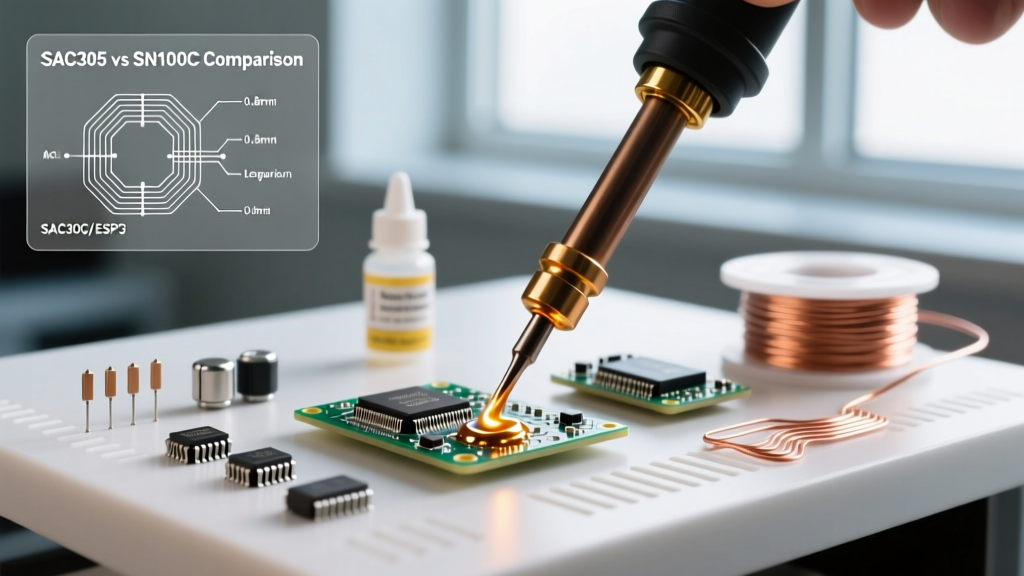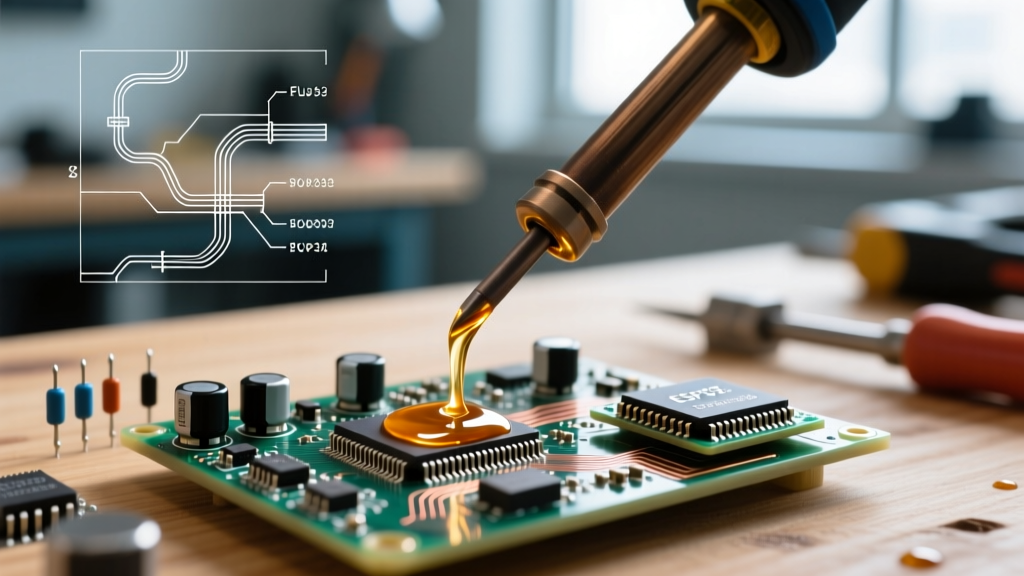

The Core Chemistry: Why Flux Is Important in the Soldering Process
Understanding exactly why flux is important in the soldering process is the dividing line between a reliable, aerospace-grade electrical connection and a catastrophic field failure. At its core, soldering is not just about melting metal; it is a complex metallurgical and chemical reaction. When copper pads and component leads are exposed to ambient air, they rapidly form a layer of copper oxide (CuO and Cu2O). Liquid solder cannot wet or bond to oxidized surfaces. If you attempt to solder without flux, the molten alloy will simply bead up and roll off the pad, resulting in a high-resistance, mechanically weak connection.
Expert Definition: Flux serves a dual thermodynamic purpose. First, its chemical activators dissolve metallic oxides at elevated temperatures, exposing pristine base metal. Second, it lowers the surface tension of the molten solder, allowing capillary action to draw the alloy into plated through-holes (PTH) and under fine-pitch surface mount device (SMD) terminations.
The primary active ingredient in traditional rosin flux is abietic acid, derived from pine tree sap. When heated to its activation threshold (typically 150°C to 170°C), abietic acid undergoes a chemical reduction reaction with copper oxide, converting it into a soluble copper abietate salt that floats to the surface of the solder joint, leaving pure copper behind for the molten tin to alloy with.
IPC-J-STD-004B Classification & 2026 Product Recommendations
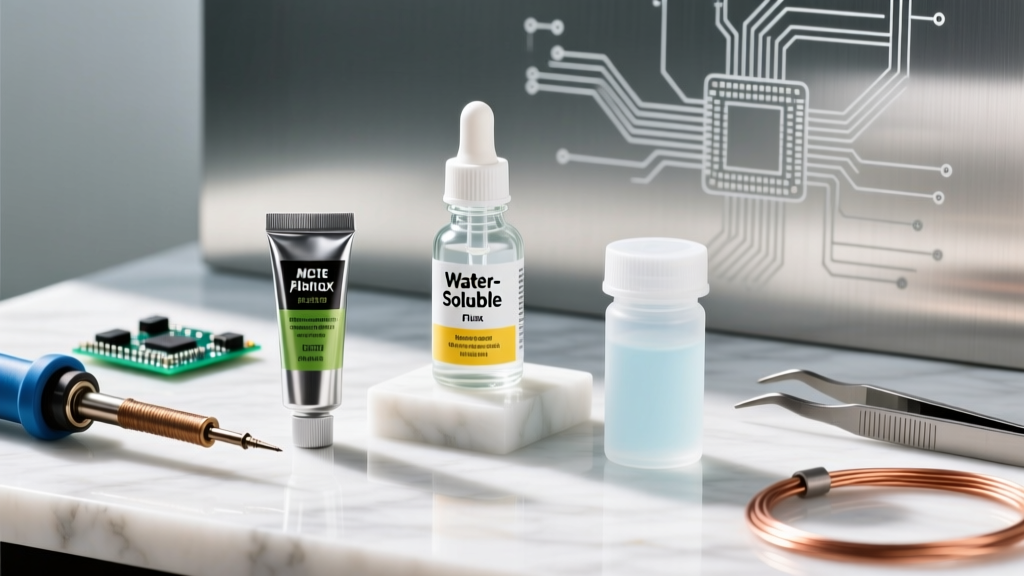
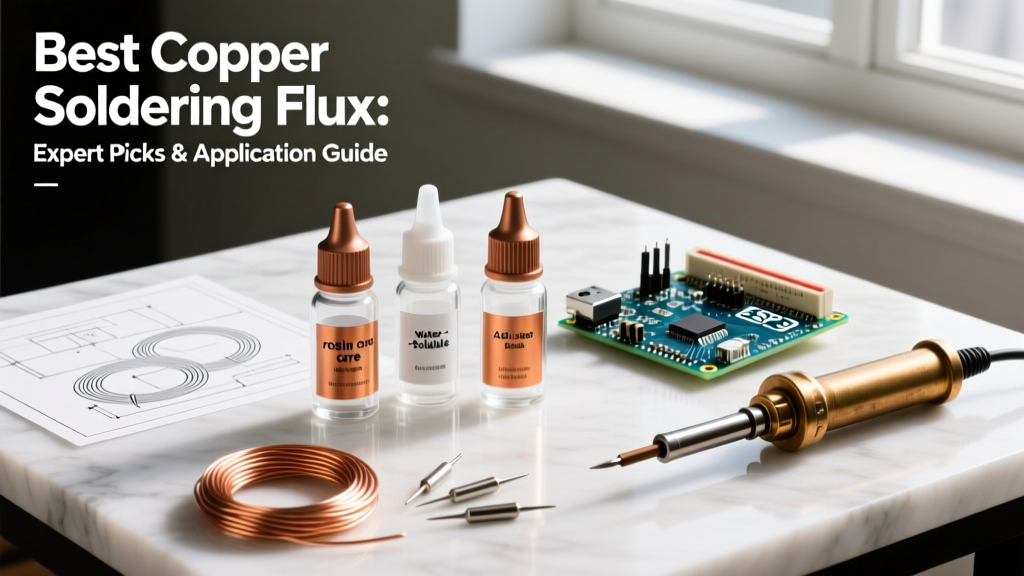
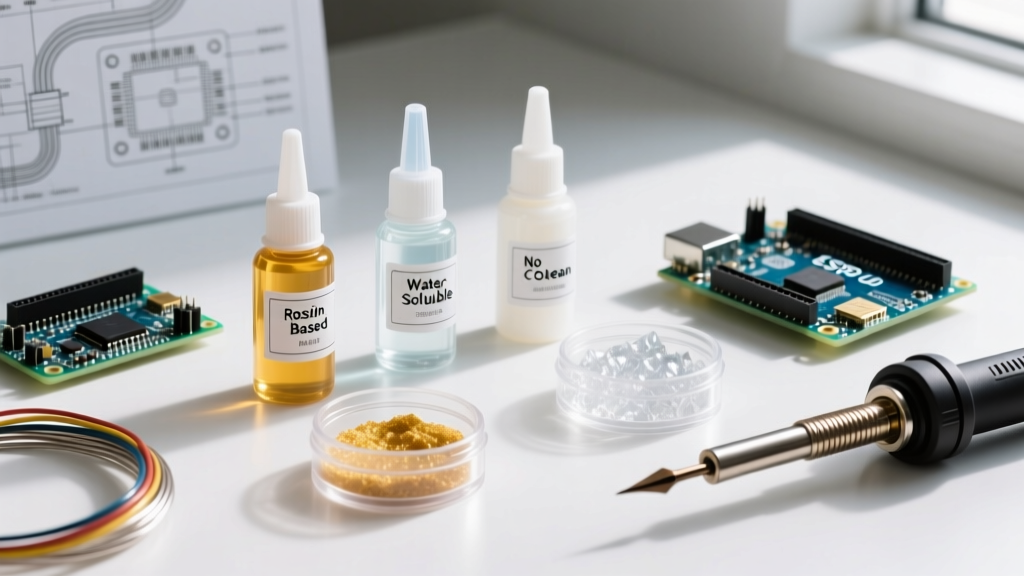
To select the right consumable, professionals rely on the IPC Standards framework, specifically IPC-J-STD-004B, which categorizes flux by chemical composition (Rosin, Organic, Inorganic, Resin) and activity level (Low, Medium, High). Below is an expert comparison matrix of the three dominant flux chemistries used in modern electronics manufacturing and high-end DIY rework.
| Flux Category | Chemistry & Activators | Activation Temp | Residue & Cleaning | 2026 Expert Product Pick & Avg. Cost |
|---|---|---|---|---|
| Rosin Mildly Activated (RMA) | Colophony rosin, halide activators | 150°C - 170°C | Non-corrosive, tacky. Optional cleaning with IPA or saponifier. | Kester 44 (100g wire spool) ~$14.50 |
| Water-Soluble (OA) | Organic acids (glutaric, succinic) | 120°C - 150°C | Highly corrosive if left. Mandatory DI water ultrasonic cleaning. | MG Chemicals 8350 (50ml pen) ~$22.00 |
| No-Clean (NC) | Synthetic resins, halogen-free weak acids | 160°C - 190°C | Minimal, hard, transparent residue. Designed to be left on the board. | Amtech NC-559-V2 (10g syringe) ~$48.00 |
Catastrophic Failure Modes: What Happens When Flux is Misapplied?
Knowing why flux is important in the soldering process also means understanding the specific failure modes that occur when flux is omitted, under-applied, or thermally mismanaged. According to guidelines outlined in the NASA-STD-8739.3 Soldering Manual, flux-related defects account for over 40% of reworkable PCB failures.
1. Tombstoning (Drawbridging) in SMD Components
When soldering 0402 or 0201 chip components, uneven flux activation or insufficient flux volume causes a surface tension differential between the two pads. If one pad reaches reflow temperature (217°C for SAC305) before the other, the wetting force on the active pad will literally pull the component upright, standing it on its end like a tombstone. Expert Fix: Use a Type 4 or Type 5 no-clean solder paste with high-tack flux viscosity, and ensure your reflow oven's preheat zone ramps at a strict 1°C to 2°C per second to activate the flux simultaneously across both pads.
2. Solder Balling and Spattering
If you apply a water-soluble or high-solvent liquid flux and immediately hit it with a 380°C soldering iron tip, the rapid vaporization of the solvent carrier causes microscopic explosions. This ejects tiny spheres of molten solder across the PCB. These solder balls can lodge under BGA packages or bridge fine-pitch QFP leads, causing latent short circuits. Expert Fix: Always allow liquid flux to dwell for 5 to 10 seconds to let volatile solvents flash off, or use a low-VOC, gel-based tacky flux like Chip Quik SMD291AX (~$18.00/10cc) for localized rework.
3. Electrochemical Migration (Dendrite Growth)
Using a high-activity, halide-rich flux (like plumbing paste or cheap Rosin-Activated variants) on high-impedance circuits without thorough cleaning leaves behind ionic residues. In the presence of ambient humidity and a DC bias voltage, these ions facilitate the growth of microscopic metallic dendrites between traces. This results in micro-shorts and leakage currents measured in the milliamp range, ultimately killing battery life or causing logic faults. For modern high-density interconnect (HDI) boards, halogen-free no-clean fluxes are mandatory to prevent ECM.
Optimizing Thermal Profiles for Flux Activation
Flux does not work at room temperature, and it burns off if overheated. Mastering the thermal profile is critical. Indium Corporation Technical Papers emphasize the 'soak zone' in reflow soldering as the most critical phase for flux efficiency.
- Preheat (Room Temp to 150°C): The solvent carriers evaporate. The flux begins to coat the copper surfaces, preventing new oxidation from forming as the temperature rises.
- Soak / Dwell (150°C to 190°C for 60-90 seconds): This is the chemical reaction window. The activators break down the existing copper oxide layer. If the soak time is too short, the oxides remain, leading to non-wetting. If the soak time is too long, the flux activators are entirely consumed before the solder melts, leading to re-oxidation.
- Reflow (217°C+ peak): The solder alloy liquefies. Because the flux has already cleaned the surface and reduced surface tension, the molten alloy instantly wets the pad and forms the intermetallic copper-tin (Cu6Sn5) layer.
Expert Application Techniques for Hand Soldering
For manual soldering using a soldering station (like the Hakko FX-951 or Weller WE1010), the technique of flux application dictates the joint quality.
- The 'Pre-Tin and Flow' Method: Apply a generous amount of extra rosin flux (using a flux pen or syringe) to the oxidized component lead before applying heat. Touch the iron tip to the lead, then feed solder wire. The flux will boil, clean the lead instantly, and the solder will snap onto the joint.
- Wick Desoldering: When removing components with copper desoldering braid (e.g., Solder Wick 2mm), never use dry braid. Saturate the braid in liquid no-clean flux first. The flux increases the thermal conductivity of the braid and provides the necessary chemistry to pull the old, oxidized solder up into the copper weave.
- Tip Maintenance: Excessive flux use, particularly water-soluble varieties, will rapidly corrode your iron's tip plating. Use a brass wire sponge to clean the tip every 3-4 joints, and immediately re-tin the tip with fresh 63/37 rosin-core solder to protect the iron plating from oxidative pitting.
Frequently Asked Questions (Expert FAQ)
Can I use plumbing flux for electronics?
Absolutely not. Plumbing fluxes (like Oatey No. 95) are highly acidic, inorganic zinc chloride pastes designed to eat through heavy pipe oxidation at 400°C+. If used on PCBs, they will instantly destroy copper traces, cause severe electrochemical migration, and ruin the board permanently. Always stick to IPC-J-STD-004 compliant electronics flux.
Why does my no-clean flux residue look white and crusty?
White residue usually indicates that the flux was subjected to excessive heat, causing the synthetic resins to scorch, or that moisture became trapped in the residue during the cooling phase. While cosmetic, it can sometimes interfere with automated optical inspection (AOI) or bed-of-nails testing. Lowering your iron tip temperature from 380°C to 320°C and using a broader chisel tip for better thermal transfer will prevent this scorching.
Is liquid flux better than flux-core solder wire?
They serve different purposes. Flux-core wire (typically containing 1% to 3% flux by weight) is sufficient for basic through-hole soldering. However, for SMD rework, drag-soldering fine-pitch ICs, or dealing with heavily oxidized legacy boards, external liquid or gel flux is mandatory. You cannot have too much external flux when drag soldering; it prevents bridging and ensures uniform wetting across all pins simultaneously.