
The Short Answer: What Is Rosin Used For in Soldering?
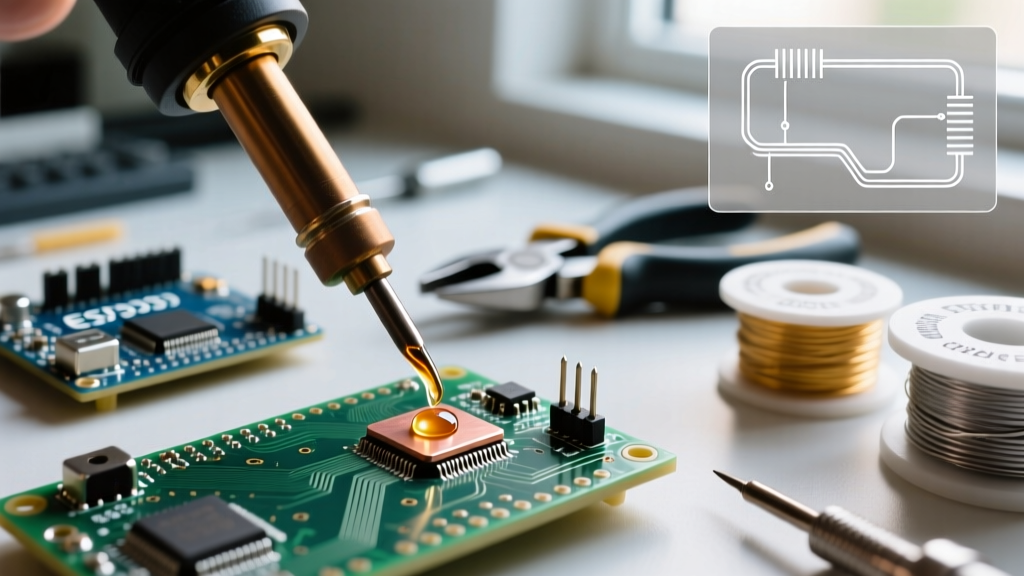
In electronics manufacturing and DIY repair, rosin (colophony) is used as the primary chemical cleaning agent and wetting promoter in soldering flux. When heated, rosin dissolves copper oxide layers on component leads and PCB pads, allowing molten solder to form a reliable metallurgical bond. Unlike highly corrosive acid fluxes used in plumbing, rosin is non-conductive and non-corrosive at room temperature, making it the undisputed standard for electrical and electronic assemblies.
However, simply knowing that 'rosin cleans metal' is not enough for high-reliability work. To achieve optimal solder joints, you must understand the thermal activation thresholds of rosin, the differences between R, RMA, and RA classifications, and exactly which commercial formulations to use for specific edge cases.
The Chemistry of Rosin: Why It Works
Rosin is a solid form of resin obtained from pine trees. Its primary active ingredient is abietic acid. At room temperature, abietic acid is completely inert, which is why rosin flux residues do not immediately eat away at copper traces like zinc chloride plumbing fluxes do.
The magic happens at elevated temperatures. Rosin begins to soften around 70°C and melts into a liquid between 170°C and 180°C. Once the temperature crosses the 200°C threshold, the abietic acid becomes highly reactive. It chemically reduces copper oxide (CuO) back to bare copper, while the molten rosin matrix forms a physical, oxygen-impermeable barrier over the joint. This prevents new oxidation from forming while the solder alloy cools and crystallizes.
IPC Classifications: R vs. RMA vs. RA
Under the IPC J-STD-004 standard, rosin fluxes are categorized by their activity level and halide content. Choosing the wrong activity level is a primary cause of long-term PCB failure.
| Legacy Code | IPC J-STD-004 | Activity Level | Cleaning Required? | Best Application |
|---|---|---|---|---|
| R (Pure Rosin) | ROL0 | Very Low | No | Sealed aerospace, medical implants, pristine new boards. |
| RMA (Rosin Mildly Activated) | ROL1 / ROM0 | Medium | Recommended | General commercial PCB assembly, standard rework. |
| RA (Rosin Activated) | ROM1 / ROH0 | High | Mandatory | Heavily oxidized boards, tarnished legacy components, dirty through-hole pads. |
Where You MUST Use Rosin Flux
Rosin-based fluxes are mandatory for any application where electrical conductivity and signal integrity are paramount. Specific use cases include:
- SMD Rework and Drag Soldering: Tacky rosin flux (like SMD291AX) holds fine-pitch components in place and prevents solder bridging on QFP and SOIC chips.
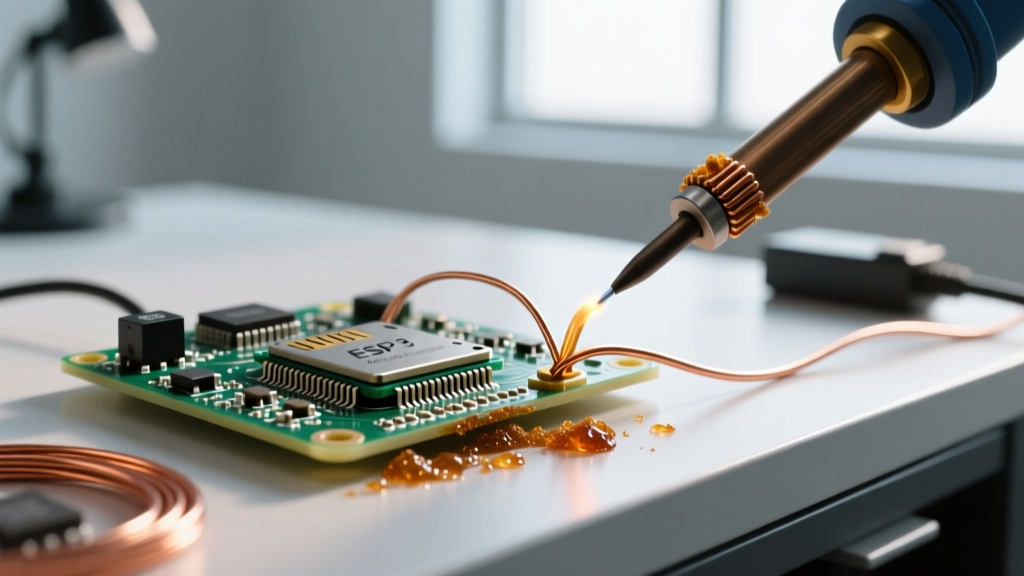
- Wire Tinning: Stranded copper wire oxidizes rapidly when heated. Rosin core solder ensures the strands bond together without the acidic corrosion that causes long-term wire fatigue.
- PCB Pad Salvage: When lifting a pad during rework, applying liquid RA flux helps the new solder adhere to the exposed, slightly oxidized copper layer.
Where Rosin Flux Will Ruin Your Project
Expert Warning: Never use rosin flux for plumbing, automotive radiator repair, or joining structural metals. Rosin lacks the thermal mass and chemical aggression required to penetrate heavy oxidation on galvanized steel or copper pipes. Furthermore, rosin will carbonize and fail long before the high-temperature silver-bearing brazing alloys used in HVAC melt.
Additionally, avoid standard rosin flux when soldering aluminum or stainless steel. These metals form oxide layers that are chemically immune to abietic acid. You must use specialized fluoride-based or heavy acid brazing fluxes for those substrates.
Expert Product Recommendations
Based on thermal stability, residue tackiness, and wetting speed, here are the top rosin formulations for professional and advanced DIY workbenches.
1. Kester 44 (63/37 RA Core)
Kester 44 is the industry benchmark for activated rosin flux. It contains roughly 1.1% halide activators, allowing it to cut through stubborn oxidation on older boards. The 63/37 (Tin/Lead) eutectic core melts sharply at 183°C, perfectly syncing with the flux's activation curve. Expect to pay around $38 for a 1lb spool of 0.031-inch wire. Because it is an RA flux, you must clean the residue with 99% isopropyl alcohol (IPA) to prevent parasitic capacitance on high-frequency RF circuits.
2. Chip Quik SMD291AX Tacky Flux
Packaged in a 10cc syringe (approx. $18), this RMA-class tacky flux is essential for surface-mount rework. Its high viscosity ensures that when you apply heat, the flux does not boil off and splatter tiny components across the board. It provides a 4-minute working window before the rosin begins to carbonize, giving you ample time to align 0.5mm pitch pins.
3. MG Chemicals 8341 Rosin Flux Pen
For localized through-hole rework, a liquid rosin pen (approx. $9) is vastly superior to dipping a brush into a paste tub. The 8341 pen uses a mildly activated rosin suspended in an alcohol solvent. The alcohol flashes off in 2 seconds upon contact with a 300°C iron, leaving a perfect, concentrated bead of active rosin exactly where you need it.
Troubleshooting Common Rosin Failures
Even with the right flux, improper thermal management will destroy the rosin's chemical efficacy. Use this diagnostic matrix to fix common joint failures:
- Failure Mode: Black, crusty, carbonized residue.
Cause: Your soldering iron tip is exceeding 400°C. At this temperature, the rosin burns into carbon before it can dissolve the copper oxide.
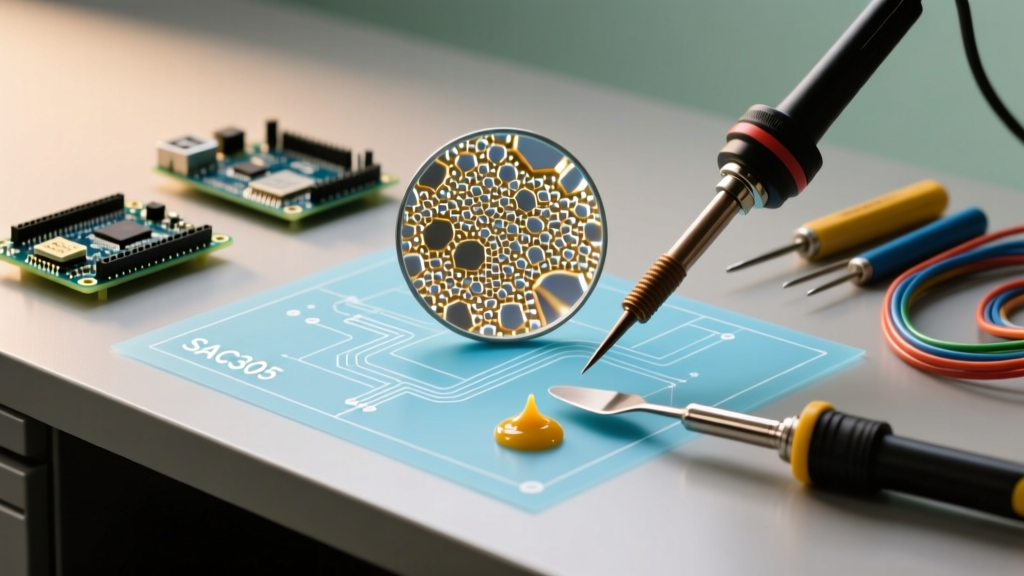
Fix: Drop your station temperature to 320°C–350°C. If using lead-free solder (SAC305), do not exceed 380°C; instead, use a larger chisel tip to increase thermal transfer. - Failure Mode: Solder balls up and refuses to wet the pad.
Cause: Flux exhaustion. The roin boiled off before the solder alloy reached its liquidus temperature, leaving the pad exposed to ambient oxygen.
Fix: Never rely solely on the flux inside the solder wire for large ground planes. Apply external liquid or tacky rosin flux to the pad before introducing the solder wire. - Failure Mode: Dendritic growth causing short circuits.
Cause: Leaving highly activated (RA) rosin residue on a high-impedance circuit in a humid environment. The halides in the RA flux absorb moisture and create conductive micro-bridges (dendrites) between traces.
Fix: Scrub the assembly with 99% IPA and a hog-bristle brush, followed by a compressed air blow-off to push the dissolved flux out from under tight-pitch ICs.
Frequently Asked Questions
Can I use violin or guitar rosin for soldering?
No. While musical instrument rosin is chemically similar to pure R-class flux, it lacks the necessary activators (like diethylammonium chloride) to clean electronic oxidation. It also contains impurities and moisture that will cause violent spattering when hit with a 350°C soldering iron. Always use electronics-grade, purified colophony.
Do I absolutely need to clean RMA flux residue?
Under the IPC J-STD-004 standard, RMA (Rosin Mildly Activated) residues are generally considered benign and non-corrosive if left on standard commercial boards. However, if your PCB operates in a high-humidity environment, or if it processes high-voltage or high-frequency RF signals, you should clean it. Uncleaned rosin can trap moisture and alter the dielectric constant of the board surface.
Why is my rosin flux turning white and chalky?
When you clean rosin flux with isopropyl alcohol, the alcohol dissolves the rosin. As the alcohol evaporates, the rosin precipitates out of the solution, leaving a white, chalky film. To prevent this, you must physically agitate the area with a brush while the alcohol is still wet, and wipe it away with a clean, lint-free kimwipe before the solvent flashes off.