
The Reality of Rubyfluid Soldering Paste in Electronics
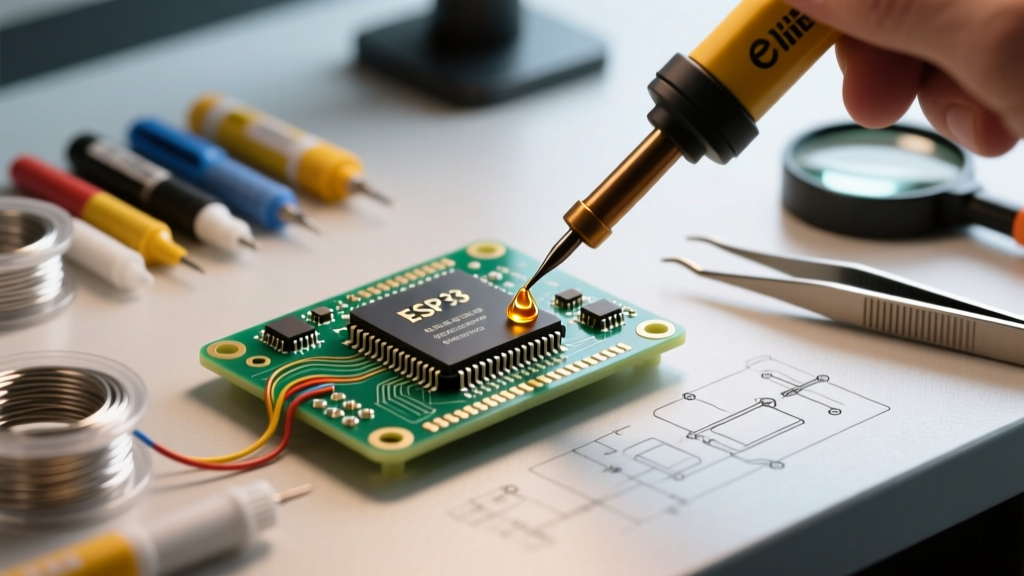
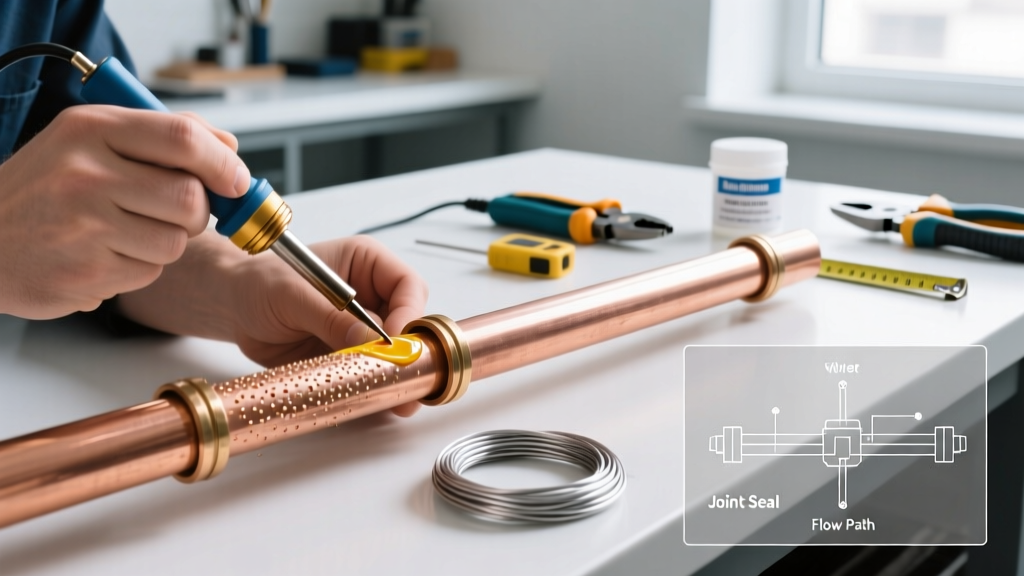
Many DIYers and novice technicians encounter Rubyfluid or Ruby-branded soldering pastes in hardware stores and assume all fluxes are interchangeable. This is a critical error. Rubyfluid soldering paste is fundamentally an aggressive, inorganic acid flux—primarily composed of zinc chloride and ammonium chloride—designed for plumbing, galvanized steel, and heavy-duty copper joining. It is absolutely not formulated for printed circuit boards (PCBs) or delicate microelectronics.
Using acid-based plumbing paste on electronics will inevitably lead to catastrophic board failure. This guide breaks down the chemical realities of Rubyfluid, contrasts it with electronics-grade consumables, and provides a definitive selection matrix for your workbench.
CRITICAL WARNING: Never use plumbing-grade acid fluxes, including Rubyfluid, on PCBs. The halide ions will cause irreversible electrochemical migration and trace corrosion.
Chemical Breakdown: Inorganic Acid vs. Organic Rosin
To understand why flux selection matters, we must examine the activation chemistry. According to the IPC (Institute for Interconnecting and Packaging Electronic Circuits) and the IPC-J-STD-004B standard, which governs soldering flux requirements, fluxes are categorized by composition and activity level.
The Chemistry of Rubyfluid (Inorganic Acid)
Rubyfluid relies on zinc chloride and hydrochloric acid derivatives to strip heavy oxidation from thick copper pipes and sheet metal. These inorganic acids remain highly active even after cooling. They do not evaporate or become inert at standard soldering temperatures (250°C to 350°C). When left on a substrate, they continuously attract ambient moisture, creating a highly conductive, corrosive electrolyte.
Electronics Fluxes (Rosin and Organic Acids)
Electronics pastes utilize abietic acid (rosin) or mildly activated organic acids (OAs). These compounds are engineered to become chemically inert upon cooling. For instance, RMA (Rosin Mildly Activated) fluxes encapsulate residual halides in a hardened rosin matrix, preventing moisture ingress and dendritic growth.
Failure Modes: What Happens When You Use Rubyfluid on a PCB?
If Rubyfluid soldering paste is applied to a PCB, the failure is not always immediate, making it insidious. Based on failure analysis data from the NASA Electronic Parts and Packaging (NEPP) Program, acid residues trigger specific degradation mechanisms:
- Electrochemical Migration (ECM): Under bias voltage, zinc and chloride ions form conductive dendrites between adjacent traces. This causes short circuits, often within 48 to 72 hours in environments with greater than 40% relative humidity.
- Copper Trace Corrosion: The active hydrochloric byproducts eat away at the thin copper traces (typically 1 oz or 35 µm thick), leading to open circuits.
- Via Degradation: Acid flux wicks into unplated or poorly tented vias via capillary action, corroding the inner barrel and destroying multi-layer board connectivity.
- Component Lead Embrittlement: Chloride ions attack the tin-lead or SAC305 finishes on component leads, causing structural weakness and cold joints.
Flux Selection Matrix: Matching the Paste to the Application
Selecting the correct paste requires matching the flux chemistry to the substrate and your cleaning capabilities.
| Flux Type | Primary Chemistry | Target Application | Post-Solder Cleaning Required? |
|---|---|---|---|
| Rubyfluid (Acid) | Zinc Chloride / HCl | Plumbing, Sheet Metal, Heavy Copper | YES (Immediate Neutralization) |
| RMA (Rosin Mildly Activated) | Abietic Acid + Halides | General PCB, Through-Hole | Recommended (Isopropyl Alcohol) |
| No-Clean | Synthetic Resins + Weak OA | BGA, SMD, High-Density PCB | NO (Residues are inert) |
| Water-Soluble (OA) | Organic Acids / Glycols | Heavy Oxidation on PCB, Automotive | YES (Deionized Water Wash) |
Top Electronics Solder Paste Alternatives for 2026
If you are working with PCBs, discard the Rubyfluid and invest in purpose-built electronics solder pastes. Here are the industry-standard selections for modern SMD and BGA rework:
1. Kester EP256 (No-Clean) for SMD Assembly
Kester's no-clean chemistry is the gold standard for automated and manual SMD paste applications. It offers excellent wetting on OSP and ENIG finishes without leaving conductive residues.
Cost: Approximately $45 for a 500g jar, or $22 for a 35g syringe.
2. Chip Quik SMD431AX (No-Clean) for Precision Rework
A Type 4 SAC305 (Sn96.5/Sn3.0/Cu0.5) alloy paste with a no-clean flux core. It features an ultra-low slump rate, making it ideal for 0402 and 0201 components where bridging is a primary concern.
Cost: Approximately $28 for a 10cc syringe with a 27-gauge dispensing needle.
3. MG Chemicals 8341 (Water-Soluble) for Heavy Oxidation
If you are dealing with heavily oxidized PCB pads (e.g., vintage electronics restoration) and need the aggressive cleaning power of an organic acid without the corrosive halides of plumbing paste, this water-soluble paste is the correct choice.
Cost: Approximately $22 for a 10ml syringe. Requires immediate deionized water rinsing.
Storage and Shelf Life: Keeping Your Paste Viable
Unlike plumbing pastes which can sit on a shelf for a decade, electronics solder pastes are highly sensitive to environmental conditions. The flux vehicle contains volatile solvents that evaporate if improperly stored, leading to dry, unusable paste that causes tombstoning and solder balling during reflow.
- Temperature Control: Always store unopened syringes and jars of SAC305 or Sn63/Pb37 paste in a dedicated refrigerator between 0°C and 10°C.
- Acclimatization: Before opening, allow the paste to reach room temperature (20°C to 25°C) for at least 2 hours. Opening a cold syringe causes atmospheric moisture to condense inside, leading to micro-splattering during reflow.
- Shelf Life: Most no-clean and water-soluble pastes have a strict 6-month shelf life when refrigerated. Once opened, use within 30 days and always recap immediately.
Emergency Protocol: Neutralizing Accidental Acid Flux Exposure
If you have accidentally used Rubyfluid or a similar zinc-chloride plumbing paste on a circuit board, standard isopropyl alcohol (IPA) will not remove the ionic salts. You must chemically neutralize the residue.
- Prepare a Neutralizing Bath: Mix a 5% baking soda (sodium bicarbonate) solution with distilled water.
- Agitate: Submerge the PCB and use a soft ESD-safe brush to gently scrub the affected areas for 3 minutes. The alkaline solution will neutralize the hydrochloric acid byproducts.
- DI Water Rinse: Immediately rinse the board with heated (60°C) Deionized (DI) water to flush away the resulting zinc carbonate salts. Tap water contains chlorine and minerals that will cause secondary corrosion.
- Ultrasonic Cleaning: Place the board in an ultrasonic cleaner filled with DI water at 40kHz for 3 minutes to dislodge salts trapped under ICs.
- Thermal Bake: Bake the PCB in a convection oven at 100°C for 2 hours to drive out trapped moisture from vias and under BGA packages.
Summary and Best Practices
Rubyfluid soldering paste is an excellent product for joining copper pipes and sheet metal, but it has zero place on an electronics workbench. The IPC and the Environmental Protection Agency (EPA) both classify heavy metal and halide flux residues as hazardous when improperly disposed of, further emphasizing the need to keep plumbing and electronics consumables strictly separated. Always verify that your solder paste meets IPC-J-STD-004B requirements for electronic assemblies, and match your alloy to your specific thermal profile.
Frequently Asked Questions
Can I use Rubyfluid to tin thick copper wires for a PCB?
You can use it to tin the wire, but you must thoroughly wash and neutralize the wire before inserting it into the PCB. Any flux wicking into the board's plated through-holes will cause long-term corrosion.
Why does my acid flux turn black and crusty?
Zinc chloride fluxes carbonize and oxidize rapidly when exposed to iron tips and high heat, leaving a hard, black crust. This ruins soldering iron tips by pitting the iron plating. Always use dedicated copper or heavy-duty tips for plumbing fluxes.