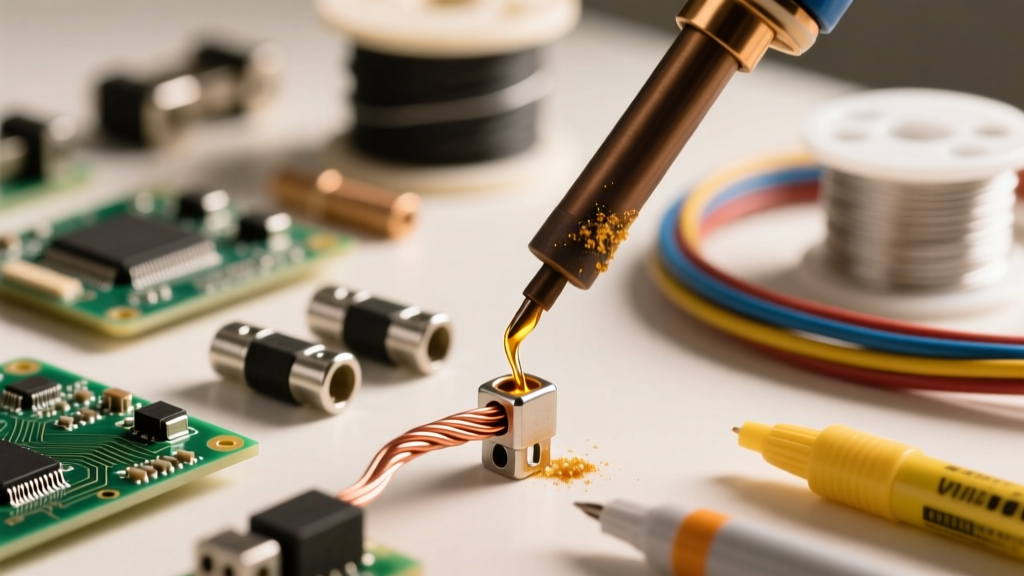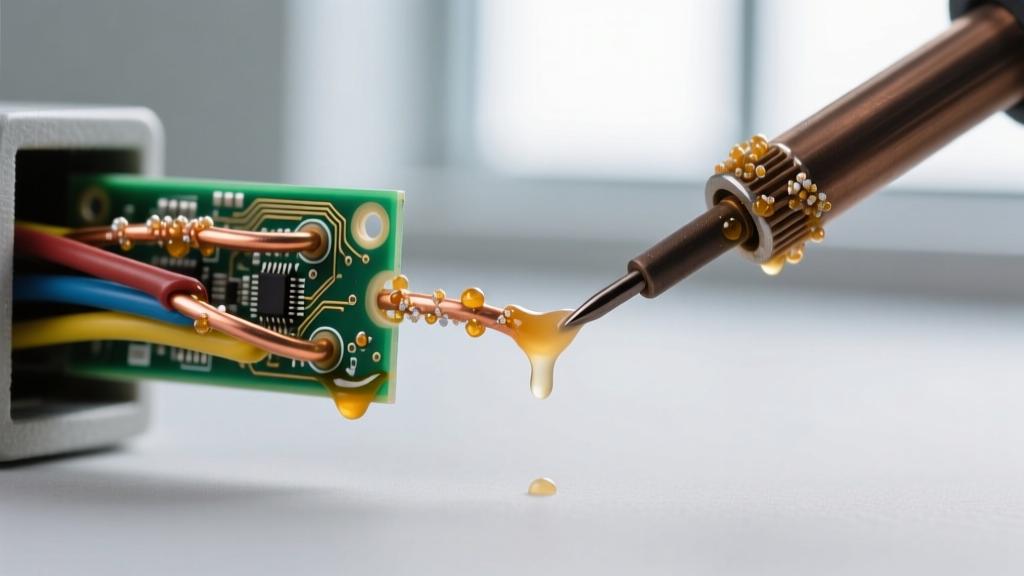

The Great DIY Mistake: Plumbing Flux on Electrical Wires
It is a rite of passage for many weekend DIYers: you are fixing a broken lamp, splicing a low-voltage thermostat wire, or repairing a custom PCB, and you reach for the nearest tub of flux in your toolbox. Often, that tub is Oatey #5 Paste Flux or Oatey H2O Water-Soluble Flux. While Oatey is an undisputed titan in the plumbing and HVAC industries, using Oatey soldering flux on electrical connections is one of the most destructive mistakes you can make in electronics and electrical wiring.
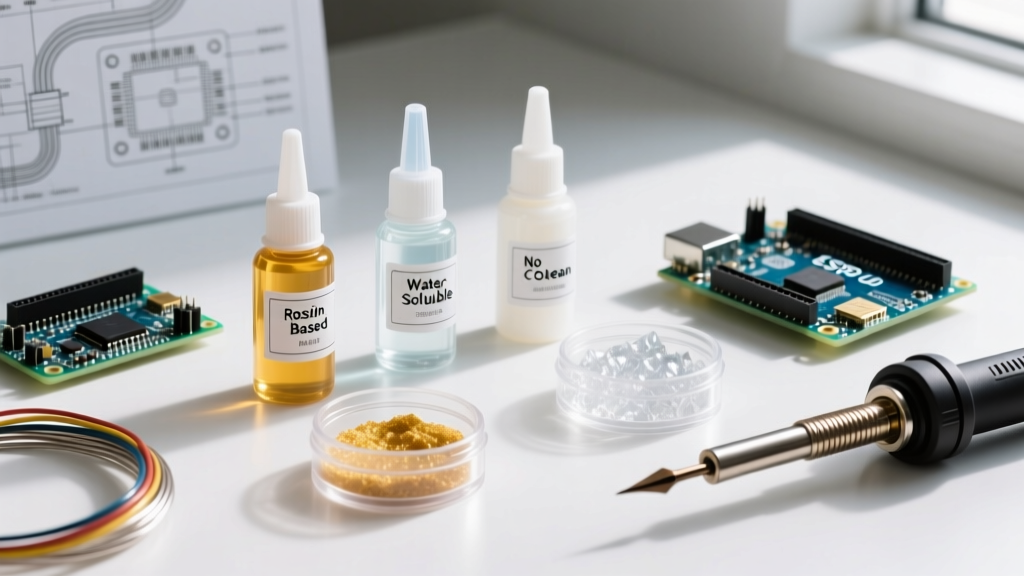
Unlike rosin-based or no-clean fluxes designed for electrical work, plumbing fluxes are highly aggressive. They contain strong acid activators designed to strip heavy oxidation from thick copper pipes in seconds. When left on delicate electrical wires or printed circuit board (PCB) traces, these acids continue to eat away at the copper, leading to galvanic corrosion, high-resistance joints, and eventual catastrophic failure. If you have made this mistake, do not panic. This comprehensive tutorial will show you exactly how to neutralize, extract, and clean Oatey soldering flux from your electrical projects before permanent damage occurs.
Chemical Breakdown: Why Oatey Flux Destroys Electronics
To understand the remediation process, you must understand the chemistry. According to Oatey's official product documentation, their standard plumbing fluxes rely on harsh chemical activators that violate the strict corrosivity limits set by IPC standards (specifically IPC-J-STD-004) for electrical assemblies.
- Oatey #5 Paste Flux: This is a petroleum-based flux heavily loaded with zinc chloride and ammonium chloride. When heated, it creates hydrochloric acid. If not physically scrubbed away with specialized solvents, the zinc chloride residue remains highly conductive and corrosive, causing dendritic growth and short circuits on PCBs.
- Oatey H2O Water-Soluble Flux: While marketed as 'easy to clean,' this flux relies on organic acids (like lactic and citric acid) and glycol bases. On a copper pipe, you flush it with tap water. On a PCB or wire splice, the water leaves behind mineral deposits and trapped organic acids that rapidly oxidize the joint.
Flux Comparison Matrix: Plumbing vs. Electrical
| Product | Base Type | Primary Activator | Target Application | Electrical Safe? | Cleanup Required |
|---|---|---|---|---|---|
| Oatey #5 Paste | Petroleum | Zinc Chloride (Acid) | Copper Plumbing | NO | Heavy Solvent / Mechanical |
| Oatey H2O | Water / Glycol | Organic Acids | Plumbing / HVAC | NO | Distilled Water + IPA |
| Kester 44 Rosin | Rosin (RMA) | Mild Rosin Activators | PCBs / Wiring | YES | Optional (99% IPA) |
| MG Chemicals 8341 | Synthetic | No-Clean Resins | SMD / Precision PCBs | YES | None Required |
Step-by-Step Guide: Removing Oatey Soldering Flux
If you have already applied heat and solder using an acid-based plumbing flux, the joint is now contaminated. Simply wiping the outside will not remove the flux trapped under the solder or wicked into the wire strands. Follow this exact remediation protocol.
Step 1: Desolder and Extract the Contaminated Joint
You cannot effectively clean flux that is sealed beneath a solder joint. You must remove the solder entirely.
- Apply Fresh Lead-Free Solder: Counterintuitively, add a small amount of fresh, high-quality electrical solder (like 63/37 or SAC305) to the joint. This dilutes the old, contaminated solder and lowers its melting point, making it easier to extract.
- Use a Desoldering Pump or Braid: Heat the joint to approximately 350°C (662°F). Use a high-quality desoldering braid (such as Chemtronics Soder-Wick #4) or a vacuum desoldering gun (like the Hakko FR-301) to pull the molten solder away. Repeat until the wire strands or PCB pads are mostly bare.
Step 2: Chemical Neutralization
Because Oatey #5 contains zinc chloride, you must neutralize the acid before applying alcohol solvents.
- Mix a solution of baking soda (sodium bicarbonate) and distilled water (1 tablespoon per cup of distilled water). Do not use tap water, as the chlorine and fluorides will exacerbate corrosion.
- Using an ESD-safe hog hair brush, gently scrub the baking soda solution into the wire strands or PCB pads. You will see a slight fizzing reaction as the alkaline solution neutralizes the residual hydrochloric acid.
- Rinse immediately with pure distilled water to wash away the resulting salts.
Step 3: The 99% IPA Solvent Wash
Water causes rust if left on bare copper. You must displace the water and remove the petroleum jelly base of the Oatey #5 flux.
- Submerge or heavily douse the area with 99% Isopropyl Alcohol (IPA). Do not use 70% rubbing alcohol from a pharmacy, as the 30% water content will trap moisture against the copper.
- Scrub vigorously with a stiff, ESD-safe fiberglass scratch pen or a dedicated flux removal brush.
- Blow the area dry with compressed air or a low-heat heat gun to ensure no moisture remains trapped under the insulation.
Step 4: Re-Tinning with Proper Electrical Flux
Now that the copper is chemically bare and neutralized, it will oxidize rapidly in the ambient air. You must immediately re-tin the connection using a proper electrical flux.
- Apply a liquid Rosin Mildly Activated (RMA) flux or a No-Clean tacky flux to the joint.
- Re-solder the connection using standard electrical solder wire. The joint should appear shiny, smooth, and concave (a perfect fillet).
- If using RMA flux, perform a final wipe with 99% IPA. If using No-Clean, leave the harmless glass-like residue in place to act as a conformal coating against humidity.
Expert Warning: Never attempt to 'dilute' plumbing flux by mixing it with electrical rosin flux. The rosin will simply trap the aggressive zinc chloride activators against the copper, creating a localized corrosion cell that will sever the wire from the inside out within months.
Identifying Late-Stage Corrosion Failure Modes
If you are troubleshooting an older electrical connection that was soldered with Oatey soldering flux months or years ago, look for these specific failure modes identified by NASA's Electronic Parts and Packaging (NEPP) program in their soldering workmanship standards:
- Green/White Crust (Copper Chloride): A powdery green or white substance weeping from under the heat shrink or solder mask. This is the physical byproduct of the acid eating the copper.
- Dendritic Shorting: On PCBs, the ionic residue from the flux creates a conductive path between adjacent traces when exposed to ambient humidity, causing micro-shorts and erratic sensor readings.
- Embrittlement: The acid attacks the tin-lead or tin-copper intermetallic layer, causing the joint to become mechanically brittle. The wire may snap off with minimal physical stress.
2026 Buyer's Guide: What to Keep in Your Toolbox Instead
To prevent this issue from happening again, purge your electronics workstation of plumbing consumables. As of 2026, here are the industry-standard electrical fluxes you should stock, along with their current market pricing:
- Kester 44 Rosin Core Solder (63/37): The gold standard for general electrical wiring and through-hole PCBs. Contains a highly reliable rosin flux core. (~$35 per 1lb spool).
- Chip Quik SMD4300AX10 Sn63/Pb37 Tacky Flux: Essential for drag-soldering SMD components and reworking joints. Comes in a 10cc syringe with precision needles. (~$22 per syringe).
- MG Chemicals 8341 No-Clean Paste Flux: Perfect for situations where post-solder cleaning is impossible, such as under tight BGA chips or sealed enclosures. (~$25 per 10g jar).
Frequently Asked Questions (FAQ)
Can I just use heat to burn off the Oatey flux?
No. While the petroleum base of Oatey #5 will smoke and burn off, the zinc chloride activators do not evaporate at standard soldering temperatures (350°C). They require temperatures exceeding 700°C to volatilize, which will instantly destroy your PCB pads and melt wire insulation.
Is Oatey's 'Lead-Free Safe Flo' solder safe for electronics?
Oatey's Safe Flo is a plumbing solder alloy (usually tin-copper or tin-silver) designed to flow into capillary plumbing joints. While the metal alloy itself isn't inherently dangerous to electronics, it lacks the necessary rosin core for electrical wetting, and it is almost always used in conjunction with their acid paste fluxes, making the overall process unsafe for wiring.
How long does it take for acid flux to destroy a wire?
In high-humidity environments, visible green corrosion can begin forming within 48 to 72 hours. Complete structural failure of a thin-gauge wire (like 24 AWG stranded) can occur in as little as three to six months depending on ambient moisture levels.