
The Critical Role of Flux Paste in Modern Electronics
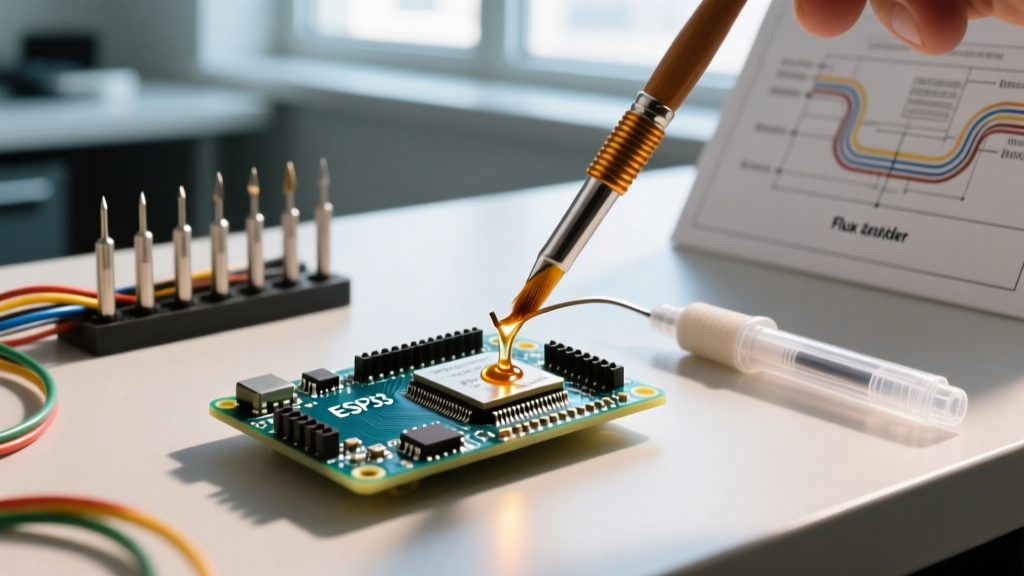
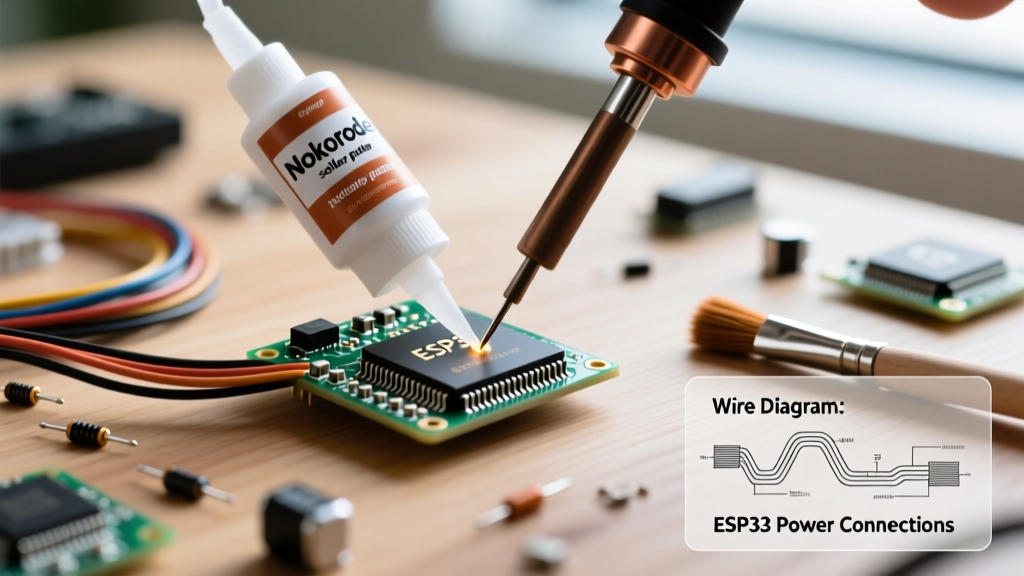
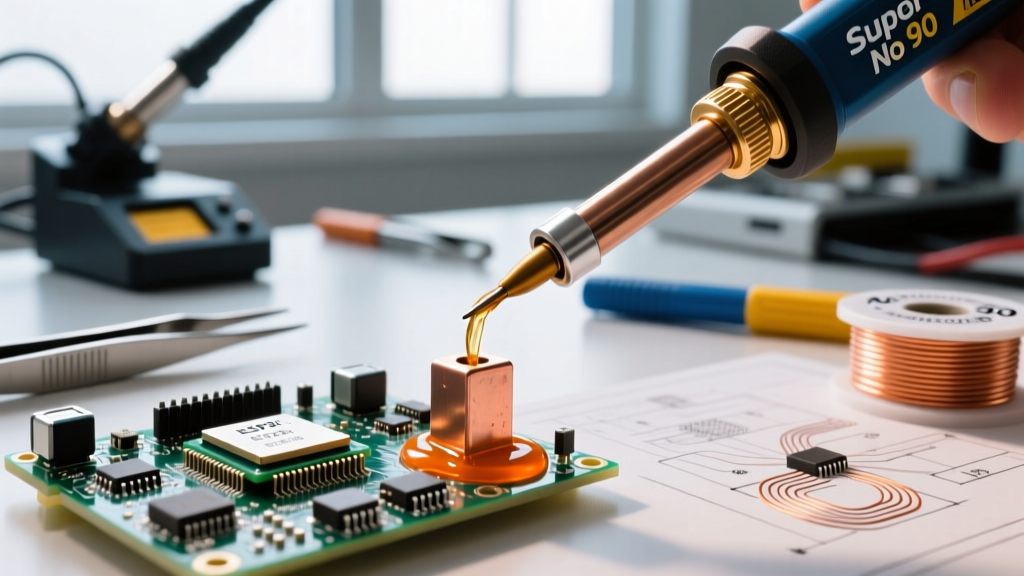
When executing high-density surface mount (SMD) or ball grid array (BGA) rework, the solder alloy is only half the equation. The true unsung hero of a reliable metallurgical joint is the flux paste for soldering. Flux chemically reduces metal oxides, lowers surface tension, and prevents re-oxidation during the thermal profile of reflow or hand soldering. In 2026, with component pitches shrinking to 0.35mm and BGAs dominating high-speed digital designs, selecting the wrong flux paste guarantees bridging, tombstoning, or catastrophic electrochemical migration (ECM).
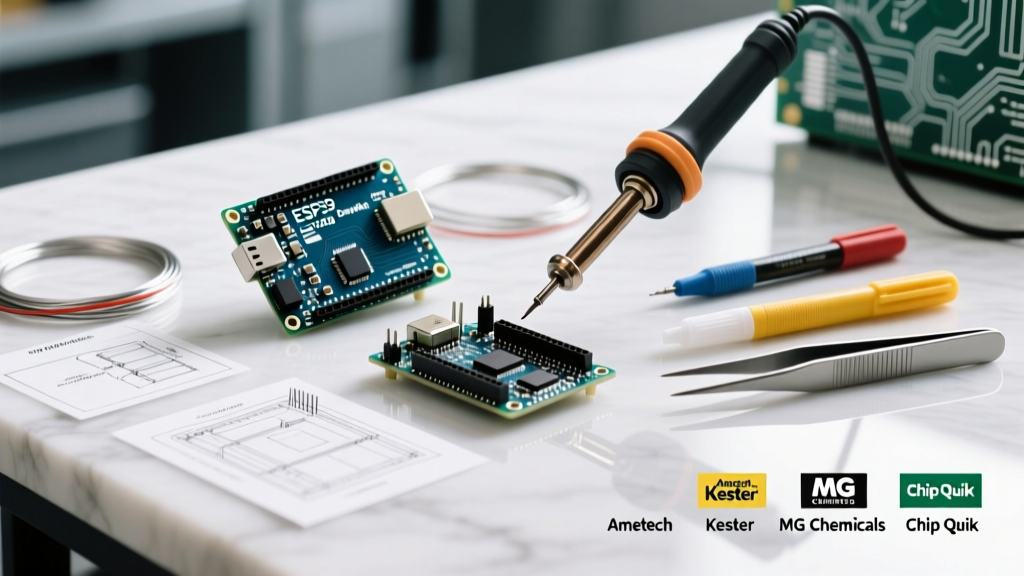
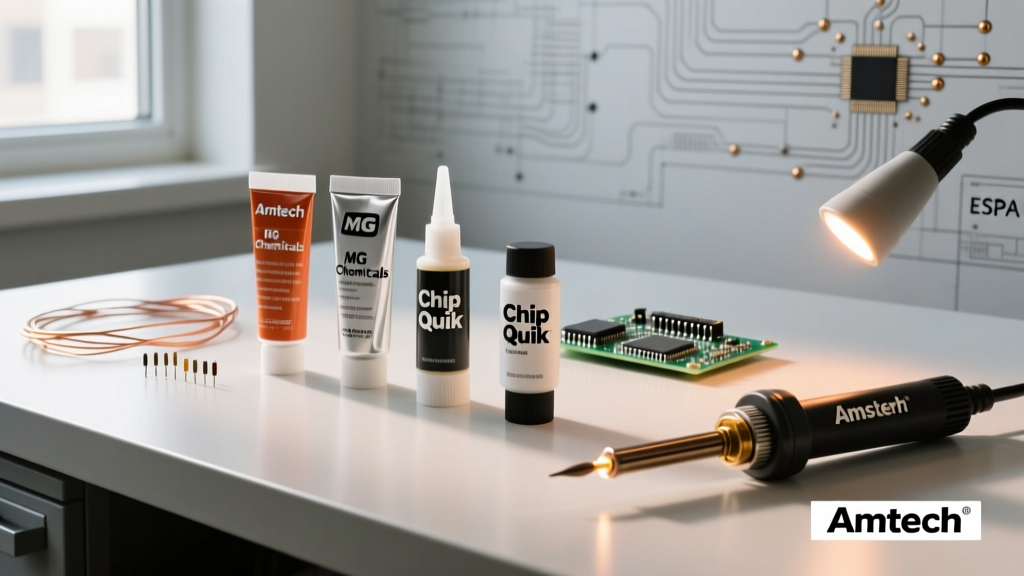
This comprehensive brand comparison evaluates four industry-dominating flux pastes: Amtech, MG Chemicals, Chip Quik, and Kester. We analyze their chemical formulations, IPC classifications, real-world failure modes, and precise pricing to help you engineer the perfect soldering workflow.
2026 Flux Paste Comparison Matrix
Before diving into the deep-dive reviews, here is a high-level structural comparison of the four contenders based on laboratory specifications and current market pricing.
| Brand & Model | IPC Classification | Base Type | Tack Time | Avg. Price (10g/cc) | Best Application |
|---|---|---|---|---|---|
| Amtech NC-559-V2-TF | ROL0 | No-Clean | > 48 Hours | $32.00 - $38.00 | BGA Reballing, Fine-Pitch SMD |
| MG Chemicals 8341 | ROL0 | No-Clean | 24 Hours | $14.00 - $18.00 | General Hobbyist, Drag Soldering |
| Chip Quik SMD291AX | ROL1 | Tacky / No-Clean | > 72 Hours | $17.00 - $22.00 | Component Tacking, Hot-Air Rework |
| Kester 245 | ROL0 | No-Clean | 48 Hours | $24.00 - $29.00 | High-Reliability, Aerospace/Auto |
Deep Dive: The Contenders
1. Amtech NC-559-V2-TF: The BGA and SMD King
Amtech (now part of Indium Corporation) has long set the gold standard for advanced rework. The NC-559-V2-TF is a halogen-free, no-clean tack flux specifically engineered for BGA reballing and ultra-fine-pitch QFN placements. Its thixotropic viscosity (approximately 250 kcps) allows it to hold 0.2mm solder spheres in place without bleeding, even when subjected to the aggressive airflow of a hot-air rework station.
Pros: Exceptional tack retention; virtually transparent residue post-reflow; passes stringent Surface Insulation Resistance (SIR) testing.
Cons: Premium pricing; highly sensitive to moisture absorption if the syringe is left uncapped.
Expert Tip: When using NC-559-V2-TF for hand soldering with an iron, keep your tip temperature below 320°C. Exceeding 350°C causes the volatile solvents to boil violently, resulting in micro-spattering that can short adjacent vias.
2. MG Chemicals 8341: The Budget No-Clean Workhorse
For makers, hobbyists, and repair shops operating on high volume and low margins, MG Chemicals 8341 offers a highly capable ROL0 no-clean profile at nearly half the cost of premium brands. It features a slightly lower viscosity than Amtech, making it ideal for dispensing through 20-gauge or 22-gauge blunt-tip needles for drag-soldering SOIC and TQFP chips.
Pros: Highly affordable; excellent wetting action on slightly oxidized pads; easy to dispense.
Cons: Residue is slightly more amber/tacky than Amtech; tack time degrades faster in high-humidity environments.
Edge Case: If your lab temperature drops below 18°C (64°F), the 8341 paste becomes highly viscous and difficult to dispense. Store it at room temperature (22°C) and avoid refrigeration, which can introduce condensation and cause severe spattering during soldering.
3. Chip Quik SMD291AX: The Rework Specialist
Chip Quik engineered the SMD291AX specifically as a "tacky" flux. Unlike standard no-clean pastes that prioritize reflow wetting, SMD291AX prioritizes mechanical adhesion. It is designed to hold components firmly to the PCB while you apply heat from a hot-air gun or infrared (IR) station. With a tack time exceeding 72 hours, it allows technicians to populate a board on Friday and reflow it on Monday without components shifting.
Pros: Unmatched mechanical tack; forgiving thermal profile; excellent for mixed-alloy rework.
Cons: Classified as ROL1 (slightly higher activity), meaning the residue is marginally more conductive than ROL0 pastes; leaves a visibly sticky residue that attracts dust.
4. Kester 245: The Industrial and Aerospace Standard
When building medical devices, automotive ECUs, or aerospace telemetry boards, Kester 245 is the default choice. It strictly adheres to IPC J-STD-004B requirements for high-reliability electronics. According to the IPC Standards directory, ROL0 classifications mandate zero halide content and exceptional long-term insulation resistance. Kester 245 delivers a highly stable, non-corrosive residue that survives harsh thermal cycling.
Pros: Ultimate reliability; fully documented lot traceability; passes Bellcore/Telcordia GR-78-CORE requirements.
Cons: Requires higher activation temperatures (optimal reflow peak of 235°C - 245°C); poor wetting on heavily oxidized, old lead-free HASL pads.
Critical Failure Modes and Edge Cases
Even the best flux paste for soldering will fail if mishandled. Understanding the chemistry behind these failure modes is crucial for maintaining yield rates in 2026's high-density designs.
Spattering and Solder Balling
Flux pastes contain volatile solvents (like glycol ethers) that activate the rosin acids. If a 380°C soldering iron tip directly strikes a pool of flux paste, the solvents flash-boil. This creates micro-explosions that eject microscopic solder spheres (solder balling) under BGA packages or into high-impedance analog traces. Solution: Pre-heat the PCB to 90°C using a bottom-side preheater to gently evaporate the solvents before applying localized top-side heat.
The "No-Clean" Dendrite Myth
A dangerous misconception in the industry is that "no-clean" means the residue is completely inert in all environments. While ROL0 fluxes pass standard SIR testing in controlled climates, the NASA Electronic Parts and Packaging (NEPP) Program has published extensive data showing that under high humidity (>85% RH) and DC bias, trapped no-clean flux residues can still facilitate electrochemical migration (dendrite growth). Solution: For high-impedance circuits (e.g., photodiode amplifiers) or outdoor deployments, you must clean no-clean flux residues using a specialized saponifier or high-purity (99.9%) isopropyl alcohol with ultrasonic agitation.
Charred Residues from Thermal Abuse
When technicians use undersized iron tips (e.g., micro-pencil tips) on large ground planes, they compensate by cranking the station to 400°C. At this temperature, the rosin base in the flux paste carbonizes, turning into a hard, black, conductive crust. This charred residue is nearly impossible to remove with standard IPA and can cause parasitic capacitance in RF circuits. Always match your tip thermal mass to the joint, not just the temperature dial.
Storage, Shelf Life, and Thixotropy
Flux paste is a thixotropic fluid—meaning its viscosity decreases under shear stress (like pushing a syringe plunger) and increases at rest. Improper storage destroys this delicate rheology.
- Temperature: Store between 2°C and 10°C (35°F - 50°F) for maximum shelf life (typically 6 to 12 months). However, you MUST allow the syringe to acclimate to room temperature for at least 2 hours before opening. Opening a cold syringe causes atmospheric moisture to condense inside, guaranteeing spattering during use.
- Orientation: Always store syringes vertically with the Luer lock cap facing UP. This prevents air bubbles from migrating to the nozzle, which causes inconsistent dispensing and "sputtering" when using pneumatic dispensers.
Decision Framework: Which Flux Paste Should You Choose?
Selecting the right flux paste for soldering depends entirely on your production environment and reliability requirements.
Choose Amtech NC-559-V2-TF if:
You are performing BGA reballing, working with 0.4mm pitch CSPs, or require a residue that is virtually invisible for aesthetic consumer electronics. The premium cost is justified by the reduction in rework scrap.
Choose MG Chemicals 8341 if:
You are running a repair shop handling consumer electronics, drones, or gaming consoles where high-volume drag soldering is common, and budget constraints dictate a lower cost-per-gram without sacrificing basic ROL0 safety.
Choose Chip Quik SMD291AX if:
Your workflow involves heavy hot-air rework, replacing large QFPs, or you need to stage components on a board hours before the actual reflow process. The aggressive tack is unmatched.
Choose Kester 245 if:
You are manufacturing IPC Class 3 electronics, medical devices, or automotive sensors. As noted by metallurgical experts at Indium Corporation, strict adherence to halogen-free, high-SIR formulations is non-negotiable for mission-critical hardware where field failures result in catastrophic liability.
Final Thoughts
The landscape of electronics assembly continues to demand tighter tolerances and cleaner chemistries. In 2026, relying on generic, unbranded flux pastes from overseas marketplaces is a liability that risks dendrite growth, poor wetting, and ruined PCBs. By investing in engineered flux pastes from Amtech, MG Chemicals, Chip Quik, or Kester, you are not just buying a consumable; you are buying chemical predictability, joint reliability, and peace of mind. Match the flux to your specific thermal profile and IPC class, and your solder joints will stand the test of time.