
The Critical Role of Flux in Copper Soldering
Copper is the undisputed king of electrical and thermal conductivity, making it the foundational metal for everything from micro-vias on high-density PCBs to 2-inch mains in residential plumbing. However, copper's Achilles' heel is its rapid oxidation rate when exposed to heat. The moment copper reaches 200°C, it begins forming cuprous oxide (Cu2O), and by 300°C, it forms cupric oxide (CuO)—a stubborn black layer that completely rejects molten solder. This is where flux copper soldering chemistry becomes the single most important variable in your workflow.
Using the wrong flux is not just a minor inconvenience; it is a catastrophic failure mode. Applying plumbing acid flux to a printed circuit board will cause electrochemical migration (dendritic growth) and short-circuit the device within weeks. Conversely, using electronics rosin flux on a 1/2-inch copper water pipe will result in flux carbonization, joint starvation, and a pinhole leak that destroys drywall. This compatibility guide breaks down exactly which flux formulations match specific copper applications, ensuring reliable, long-lasting metallurgical bonds.
The Compatibility Matrix: Matching Flux to Copper Applications
Before selecting a product, consult this cross-reference matrix to ensure your chemical base aligns with your copper substrate and industry standards.
| Flux Type | Chemical Base | Ideal Copper Application | Governing Standard | Never Use On |
|---|---|---|---|---|
| No-Clean (ROL0/REL0) | Synthetic Rosin / Mild Organics | SMD pads, fine-pitch PCBs, delicate wire | IPC J-STD-004B | Heavy gauge wire, plumbing |
| Water-Soluble (OA) | Organic Acids (Lactic/Citric) | Through-hole PCBs, heavily oxidized wire | IPC J-STD-004B | Plumbing, HVAC, enclosed coils |
| Petroleum / Tallow | Petroleum jelly, Zinc Chloride | Potable water plumbing, DWV pipes | NSF/ANSI 61 | Electronics, HVAC refrigerant lines |
| Acid Paste (Zinc Chloride) | Zinc Chloride, Ammonium Chloride | Roofing, sheet copper, non-potable drains | ASTM B813 | Electronics, potable water lines |
Electronics Copper Soldering: PCBs and Fine Wire
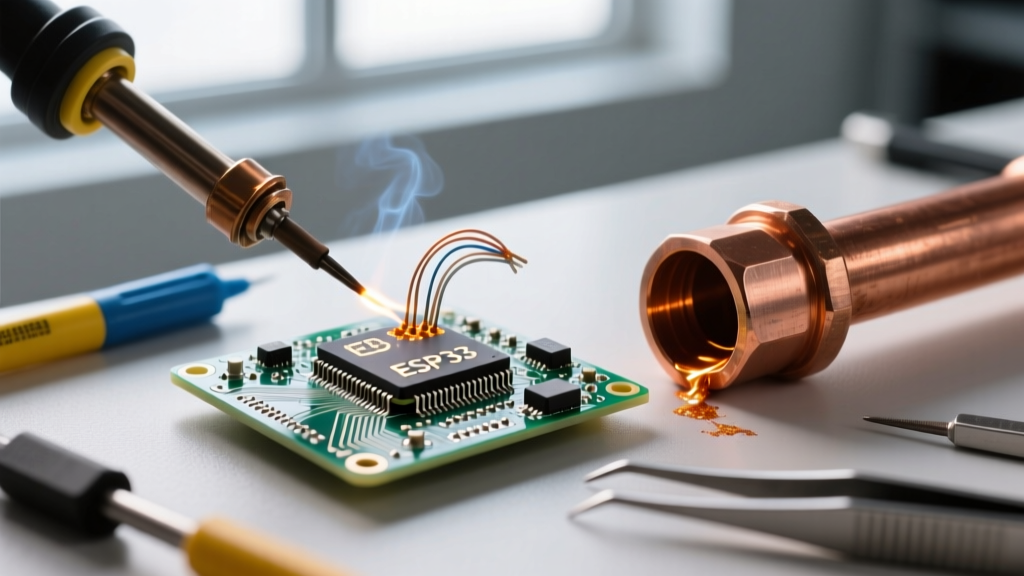
When soldering copper traces, vias, and component leads on a PCB, the primary goal is to remove microscopic oxidation without leaving behind conductive or corrosive residues. According to the IPC J-STD-004 standard, fluxes are categorized by composition (Rosin, Organic, Inorganic) and activity level (Low, Medium, High) with halide content indicators.
Top Recommendations for Electronics
- Kester 245 No-Clean Flux: A staple in professional electronics manufacturing. It features a ROL0 classification (Rosin, Low activity, Zero halides). It leaves a benign, non-conductive residue that is safe to leave on high-impedance analog circuits. Expect to pay around $18 to $22 for a 2oz syringe in 2026 markets.
- MG Chemicals 8341 Water-Soluble Paste: Ideal for tinning heavily oxidized bare copper wire before inserting it into a terminal block. Because it uses organic acids, it cleans aggressively but must be cleaned off with deionized water or isopropyl alcohol post-soldering to prevent long-term copper corrosion.
Expert Warning: Never use 'paste flux' sold in hardware stores for electronics. These are almost universally zinc-chloride or ammonium-chloride based. The chloride ions will actively eat through thin copper PCB traces, creating open circuits and generating highly corrosive hydrochloric acid when exposed to ambient humidity.
Plumbing and Heavy-Duty Copper: Pipes and HVAC
Soldering copper pipes (Types K, L, and M) requires a completely different chemical approach. The thermal mass of a copper pipe fitting absorbs heat rapidly, meaning the flux must remain active at higher temperatures (350°C to 400°C) and physically displace water vapor and heavy oxides.
Potable Water vs. Drainage Fluxes
For drinking water lines, you must use a flux that is certified to Copper Development Association guidelines and NSF/ANSI 61 standards to ensure no toxic heavy metals or harsh acids leach into the water supply.
- Oatey No. 95 Tinning Flux: Priced around $8 for a 1.7oz tub, this petroleum-based flux contains a mild zinc chloride activator and powdered lead-free solder. It is the gold standard for 1/2-inch and 3/4-inch potable water lines. The petroleum base prevents the flux from boiling off when hit with a MAP-Pro torch.
- Superior No. 30 Acid Paste: Strictly for non-potable applications like sheet metal roofing or copper flashing. It contains aggressive ammonium chloride. It will self-clean heavily tarnished architectural copper, but it will destroy plumbing joints if not thoroughly neutralized and flushed.
The HVAC Refrigerant Caveat
If you are soldering copper linesets for HVAC refrigerant (using 15% silver-phosphorus brazing rods or standard 95/5 tin-antimony solder), do not use standard plumbing flux. The petroleum base will carbonize inside the pipe, flake off, and clog the thermostatic expansion valve (TXV). Instead, use a specialized liquid flux like Harris Stay-Clean, which is formulated to vaporize cleanly without leaving solid carbon deposits inside the closed refrigerant loop.
Step-by-Step: Tinning Heavy Gauge Bare Copper (10 AWG to 4 AWG)
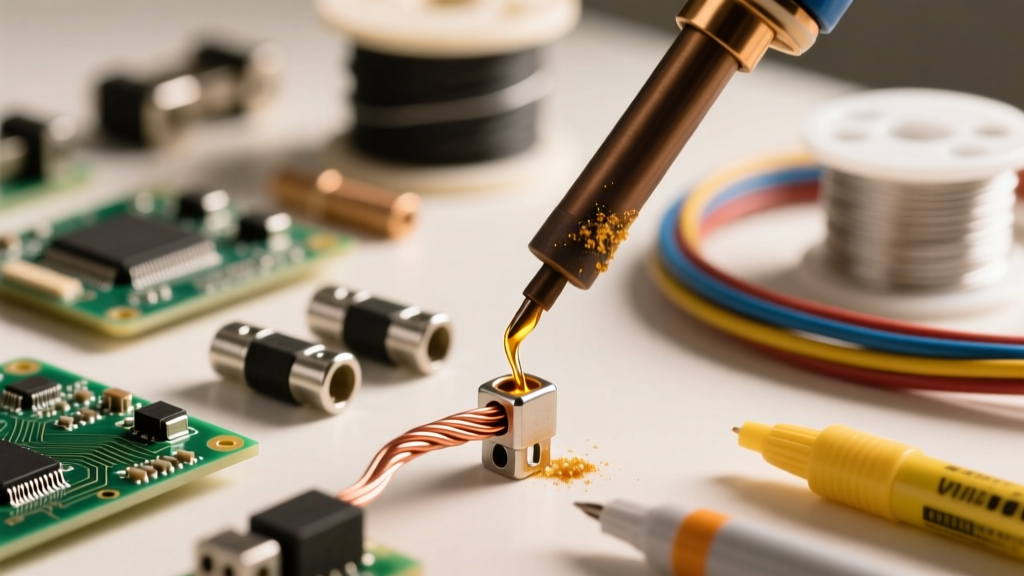
Tinning thick copper wire for high-current DC applications (like solar arrays or EV battery banks) is a notorious pain point. The copper acts as a massive heatsink, cooling your soldering iron tip and causing the flux to exhaust before the solder can wet the metal. Follow this optimized procedure:
- Mechanical Prep: Do not rely solely on chemical flux. Use 400-grit sandpaper or a fiberglass scratch pen to physically remove the outer layer of CuO until the copper shines brightly.
- Apply High-Activity Rosin: Coat the stripped wire in a generous layer of MG Chemicals 8341 or a high-solids RMA (Rosin Mildly Activated) liquid flux.
- Pre-heat the Mass: Use a high-wattage iron (minimum 80W to 120W, like the Hakko FX-951 with a heavy chisel tip) set to 380°C. Press the tip flat against the wire for 3-5 seconds to let the thermal energy penetrate the core.
- Feed Solder to the Wire, Not the Iron: Apply 63/37 or SAC305 solder directly to the copper strands opposite the iron tip. When the copper reaches eutectic temperature, capillary action will draw the solder deep into the strands.
- Clean (If OA Flux): If you used a water-soluble organic acid flux, scrub the tinned wire with a stiff brush and 99% isopropyl alcohol to halt the chemical reaction.
Troubleshooting Common Flux Copper Soldering Failures
Solder Balls Up and Refuses to Wet
Diagnosis: Flux exhaustion and carbonization. If your rosin flux turns dark brown or black, it has burned. The carbonized residue acts as a physical barrier between the solder and the copper.
Solution: Remove the iron, let the joint cool, clean the black char with isopropyl alcohol and a brass sponge, re-apply fresh flux, and try again with a slightly lower temperature setting (e.g., drop from 400°C to 350°C).
Green/Blue Crust Forming Weeks Later
Diagnosis: Copper chloride or copper acetate formation. This happens when acidic flux (either plumbing acid or unrinsed water-soluble electronics flux) is left on the joint and reacts with ambient moisture.
Solution: For electronics, implement a mandatory ultrasonic cleaning step using a saponifier. For plumbing, ensure you are using NSF-approved tinning flux and wiping the exterior of the joint with a damp rag while it is still warm (but not hot enough to cause steam burns) to remove exterior acid residue.
Pinhole Leaks in Copper Pipes
Diagnosis: Joint starvation caused by boiling flux. If you apply too much heat too quickly with a standard propane torch, the water and volatile carriers in the flux boil violently, blowing the flux out of the capillary gap before the solder can flow in.
Solution: Use a petroleum-based tinning flux (like Oatey 95) which has a higher boiling point, and apply the flame to the fitting hub, not directly to the solder wire or the flux joint line.
Mastering flux copper soldering is about respecting the chemistry of the specific environment. By aligning your flux type with the governing standards—whether that is IPC for microelectronics or NSF for potable water—you guarantee joints that are both electrically flawless and mechanically indestructible.