
The Hidden Dangers of Plumbing Flux
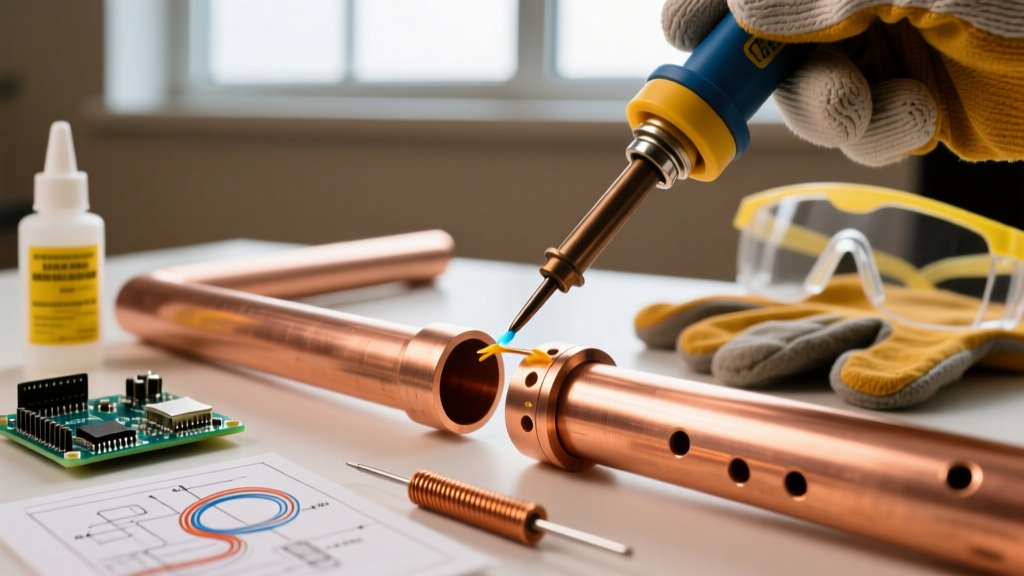
When working on residential plumbing or HVAC systems, the choice of flux is just as critical as the solder alloy itself. Unlike the mild rosin-based fluxes used in electronics, the flux for soldering copper pipe relies on highly aggressive acid chemistries designed to strip heavy oxidation from copper surfaces at high temperatures. However, this aggressive cleaning power introduces severe safety hazards, ranging from toxic fume inhalation to long-term joint failure if not properly managed.
In 2026, with the widespread adoption of higher-temperature lead-free solders (like 95/5 tin-antimony and 97/3 tin-silver), plumbers and DIYers are applying more heat to joints than ever before. This exacerbates flux boiling, sputtering, and the release of corrosive gases. This comprehensive guide outlines the exact chemical behaviors, safety protocols, and application techniques required to sweat copper safely and reliably.
Understanding Flux Chemistries: Potable Water vs. HVAC
Plumbing fluxes are primarily categorized by their active chemical agents and their intended end-use. The most common active ingredient in standard paste flux is zinc chloride (ZnCl2), often combined with ammonium chloride. When heated above 300°F (149°C), zinc chloride reacts with moisture and copper oxide to form a molten salt that dissolves the oxidation, leaving bare copper for the solder to wet.
The Toxicity Factor: Hydrogen Chloride Gas
When zinc chloride-based flux is heated past its activation point—especially when using MAP-PRO gas (burning at 3,730°F) instead of standard propane—the flux can scorch. Overheating zinc chloride releases hydrogen chloride (HCl) gas, which is highly corrosive to the respiratory tract and eyes. In confined spaces like crawlspaces or unventilated utility closets, this poses an immediate health hazard.
Expert Warning: Never use chlorinated solvents (like brake cleaner or certain degreasers) to clean copper pipes before soldering. When the UV light from a torch or the heat of the flame interacts with chlorinated hydrocarbons and acid flux, it can produce phosgene gas, a lethal chemical warfare agent. Always clean pipes with mechanical abrasion and isopropyl alcohol.
Product Comparison Matrix: Top Fluxes for 2026
Selecting the correct flux depends entirely on whether the system carries potable water, drainage, or refrigerant. Below is a breakdown of industry-standard products, their certifications, and current market pricing.
| Product Model | Chemistry / Type | NSF/ANSI 61 Certified | Best Application | Avg. Price (16oz) |
|---|---|---|---|---|
| Oatey No. 95 Tinning Flux | Zinc Chloride + Powdered Solder | Yes | Large diameter potable water (3/4' to 2') | $16.00 - $19.00 |
| La-Co Regular Solder Flux Paste | Zinc Chloride / Ammonium Chloride | Yes | Standard 1/2' potable water lines | $12.00 - $14.00 |
| Harris Stay-Clean Liquid Flux | Boric Acid / Alkyl Borate | No | HVAC refrigeration lines, non-potable | $10.00 - $13.00 |
| Worthington Pro-Gel Flux | Petroleum-based Zinc Chloride | Yes | Overhead soldering, drip-resistant | $14.00 - $17.00 |
Note: For any copper line carrying drinking water, the flux must carry an NSF/ANSI Standard 61 certification, ensuring that residual chemicals do not leach into the water supply at toxic levels. You can verify certification status via the NSF International database.
Critical Safety Protocols: PPE and Fume Mitigation
Sweating copper is not a 'grab a torch and go' operation. Proper personal protective equipment (PPE) and environmental controls are non-negotiable.
- Respiratory Protection: An N95 mask is insufficient for acid gas fumes. When working in poorly ventilated areas, use a half-face respirator equipped with P100 particulate filters and acid gas/organic vapor cartridges (e.g., 3M 6001 or equivalent).
- Eye Protection: Flux spatters when it boils. Standard reading glasses are unacceptable. Wear ANSI Z87.1-rated wrap-around safety goggles to prevent molten acid flux from splashing into the eyes.
- Dermal Protection: Zinc chloride is a severe skin irritant that causes chemical burns and chronic dermatitis. Wear 5-mil nitrile gloves during flux application and joint cleanup. Avoid latex, as flux solvents can degrade it.
- Fire Safety: Keep a 5lb ABC fire extinguisher within 10 feet. Always use a flame-retardant soldering mat or a damp rag behind the joint to protect wooden studs and drywall from torch impingement.
Step-by-Step Application: Preventing Pinhole Leaks
The most common failure mode in DIY and amateur plumbing is the 'pinhole leak' that develops 6 to 18 months after installation. This is rarely a solder failure; it is almost always a flux failure caused by improper application or inadequate cleaning, leading to internal corrosion. The Copper Development Association (CDA) emphasizes that mechanical cleaning and precise flux application are the primary determinants of joint longevity.
- Mechanical Abrasion: Cut the pipe square using a tubing cutter. Ream the inside edge to prevent turbulence. Use 120-grit sand cloth or a dedicated copper wire brush to polish the outside of the pipe and the inside of the fitting until it shines brightly. Do not touch the cleaned copper with bare fingers; skin oils will inhibit solder wetting.
- Precision Fluxing: Apply a thin, even layer of flux to the pipe using an acid brush. Stop 1/16th of an inch short of the pipe end. If flux is applied to the very edge, it will be pushed inside the joint when the fitting is seated, introducing excess acid into the waterway.
- Seating the Joint: Push the fitting onto the pipe and give it a quarter-turn to distribute the flux evenly. Wipe away any extruded flux on the outside with a dry rag before heating.
- Heat Control: Apply the torch flame to the fitting, not the pipe. Heat the fitting until the flux turns clear and liquid (around 350°F). Touch the solder to the opposite side of the joint; capillary action will draw it in. Remove heat immediately once a silver ring appears around the joint.
Post-Soldering Cleanup: The Most Skipped Step
Once the joint has cooled below 200°F, the remaining flux residue is a highly concentrated, corrosive acid salt. If left on the exterior, it will attract moisture from the air and eat through the copper wall from the outside in. If left on the interior, it will cause internal pitting.
Exterior Neutralization
While the joint is still warm (but not hot enough to flash-boil water), wipe it vigorously with a damp rag. The water dilutes the zinc chloride and halts the corrosive action. For stubborn, baked-on flux, use a Scotch-Brite pad with a mild baking soda solution to chemically neutralize the acid.
Interior Flushing Protocol
For potable water systems, interior flushing is mandatory. After the system is pressurized, open the lowest and highest fixtures in the house and allow cold water to run at full volume for a minimum of 5 to 10 minutes. This physically scours the interior of the pipes, flushing out any flux that was inadvertently pushed inside during assembly.
Frequently Asked Questions (FAQ)
Can I use electronics rosin flux for soldering copper pipes?
No. Rosin flux (R, RMA, or RA) is designed for light oxidation on tinned electronic components and activates at much lower temperatures. It cannot dissolve the heavy copper oxide layer found on plumbing pipes, nor can it withstand the 450°F+ temperatures required for lead-free plumbing solder. Using rosin flux on pipes will result in immediate cold joints and catastrophic leaks.
Why does my flux turn black and crusty before the solder melts?
This indicates overheating. If you apply the torch directly to the flux, or use a MAP-PRO torch on a small 1/2-inch joint without keeping the flame moving, the flux will scorch and lose its chemical ability to clean the copper. If this happens, let the joint cool, disassemble it (if possible), re-clean the copper mechanically, and start over. You cannot simply add more flux to a scorched joint.
Is tinning flux necessary for all joints?
Tinning flux (like Oatey No. 95) contains powdered solder suspended in the paste. It is highly recommended for large-diameter pipes (1-inch and above) or when working in cold environments. The powdered solder helps bridge the gap and draws the molten solder wire through the capillary action more reliably on large thermal masses. For standard 1/2-inch residential water lines, standard paste flux is sufficient and more cost-effective.