
Beyond the Circuit Board: The Critical Role of Flux in Copper Piping
While electricalflux.com is your premier destination for microcontrollers and PCB soldering, the principles of metallurgy and capillary action extend far beyond the workbench. For DIYers and professionals installing residential grounding electrode systems (per NEC Article 250.52), managing home plumbing, or routing HVAC refrigerant lines, selecting the correct flux for copper pipe soldering is non-negotiable. Using the wrong chemical cleaner can result in catastrophic pinhole leaks, high-resistance grounding bonds, or severe galvanic corrosion.
In 2026, the market is saturated with specialized paste and liquid fluxes, each engineered for specific thermal profiles and alloy compatibilities. This compatibility guide breaks down the exact chemical compositions, application methodologies, and failure modes of modern copper pipe fluxes, ensuring your joints are both mechanically robust and code-compliant.
The Chemistry of Capillary Action
To understand flux compatibility, you must first understand the enemy: copper oxide. When copper tubing (Types K, L, or M) is heated, it rapidly forms cupric oxide (CuO) and cuprous oxide (Cu2O) on its surface. Solder alloys—whether lead-free 95/5 tin-antimony or silver-bearing BCuP-6—will not wet or bond to oxidized copper.
Flux serves three critical functions during the soldering process:
- Chemical Reduction: Dissolves existing oxides at room temperature during application.
- Thermal Protection: Forms a temporary barrier preventing new oxides from forming as the torch raises the copper temperature to 400°F–600°F.
- Surface Tension Reduction: Lowers the surface tension of the molten solder, allowing capillary action to draw the alloy deep into the fitting cup (typically a 0.002-inch to 0.005-inch clearance).
Flux Compatibility Matrix: Plumbing, HVAC, and Electrical
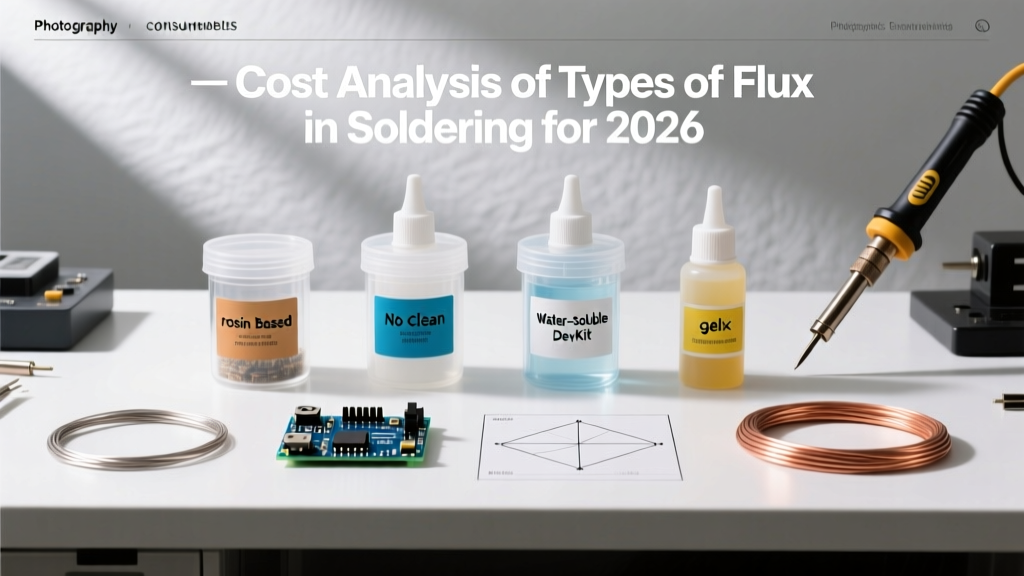
Matching your flux to your specific solder alloy and end-use application is the cornerstone of a reliable joint. Below is the definitive 2026 compatibility matrix for heavy-duty copper work.
| Flux Category | Active Ingredients | Compatible Solder Alloys | Primary Applications | Avg. Price (16oz) |
|---|---|---|---|---|
| Water-Soluble Paste | Zinc Chloride, Ammonium Chloride | 95/5 (Sn/Sb), 97/3 (Sn/Cu) | Potable Water, Drain Lines | $14.00 - $18.00 |
| Tinning Flux | Zinc Chloride, Powdered Solder | 50/50 (Sn/Pb)*, 95/5 | Large Diameter Pipes, Grounding | $16.00 - $22.00 |
| Rosin / Non-Corrosive | Petroleum base, Rosin | BCuP-6 (15% Silver), 95/5 | HVAC, Electrical Pipe Bonds | $25.00 - $35.00 |
*Note: 50/50 Lead/Tin solder is strictly prohibited for potable water lines under the Safe Drinking Water Act but remains legal and common for electrical grounding clamps and non-pressurized drain vents.
Deep Dive: Water-Soluble Paste Fluxes (The Potable Standard)
For 90% of residential plumbing tasks, a high-quality water-soluble paste flux is the mandated choice. Products like Oatey No. 95 Tinning Flux or Superior No. 30 Water-Soluble Paste dominate this category. These fluxes are mildly acidic (relying on zinc chloride) to aggressively strip oxides, but they are engineered to become non-corrosive once properly heated and subsequently flushed with water.
Application Protocol for Water Lines
- Mechanical Prep: Use 120-grit emery cloth on the pipe end and a wire fitting brush on the cup interior. Bright copper is mandatory.
- Film Thickness: Apply a uniform, ultra-thin layer. A 1/16-inch thick glob will not activate properly and will trap acidic residue inside the pipe.
- Thermal Cue: Heat the fitting (not the pipe) with a propane or MAP-Pro torch. Watch the flux at the joint edge. It will bubble, then suddenly turn clear and glassy. This indicates the zinc chloride has reached its activation temperature (approx. 350°F) and the oxides are dissolved.
- Flushing: Once the joint cools, wipe the exterior with a damp rag and run water through the line for 3 minutes to neutralize internal residues.
Tinning Fluxes: The Heavy-Duty & Grounding Solution
When bonding a #4 AWG bare copper grounding wire to a metal water piping system using a bronze acorn clamp, standard plumbing paste can sometimes lead to long-term galvanic issues if not perfectly cleaned. Furthermore, when soldering large-diameter copper pipes (1.5 inches and above), standard flux burns off before the massive thermal mass of the pipe reaches soldering temperature.
Tinning fluxes (such as Harris SSWF-16 or Oatey No. 95) solve this by suspending fine metallic solder powder directly within the flux paste. As the flux cleans the copper, the suspended powder melts, pre-tinning the surface and guaranteeing a low-resistance electrical bond or a watertight seal on massive thermal sinks. For electrical grounding applications where the joint will not be flushed with water, a petroleum-based rosin tinning flux is highly recommended to prevent atmospheric moisture from reactivating dormant chlorides.
Thermal Profiles and Failure Modes
Even the best flux for copper pipe soldering will fail if the thermal profile is mismanaged. Modern torches utilizing MAP-Pro gas burn significantly hotter (approx. 3,730°F) than standard propane (3,600°F). While this speeds up work on 3/4-inch Type L copper, it introduces severe risks on 1/2-inch lines.
Identifying Flux Burn-Off (Carbonization)
If your flux turns black, crusty, and emits a sharp, acrid smoke, you have exceeded its thermal degradation point (typically around 800°F for zinc chloride pastes).
Expert Insight: Once flux carbonizes, it forms a hard, glassy carbon barrier that solder cannot penetrate. If you touch the solder to the joint and it beads up and rolls off like water on a hot skillet, stop heating. Let the joint cool completely, disassemble it using a desoldering braid or heat, re-sand the copper to bright metal, and re-flux. Never attempt to 'melt through' carbonized flux.
The 'Cold Joint' Illusion
Conversely, underheating results in a cold joint. The flux may melt, but it never reaches the activation temperature required to break down the Cu2O layer. The solder will wick slightly into the fitting cup due to gravity and basic capillary action, but it will not form a true metallurgical intermetallic bond. These joints often pass initial static pressure tests but will develop pinhole leaks within 6 to 12 months due to water hammer vibrations and thermal expansion cycles.
Code Compliance and Safety Mandates (2026 Update)
When selecting your consumables, regulatory compliance is just as critical as chemical compatibility. The Environmental Protection Agency (EPA) strictly enforces the 'Lead-Free' mandate under the Safe Drinking Water Act (SDWA). For any solder or flux used in potable water systems, the wetted surface must contain no more than 0.2% lead for solder and flux, and not more than a weighted average of 0.25% for pipes and fittings.
Furthermore, the Copper Development Association (CDA) strongly advises against using highly corrosive 'acid pastes' (often sold for automotive radiator repair or stained glass work) on plumbing copper. These aggressive hydrochloric acid-based fluxes cannot be adequately neutralized by water flushing and will inevitably cause internal pitting and green verdigris (copper carbonate) buildup on the exterior of the pipes.
NSF/ANSI 61 Certification
Always verify that your chosen water-soluble flux carries the NSF/ANSI 61 certification mark on the tub. This independent verification ensures the flux does not leach harmful volatile organic compounds (VOCs) or heavy metals into the drinking water supply after installation. Brands like Superior and Oatey maintain rigorous NSF listings, making them the default choice for licensed plumbers and informed DIYers alike.
Final Verdict: Matching the Consumable to the Task
There is no universal 'best' flux; there is only the right flux for the specific metallurgical and environmental demands of your project. For standard potable water lines, stick to NSF-certified water-soluble pastes and respect the thermal cues. For heavy electrical grounding bonds to metal water pipes, utilize a rosin-based tinning flux to ensure a permanent, corrosion-resistant, low-impedance path to earth. By treating pipe soldering with the same chemical precision as PCB assembly, you guarantee joints that will outlast the structures they reside in.