
The 'Wood Soldering Pen' Misnomer: What Are You Actually Buying?
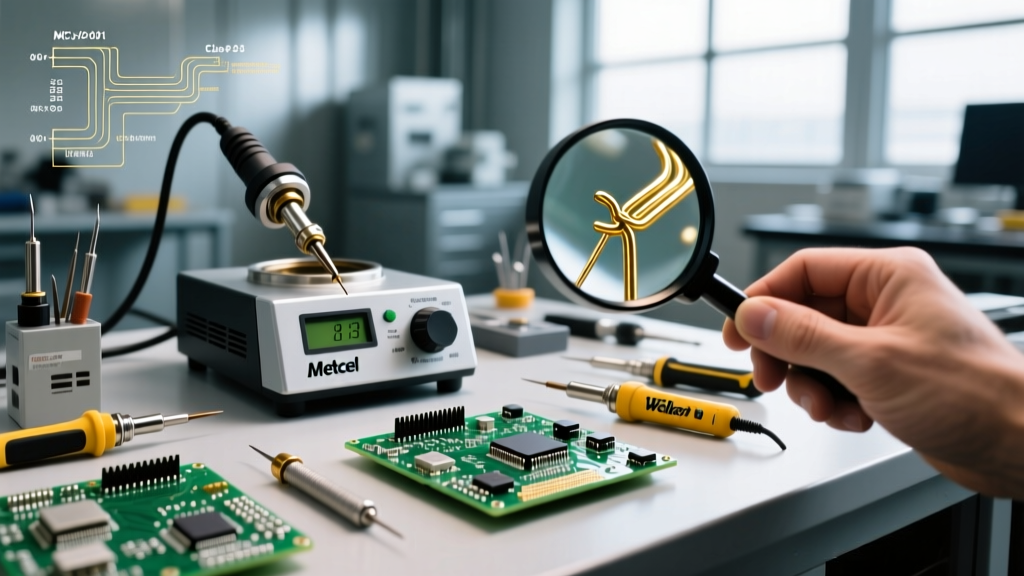
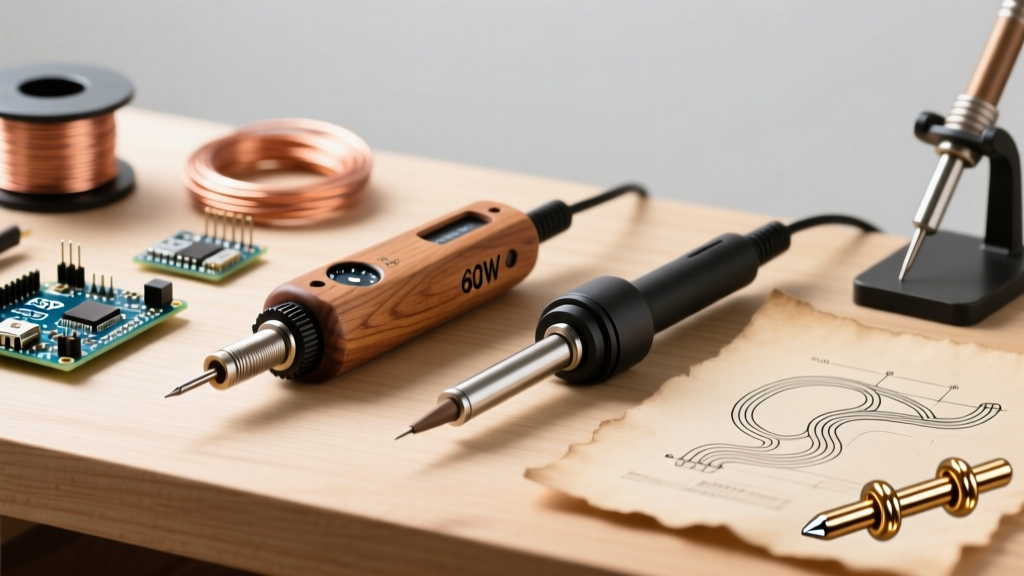
If you have been searching for a wood soldering pen, you have likely encountered a confusing intersection of electronics and woodworking. In the DIY and maker communities, this term is almost always a misnomer. What users are typically looking for is either a pyrography pen (wood burning tool) or a dual-purpose 60W adjustable soldering kit that includes stamped metal tips for burning wood alongside standard electronics soldering tips.
As of 2026, the market is flooded with generic '2-in-1' kits from brands like Yihua, Tabiger, and various Amazon white-labels. While these kits promise the convenience of soldering a PCB and burning a custom logo into a wooden project enclosure using the same heating element, the reality of thermal physics and tip metallurgy tells a different story. This comprehensive guide breaks down the thermodynamics, product comparisons, and critical failure modes of using dual-purpose tools versus dedicated equipment.
The Thermodynamics of Wood Burning vs. Electronic Soldering
To understand why a single pen struggles to do both jobs perfectly, we must look at the temperature requirements and thermal mass needed for each task. Soldering requires rapid heat transfer to metal pads and component leads without exceeding the thermal limits of the components. Wood burning (pyrography) requires sustained, radiant heat to carbonize cellulose and lignin.
| Material / Task | Optimal Temperature | Tip Metallurgy | Dwell Time |
|---|---|---|---|
| Sn63/Pb37 (Leaded Solder) | 300°C - 330°C | Iron-plated copper core | 1-3 seconds |
| SAC305 (Lead-Free Solder) | 350°C - 380°C | Iron-plated copper core | 2-4 seconds |
| Basswood (Pyrography) | 300°C - 350°C | Nichrome wire / Brass | Continuous drawing |
| Hard Maple / Oak (Pyrography) | 400°C - 500°C | Solid Brass / Steel | Continuous drawing |
As noted in SparkFun's comprehensive soldering guide, maintaining the correct tip temperature and thermal mass is critical for forming a proper intermetallic bond in electronics. Conversely, burning hardwood requires pushing temperatures past 400°C, which is dangerously close to the threshold where standard soldering tip iron-plating begins to rapidly oxidize and degrade.
2026 Market Matrix: Dual-Purpose Kits vs. Dedicated Tools
When outfitting your workbench, you generally have three routes. Here is how the most popular configurations compare in real-world performance and pricing.
1. The Generic 60W 2-in-1 Adjustable Kit (e.g., Yihua / Tabiger)
- Price Range: $20 - $35
- Heating Element: Ceramic core with adjustable dial (200°C - 450°C)
- Pros: Extremely budget-friendly; includes a multitude of tips for both disciplines; portable.
- Cons: Severe thermal lag when switching from wood to solder; wood-burning tips are often low-grade steel that warps at high heat.
- Verdict: Acceptable for hobbyists who solder once a month and want to brand wooden enclosures, but not recommended for precision SMD or daily PCB work.
2. Dedicated Pyrography Station (e.g., Walnut Hollow Creative Woodburner)
- Price Range: $40 - $80
- Heating Element: Low-voltage transformer driving nichrome wire tips
- Pros: Instant heat response; interchangeable wire tips for shading and detailing; zero risk of flux contamination.
- Cons: Cannot be used for electronics soldering (tips do not wet with solder).
- Verdict: The mandatory choice for serious woodworking and custom enclosure detailing.
3. Dedicated Soldering Station (e.g., Weller WLC100 or Pine64 Pinecil V2)
- Price Range: $45 - $120
- Heating Element: High-wattage ceramic with PID temperature control
- Pros: Maintains exact set temperature; uses high-quality, long-lasting iron-plated tips; essential for reliable electronics assembly.
- Cons: Using these for wood burning will instantly destroy expensive replacement tips.
- Verdict: The only acceptable tool for actual electronic circuit assembly and repair.
The Fatal Flaw: Cross-Contamination and Tip Destruction
The most common mistake DIYers make when using a 'wood soldering pen' kit is cross-contamination. This manifests in two distinct failure modes:
Failure Mode A: Carbon Insulation on Soldering Tips
Wood contains resins, sap, and natural oils. When you press a soldering tip into wood, these compounds carbonize and bake onto the tip's surface. If you subsequently attempt to solder a PCB with this tip, the carbon layer acts as a thermal insulator. The solder will ball up and refuse to wet the pad, leading to cold solder joints and lifted pads. According to IPC standards, even microscopic contamination can compromise the intermetallic layer necessary for a reliable electrical connection.
Failure Mode B: Acidic Pitting of Iron Plating
Soldering tips are not solid iron; they are copper cores coated with a thin layer of iron to prevent the molten solder from dissolving the copper. Wood acids and the high temperatures required for hardwood pyrography (450°C+) cause this iron plating to oxidize and pit rapidly. Once the iron plating is breached, the molten solder will eat through the copper core in a matter of hours, ruining an $8 to $15 replacement tip.
Expert Rule of Thumb: Never use the same physical tip for wood and electronics. If you must use a dual-purpose 60W wand, maintain two completely separate sets of tips, and use brass wool to aggressively clean the shaft before swapping them.
Health, Safety, and Bench Ventilation
Combining woodworking and electronics soldering in the same physical space introduces compounding respiratory hazards. You are simultaneously dealing with lead particulates (if using Sn63/Pb37), rosin-based flux fumes (colophony), and wood smoke.
The American Lung Association warns that wood smoke contains fine particulate matter (PM2.5) and volatile organic compounds (VOCs) that can penetrate deep into lung tissue. When combined with the aerosolized rosin from soldering flux—which is a known respiratory sensitizer that can trigger occupational asthma—the air quality in an unventilated DIY shop degrades rapidly.
Required Ventilation Setup for Dual-Purpose Benches
- Source Extraction: Use a dedicated fume extractor with a HEPA and activated carbon filter (e.g., Hakko FA-400 or a generic equivalent with genuine carbon sheets) positioned within 6 inches of the soldering zone.
- Ambient Filtration: Run a standalone room air purifier rated for PM2.5 to capture the heavier wood smoke particles that escape the bench-level extractor.
- PPE: If you are sanding pyrography projects and then immediately soldering, wear an N95 or P100 respirator to prevent inhaling suspended wood dust that can settle into your solder joints or flux.
Furthermore, if you are using leaded solder, strict adherence to OSHA's Lead Standards is non-negotiable. Always wash your hands with cold water and specialized lead-removal soap before handling wood-burning tools, as transferring lead residue to a wooden mug or utensil you are pyrographing poses a severe ingestion risk.
Step-by-Step: Safely Swapping Tips on a 2-in-1 Kit
If you have committed to a budget 60W dual-purpose kit, follow this exact procedure to maximize the lifespan of your heating element and tips:
- Cool Down: Turn off the unit and wait for the wand to reach room temperature. Never use pliers to force a hot tip out of the ceramic sleeve; you will crack the heating element.
- Inspect the Sleeve: Check the inside of the metal shroud for wood ash or carbon buildup. Use a cotton swab dipped in 99% isopropyl alcohol to clean the interior.
- Apply Anti-Seize (Optional but Recommended):strong> Apply a microscopic dab of high-temperature copper anti-seize compound to the outside of the new tip's shaft (avoid the working end) to prevent it from fusing to the shroud during high-heat wood burning sessions.
- Retin Immediately: If swapping to a soldering tip, power the unit on to 300°C and immediately apply rosin-core solder to the tip the second it begins to melt the solder. This prevents flash-oxidation.
Frequently Asked Questions
Can I use a wood burning pen to solder wires?
No. Dedicated wood burning pens use nichrome wire tips that are not designed to be wetted by solder. The rosin flux will corrode the nichrome wire, and the lack of thermal mass will result in weak, high-resistance solder joints that will fail under mechanical stress.
Why does my dual-purpose pen smell like burning plastic when I solder?
This is usually caused by residual wood resins burning off the metal shroud of the pen, or the internal plastic components of cheap 60W kits overheating. If the smell is sharp and chemical, unplug the device immediately, as the internal mica or plastic insulators may be melting.
What is the best wood for practicing pyrography with a soldering kit?
Basswood and birch plywood are the best choices for dual-purpose kits. They have a low burning threshold (around 300°C), meaning you do not have to crank your adjustable soldering pen to its maximum 450°C setting, which preserves the life of the heating element and prevents the handle from becoming too hot to hold.